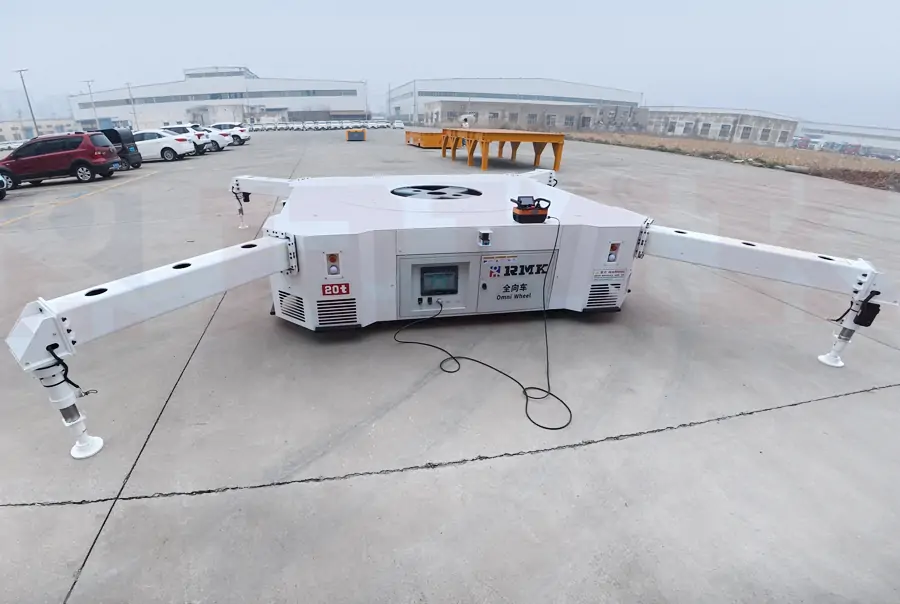
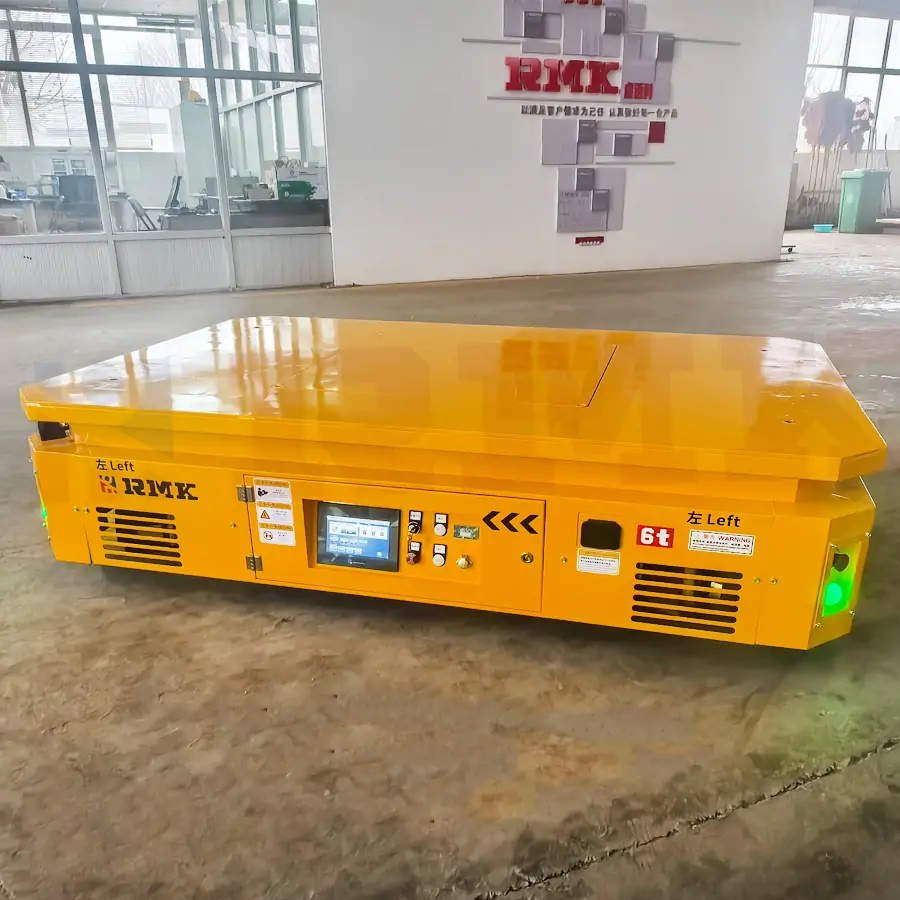
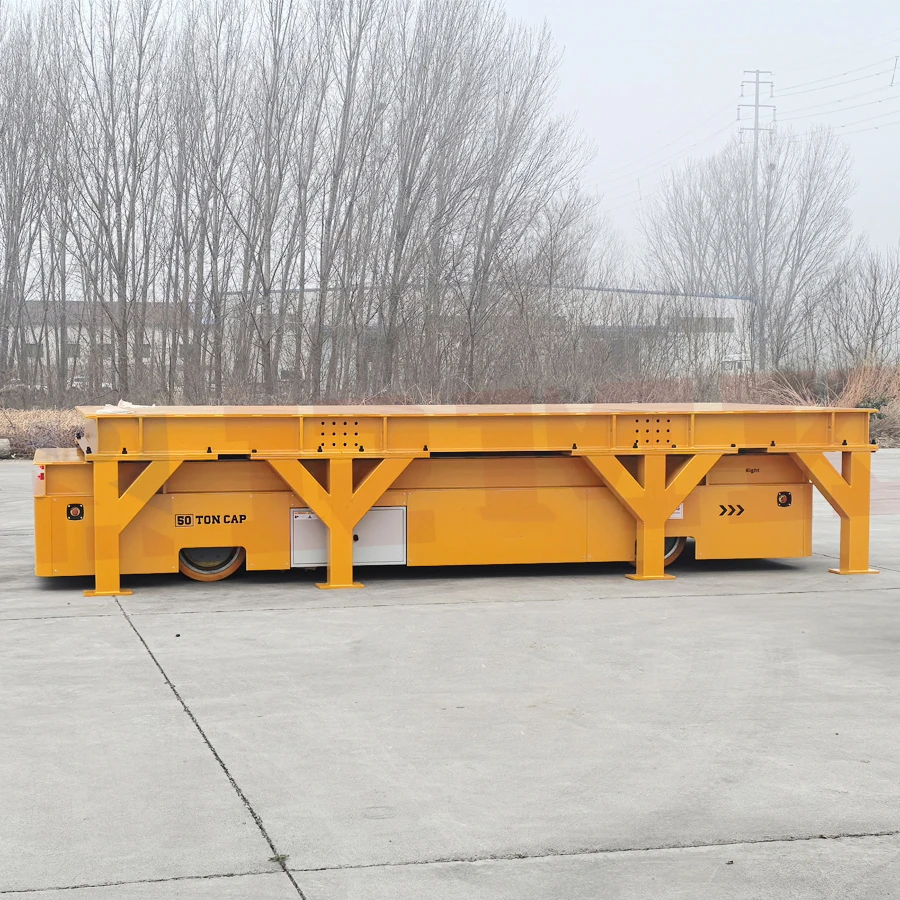
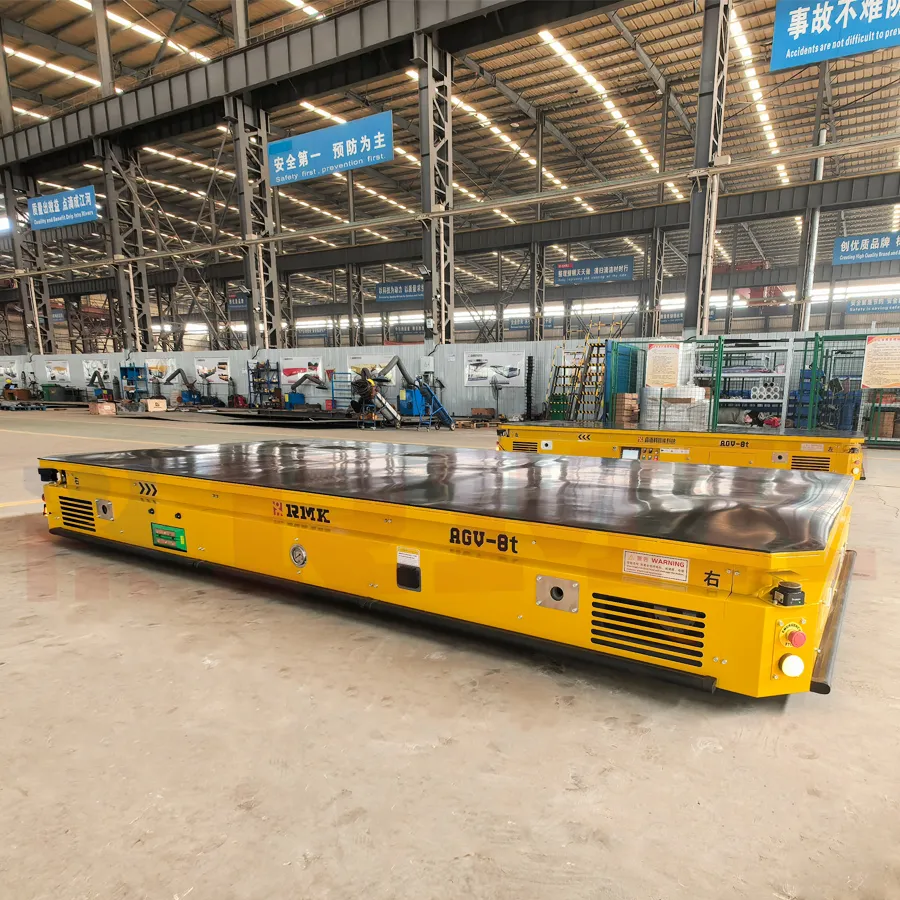
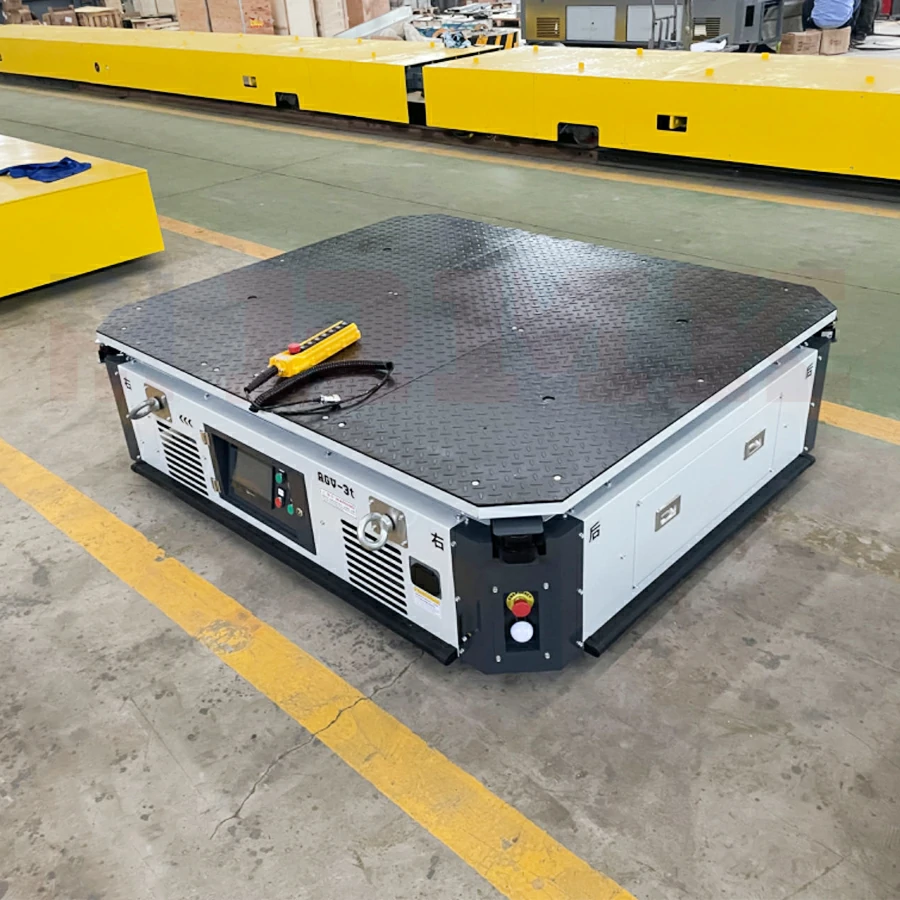
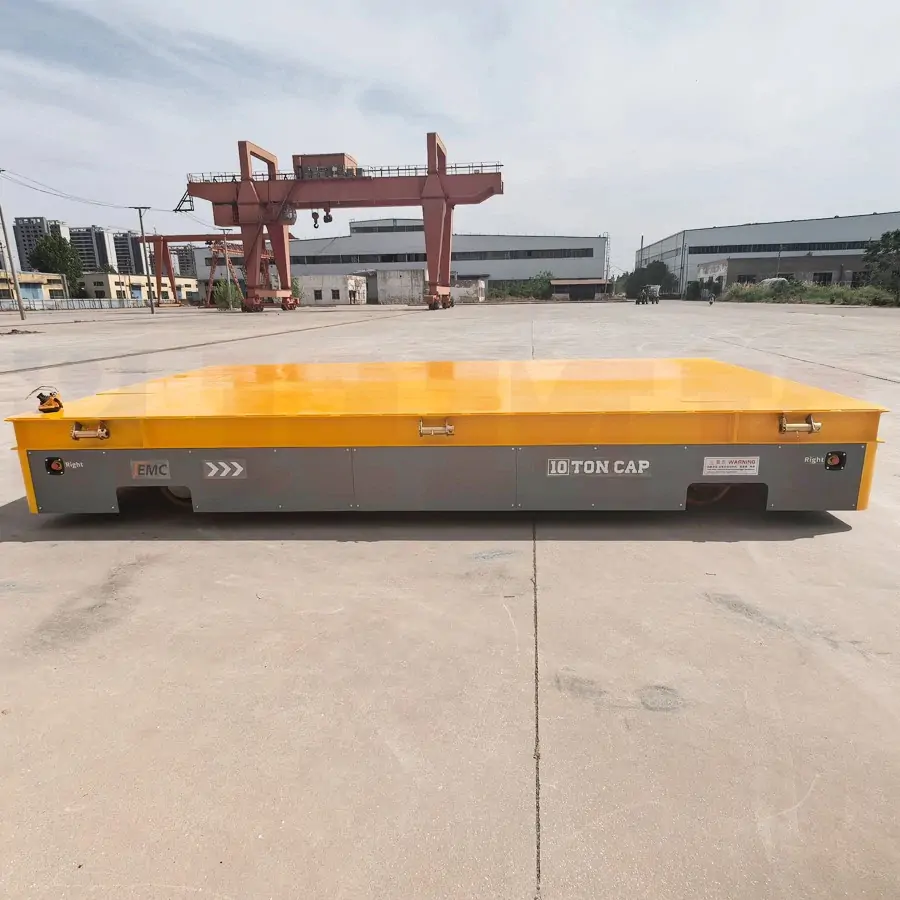
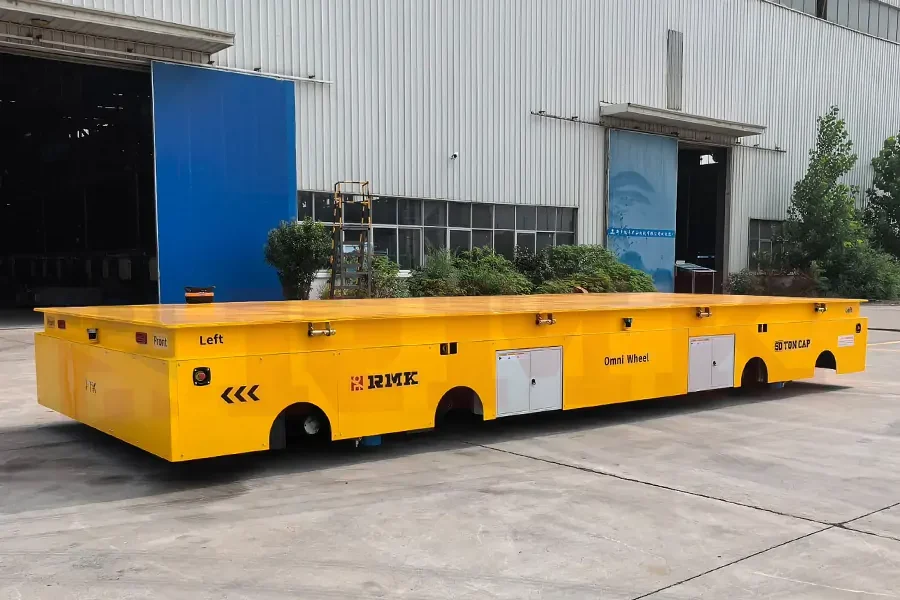
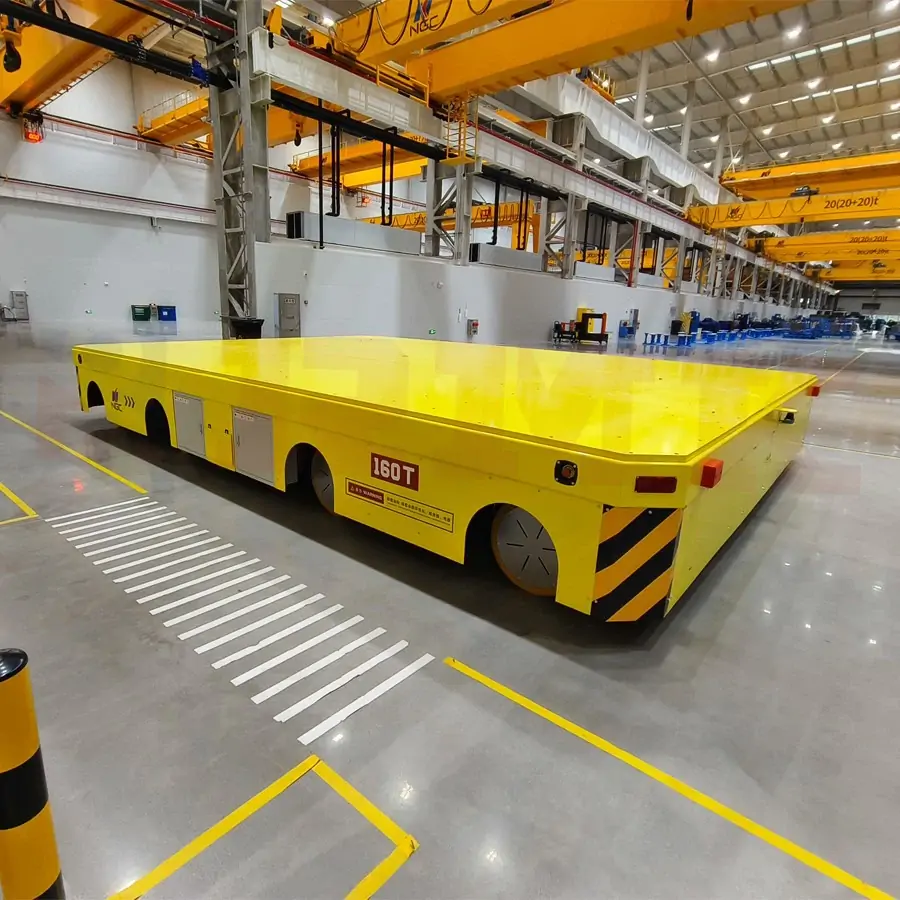
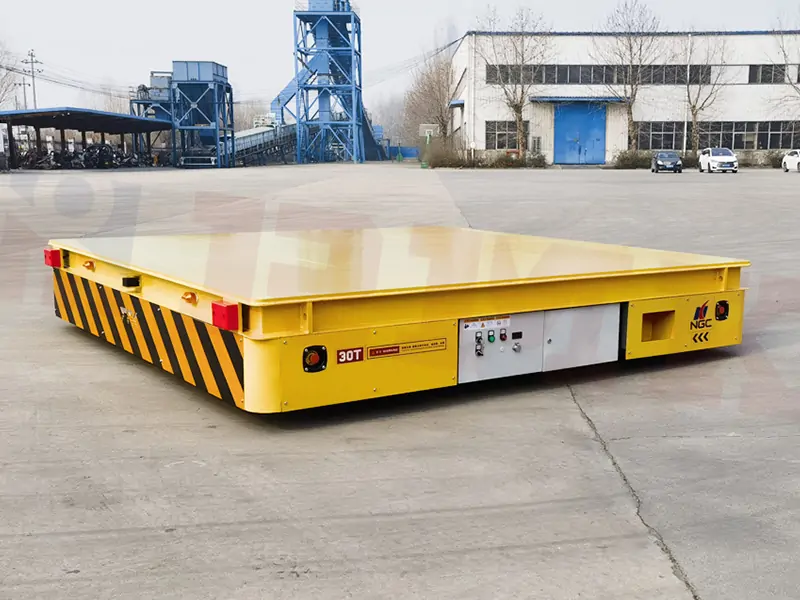
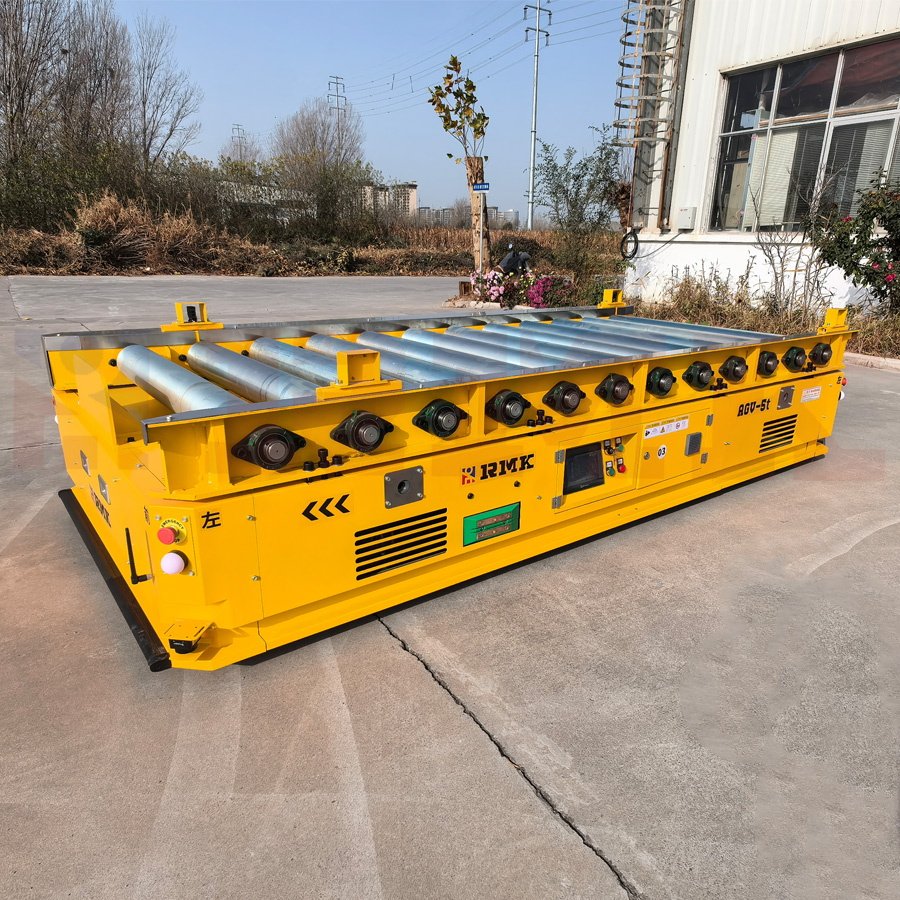
In many people’s minds, moving heavy loads around a workshop always involves rail carts. But once you lay down those tracks, your production line is essentially “locked in.” If you want to move a mold across different areas or workshops, the rails often become an obstacle. This is exactly why the управляемая тележка has become so popular in factories over the last few years. It doesn’t require any rails and can carry tens or even hundreds of tons of cargo, turning freely on standard concrete floors.
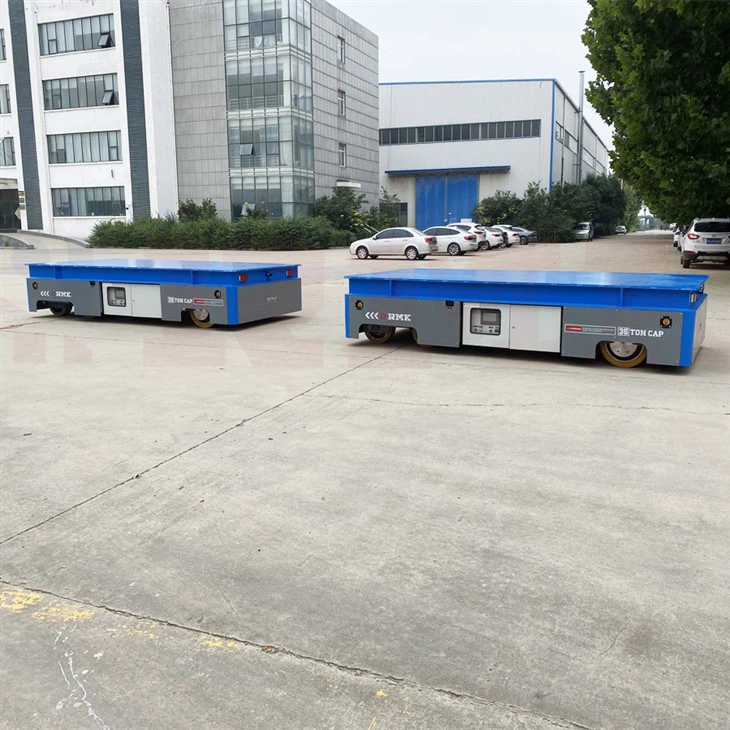
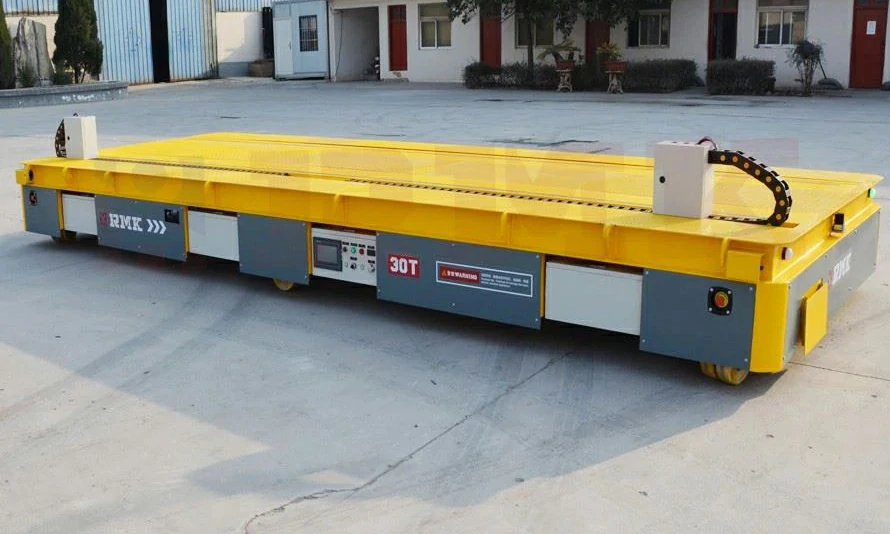
Battery-powered steerable transfer cart—free from the constraints of cables. It can rotate 360 degrees on the spot. For more information, see the article: “Battery-Operated Transfer Trolley.” When equipped with navigation systems and sensors, it becomes a steerable AGV transfer cart. This article will explore the advantages of these transfer carts, their application scenarios, and recommendations for selection.
Преимущества
Compared to traditional rail carts, the most attractive thing about a steerable transfer cart is freedom. The maneuverability of a steerable transport cart depends on its specific components. For details on its configuration, please refer to the article: Detailed Structure of a Steerable Transport Cart. Next, let’s take a look at its advantages.
- Route Freedom, No Floor Damage: You don’t need to dig trenches or lay guide rails in the floor; it runs right on concrete. This means you can adjust your production line at any time without being restricted to two steel tracks.
- Zero Turning Radius, Saves Space: It can achieve 360° rotation on the spot. In narrow aisles packed with cargo, the steerable transfer cart doesn’t need a wide turning curve, which frees up more valuable production space in the workshop.
- No Cable Strings, Safer: By using a battery-powered steerable transfer cart, you completely get rid of cables dragging on the floor. The workshop floor stays tidy, and you eliminate the safety hazards of cables being crushed or tripping people.
- Easy Automation Upgrade: The “evolved” version is the steerable AGV (Automated Guided Vehicle) transfer cart. By adding sensors, it can drive itself and avoid obstacles automatically. It frees workers from repetitive labor and achieves unmanned handling for heavy loads.
2. It makes a 100-ton load as flexible as a remote-controlled car. If you want a “flexible factory” that can change its layout at any time, trackless steering is the way to go.
3. In the factory, the steerable transfer cart often solves problems in places where “rail carts can’t go, and forklifts can’t reach.” Wherever heavy loads need to cross zones, space is tight, or paths are not fixed, it is the main player.
4. Cross-workshop and Outdoor Transfer:
5. Many factory production lines are in different buildings separated by roads or open areas. Trackless carts cross these zones easily without needing to cut tracks into the road or worry about the span.
6. Mold and Heavy Casting Exchange:
7. In stamping or die-casting workshops, molds can weigh dozens of tons. Using the fine-steering function of a battery-powered steerable transfer cart, you can feed the mold precisely into the press base—much more stable and accurate than using a crane.
8. Steel Structure and Wind Power Components:
9. These extra-long and heavy parts often move between welding and painting stations along changing paths. The steerable transfer cart weaves through narrow passages, saving the high cost of calling in large overhead cranes.
10. Automated Logistics Connection:
11. This is the home turf of the steerable AGV transfer cart. In smart factories, it handles the shuttle between stereoscopic warehouses and production lines, delivering heavy materials as precisely as a courier.
12. Basically, if your workshop floor is flat and your path isn’t a permanent straight line, the steerable transfer cart will show its true strength.
It makes a 100-ton load as flexible as a remote-controlled car. If you want a “flexible factory” that can change its layout at any time, trackless steering is the way to go.
Сценарии применения
In the factory, the steerable transfer cart often solves problems in places where “rail carts can’t go, and forklifts can’t reach.” Wherever heavy loads need to cross zones, space is tight, or paths are not fixed, it is the main player.
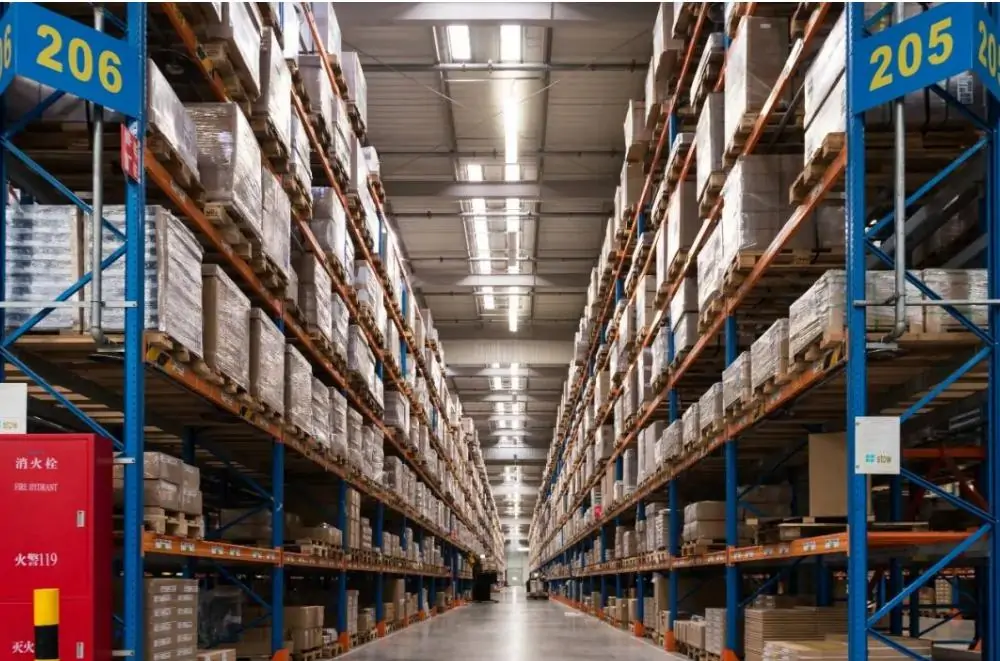
Cross-workshop and Outdoor Transfer: Many factory production lines are in different buildings separated by roads or open areas. Trackless carts cross these zones easily without needing to cut tracks into the road or worry about the span.
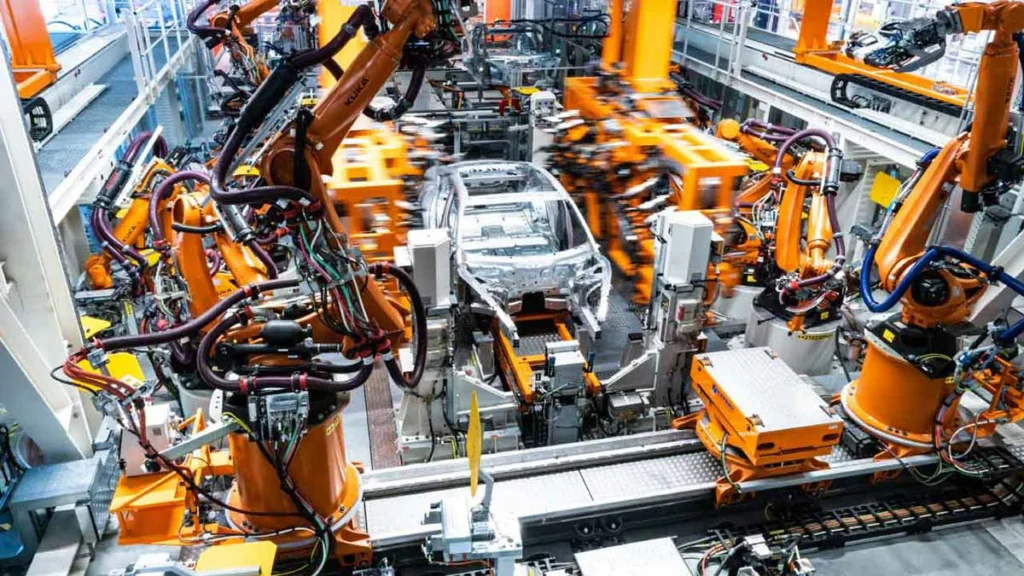
Mold and Heavy Casting Exchange: In stamping or die-casting workshops, molds can weigh dozens of tons. Using the fine-steering function of a battery-powered steerable transfer cart, you can feed the mold precisely into the press base—much more stable and accurate than using a crane.

Steel Structure and Wind Power Components: These extra-long and heavy parts often move between welding and painting stations along changing paths. The steerable transfer cart weaves through narrow passages, saving the high cost of calling in large overhead cranes.
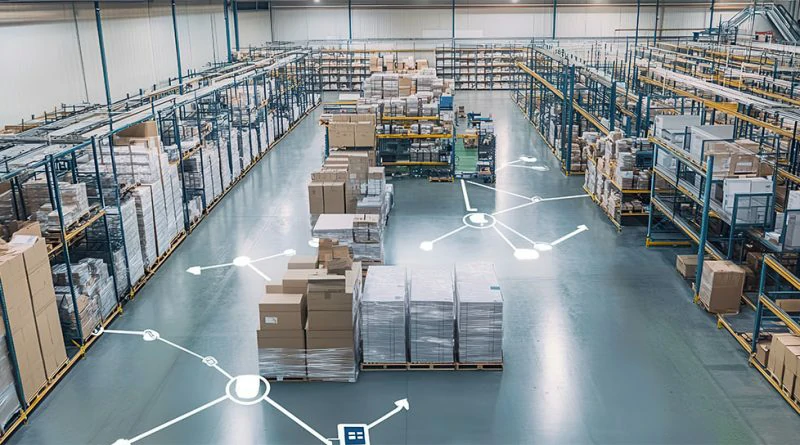
Automated Logistics Connection: This is the home turf of the steerable AGV transfer cart. In smart factories, it handles the shuttle between stereoscopic warehouses and production lines, delivering heavy materials as precisely as a courier.
Basically, if your workshop floor is flat and your path isn’t a permanent straight line, the steerable transfer cart will show its true strength.
Пример из практики
In a Japanese-owned injection mold factory in Thailand, narrow workshop aisles used to make heavy-duty handling a major challenge. To move heavy molds safely and accurately in this limited space, Remarkable customized a 15-ton steerable transfer cart solution.
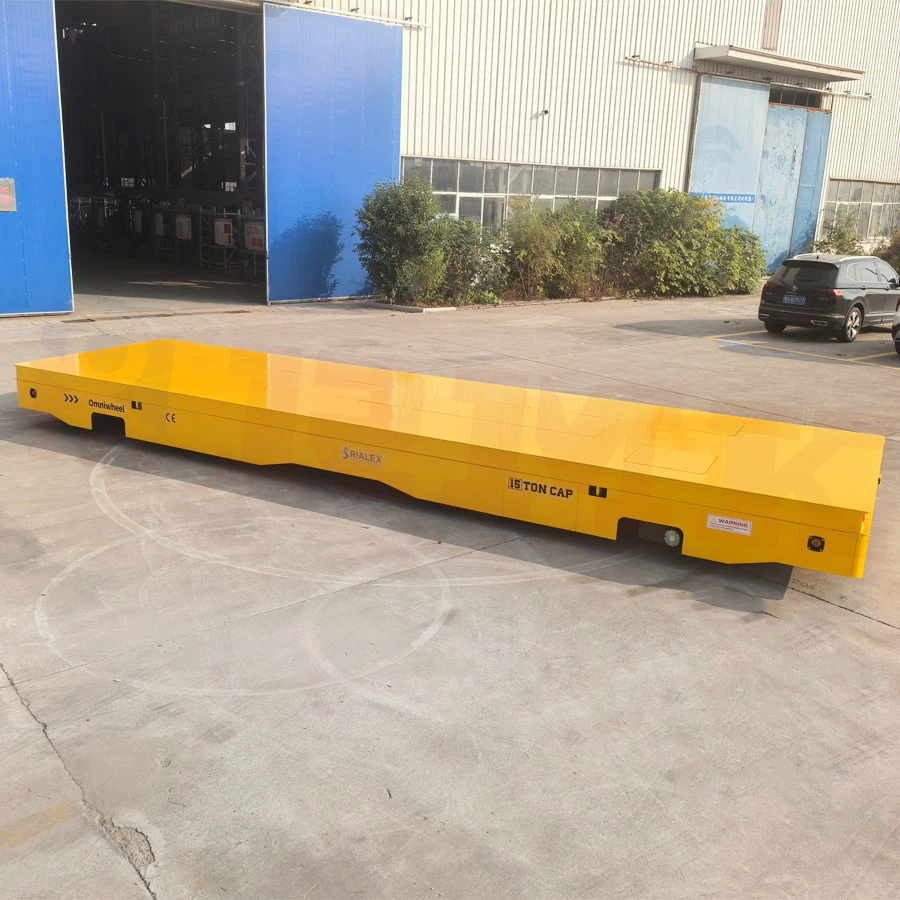
To solve the pain point of a rigid layout where rails couldn’t be laid, we used a configuration of “4 universal wheels + 4 drive wheels.” This allowed the 15-ton machine to drive forward/backward, move sideways, travel diagonally, and spin 360° on the spot. For safety, we added 360° laser obstacle sensors and safety handrails to keep the molds rock-solid during transit. Since its implementation, the client’s mold transfer efficiency has skyrocketed. It solved the space bottleneck and achieved a wireless, clean, and flexible operation through battery power. This “simple yet effective” customization once again proved Remarkable’s ability to solve problems in complex conditions.
Rail Transfer Cart vs. Steerable Transfer Cart (Comparison)
Many customers struggle with the “to rail or not to rail” decision. We’ve listed the practical differences here:
| Параметр | Traditional Rail Transfer Cart | Управляемая тележка |
| Гибкость | Straight lines only; rigid path | 360° movement; change paths anytime |
| Civil Works | Needs trenching/rails; long setup | No construction; ready to use on arrival |
| Turning Radius | Needs huge curves or turntables | Rotates on the spot; saves space |
| Environmental Impact | Raised rails block forklifts/people | Flat floor; workshop is more open |
| Automation Potential | Difficult to modify | Native fit for the steerable AGV transfer cart |
Rail carts win on low cost and extreme weight capacity, but they lose on flexibility. Steerable carts are born for “flexible manufacturing” and are the top choice for modern factory upgrades.
Selection Advice
With this type of vehicle, load capacity is just the entry requirement. To make sure your investment pays off, pay attention to these critical details:
- Check Floor and Slope: Ваш пол бетонный или эпоксидный? Есть ли уклон? Безрельсовые тележки зависят от трения; если уклон превышает 3° или пол маслянистый, потребуется дополнительная мощность двигателя и тормозной момент.
- Подтвердите радиус поворота: Знайте ширину самого узкого прохода. Даже если тележка “разворачивается на месте”, её длина определяет физический предел. Попросите техника рассчитать “динамический конверт”, чтобы убедиться, что она не заденет оборудование при повороте.
- Выберите мощность и время работы: Размер аккумулятора для аккумуляторной управляемой транспортной тележки зависит от вашей ежедневной частоты использования. Если нагрузка велика, выбирайте литиевые батареи большой ёмкости или решение для быстрой зарядки.
- Не экономьте на безопасности: Перемещение десятков тонн по земле требует безопасности как основы. Лазерное обнаружение препятствий, звуковая/световая сигнализация и защитные кромки обязательны — особенно если вы планируете в будущем модернизировать её до AGV.
Выбор — это не покупка “готового решения”, а покупка индивидуального решения. Вам нужно учитывать фактические маршруты на площадке, частоту и размер груза, чтобы заказать управляемую транспортную тележку, которая действительно соответствует вашим потребностям.
Заключение
Будущее промышленной логистики больше не ограничивается двумя холодными стальными рельсами. Появление управляемой транспортной тележки возвращает “свободу” руководителям цехов: от отсутствия ограничений рельсов до простоты управления аккумуляторной управляемой тележкой и, наконец, до интеллекта автоматизированной управляемой тележки AGV. Эти изменения помогают заводам достигать более высоких скоростей.
Как специалист по индивидуальным решениям для тяжелых грузоперевозок в Китае, Замечательный мы сосредоточены на решении задач внутренней логистики для клиентов по всему миру. Если вы сталкиваетесь с ограниченным пространством, низкой эффективностью или планируете автоматизацию, связаться с нами. Let us customize a handling solution that truly fits.
Электронная почта: transfercart@rmkzn.com
Телефон: +86-18637369355
ЧАСТО ЗАДАВАЕМЫЕ ВОПРОСЫ
Есть ли требования к полу для безрельсовой управляемой тележки? Подойдет ли обычный бетон?
Да. Любая ровная, твердая поверхность (бетон, эпоксидная смола, асфальт) подходит. Тележка использует высокопрочные полиуретановые колеса, которые выдерживают вес, не повреждая пол, и вам не нужно никакого строительства рельсов.
Может ли эта тележка действительно разворачиваться на 360° на месте?
Да. Она использует двухмоторное дифференциальное управление или систему омни-колес. Вращая колеса в противоположных направлениях, она поворачивается на месте. Это делает её очень маневренной при движении между оборудованием, так как радиус поворота практически равен диагонали тележки.
Как обстоят дела с временем работы аккумулятора? Что делать, если он разрядится во время работы?
Это зависит от аккумулятора. Типичная аккумуляторная управляемая транспортная тележка работает 6-8 часов при тяжелой нагрузке. Мы рекомендуем “зарядку по возможности” или использование двух комплектов аккумуляторов для замены. Версии AGV могут даже автоматически возвращаться на зарядную станцию в простое.
Как обеспечивается безопасность при перемещении десятков тонн?
Безопасность — приоритет номер один. Тележка оснащена лазерным лидаром, механическими защитными кромками и сигнализацией. Если она обнаруживает человека или препятствие, она мгновенно останавливается, что делает её умнее и безопаснее традиционной рельсовой тележки.
Могут ли эти безрельсовые тележки преодолевать уклоны?
Да, но не очень крутые. Обычно мы рекомендуем уклон в пределах 3°. Если в вашем цехе есть значительный уклон, сообщите нам об этом при выборе, чтобы мы могли увеличить мощность двигателя и усилить тормозную систему для предотвращения скольжения.
Если я захочу автоматизировать работу позже, можно ли модернизировать ручную версию до AGV?
Да, это одно из её главных преимуществ. При условии, что интерфейсы зарезервированы, вы можете позже добавить навигационные модули и системы управления, чтобы модернизировать стандартную управляемую транспортную тележку до полностью автоматизированной управляемой тележки AGV.