Índice
Introdução
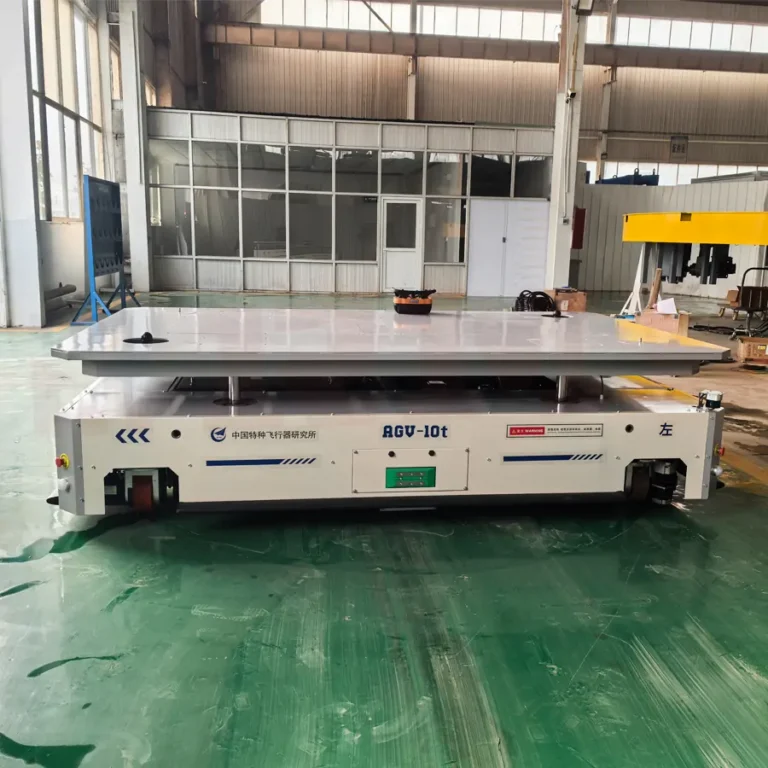
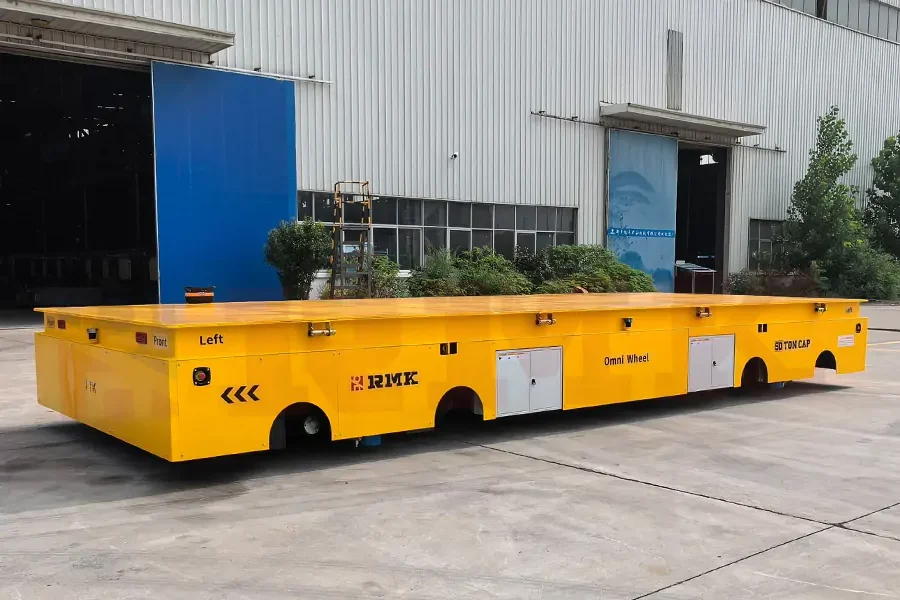
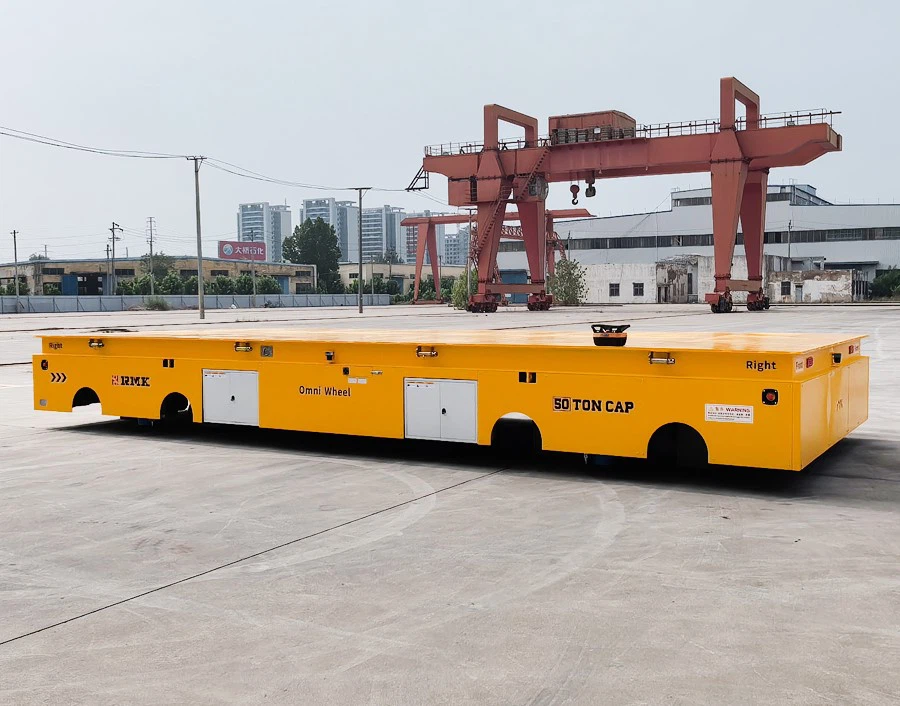
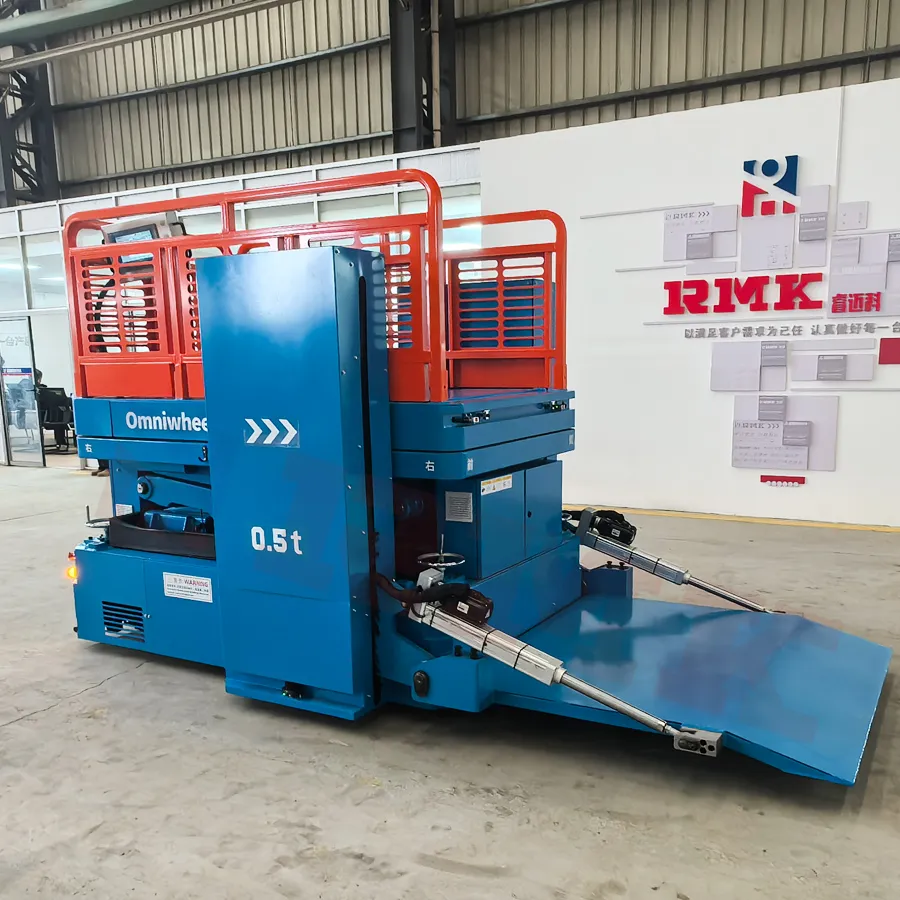
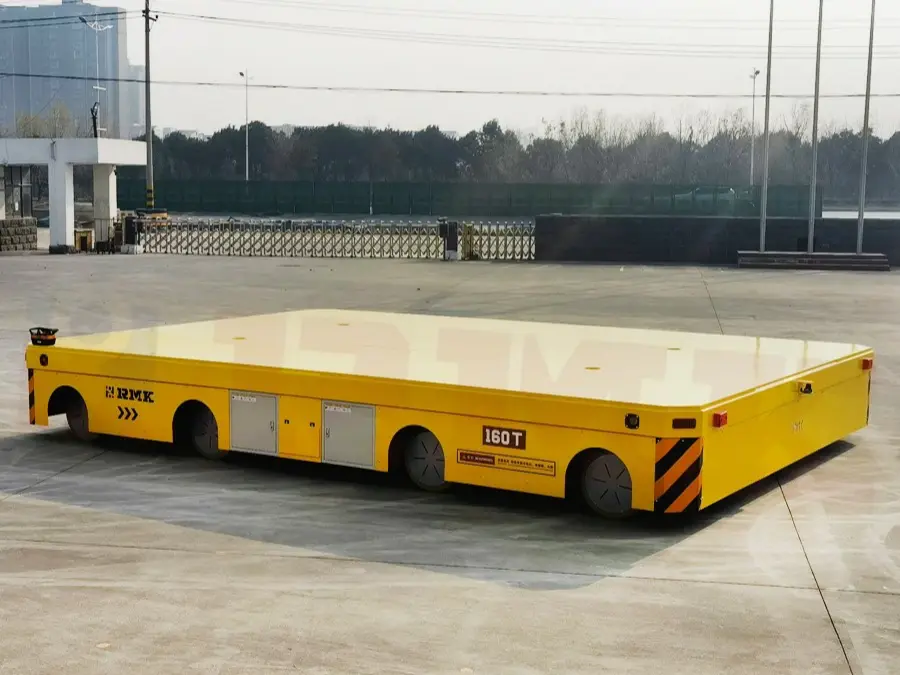
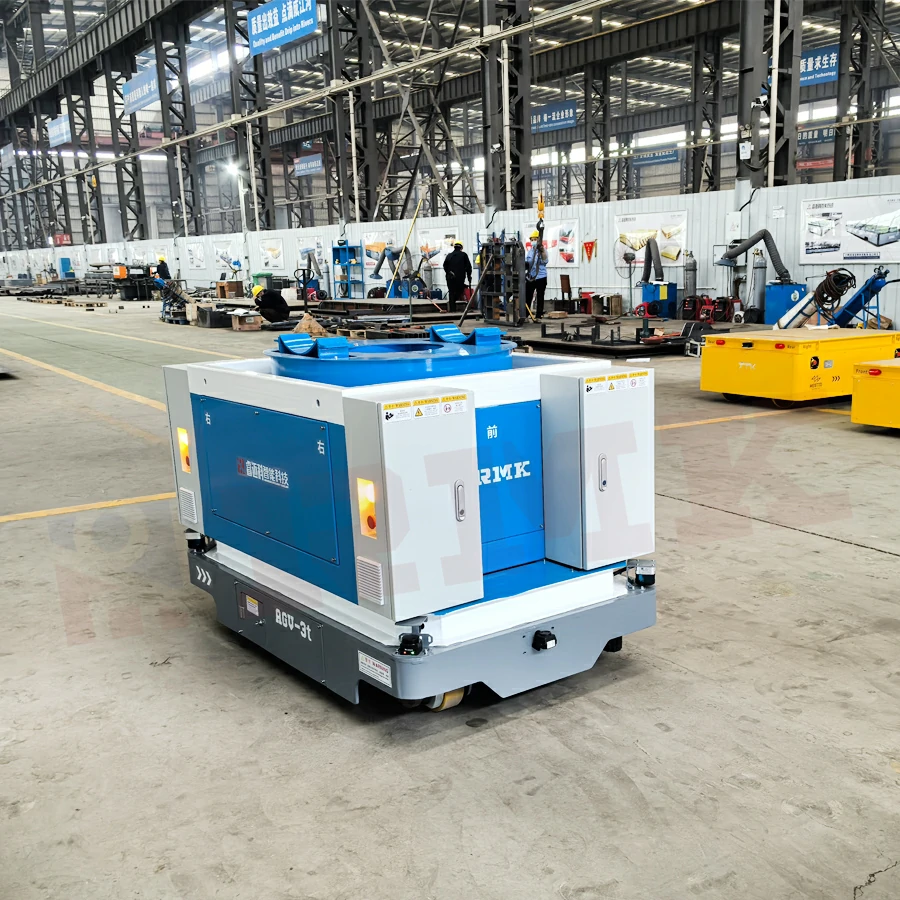
A carrinho de transferência sem lagartas costs several thousand dollars, with the final price depending on load capacity, drive system, steering configuration, and customization requirements. A 15-ton electric trackless transfer cart is listed at approximately US$4,000 per unit, while another supplier quotes US$4,200–6,500 for models rated at 1–10 tons.
These figures are indicative rather than directly comparable. Platform dimensions, battery capacity, control systems, safety devices, and operating conditions can all affect the trackless transfer cart cost. Bulk order quantities may also change the unit price.
When comparing the trackless transfer cart price, check whether the quotation covers only the equipment or also includes shipping, installation, commissioning, and automation integration. A detailed specification and clearly defined delivery terms are necessary for an accurate project quotation.
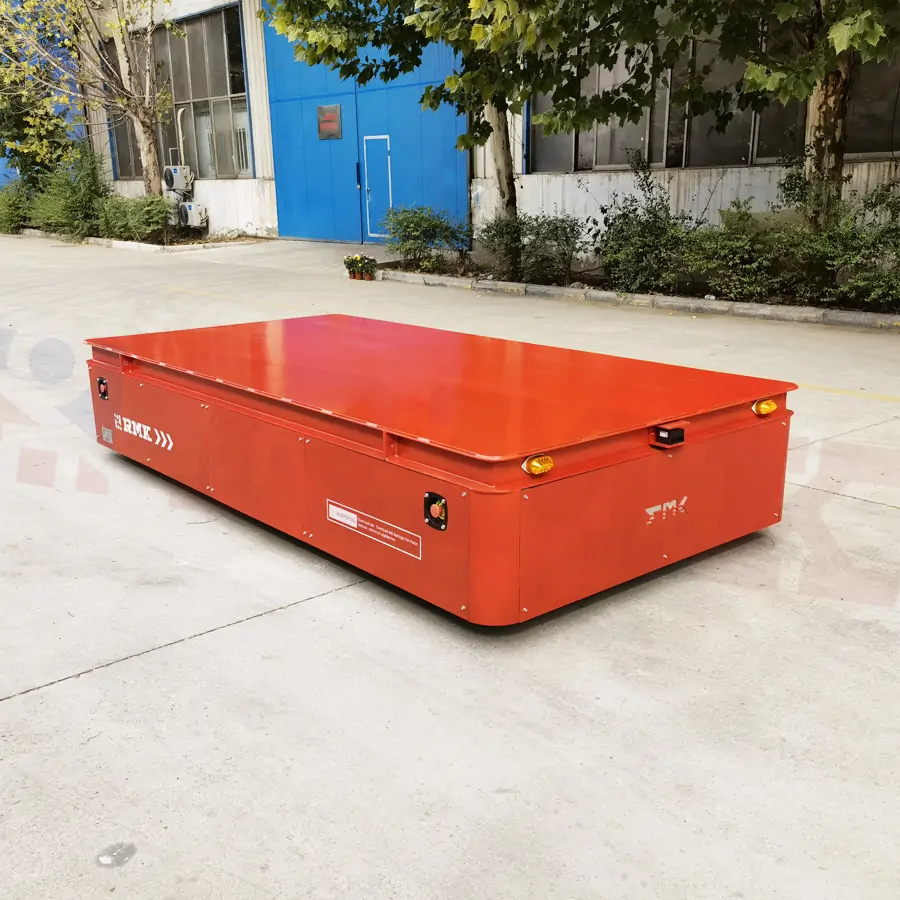
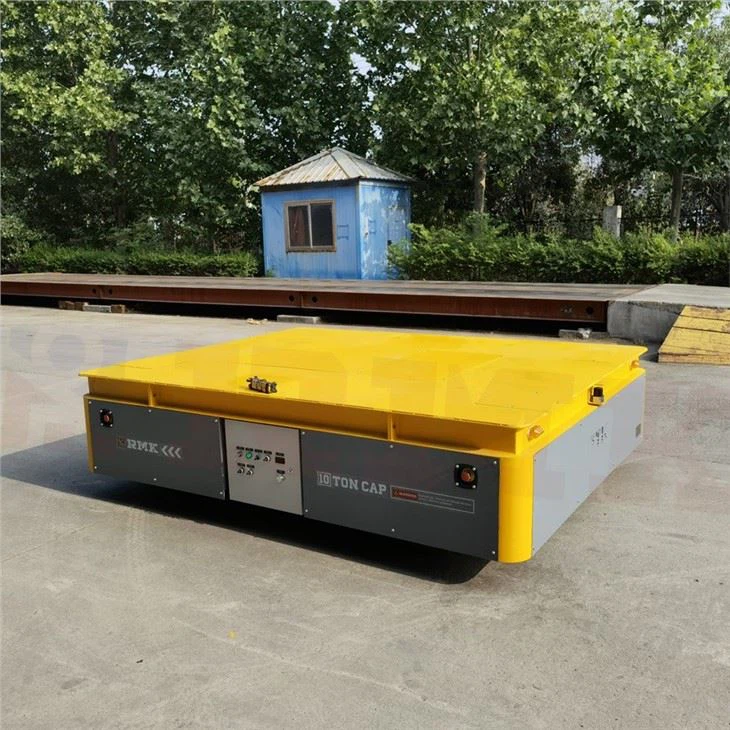
How Much Does a Trackless Transfer Cart Cost by Load Capacity?
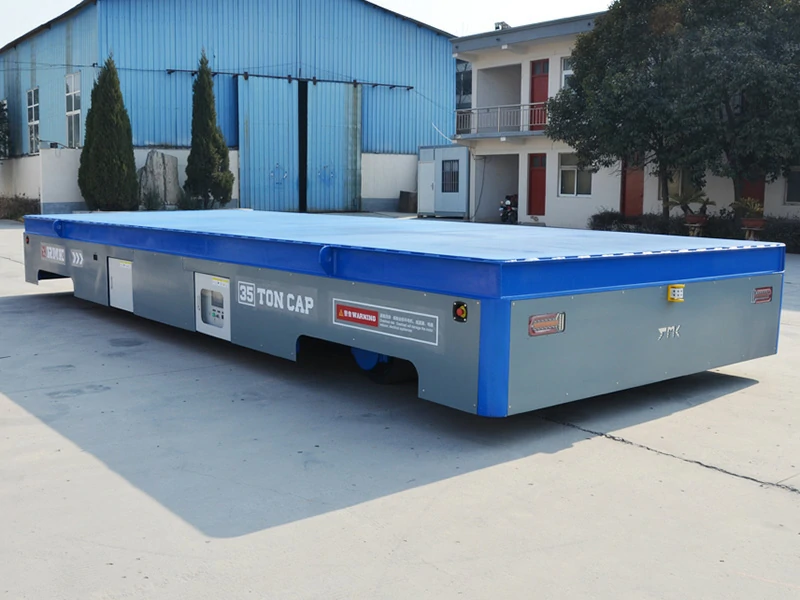
The trackless transfer cart price ranges from around US$3,000 for smaller industrial models to over US$25,000 for heavy-duty customized units. Actual prices vary by rated capacity, equipment configuration, and project requirements. The following ranges provide a preliminary budgeting reference.
| Capacidade de carga | Indicative Price Range (USD) | Aplicações |
|---|---|---|
| 1–10 toneladas | US$3,000–6,500 | Small workpieces, workshop handling |
| 10–30 tons | US$3,000–7,500 | Molds, machinery, steel components |
| 30–60 tons | US$5,000–15,000 | Heavy equipment, steel coils, industrial assemblies |
| 70–120 tons | US$10,000–25,000+ | Large dies, heavy machinery, oversized loads |
What Explains the Price Difference?
Higher-capacity carts require stronger load-bearing structures and appropriately rated drive components. However, rated capacity alone does not determine the trackless transfer cart cost. Equipment specifications, operating conditions, and optional features can produce substantial price differences between models in the same capacity range.
These figures are indicative estimates, not fixed market rates or official RMK quotations. Confirm the equipment specifications, included components, and delivery terms before comparing supplier offers.
What Factors Affect Trackless Transfer Cart Price?
The trackless transfer cart cost also depends on the engineering requirements behind each configuration. Battery selection, steering design, control systems, and specialized attachments affect the equipment price and its suitability for the intended application.
1. Load Capacity and Platform Dimensions
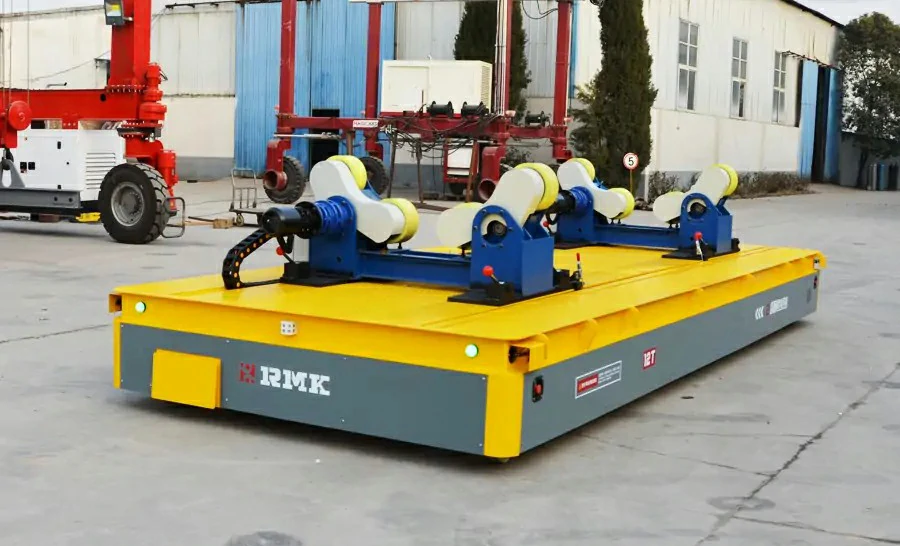
The cart frame must support the rated load and its distribution across the platform. Overall length, width, center of gravity, and off-center loading affect structural design and wheel placement. Steel coils may require V-shaped supports, while molds and large machinery may need dedicated fixtures or locking devices.
2. Battery Type and Operating Requirements
Lead-acid and lithium batteries differ in purchase cost, charging requirements, service life, and maintenance. Battery capacity should be selected according to load, travel distance, operating hours per shift, gradients, and available charging time. A battery sized only by rated tonnage may not provide sufficient operating time or may add unnecessary cost.
3. Steering System and Mobility
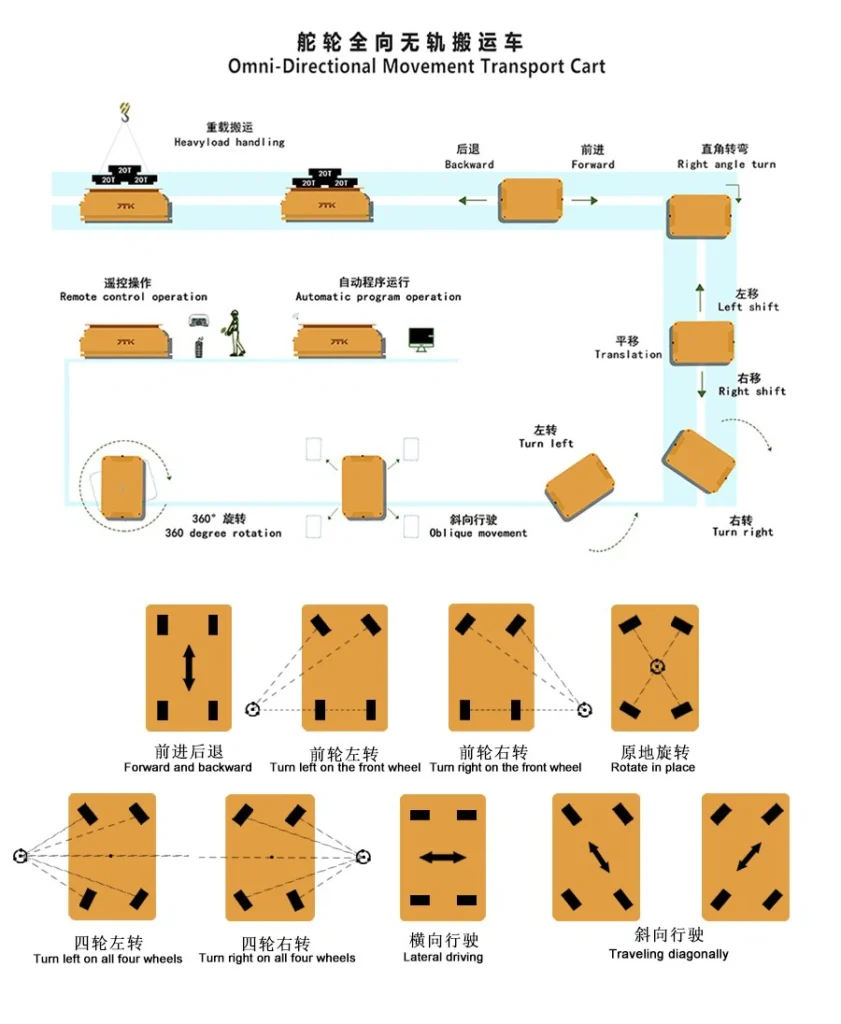
Standard steering, four-wheel steering, and omnidirectional movement involve different mechanical and control requirements. The minimum turning radius, aisle width, floor condition, and wheel material influence the chassis and steering configuration. Tight workshop layouts may require more advanced steering systems than carts operating along open routes.
4. Remote Control, Safety Devices, and Automation
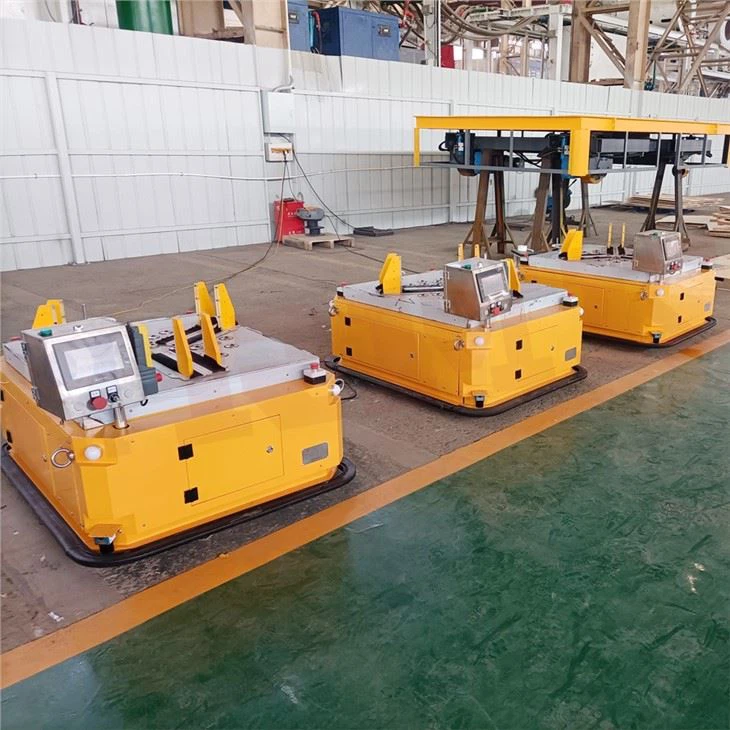
Wired controls and wireless remote controls suit different operating arrangements. Automated models may require navigation sensors, laser scanners, positioning systems, obstacle detection, PLC integration, and route programming. These features should be itemized in the quotation because they are not necessarily included in the standard configuration.
5. Customization and Working Environment
Hydraulic lifting platforms, tilting decks, roller conveyors, and dedicated fixtures add mechanical components and engineering work. Explosion-protected designs, high-temperature applications, and specialized protective systems may require additional material selection and equipment modifications. The final configuration should reflect the actual load, workplace hazards, and operating conditions.
For an accurate quotation, provide the load specifications, platform dimensions, operating schedule, travel route, and required functions. RMK can use these details to assess the application and recommend a suitable trackless transfer cart configuration.
Trackless Transfer Cart Cost vs. Rail-Mounted Transfer Cart Cost
The total cost of a carrinho de transferência sem lagartas e um rail-mounted transfer cart depends on equipment specifications, site preparation, and operating requirements. Trackless models eliminate dedicated rail installation, while rail-mounted carts follow fixed routes and may require rail foundations and alignment work.
| Fator de Custo | Carro de transferência sem lagartas | Carrinho de Transferência Montado em Trilhos |
|---|---|---|
| Equipment purchase | Depends on capacity, steering, battery, and control systems | Depends on capacity, drive system, and power supply |
| Track installation | No dedicated rails required | Rails, foundations, and alignment may add upfront costs |
| Route flexibility | Supports route changes and movement between work areas | Suited to repetitive transport along fixed routes |
| Extremamente baixa | Includes wheels, steering, drive components, and batteries | Includes drive components, wheels, and rail inspection and maintenance |
| Site preparation | Requires suitable floor strength, flatness, and clearance | Requires suitable rail foundations, alignment, and supporting structures |
Which Option Has a Lower Total Cost?
- A trackless transfer cart can reduce infrastructure costs where existing floors support the required loads and transport routes may change. However, uneven floors, tight turning spaces, frequent battery charging, or complex navigation requirements can increase its purchase and operating costs.
- Rail-mounted carts may offer a more economical solution for repetitive, high-frequency transport along established routes, particularly where suitable rails are already installed. A reliable comparison should include equipment price, civil works, power supply, energy consumption, maintenance, and expected service life.
Request quotations based on the same load capacity, duty cycle, travel distance, and safety requirements to compare total cost of ownership accurately.
What Is Included in the Total Cost of a Trackless Transfer Cart?
The total cost of a trackless transfer cart includes more than the equipment purchase price. Custom engineering, delivery, commissioning, and ongoing maintenance can add to the project budget. Confirm each cost item and its scope before comparing supplier quotations.
- Equipment Price: Covers the specified frame, drive system, wheels, battery, control cabinet, and included safety devices.
- Customization: Non-standard platform dimensions, dedicated fixtures, hydraulic lifting systems, and automation interfaces may incur additional engineering and manufacturing costs.
- Shipping and Import Costs: Budget for export packaging, freight, cargo insurance, customs duties, and clearance charges according to the agreed delivery terms.
- Installation and Commissioning: Confirm whether on-site installation, functional testing, operator training, and automation integration are included or charged separately.
- Operating and Maintenance Costs: Account for electricity, battery replacement, tires, wear parts, routine inspections, and spare parts over the planned service life.
For accurate budgeting, request an itemized quotation that separates the base equipment price, optional features, logistics, and on-site services. Compare quotations against the same technical specifications and delivery terms to identify the actual project cost.
How to Reduce Trackless Transfer Cart Procurement Costs
1. Select the Required Load Capacity
Choose the rated capacity based on maximum load weight, load distribution, and operating conditions. Excess capacity can increase frame, drive, and battery costs.
2. Match the Battery to Operating Needs
Specify battery capacity according to daily operating hours, travel distance, load, and charging availability. Avoid oversized batteries that add cost without operational benefit.
3. Limit Optional Features
Specify lifting platforms, clamping fixtures, automatic navigation, and special protection only where required by the handling process or working environment.
4. Compare Equivalent Quotations
Use the same specifications for load capacity, platform dimensions, battery, steering, controls, safety devices, warranty, and delivery terms. Compare itemized prices to identify differences in equipment scope and total cost.
How to Get an Accurate Trackless Transfer Cart Price
An accurate trackless transfer cart price requires clear load specifications and operating conditions. Provide the following details when requesting a quotation:
- Rated load capacity and maximum workpiece weight
- Platform dimensions and load distribution
- Travel distance and daily operating hours
- Floor condition, slope, and minimum turning space
- Battery type, control method, and required safety features
- Delivery location and customization requirements
RMK provides customized trackless transfer carts for industrial material handling applications. Submit your workpiece specifications, workshop layout, and handling process for a technical assessment. The engineering team can evaluate the required configuration and provide a quotation based on your operating conditions.
Correio eletrónico: transfercart@rmkzn.com
Telefone: +86-
18637369355
FAQ
Quanto custa um carrinho de transferência sem trilhos?
A trackless transfer cart typically costs around US$3,000 to over US$25,000, depending on load capacity, battery system, steering, and customization. Heavy-duty models with specialized fixtures or automated controls may cost more. Request a quotation based on the actual operating requirements.
What is the average trackless transfer cart price for a 10-ton model?
A 10-ton trackless transfer cart may cost approximately US$3,000–6,500, depending on its standard configuration and supplier. Platform dimensions, battery capacity, steering system, and safety features affect the final price.
How much does a 30-ton trackless transfer cart cost?
A 30-ton trackless transfer cart may cost approximately US$5,000–15,000. The price varies with structural design, drive components, platform size, and control requirements. Specialized handling equipment or automation can increase the cost.
Why do trackless transfer cart prices vary between manufacturers?
Manufacturers may quote different prices for the same rated capacity because of differences in frame design, motors, batteries, steering systems, safety devices, and manufacturing specifications. Compare technical configurations and quotation scope rather than capacity and price alone.
Does battery type affect the price of a trackless transfer cart?
Yes. Lithium batteries generally have a higher initial purchase cost than lead-acid batteries but offer different charging, maintenance, and service-life characteristics. The appropriate option depends on operating hours, travel distance, charging availability, and the required service life.
How much does a customized trackless transfer cart cost?
Customized models can range from several thousand dollars to over US$25,000, depending on capacity and design requirements. Hydraulic lifting platforms, specialized fixtures, automatic navigation, and hazardous-environment protection can add to the cost. A final price requires a confirmed technical specification.
Is a trackless transfer cart cheaper than a rail-mounted transfer cart?
A trackless transfer cart can reduce upfront infrastructure costs because it does not require dedicated rails. However, battery systems, advanced steering, and floor requirements affect its total cost. Rail-mounted carts may be more economical for repetitive transport along fixed routes, especially where rails are already installed.
What information is needed to get an accurate trackless transfer cart quotation?
Provide the rated load, maximum workpiece weight, platform dimensions, travel distance, daily operating hours, floor conditions, turning space, battery preference, control method, and required safety features. Include the delivery location and workshop layout to support accurate equipment selection and pricing.