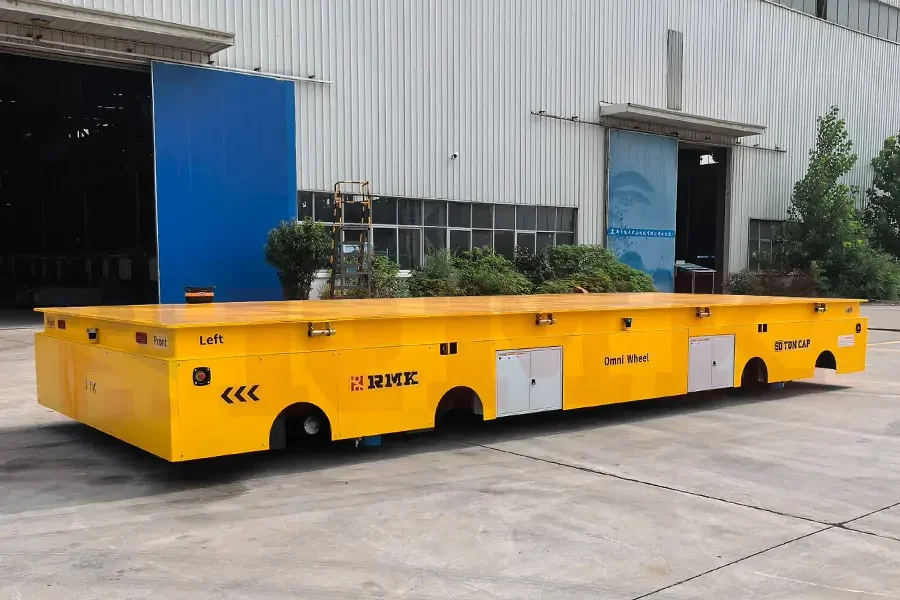
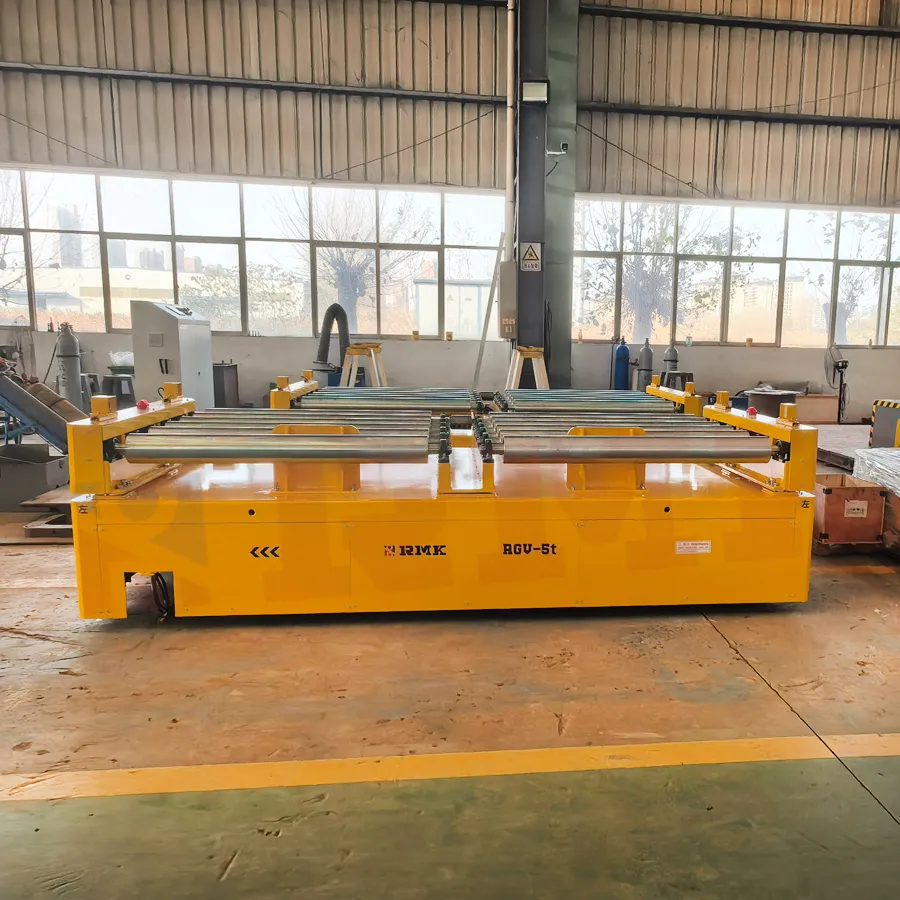
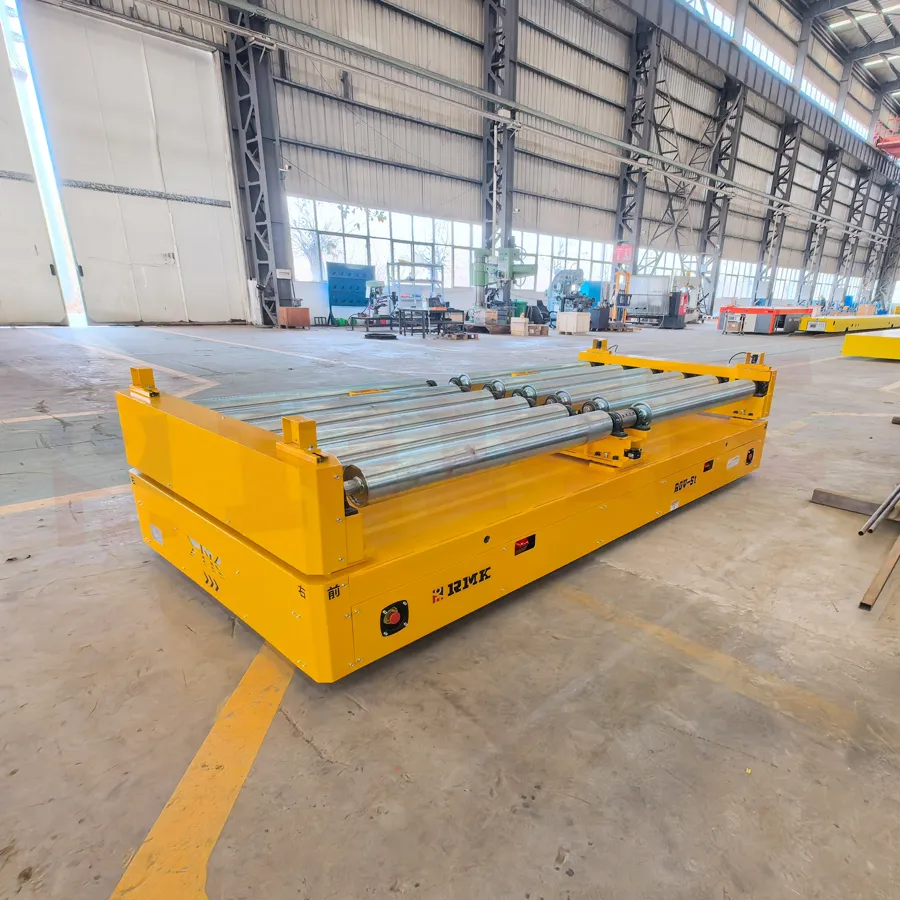
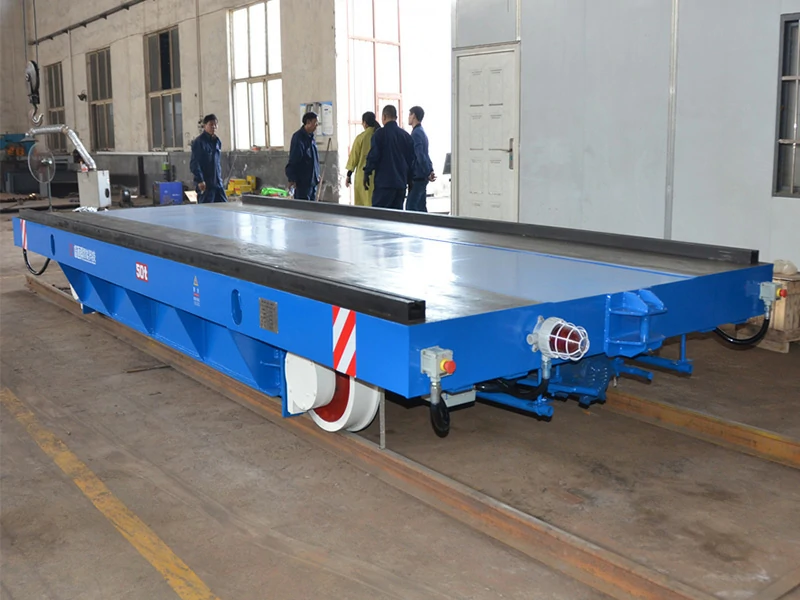
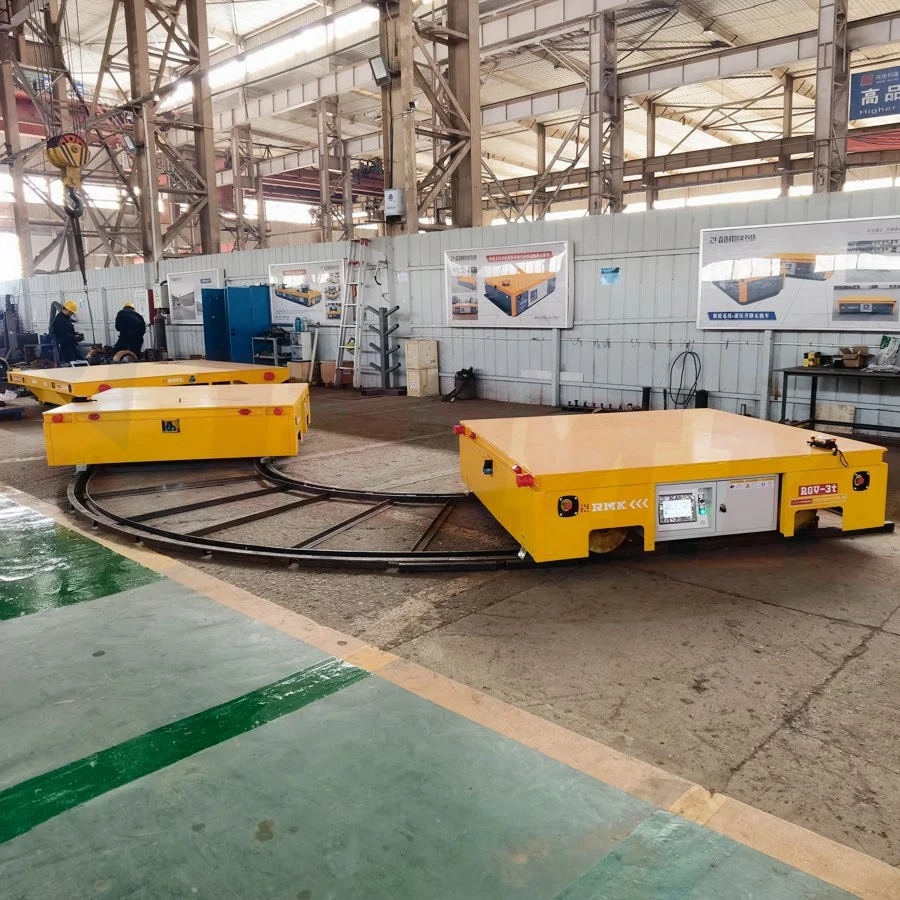
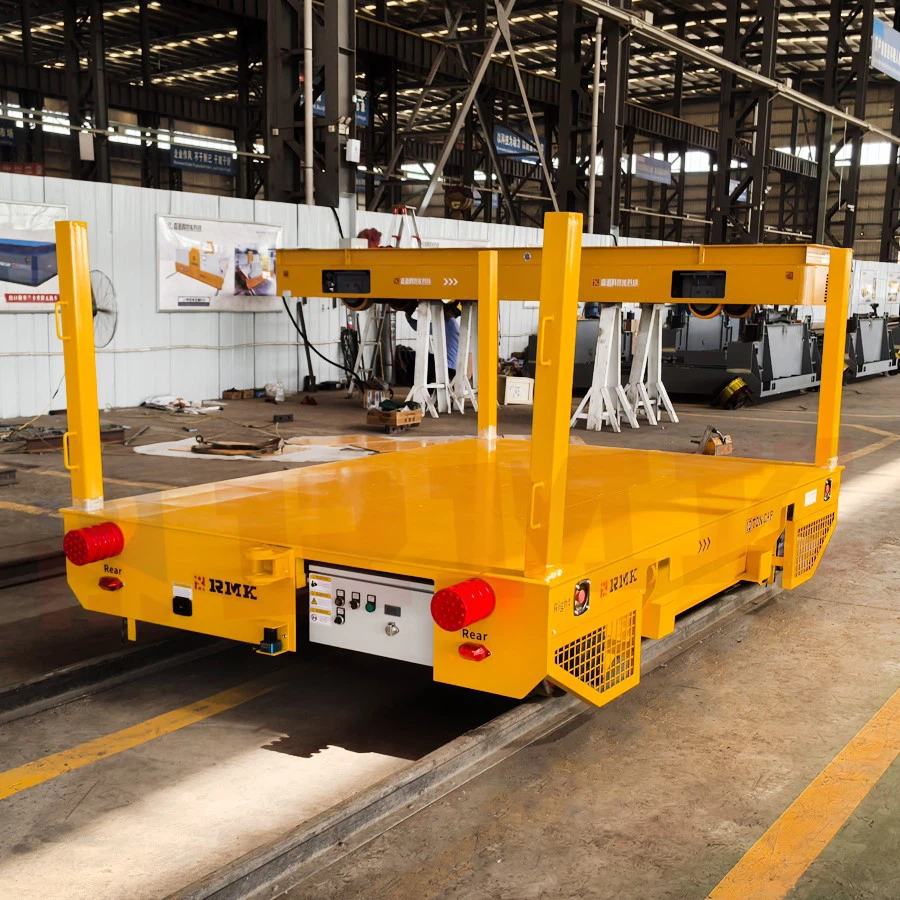
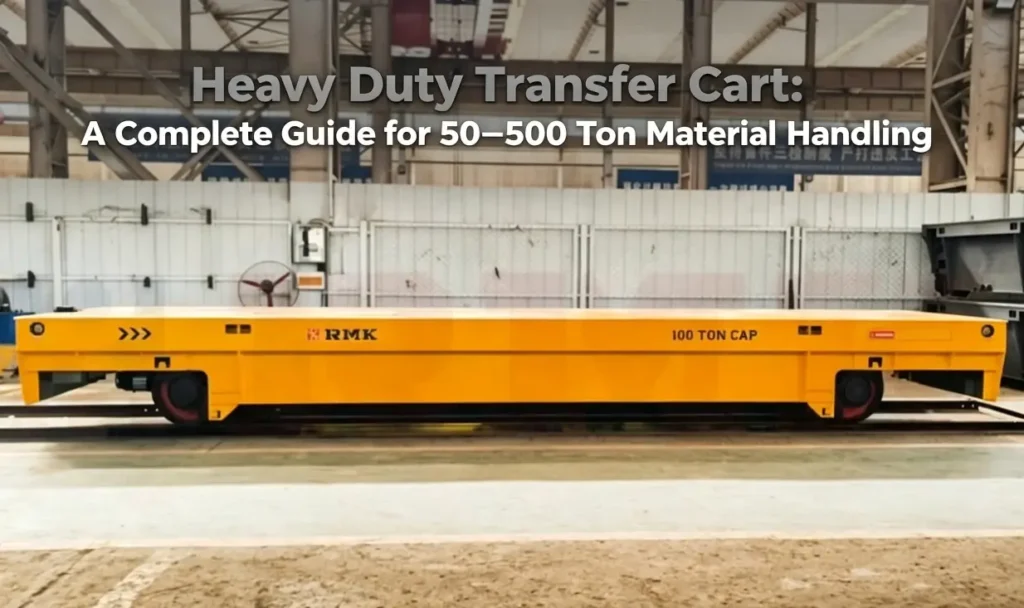
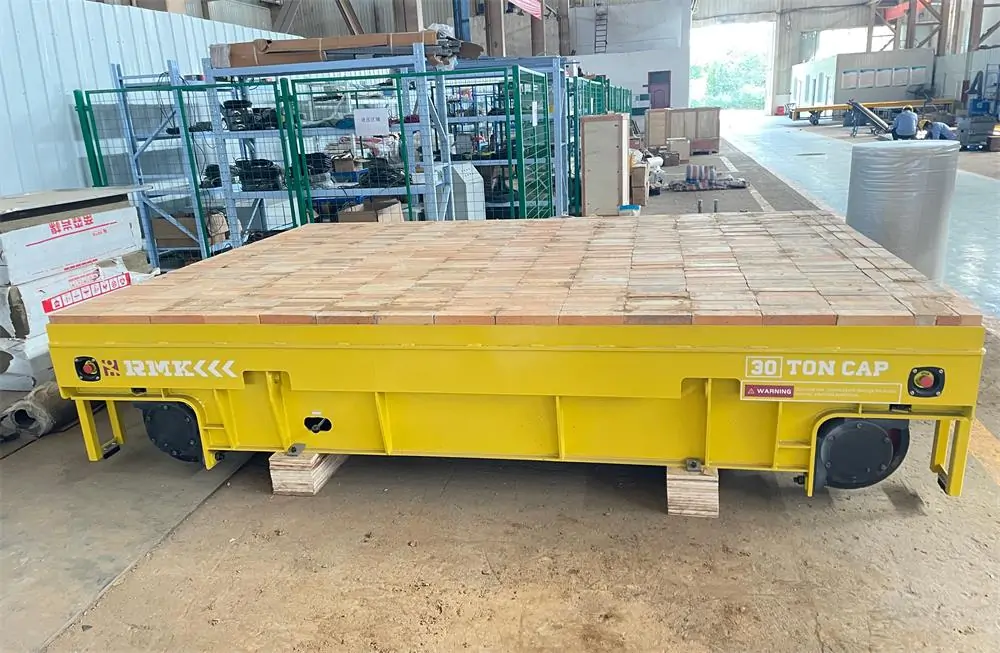
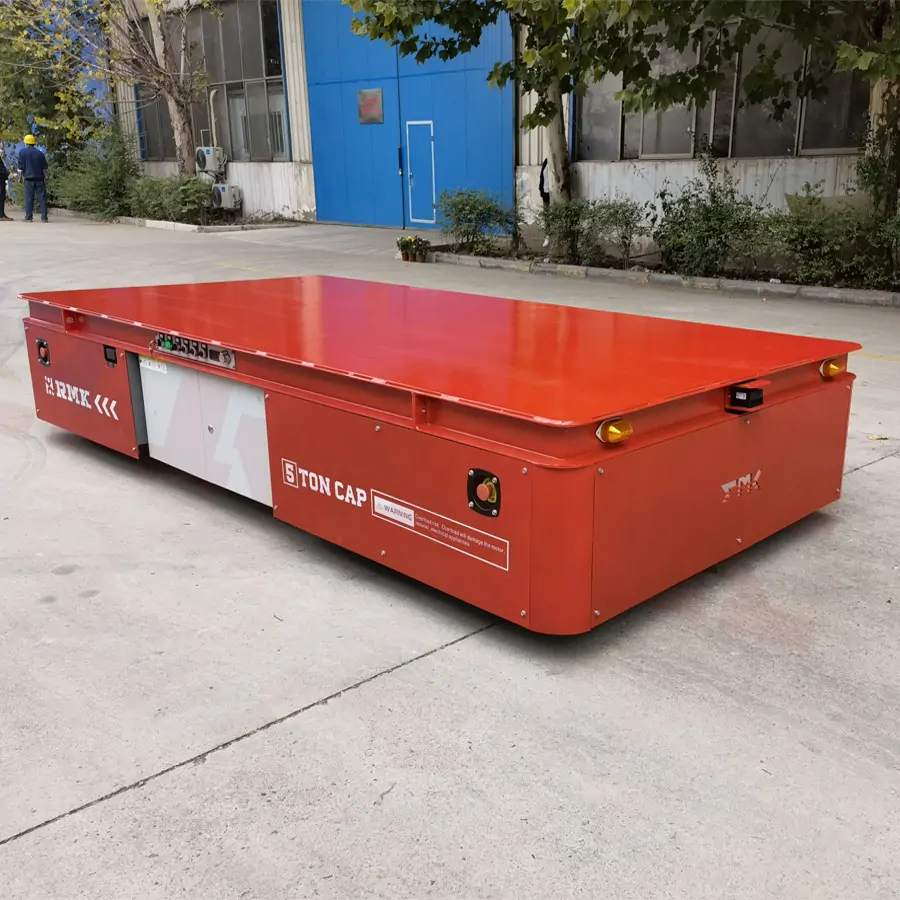
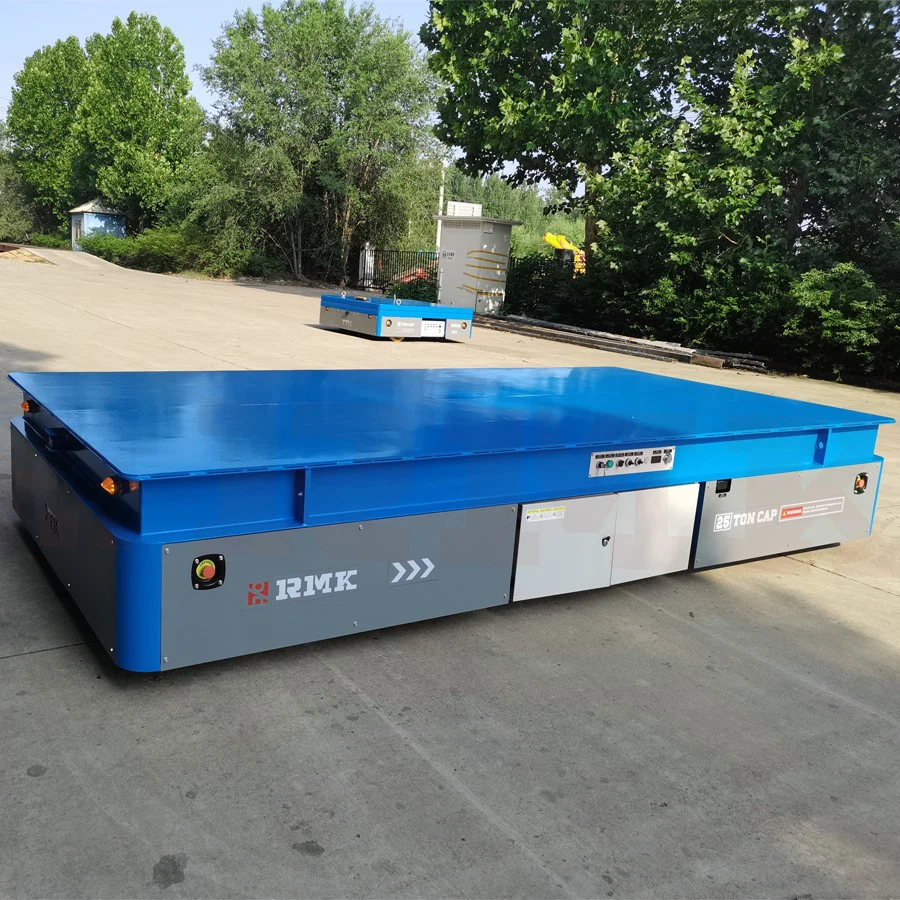
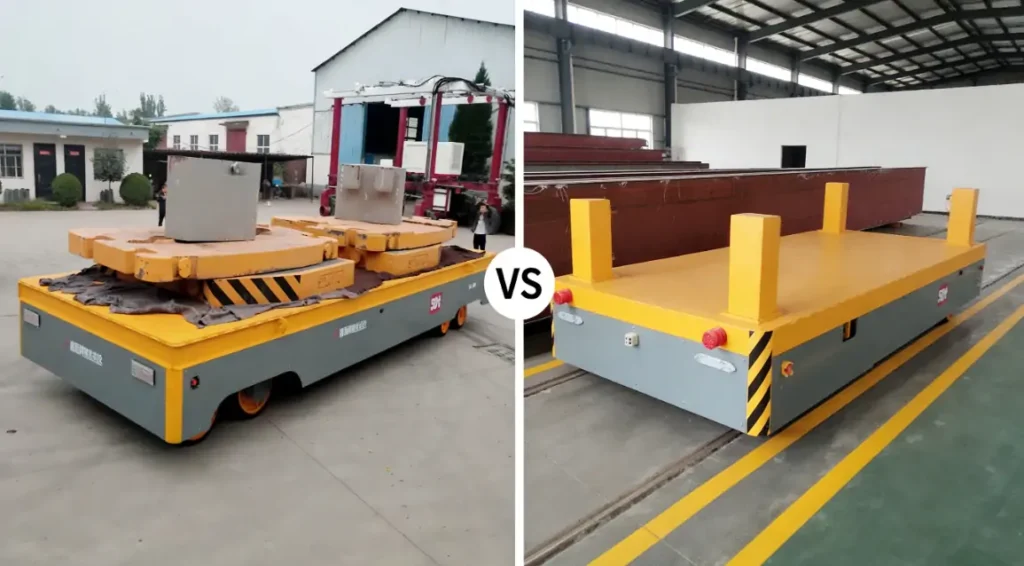
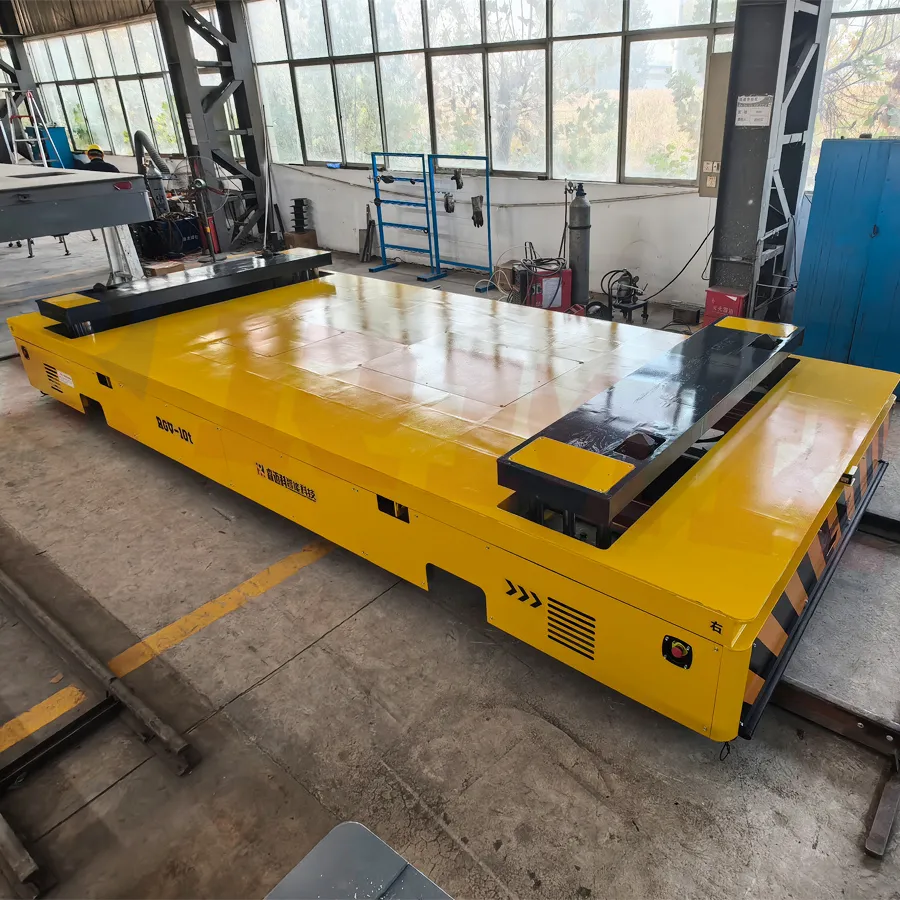
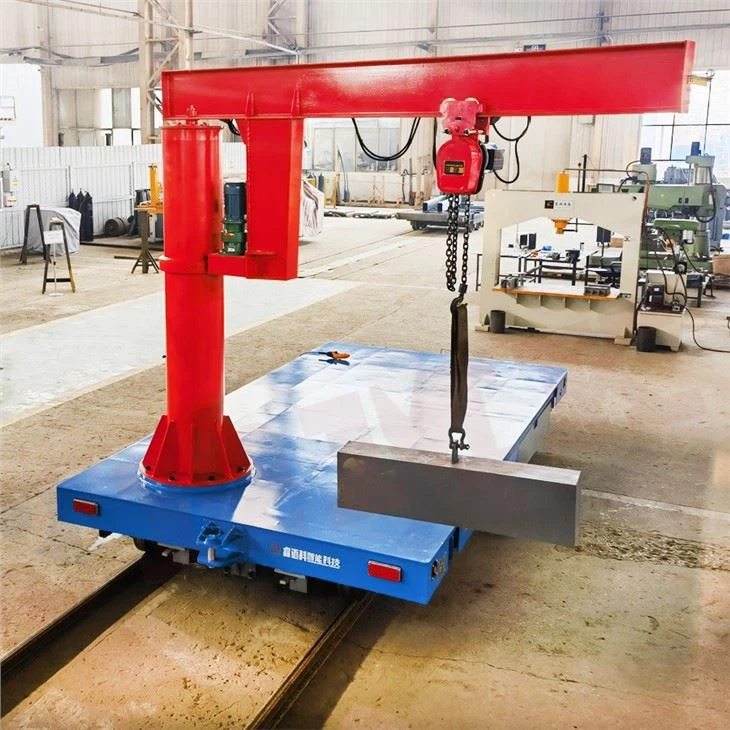
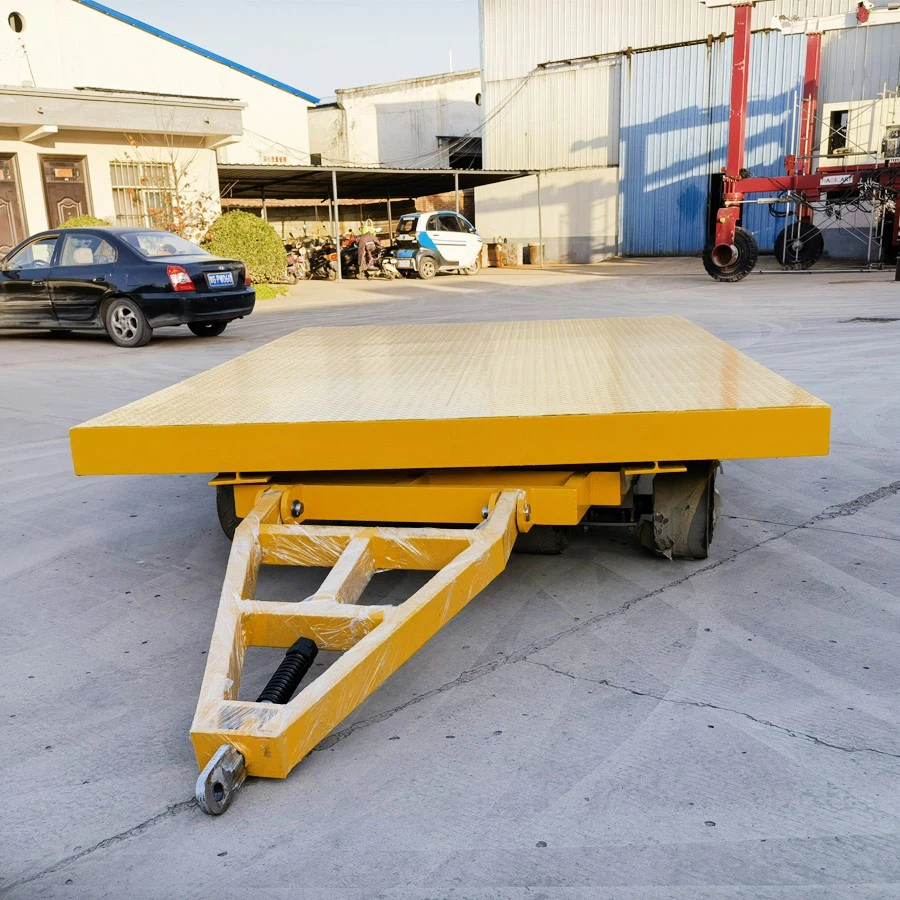
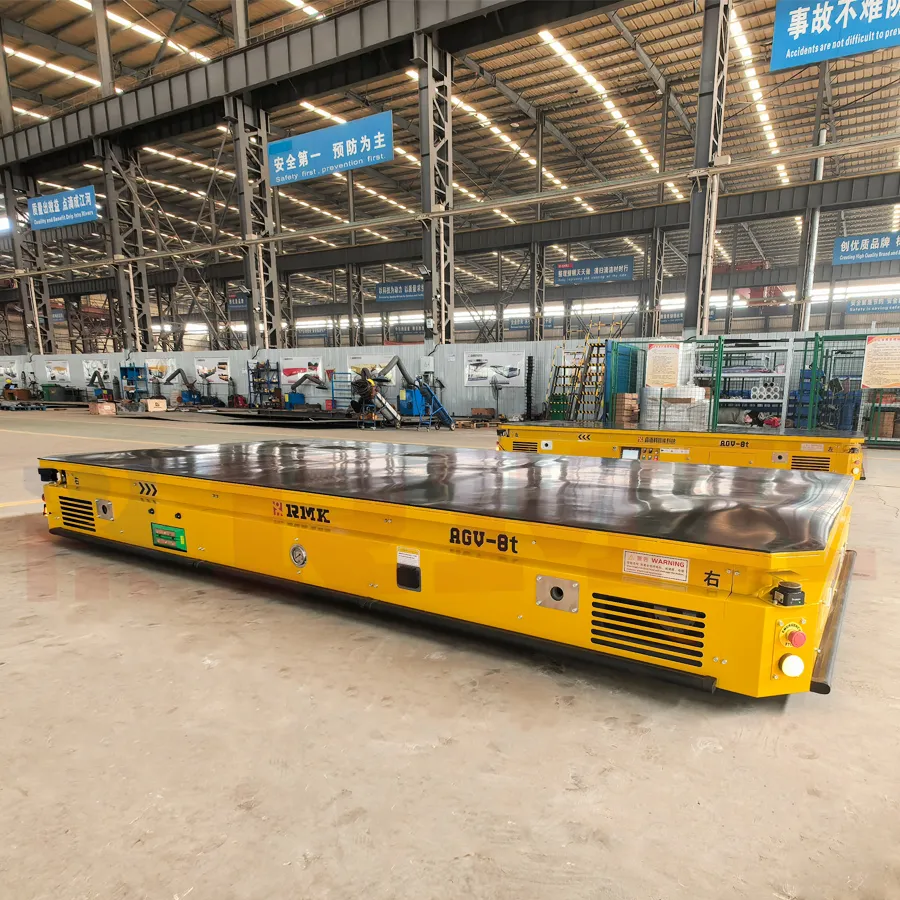
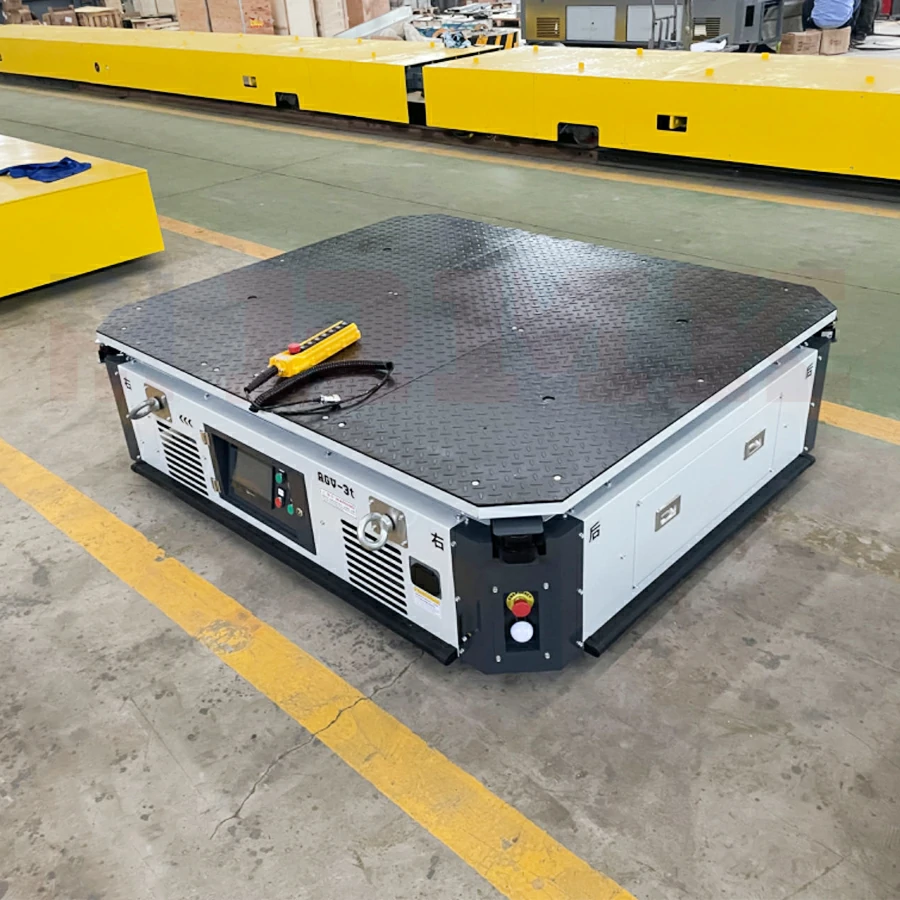
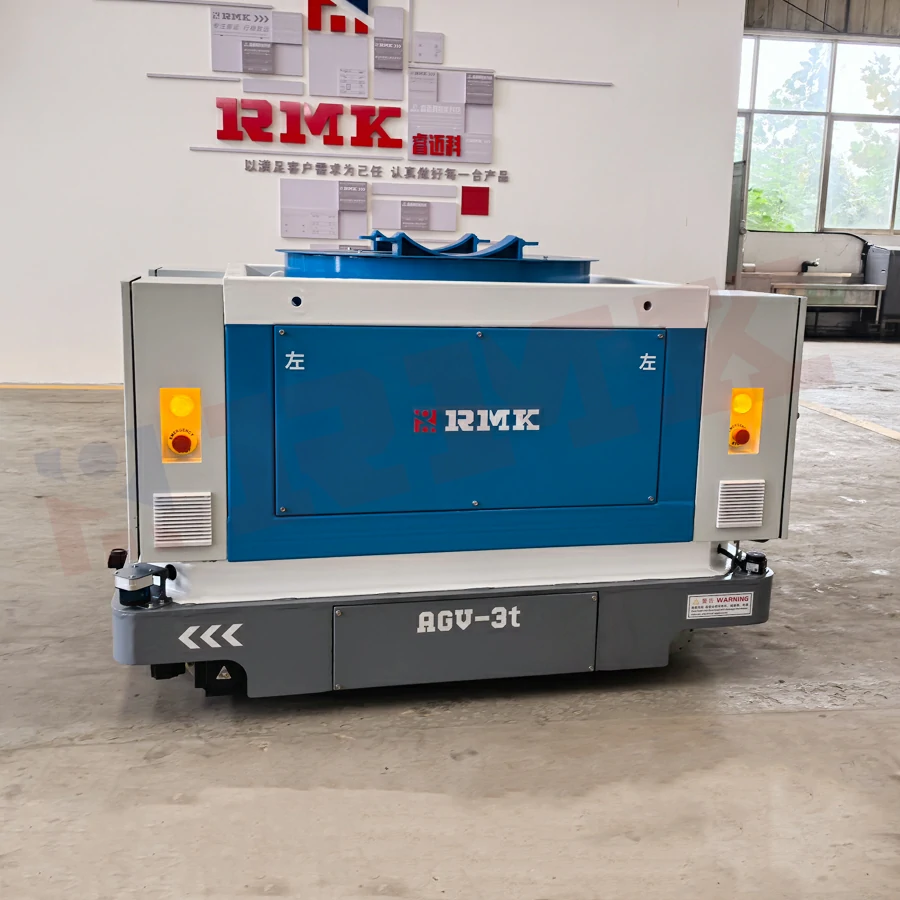
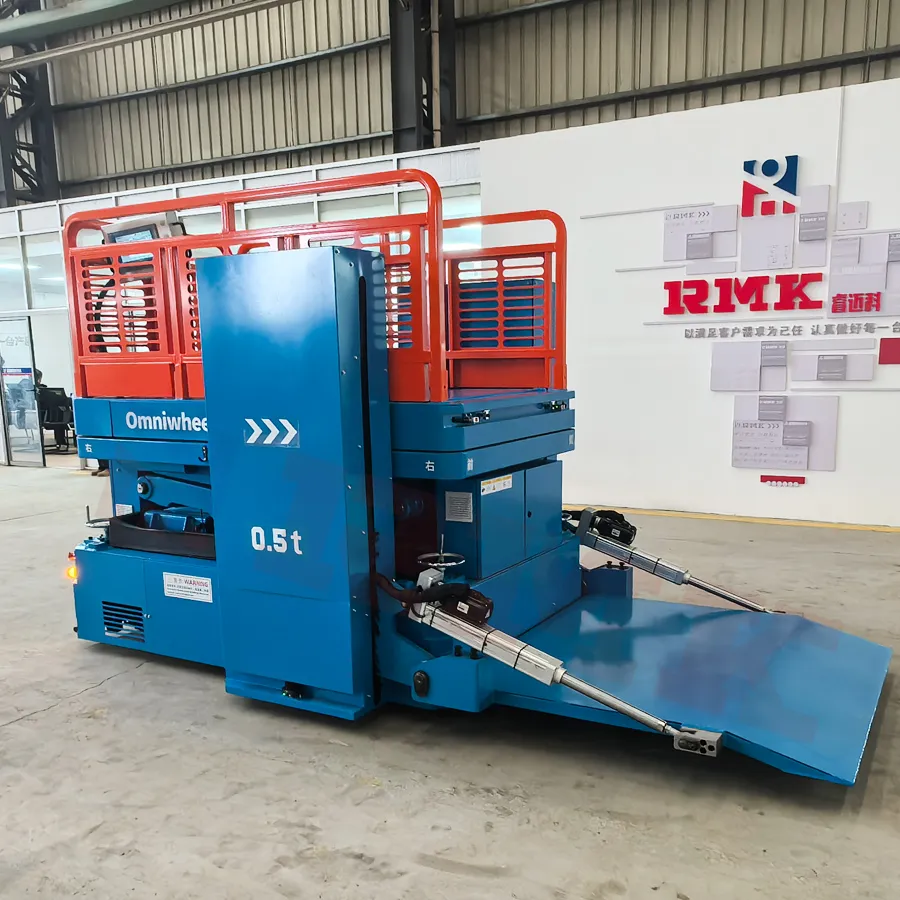
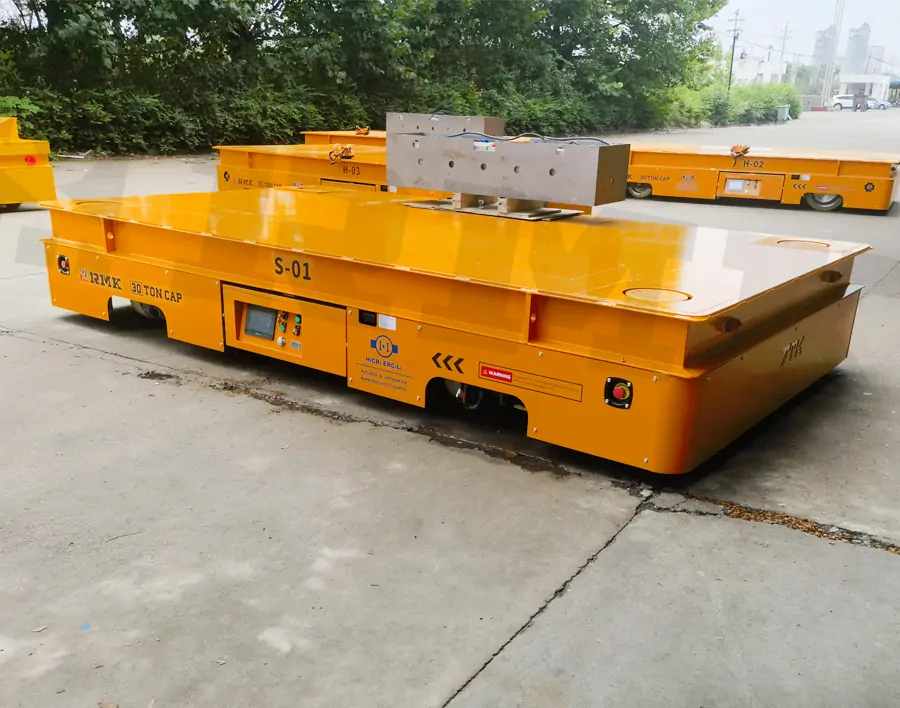
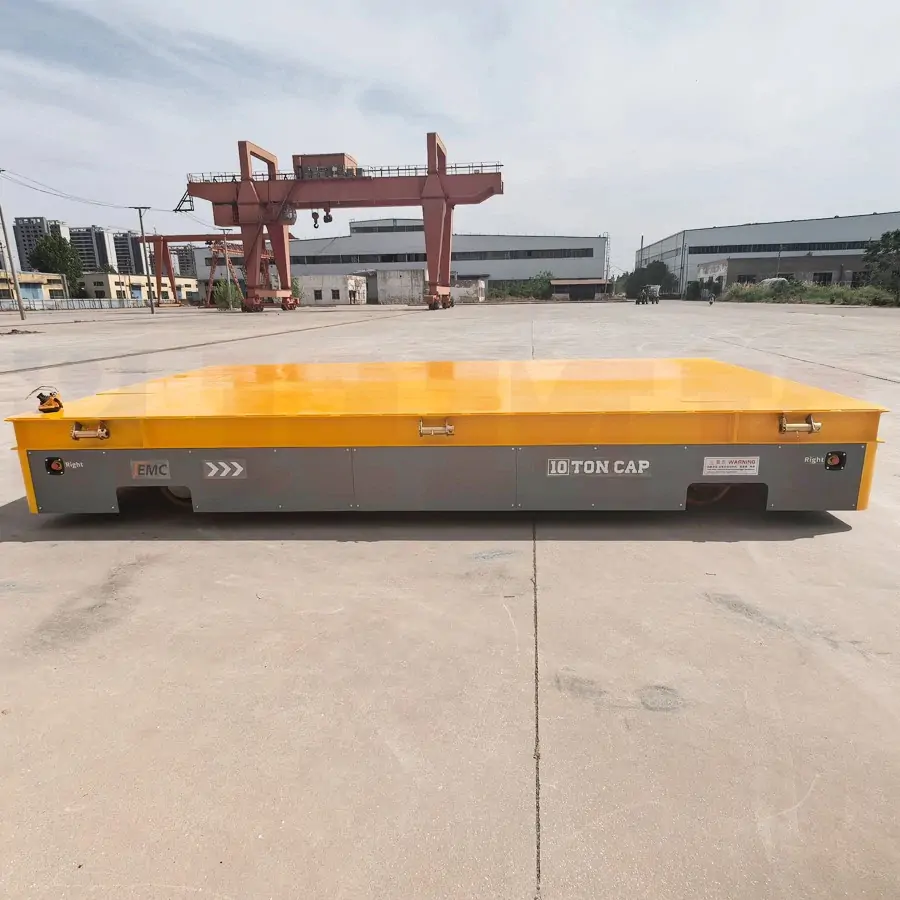
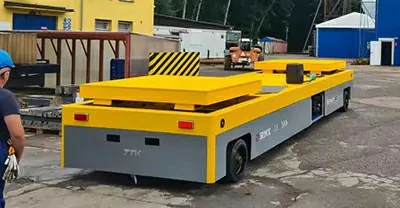
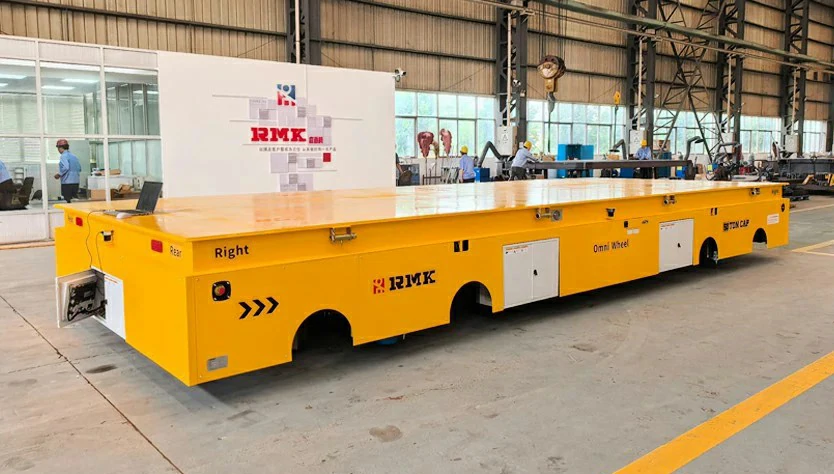
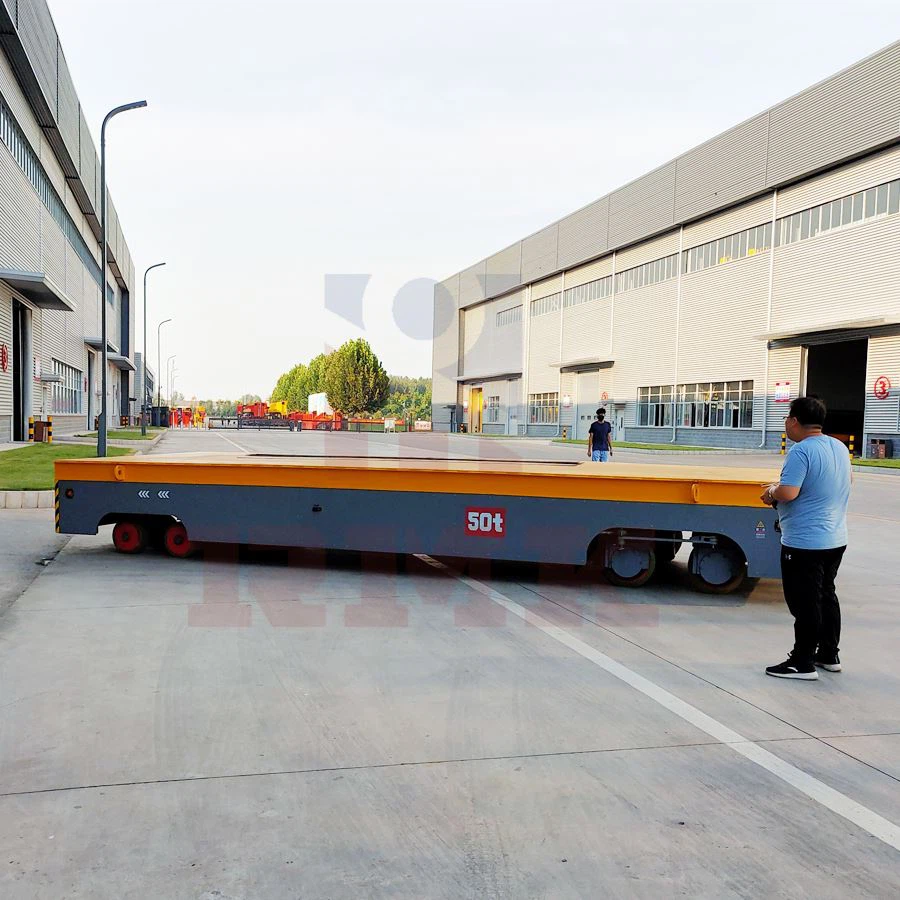
Quando uma siderúrgica ou planta de manufatura pesada planeja adquirir um Carrinho de Transferência de Carga Pesada, a maior preocupação geralmente não é o preço.
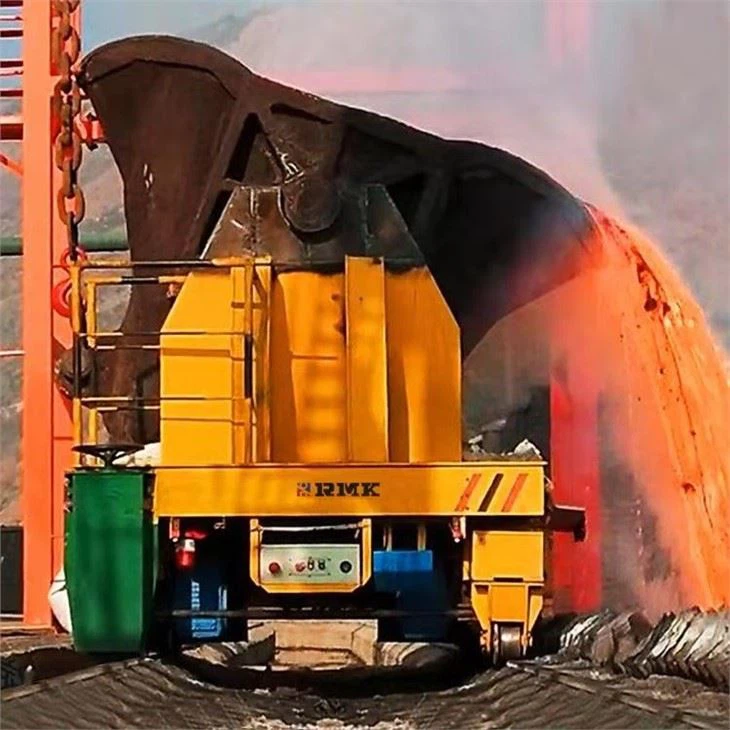
Uma carga de 70 a 90 toneladas movendo-se por uma oficina com alta umidade, sistemas de limpeza alcalina e ciclos de produção contínuos não deixa margem para fraqueza estrutural ou instabilidade de acionamento.
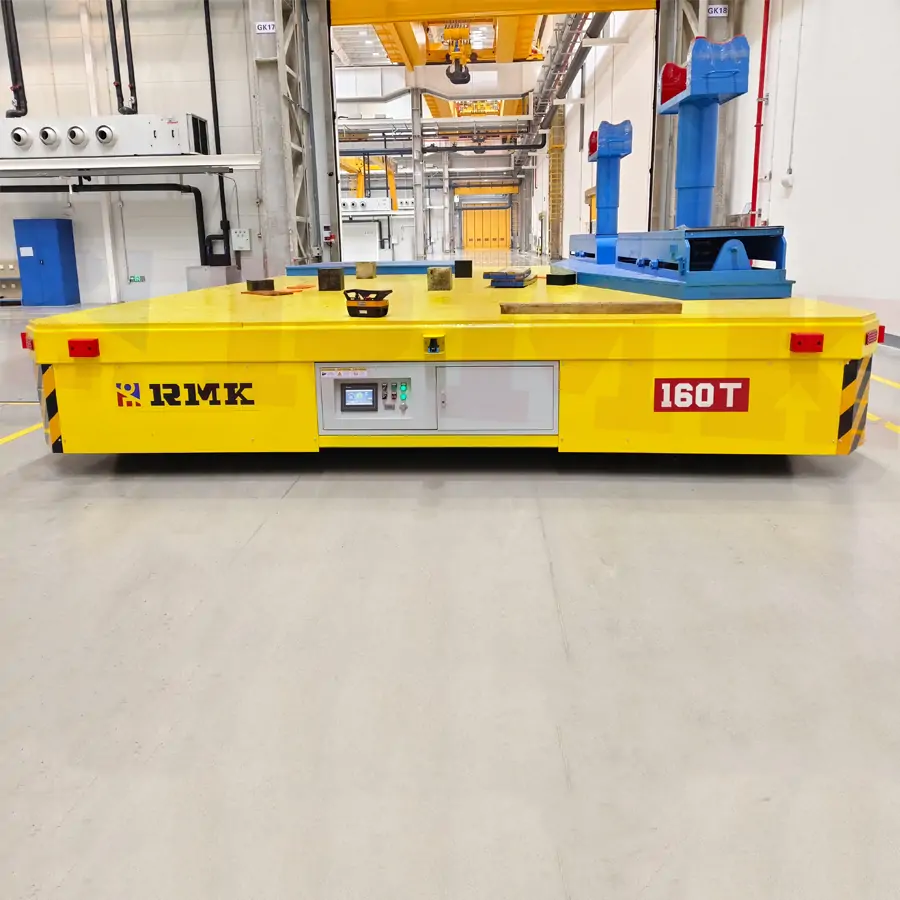
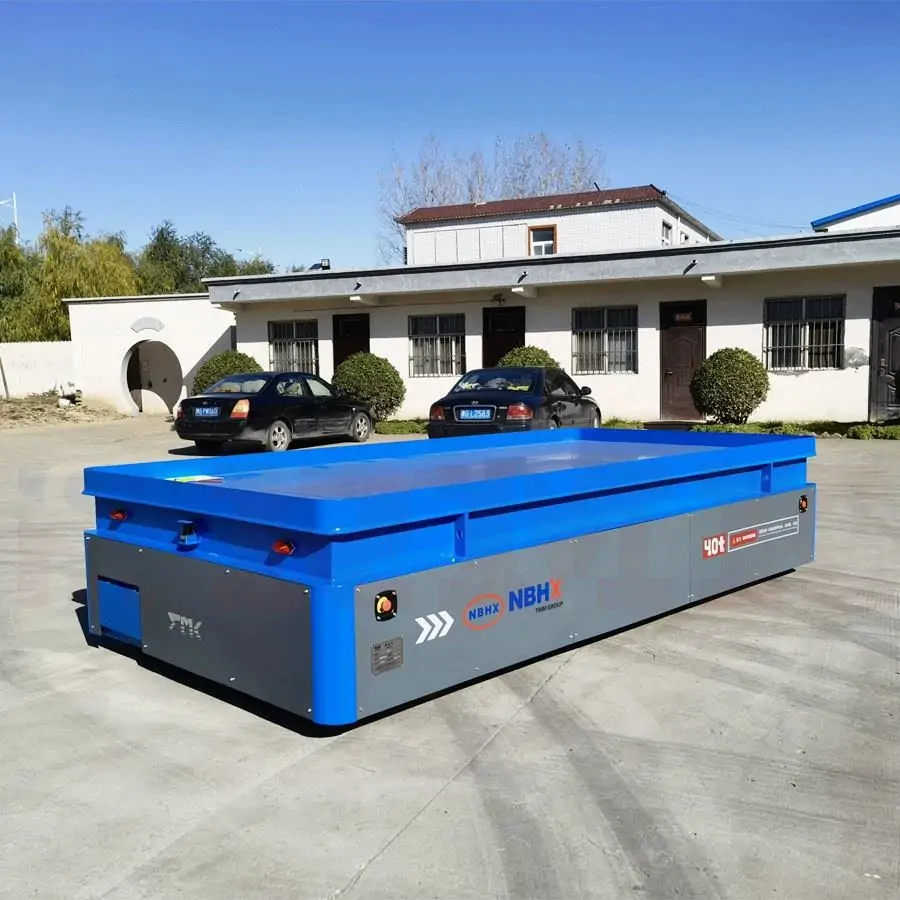
Este artigo explica como definir corretamente os requisitos técnicos de um Carrinho de Transferência de Carga Pesada usado para transportar suportes de laminadores e componentes industriais ultra-pesados similares — e no que as equipes de compras devem focar antes de assinar um contrato.
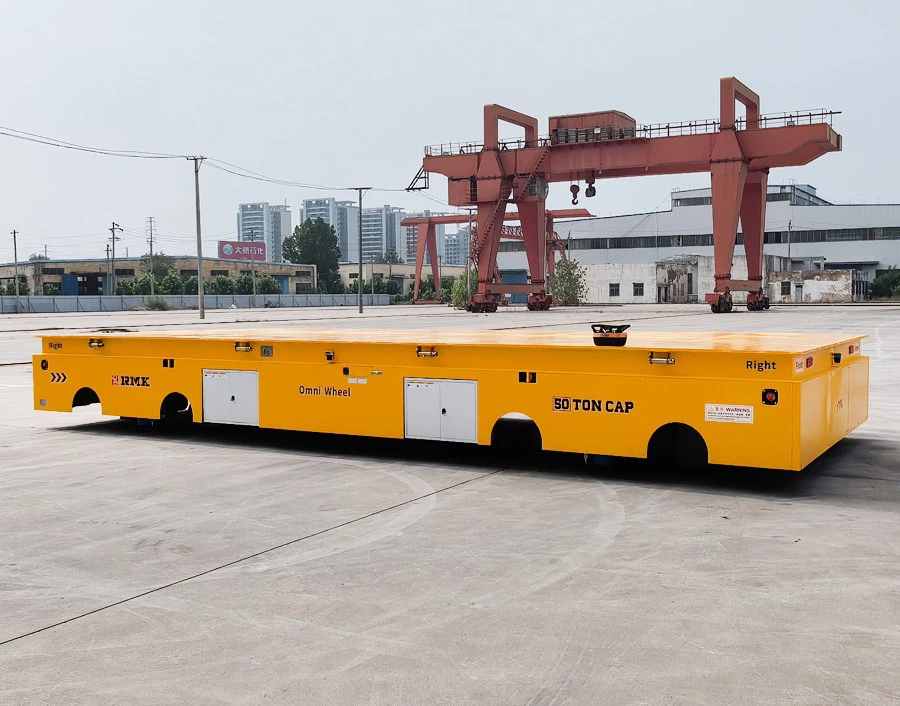
Por que Carrinhos de Transferência Padrão Falham na Indústria Pesada
Muitos compradores industriais subestimam a diferença entre um carrinho de transferência motorizado padrão e um sistema de carrinho de transferência verdadeiramente pesado.
Em ambientes pesados de produção de aço, o equipamento deve suportar:
- Operação contínua (16 horas por dia, mais de 300 dias por ano)
- Exposição repetida a uma solução de limpeza alcalina a 60°C
- Alta umidade de até 95%
- Cargas próximas a 70 toneladas
- Ciclos repetitivos de partida-parada (3 viagens de ida e volta por hora)
Um carrinho elétrico plano convencional pode mover a carga uma ou duas vezes, mas deformação estrutural de longo prazo, desgaste das rodas e superaquecimento do motor tornam-se riscos importantes.
Um Carrinho de Transferência de Carga Pesada devidamente projetado deve ser concebido desde a estrutura para este ambiente.
Projeto Estrutural que Determina a Vida Útil
Para aplicações industriais de 70 a 90 toneladas, a resistência da estrutura não é opcional — é a base da segurança.
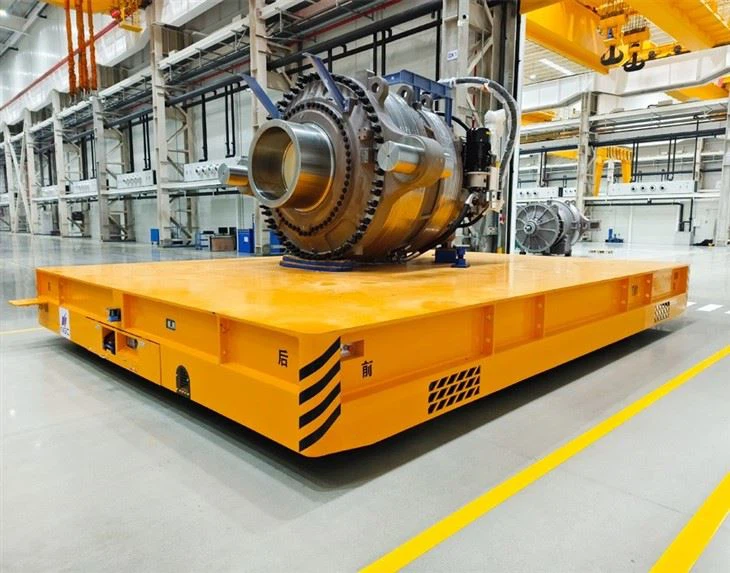
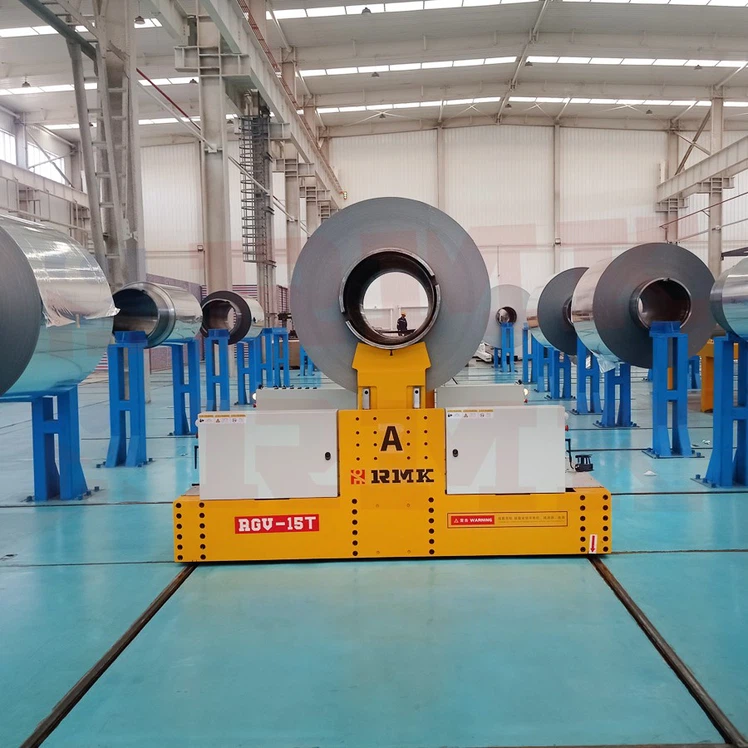
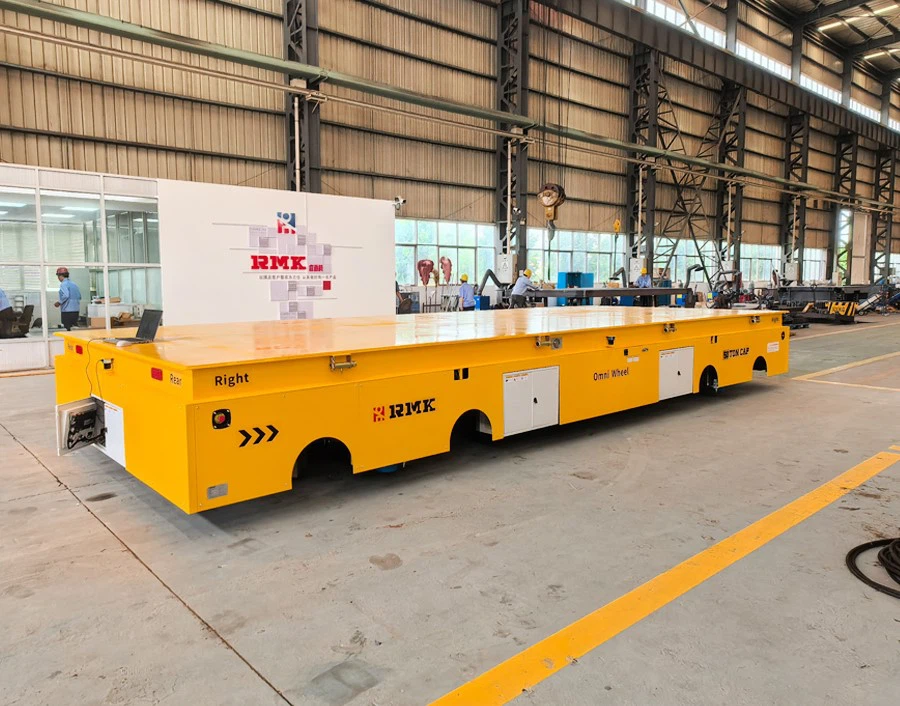
O Carrinho de Transferência de Carga Pesada descrito aqui adota:
- A estrutura rígida de viga soldada é fabricada usando tecnologia de soldagem a laser .
- Aço estrutural de baixa liga Q355B
- Jateamento mecânico antes da soldagem
- Jateamento de areia após a fabricação
- Revestimento anticorrosivo para exposição alcalina
- Fator de segurança de sobrecarga de 1:1,2
- Deformação permanente zero sob carga nominal
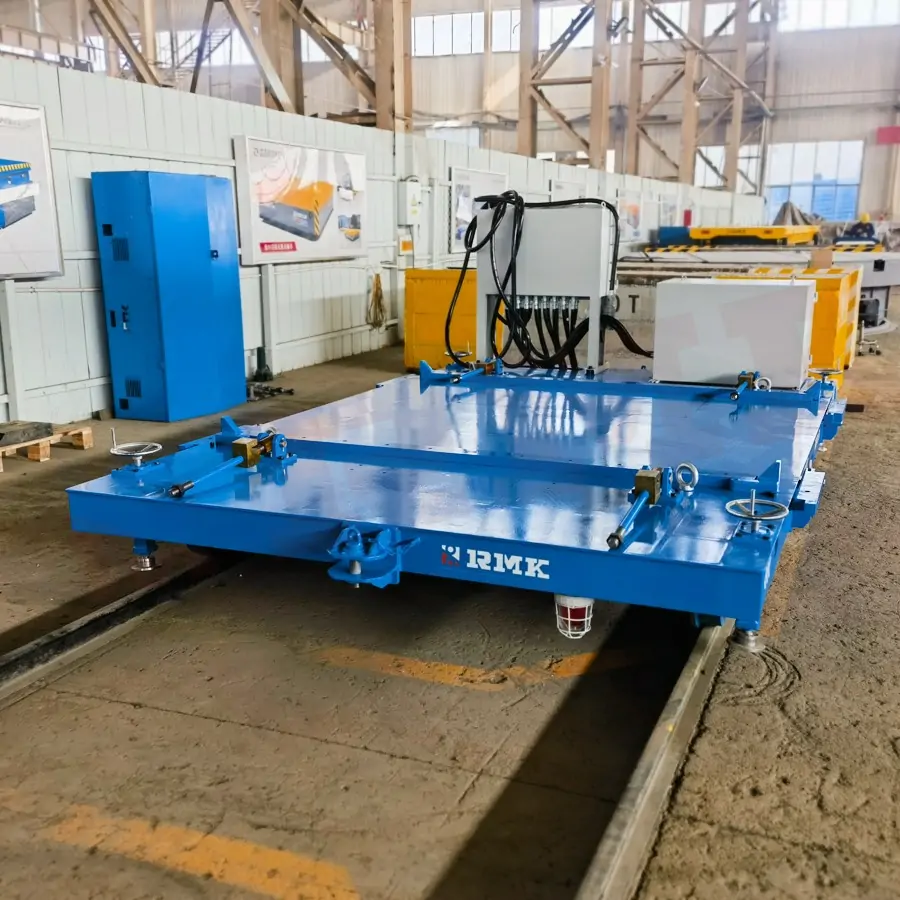
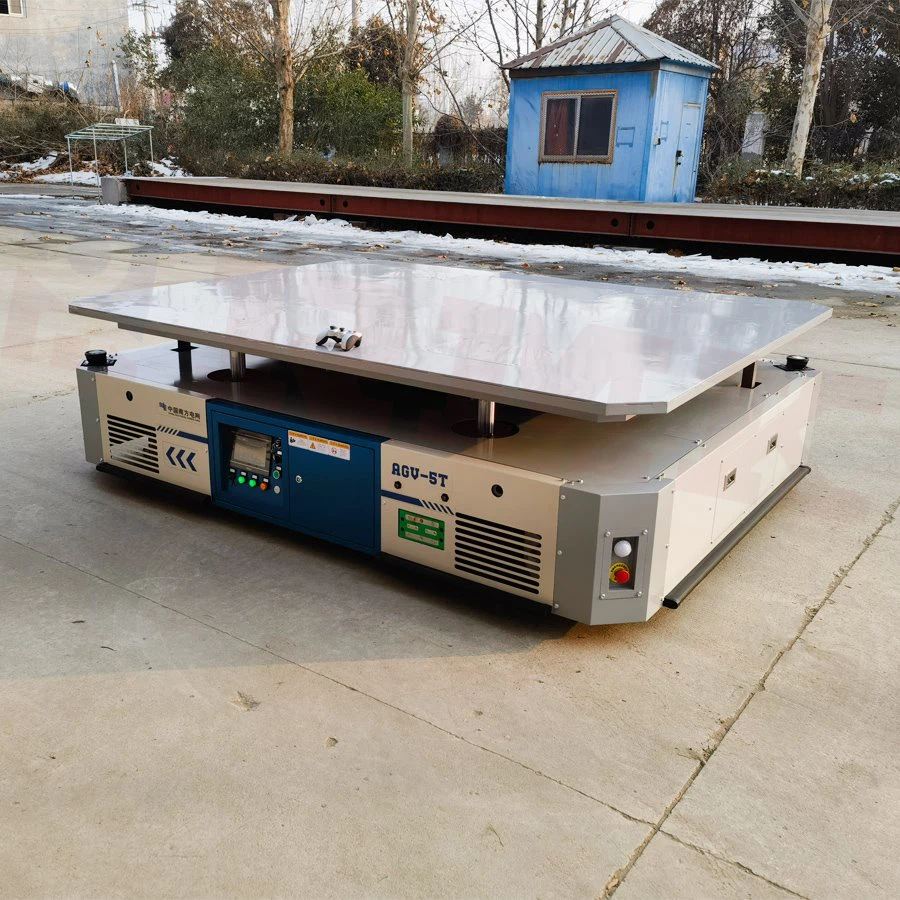
A plataforma de mesa giratória inclui blocos de guia de posicionamento e proteção anti-tombamento. Isso é crítico ao transportar suportes de laminadores, onde o alinhamento inadequado pode causar instabilidade da carga durante a elevação.
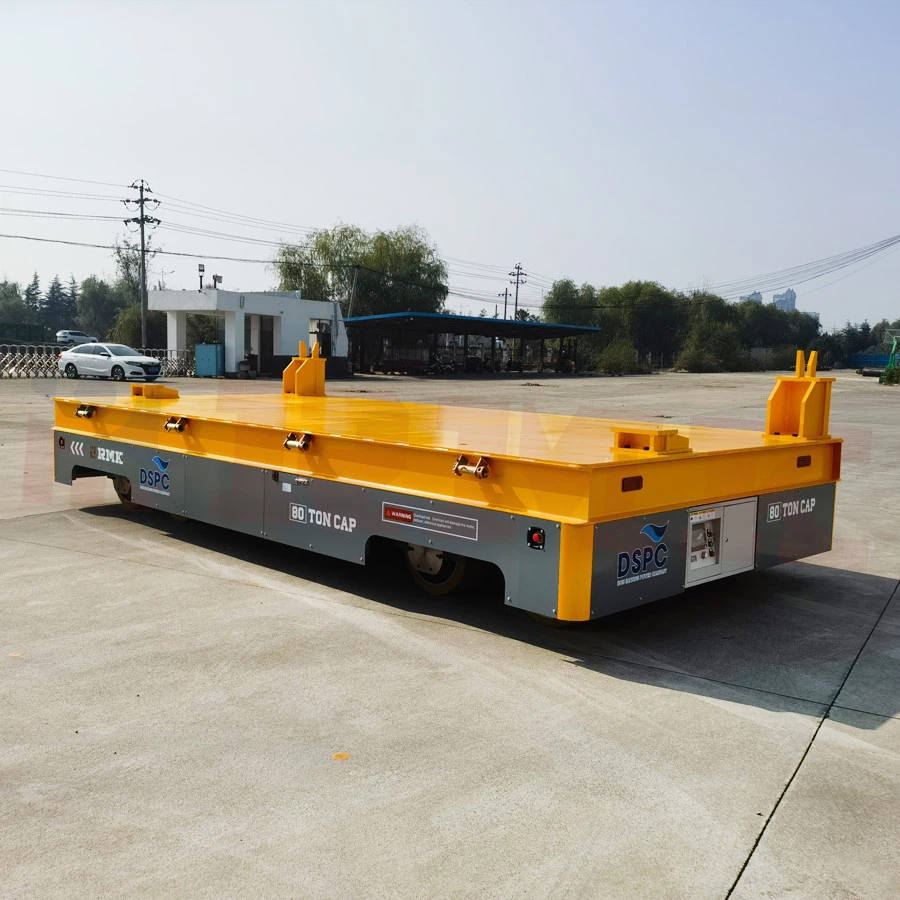
As equipes de compras devem sempre confirmar se o fornecedor garante nenhuma deformação estrutural sob carga total.
Parâmetros Técnicos Chave para um Carrinho de Transferência de Carga Pesada de 90 Toneladas
| Item | Especificação |
|---|---|
| Mesa de Transporte | 4m × 3,9m |
| Mesa Giratória | 3,8m × 3,8m |
| Altura Total | ≤1m |
| Carga Máxima | 70 toneladas |
| Distância de Operação | 36m |
| Velocidade de Deslocamento | 10 m/min (ajustável) |
| Velocidade de Rotação | 2 rpm |
| Fonte de alimentação | Corrente de arrasto de cabo trifásico 380V |
| Modo de Controle | Controle remoto sem fio |
| Frenagem | Frenagem eletromagnética do motor |
| Peso Próprio | ≥10 toneladas |
| Ciclo de Trabalho | 3 ciclos/hora, 16h/dia |
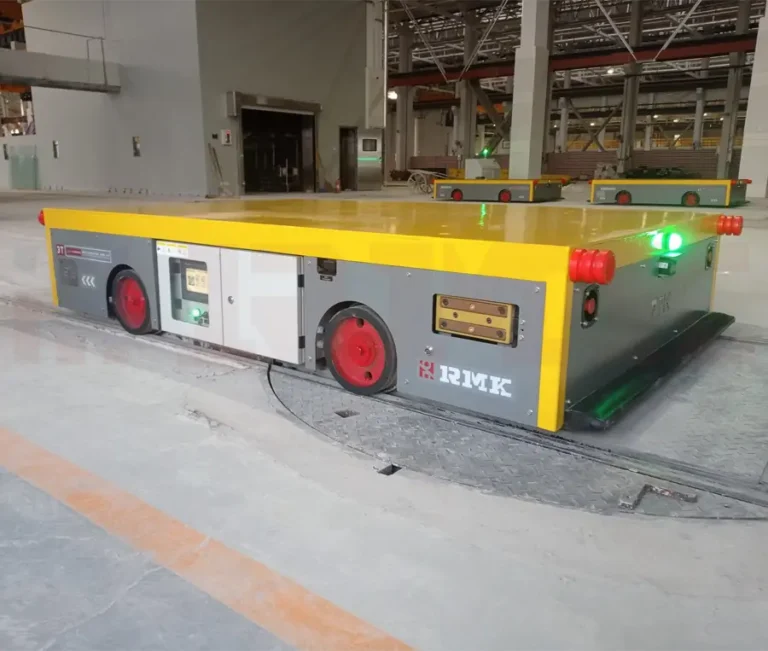
Esses parâmetros são típicos para um sistema de carrinho de transferência sobre trilhos operando dentro de oficinas de siderúrgicas.
Estabilidade do Sistema de Acionamento em Operação de Alta Frequência
Um Carrinho de Transferência de Carga Pesada deve manter movimento estável sob alta resistência ao rolamento e ciclos de trabalho repetitivos.
Os requisitos chave incluem:
- Rodas forjadas padrão de ponte rolante (42CrMo ou superior)
- Dureza da roda 302–341HB
- Profundidade da camada endurecida 15–20mm
- Controle rigoroso de tolerância de alinhamento das rodas
- Varredores de detritos para proteger os trilhos
- Motor servo de marca
- Proteção IP65 para motor e redutor
- Elevação de temperatura do motor ≤60°C
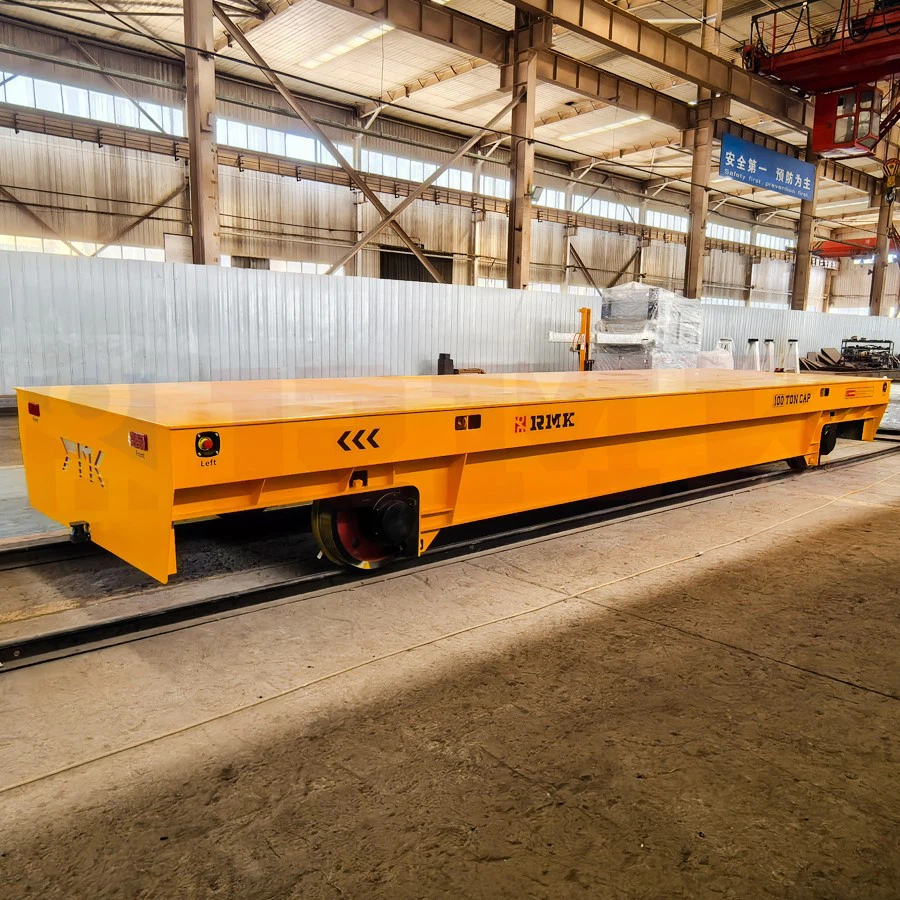
Sem controle adequado de dureza e alinhamento das rodas, o desgaste irregular causará vibração, danos aos trilhos e falha mecânica de longo prazo.
Em sistemas de carrinho de transferência industrial de alta carga, a engenharia das rodas impacta diretamente o custo total do ciclo de vida.
A Resistência Ambiental Importa Mais que a Velocidade
Neste cenário de projeto, o Carrinho de Transferência de Carga Pesada permanece em um ambiente de limpeza fracamente alcalino a 60°C por aproximadamente 16 minutos por ciclo.
Ao longo de um ano, isso significa milhares de ciclos de exposição.
Se a proteção contra corrosão for insuficiente:
- O revestimento da estrutura irá descascar
- Os rolamentos podem corroer
- Os sistemas elétricos podem falhar prematuramente
Portanto, o tratamento anticorrosivo e a proteção selada do acionamento não são recursos opcionais — são necessidades de projeto.
Requisitos de Conformidade e Inspeção
Um Carrinho de Transferência de Carga Pesada usado na indústria pesada deve estar em conformidade com:
- Normas de segurança elétrica GB 5226
- Condições técnicas JB/T 6127 para carrinhos elétricos planos
- Normas ISO, IEC ou DIN aplicáveis quando necessário
Antes do embarque, a inspeção de fábrica e o teste de carga devem ser concluídos. Documentação técnica, relatórios de inspeção e certificados de qualificação devem ser entregues com o equipamento.
As equipes de compras devem solicitar testes de aceitação de fábrica para reduzir o risco pós-instalação.
O que as Equipes de Compras Devem Confirmar Antes da Compra
Antes de aprovar um fornecedor de Carrinho de Transferência de Carga Pesada, confirme:
- Garantia de deformação estrutural sob carga nominal
- Fator de segurança de sobrecarga
- Material da roda e profundidade do tratamento térmico
- Marca do motor e grau de proteção
- Processo de proteção contra corrosão
- Suporte de comissionamento no local
- Tempo de resposta da garantia
Em ambientes de manufatura pesada, os custos de parada geralmente excedem o custo do equipamento. A confiabilidade da engenharia deve sempre vir antes das discussões de preço.
Conclusão
Um Carrinho de Transferência de Carga Pesada não é simplesmente uma ferramenta de transporte. É uma parte crítica do gerenciamento de fluxo de material em siderúrgicas e linhas de produção industrial pesada.
Quando devidamente projetado com integridade estrutural, controle de acionamento de precisão e resistência à corrosão, um sistema de carrinho de transferência pesado pode operar com segurança por anos sob condições de trabalho extremas.
Escolher o padrão de projeto correto na fase de especificação é o que determina se o equipamento se torna um ativo de longo prazo — ou um fardo recorrente de manutenção.
Benefícios de Longo Prazo de Escolher um Fabricante Profissional de Carrinhos de Transferência
Ao selecionar um fabricante de carrinhos de transferência, é importante considerar:
- Se o fornecedor é uma fábrica direta
- Capacidades de P&D e personalização
- Suporte para automação inteligente
- Experiência no mercado internacional
Notável não só fornece carrinhos de alta qualidade, mas também soluções completas de movimentação de materiais industriais. Se você precisa de um fabricante confiável de carrinhos de transferência da China, fornecedor de carrinhos de transferência sobre trilhos ou fornecedor de carrinhos de transferência elétricos, a Remarkable é um parceiro de confiança a longo prazo para fábricas em todo o mundo.
Correio eletrónico: transfercart@rmkzn.com
Telefone: +86-18637369355