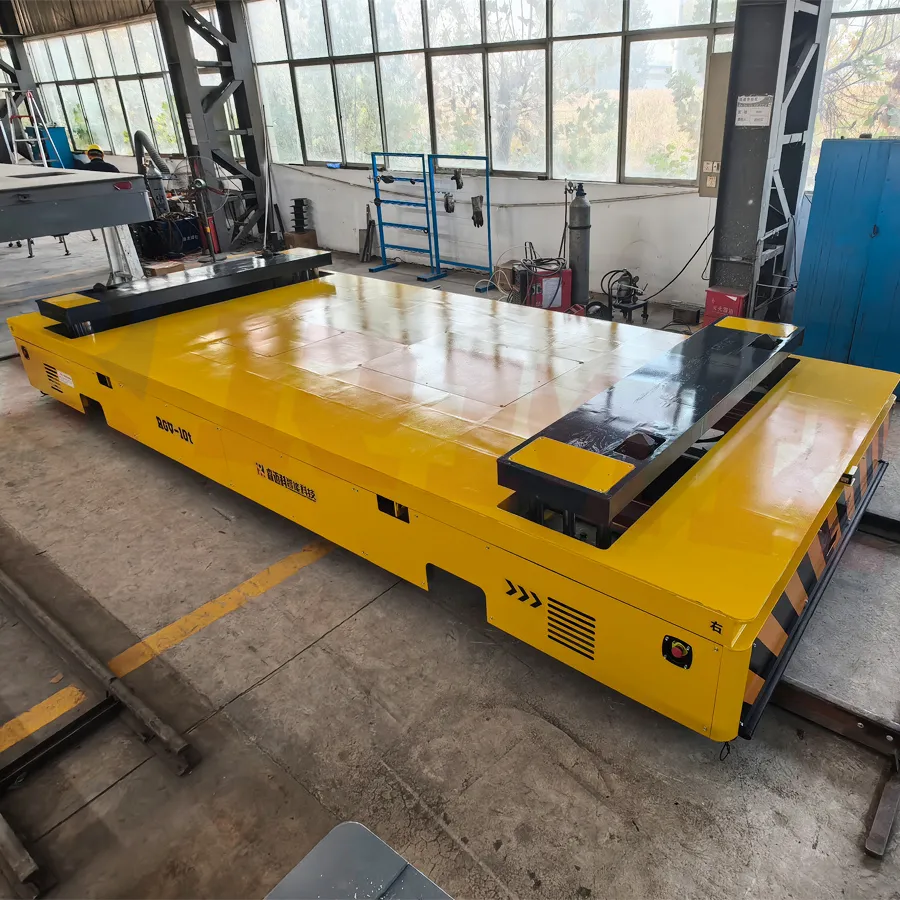
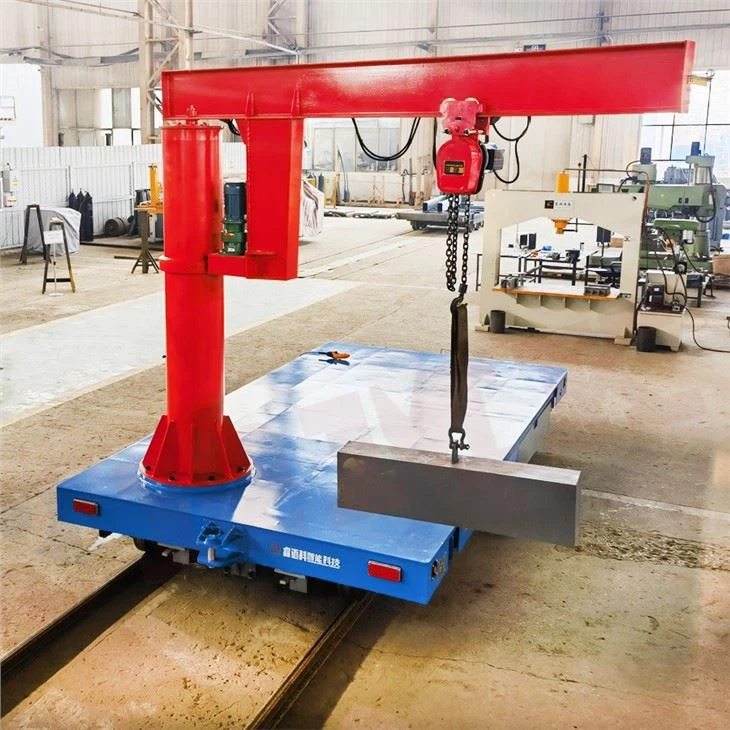
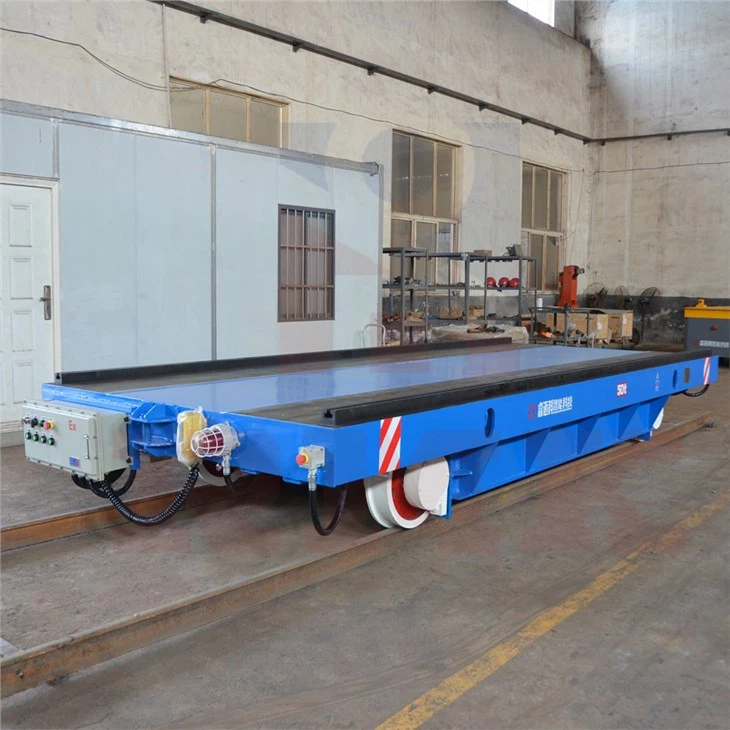
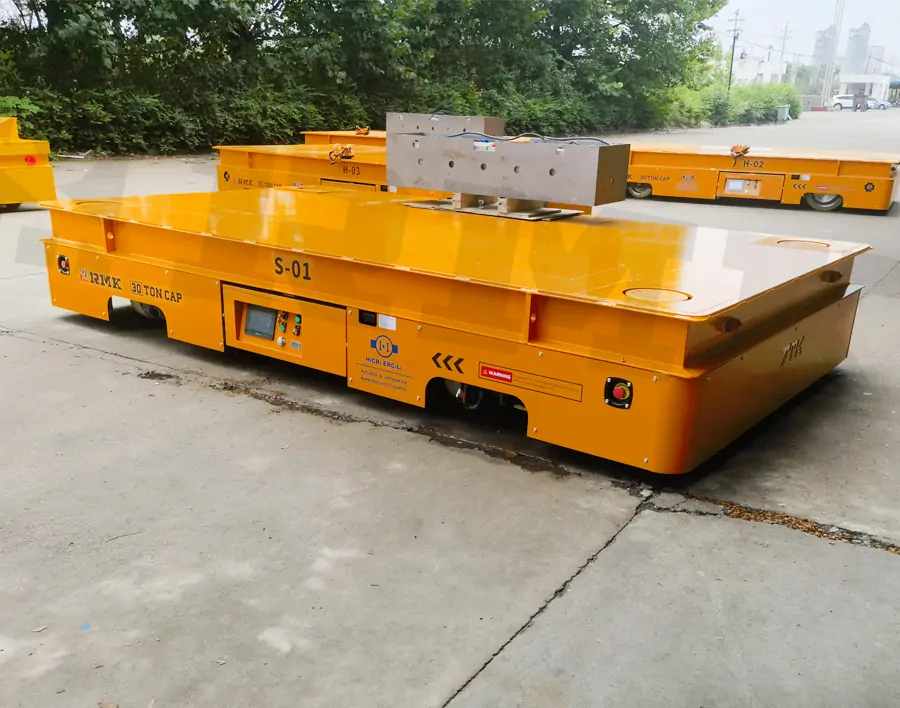
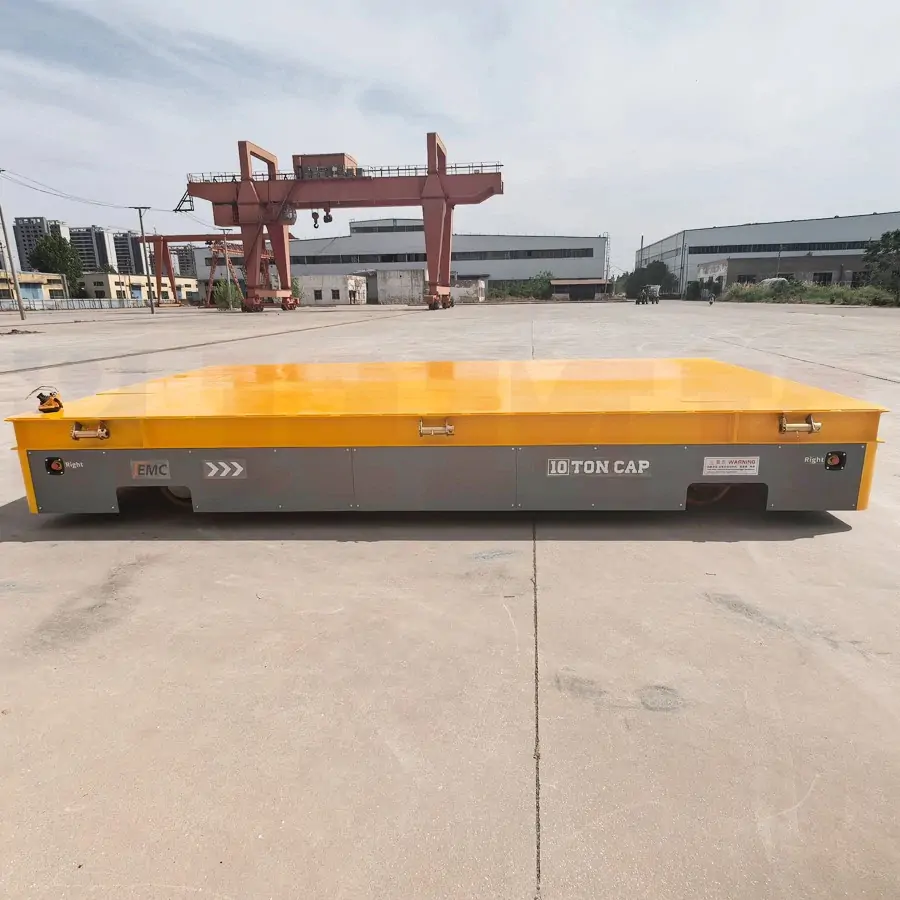
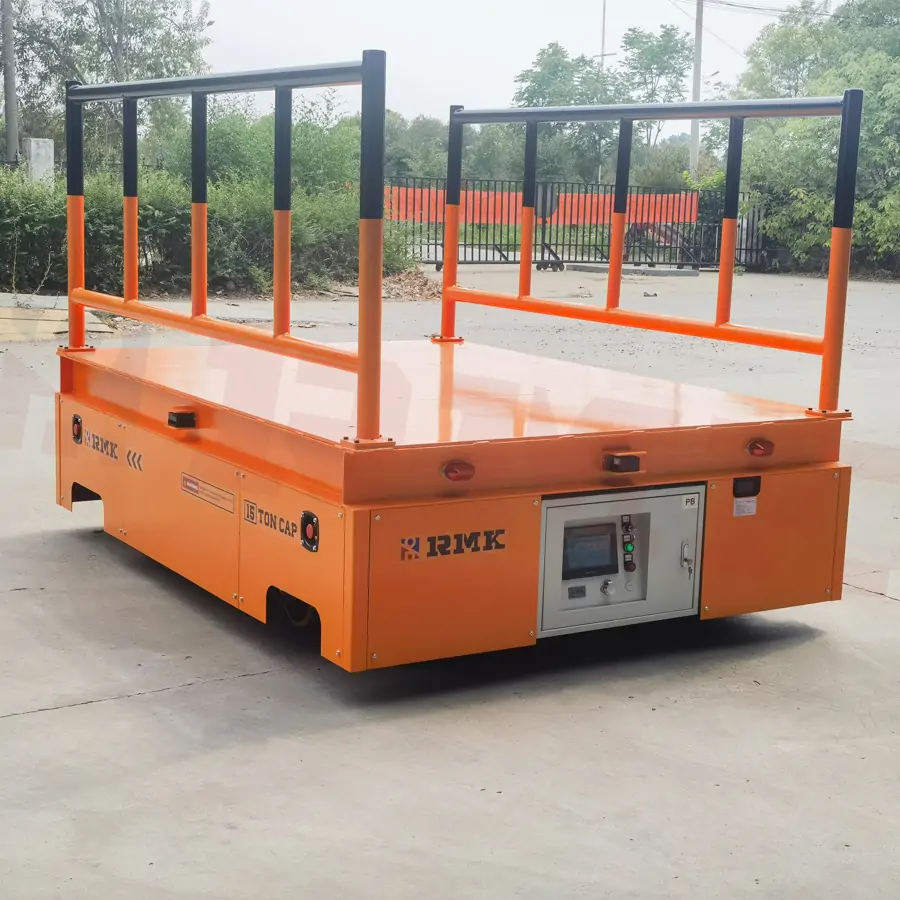
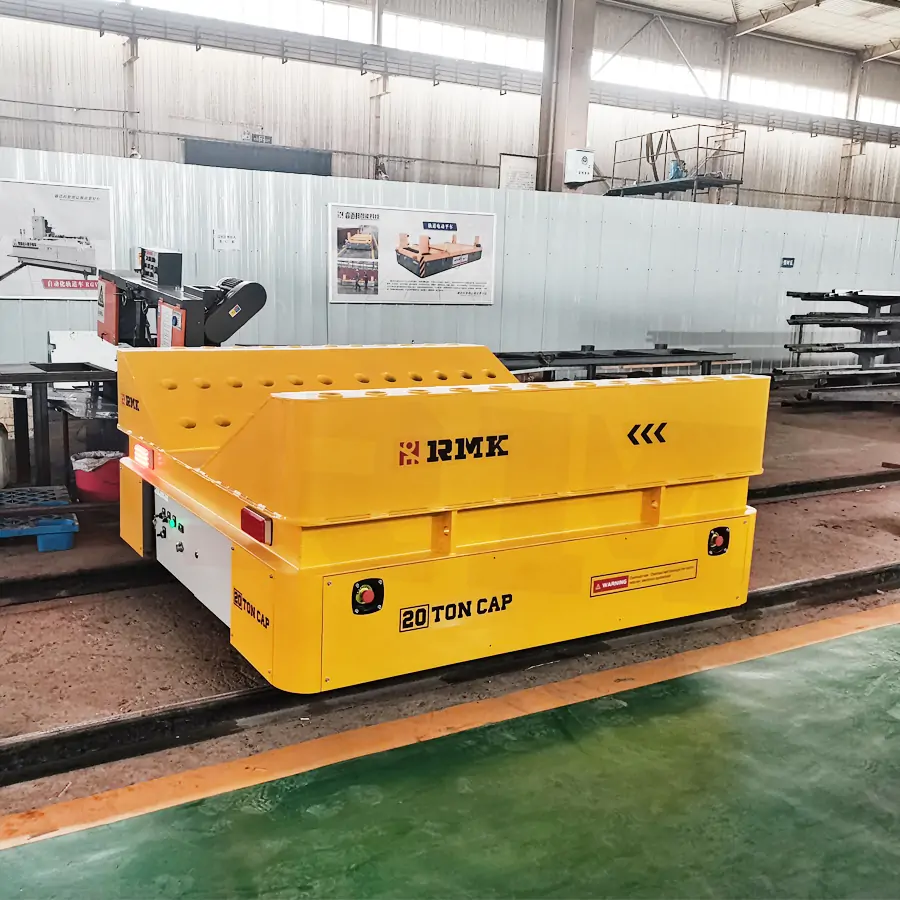
Wenn der Einsatzumfang von AGVs (Automatisch gesteuerte Fahrzeuge) sich von früheren “kleinen Gruppen von drei bis fünf” zu “hunderten von Einheiten, die zusammenarbeiten” verschiebt, entstehen neue Herausforderungen. Wenn sich Dutzende oder sogar Hunderte von AGVs im selben Raum bewegen, sind die Vermeidung von Kollisionen, die Lösung von Verkehrsverklemmungen und die Aufrechterhaltung der Effizienz in hochdynamischen Umgebungen zu den einzigen Kriterien geworden, um die Qualität eines Leitsystems zu bewerten.
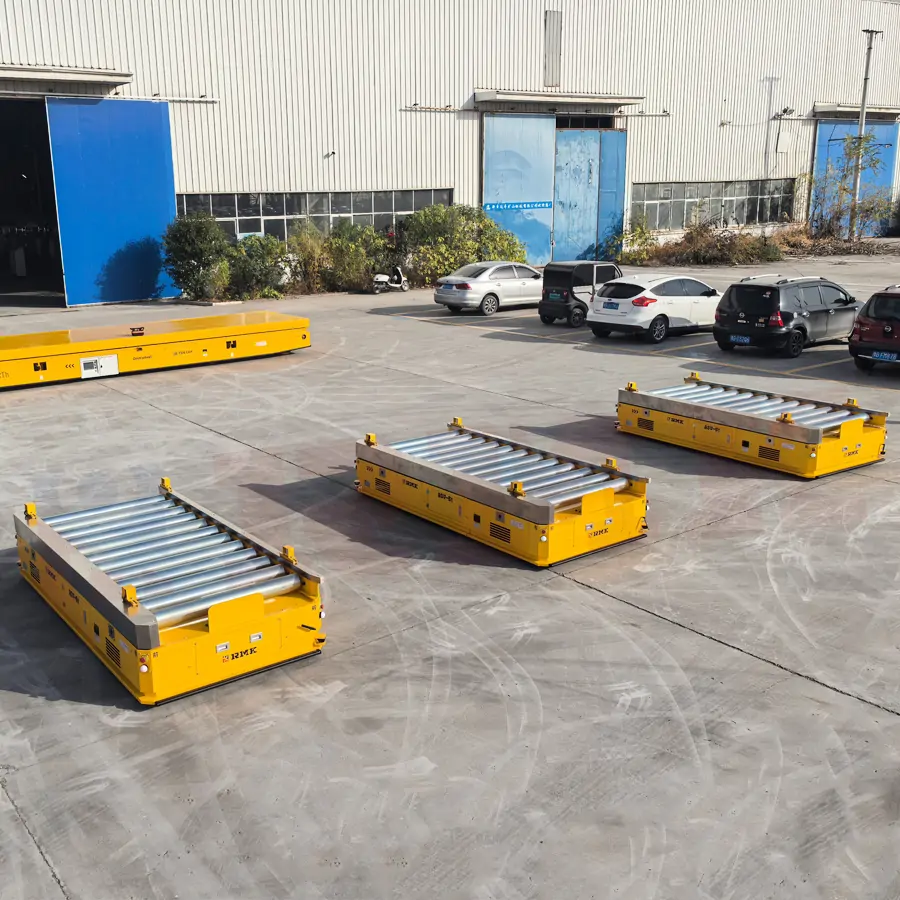
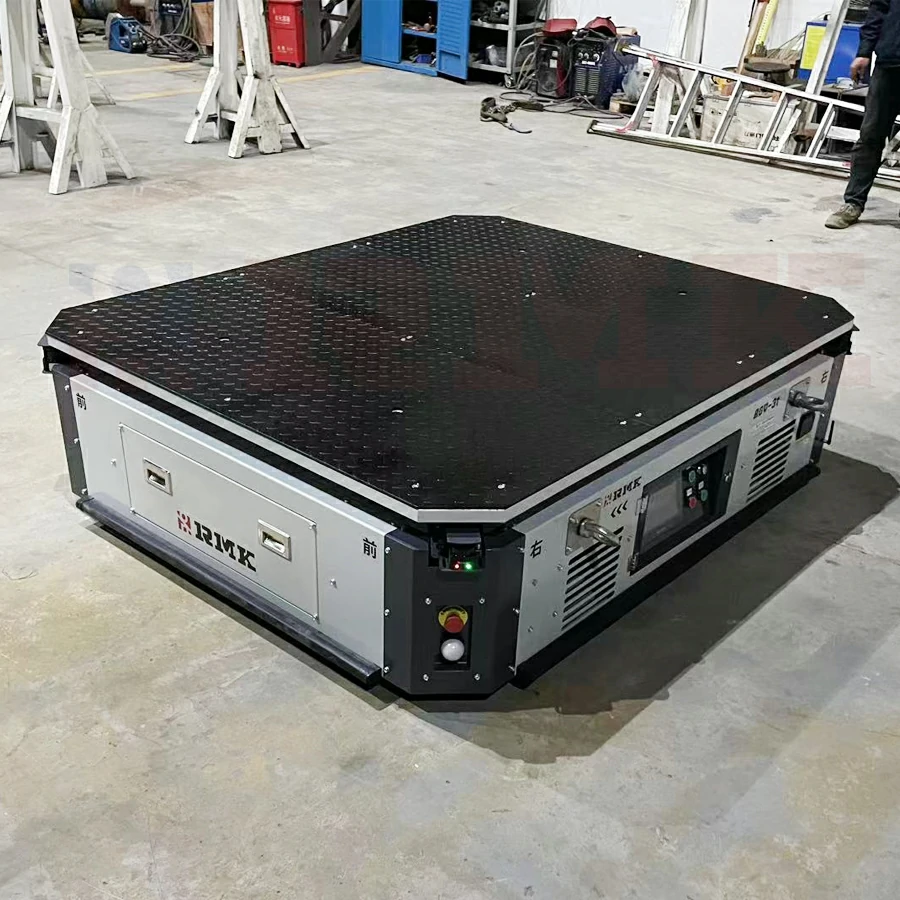
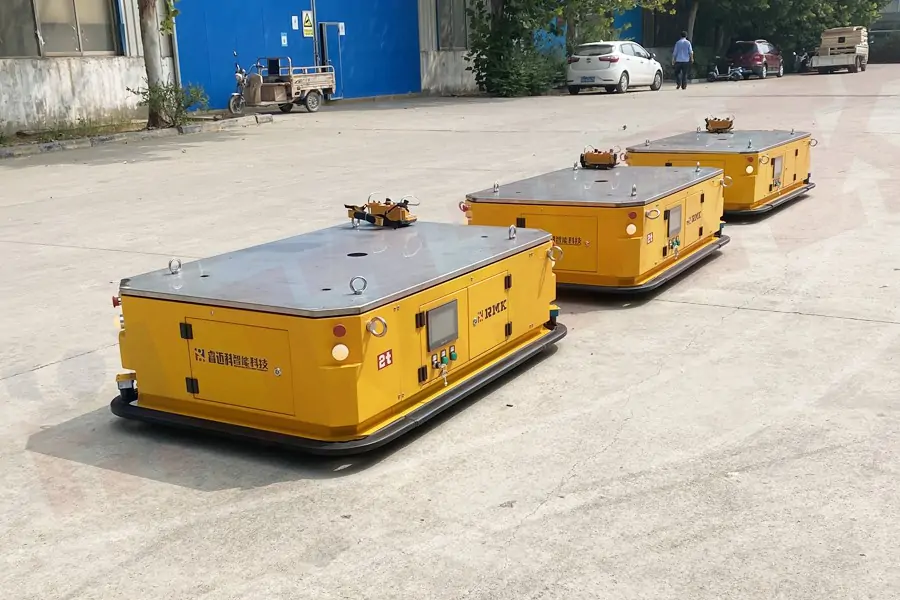
Bei Remarkable analysieren wir die Logik von AGV-Kollisionsvermeidungssystemen aus drei Dimensionen: Hardware-Wahrnehmung, Software-Algorithmen und ingenieurtechnische Praxis.
Umgebungswahrnehmung: Die “fünf Sinne” und Sicherheitsgrenzen des AGV
Die erste Verteidigungslinie zur Kollisionsvermeidung ist die Wahrnehmungsfähigkeit eines einzelnen AGV. Es muss sowohl statische Infrastruktur als auch dynamische Hindernisse präzise und kontinuierlich erfassen.
LiDAR: Der zentrale Hindernisvermeidungssensor
Derzeit, Remarkable’s verwenden gängige industrielle AGVs Einzel- oder Mehrzeilen-LiDAR. Durch das Aussenden von Hochfrequenz-Laserstrahlen und den Empfang reflektierter Signale erstellt das System eine 2D- oder 3D-Punktwolkenkarte der Umgebung.
- Sicherheitszonierung: Ingenieure unterteilen Erfassungsbereiche in “Verzögerungszonen” und “Notstoppzonen”.”
- Algorithmus-Unterstützung: Mittels SLAM-Technologie wird LiDAR nicht nur zur Navigation, sondern auch zum Abgleich mit vorab erstellten Karten verwendet, um feste Regale auszufiltern und Personen oder unerwartete Objekte genau zu identifizieren.
Multi-Sensor-Fusion
Ein einzelner Sensor hat Einschränkungen (z. B. Störungen durch Glas oder starkes Licht). Daher setzen wir typischerweise ein:
- Ultraschallsensoren: Erkennen transparente Objekte oder über dem LiDAR-Bereich hängende Hindernisse.
- 3D-Kameras: Erkennen Objektformen, sodass das System unterscheiden kann, ob das Hindernis eine “Person” oder ein “Gabelstapler” ist.”
Leitrechner: Entscheidungslogik des zentralen Steuerungssystems (RCS)
Wenn Sensoren die Augen sind, dann ist das RCS (Robot Control System) das Gehirn. Der Kern der Multi-AGV-Kollisionsvermeidung ist nicht “Vermeidung”, sondern “Planung”.”
Vordefinierte Verkehrsregeln (Statische Verwaltung)
Ähnlich wie städtische Verkehrssysteme definiert das RCS verbindliche Regeln in der virtuellen Karte:
- Einbahnstraßen: Erzwingen Einrichtungsbewegungen in schmalen Gängen.
- Kreuzungsverriegelung: Ein “Token”-Mechanismus wird angewendet. Wenn ein AGV eine Kreuzung passieren möchte, erteilt das System die Erlaubnis und sperrt den Zugang für andere, bis das Fahrzeug den Bereich verlassen hat.
Dynamische Pfadplanungsalgorithmen
- Verbesserter A*-Algorithmus: Fügt der traditionellen Pfadfindung eine Zeitdimension hinzu. Das System berechnet den von jedem AGV zu T1, T2 und T3 belegten Raum. Tritt zur gleichen Zeit eine Überlappung auf, wird die Wartezeit angepasst oder ein Fahrzeug umgeleitet.
- Deadlock-Prävention und -Auflösung:
Szenario: AGV A wartet auf B, B wartet auf C und C wartet auf A. Lösung: Das System sagt die Ressourcenbelegung entlang der Routen voraus. Sobald eine zirkuläre Warteschleife erkannt wird, wird ein AGV gezwungen, in eine Pufferzone zurückzuziehen, um den Deadlock zu brechen.
Die Kollisionsvermeidung mehrerer AGVs basiert auf einem effizienten zentralisierten Leitsystem (Verkehrsmanagementsystem). Es fungiert als Kontrollzentrum und gewährleistet durch globale Planung und Koordination einen sicheren und effizienten Betrieb.
| Strategiekategorie | Kernidee | Schlüsseltechnologien | Merkmale & Anwendungen |
|---|---|---|---|
| Globale Pfadplanung | Planung konfliktfreier Routen im Voraus | MAPF, verbesserter A*, genetische Algorithmen | Geeignet für vorhersagbare Umgebungen wie Lagerhäuser |
| Echtzeit-Verkehrssteuerung | Dynamische Konfliktlösung | Zeitfenster, Reservierungstabellen, Kreuzungspriorität | Hohe Flexibilität für dynamische Umgebungen |
| Lokale Kollisionsvermeidung | Echtzeiterfassung und Notfallreaktion | 2D-Kollisionserkennung, ORCA, Raum-Zeit-Korridore | Letzte Sicherheitsebene für unerwartete Ereignisse |
| Deadlock-Prävention | Vermeidung oder Auflösung zyklischen Wartens | Deadlock-Vorhersage, Regeldesign, Sicherheitszonen | Verhindert systemweite Blockaden |
Drei ingenieurtechnische Fallstricke, die es zu vermeiden gilt
Einfluss von Last und Trägheit
Ein leeres AGV und eines, das 2 Tonnen trägt, haben völlig unterschiedliche Bremswege. Ein robustes System muss Gewicht, Geschwindigkeit und Reibung in den Sicherheitsberechnungen berücksichtigen.
Gemischte Verkehrsszenarien
In Mensch-Maschine-gemeinsamen Bereichen reduziert einfaches Anhalten die Effizienz. Fortschrittliche Systeme setzen ORCA-Algorithmen ein, damit AGVs ihre Wege sanft anpassen können, anstatt anzuhalten.
Bedeutung von Simulationstests
Vor der Inbetriebnahme müssen Simulationswerkzeuge wie FlexSim oder Gazebo verwendet werden:
- Testen von Staus unter hochdichten Bedingungen
- Bewerten von Extremfällen (Stromausfall, Sensorausfall)
Schlussfolgerung
Die Kollisionsvermeidung mehrerer AGVs ist ein systemtechnisches Projekt von der Hardware-Erfassung bis zum Cloud-Computing. Der zukünftige Trend ist die Integration von Edge-Computing und zentralisierter Planung: globale Optimierung durch das Zentralsystem, während AGVs lokal über V2V-Kommunikation koordinieren.
Für Industriekunden, die maximale Stabilität suchen, ist die Auswahl eines Systems mit ausgereiften Deadlock-Vorhersagemechanismen und zuverlässigen Kommunikationsprotokollen für den 24/7-Betrieb einer intelligenten Fabrik unerlässlich.
Wenn Sie ähnliche Anforderungen haben, kontaktieren Sie uns jetzt. Unsere Ingenieure verfügen über umfangreiche Erfahrung und können professionelle Unterstützung bieten.
E-Mail: transfercart@rmkzn.com
Phone: +86-18637369355
FAQS
F1. Wie verhindern AGV-Systeme Kollisionen in Umgebungen mit hoher Dichte?
A: AGV-Systeme kombinieren LiDAR, Multi-Sensor-Fusion und zentralisierte Planung (RCS). Durch globale Pfadplanung, zeitbasierte Konfliktvorhersage und Echtzeit-Hinderniserkennung gewährleisten sie einen sicheren Betrieb selbst mit Hunderten von AGVs.
F2. Können AGVs Deadlocks automatisch vermeiden?
A: Ja. Fortschrittliche Systeme verwenden Deadlock-Vorhersagealgorithmen und Ressourcenbelegungsanalyse. Wenn eine zirkuläre Warteschleife erkannt wird, wird ein AGV automatisch in eine Pufferzone umgeleitet, um das Problem zu lösen.
F3. Welche Sensoren sind für eine zuverlässige AGV-Hindernisvermeidung unerlässlich?
A: LiDAR ist der zentrale Sensor, unterstützt durch Ultraschallsensoren und 3D-Kameras. Diese Multi-Sensor-Fusion gewährleistet eine genaue Erkennung sowohl statischer als auch dynamischer Hindernisse, einschließlich transparenter oder unregelmäßiger Objekte.
F4. Wie handhabt das System die Interaktion zwischen Mensch und AGV?
A: In gemischten Umgebungen verwenden Systeme ORCA-Algorithmen, um sanfte Pfadanpassungen anstelle von Stopps zu ermöglichen. Dies verbessert sowohl die Sicherheit als auch die Betriebseffizienz.
F5: Welche Faktoren beeinflussen den Bremsweg und den Sicherheitsabstand von AGVs?
A: Zu den Schlüsselfaktoren zählen Lastgewicht, Geschwindigkeit und Bodenreibung. Ein zuverlässiges System passt Sicherheitszonen und Bremsmodelle dynamisch an die Echtzeit-Betriebsbedingungen an.
F6: Ist eine Simulation vor der AGV-Implementierung erforderlich?
A: Ja. Simulationswerkzeuge wie FlexSim oder Gazebo sind entscheidend, um Engpässe, Spitzenlasten und Extremszenarien wie Strom- oder Sensorausfälle vor der realen Umsetzung zu testen.