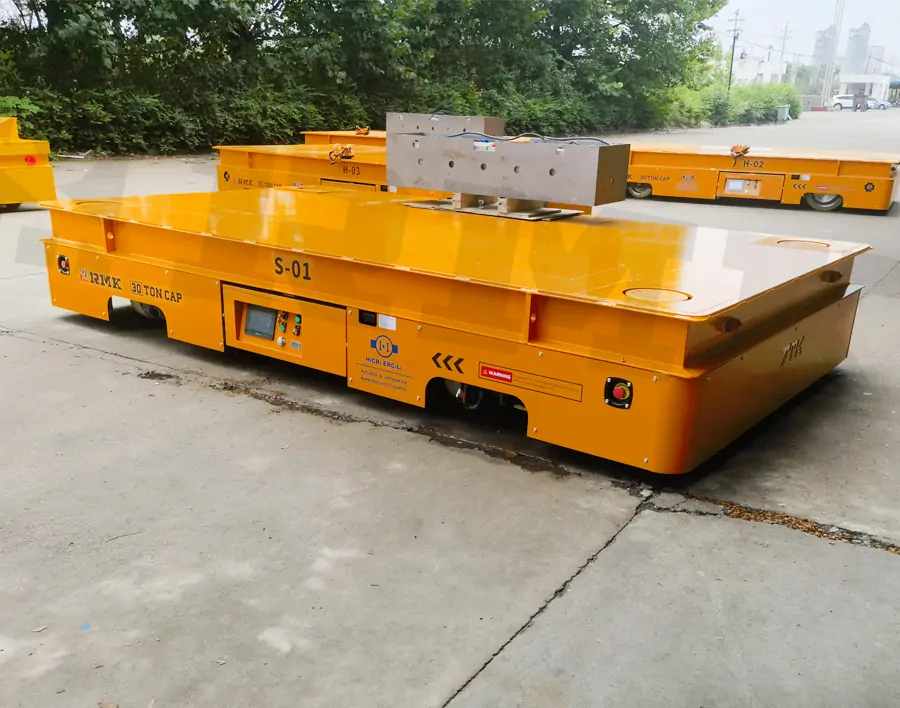
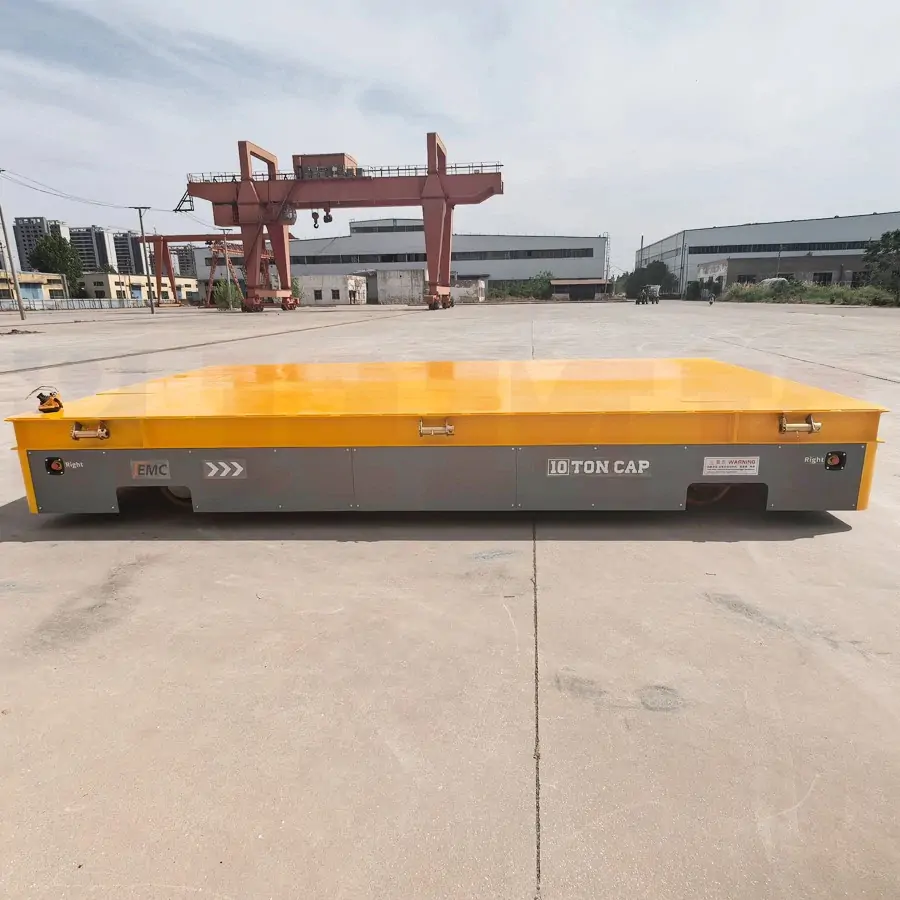
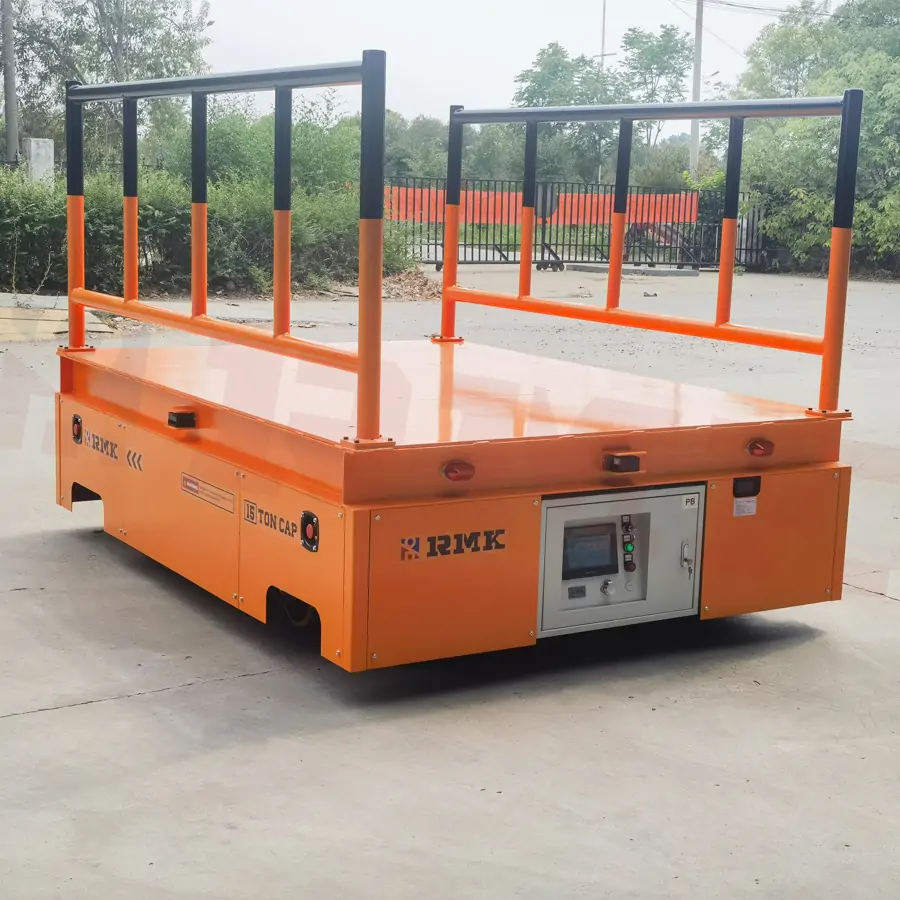
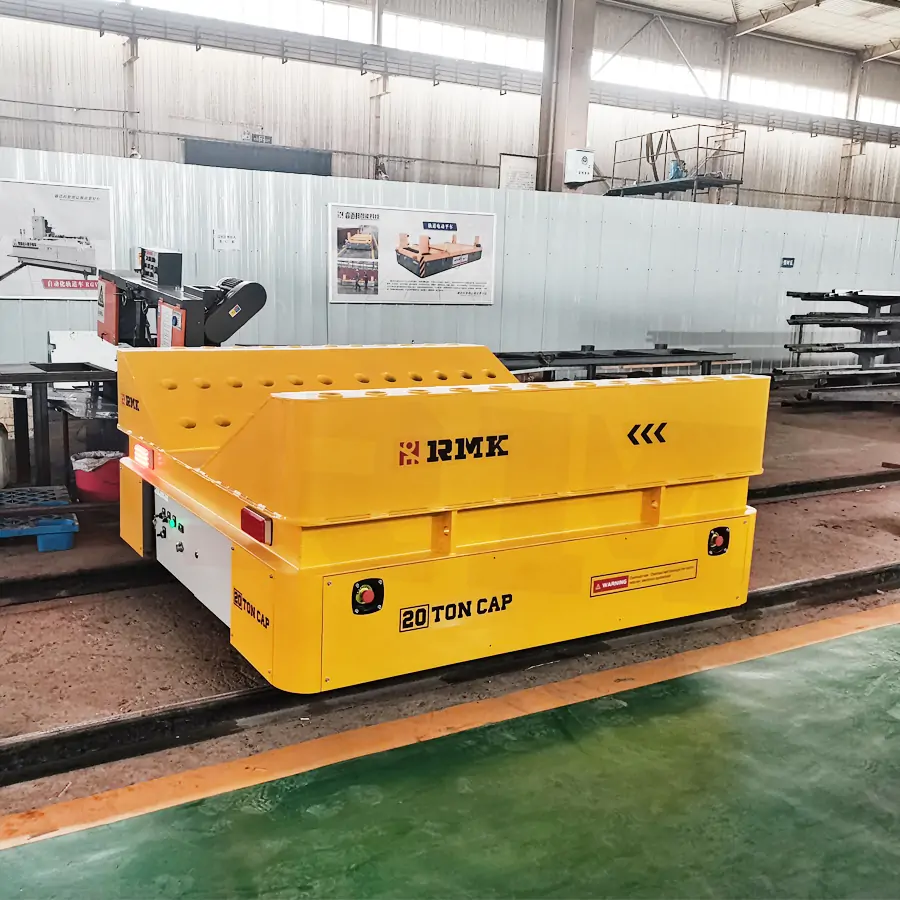
Was ist ein Industrietransportwagen?
Ein Industrietransportwagen ist ein spezielles Fahrzeug für den Kurzstreckentransport von Materialien in industriellen Szenarien. Die Wahl eines Industrietransportwagens bedeutet nicht nur den Kauf eines Geräts, sondern dessen Nutzung zur Optimierung von Produktionsprozessen und zur Verbesserung von Sicherheit und Effizienz. Er löst hauptsächlich die Bodentransportblindstellen, die von Brückenkranen nicht abgedeckt werden können. Zu den in der Industrie üblichen Typen gehören Batteriebetriebener spurloser Transportwagen, Niederspannungs-Schienentransportwagen, AGV-Transferwagen, Kabeltransportwagen usw. Im Folgenden finden Sie eine detaillierte Einführung zu jedem Typ.
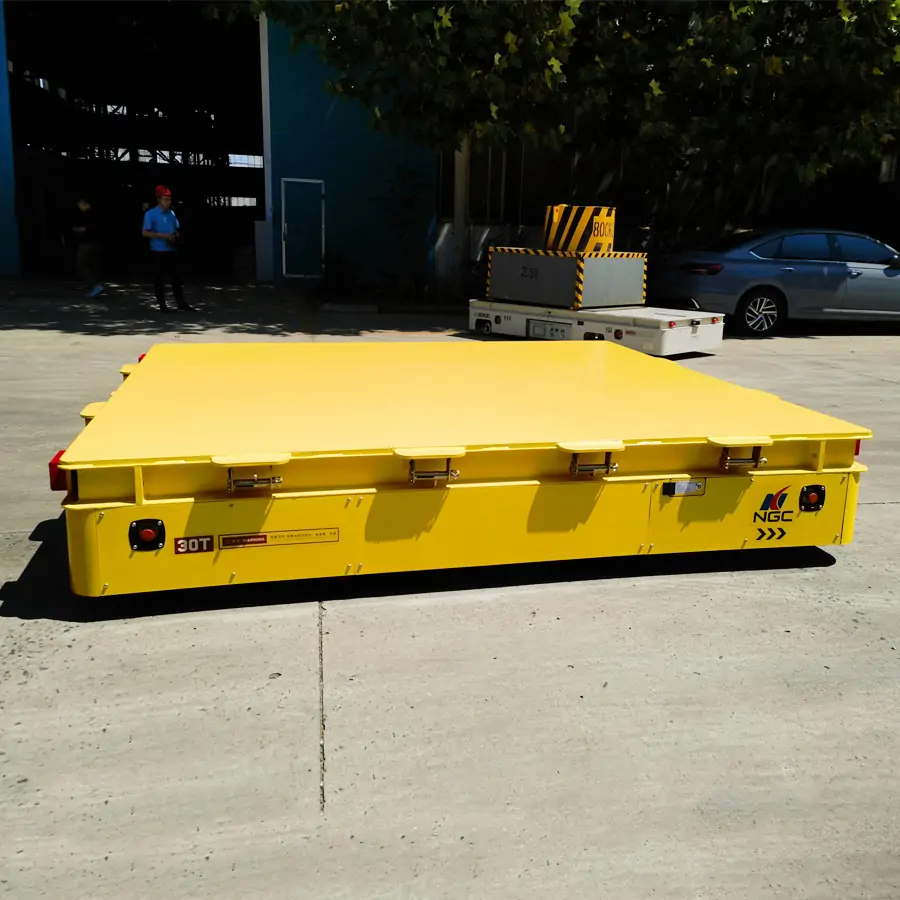
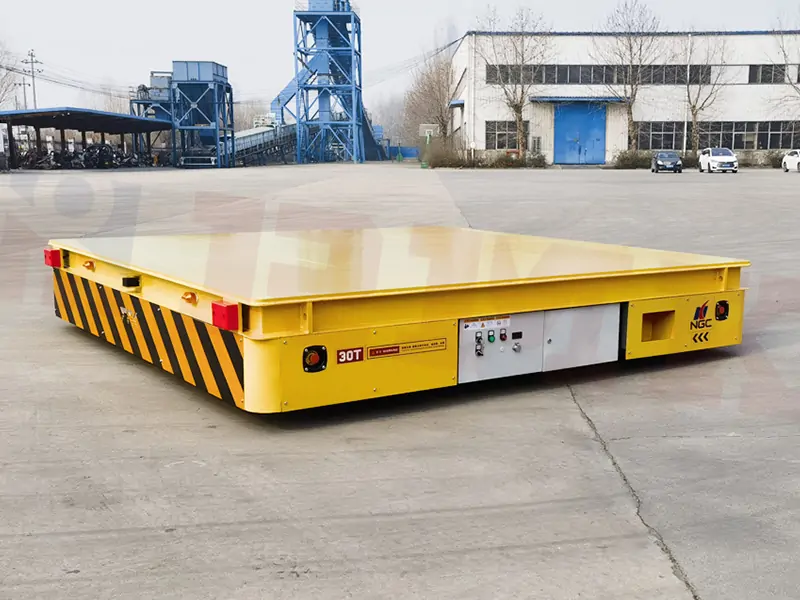
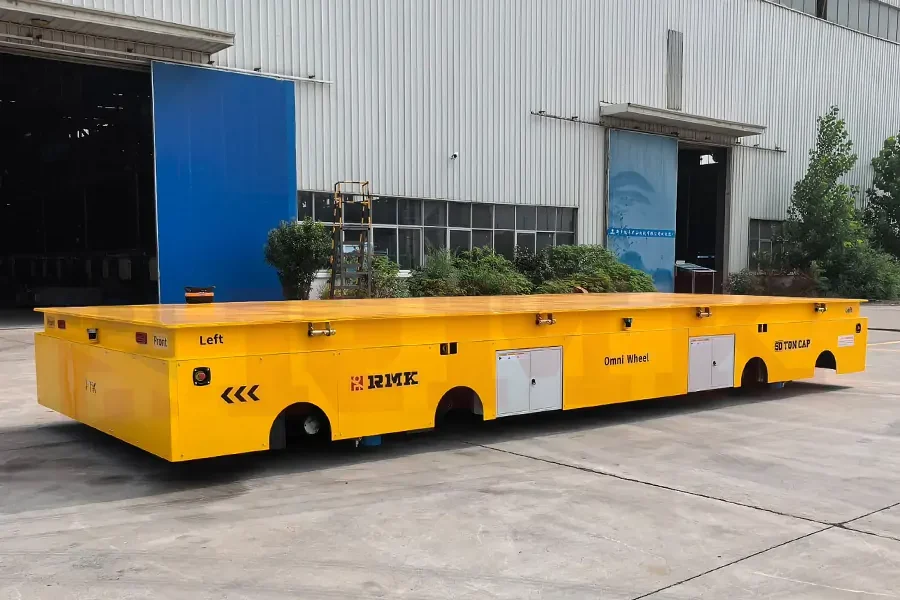
Gängige Typen von Industrietransportwagen
Jeder Arbeitszustand hat unterschiedliche Anforderungen, und es wurden verschiedene Arten von unterstützenden Transportgeräten entwickelt. Um Ihnen die bessere Wahl eines Industrietransportwagen, zu erleichtern, werden die typischen vier Arten von Industrietransportwagen unten in Tabellenform mit ihren Eigenschaften dargestellt:
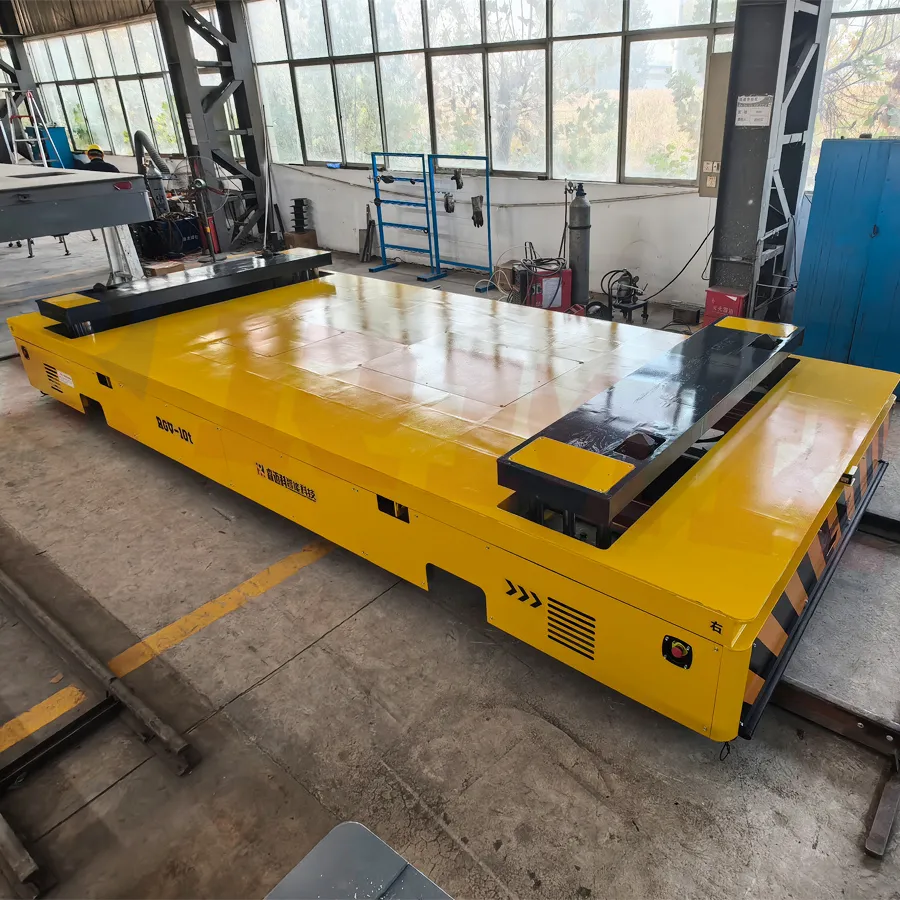
Batteriebetriebener spurloser Transportwagen
Er benötigt keine Verlegung von Schienen. Er verwendet massive Polyurethanräder, um sich frei auf gehärtetem Boden zu bewegen, was Transportprobleme über Werkhallen hinweg, über lange Strecken und auf komplexen Wegen lösen kann.
| Punkt | Spezifikation / Details |
|---|---|
| Definition | Ein mit Batterien (Blei-Säure oder Lithium) betriebener Transportwagen, der mit einem Zwei-Motor-Differentialantrieb für spurloses freies Lenken verwendet |
| Tragfähigkeit | 1t – 300t (kundenspezifisch anpassbar) |
| Laufgeschwindigkeit | 0 – 25 m/min (stufenlose Geschwindigkeitsregelung) |
| Kontrollmethode | Funkfernsteuerung + Griffsteuerung |
| Betriebsdauer | 4 – 8 Stunden (unterstützt Schnellladung) |
| Eigenschaften | 360°-Wendung auf der Stelle, keine Schiene erforderlich, unbegrenzte Fahrstrecke, geringe Bodenbelastung |
| Anwendungsszenarien | Formentransport, Stahlbau-Handling-Verbindung, Materialfluss zwischen mehreren Werkhallen |
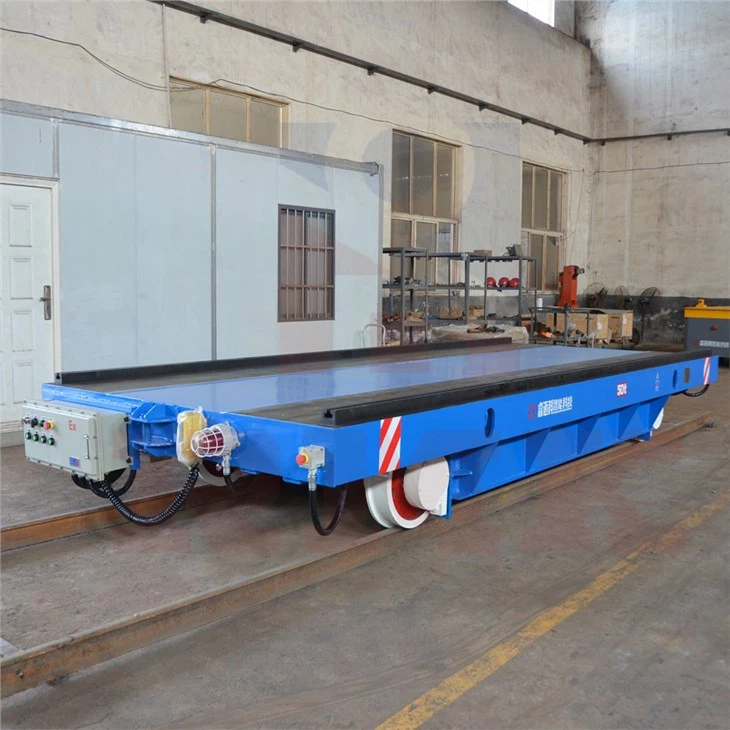
Niederspannungs-Schienentransportwagen
Wenn Sie einen hochfrequenten, ganzjährigen Dauerbetrieb benötigen, ist dies die bevorzugte Lösung bei der Wahl eines Industrietransportwagens. Er versorgt den Motor über Schienen mit sicherer Spannung, ohne häufiges Aufladen.
| Punkt | Spezifikation / Details |
|---|---|
| Definition | Ein Transportwagen, der die Spannung auf 36V Sicherheitsspannung reduziert und über Schienen zuführt, um den Motor anzutreiben |
| Tragfähigkeit | 1t – 1000t |
| Stromversorgungsmethode | KPD / KPDS Schienenstromversorgung |
| Fahrstrecke | Empfohlen unter 70m (Transformator erforderlich, wenn länger) |
| Sicherheitsmerkmale | Schienenisolationsbehandlung + automatische Begrenzung |
| Eigenschaften | Unbegrenzte Betriebszeit, extrem große Tragfähigkeit, hohe Sicherheit (Sicherheitsspannung), lange Lebensdauer |
| Anwendungsszenarien | Stahlwerke, metallurgische Industrie, hochfrequente Produktionslinien, S-förmiger oder kurvenförmiger Schienentransport |
AGV-Transportwagen (Automatisiertes geführtes Fahrzeug)
AGV Systeme repräsentieren die Zukunft des industriellen Transports. Durch die Integration von Laser-SLAM- oder Magnetnavigations-Technologie ermöglicht es wirklich unbemannte und hochpräzise Logistikabläufe.
| Punkt | Spezifikation / Details |
|---|---|
| Gerätedefinition | Ein automatischer Handhabungsroboter mit automatischer Verfolgung, intelligenter Steuerung und Hindernisvermeidung, der mit MES-Systemen der Fabrik verbunden werden kann |
| Navigationsmethode | Laser-SLAM / Magnetnavigation / QR-Code |
| Stoppgenauigkeit | ±5 mm – ±10 mm |
| Sicherheitsstufe | Mehrstufige Laser-Radar-Hindernisvermeidung + Kontaktsicherheitsleiste |
| Systemintegration | Unterstützt Wi-Fi / 5G / WMS-Protokoll |
| Eigenschaften | Hohe Positioniergenauigkeit (±5mm), automatische Wegplanung, Koordination mehrerer Fahrzeuge, verbesserte Effizienz der intelligenten Logistik |
| Anwendungsszenarien | Präzisionsfertigung, automatisierte Lagerhaltung, pharmazeutische und Lebensmittelproduktionslinien |
Kabeltrommel-Transportwagen
Dies ist eine sehr kosteneffiziente Lösung, sehr geeignet für den Kurzstrecken- oder Lineartransport auf festgelegten Wegen, mit einfacher Struktur und sehr geringen Wartungskosten.
| Punkt | Spezifikation / Details |
|---|---|
| Definition | Ein Schienen- oder spurloser Transportwagen, der durch automatische Kabelaufwicklung der Kabeltrommel oder Schleifleitung angetrieben wird |
| Laufgeschwindigkeit | 0 – 30 m/min |
| Arbeitsumfeld | Kann Temperaturen über 80°C standhalten |
| Fahrstrecke | Kabeltrommel unterstützt bis zu 200m |
| Tragfähigkeit | 1t – 150t |
| Eigenschaften | Starke Leistung, anpassungsfähig an raue Umgebungen (hohe Temperatur, Staub), niedrige Anschaffungskosten |
| Anwendungsszenarien | Ziegeleien, Bergbautransport, Häfen, lineare hin- und hergehende Produktionsstationen |
Anwendungsszenarien
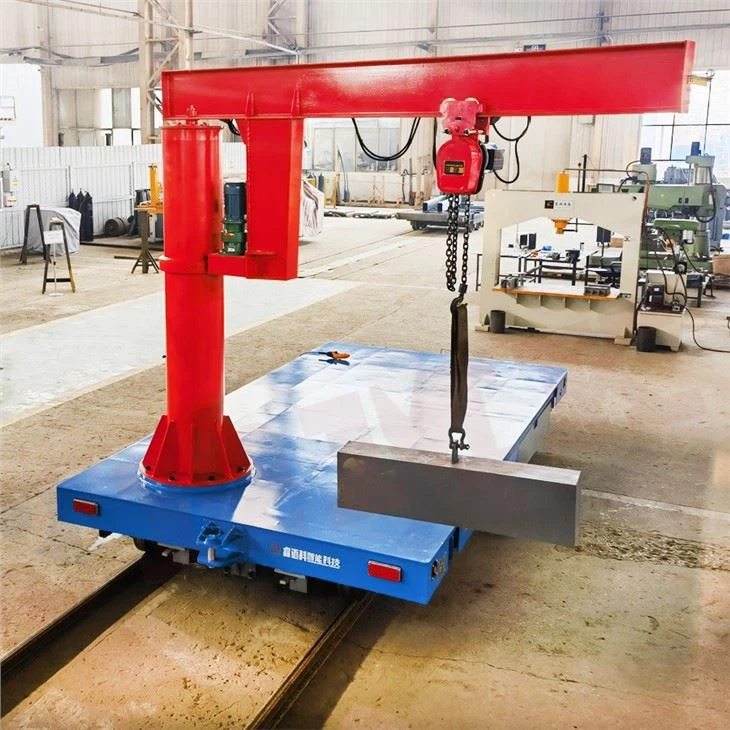
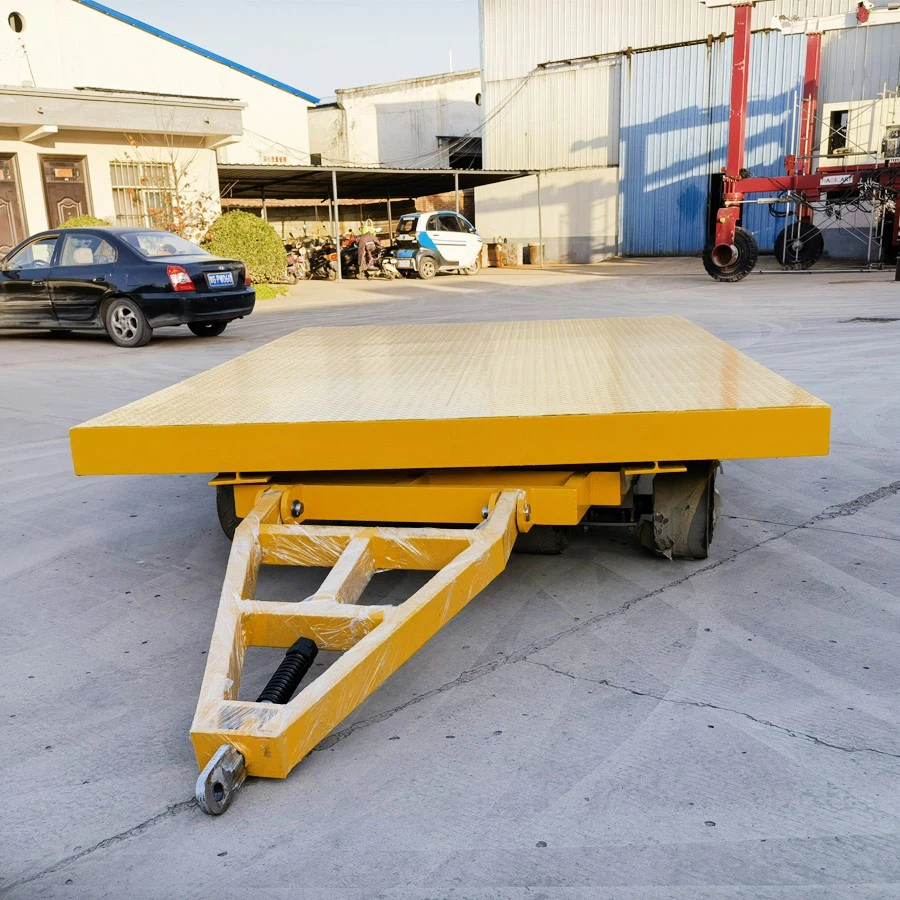
Industrietransportwagen dienen mehreren Branchen wie Metallurgie, Gießerei, Formenbau, Windkraftanlagenfertigung und Hafenlogistik. Die folgenden Bilder sind reale Einsatzfotos von kundenspezifisch angepassten Transportwagen von Remarkable, die bereits in Betrieb sind, in der Hoffnung, Ihnen zu helfen, die Betriebsleistung jedes Modells in spezifischen Umgebungen besser zu verstehen.
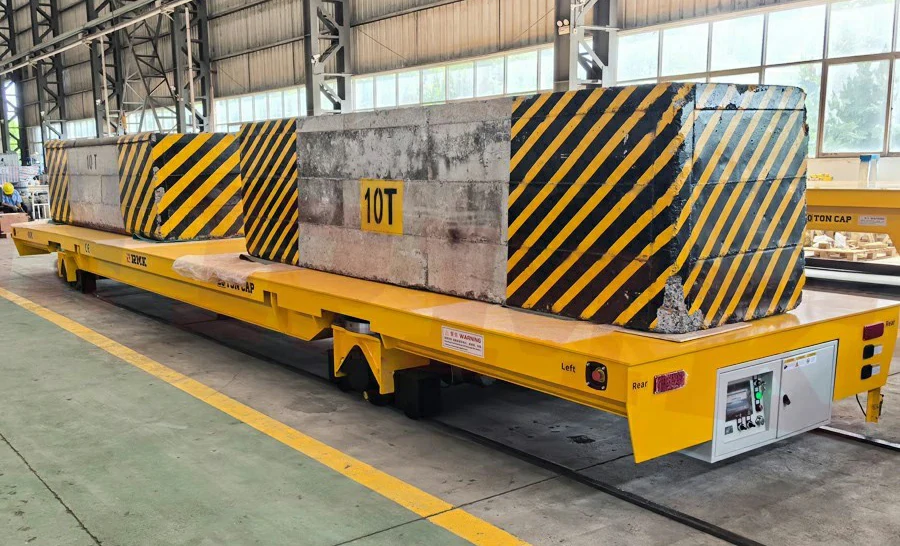
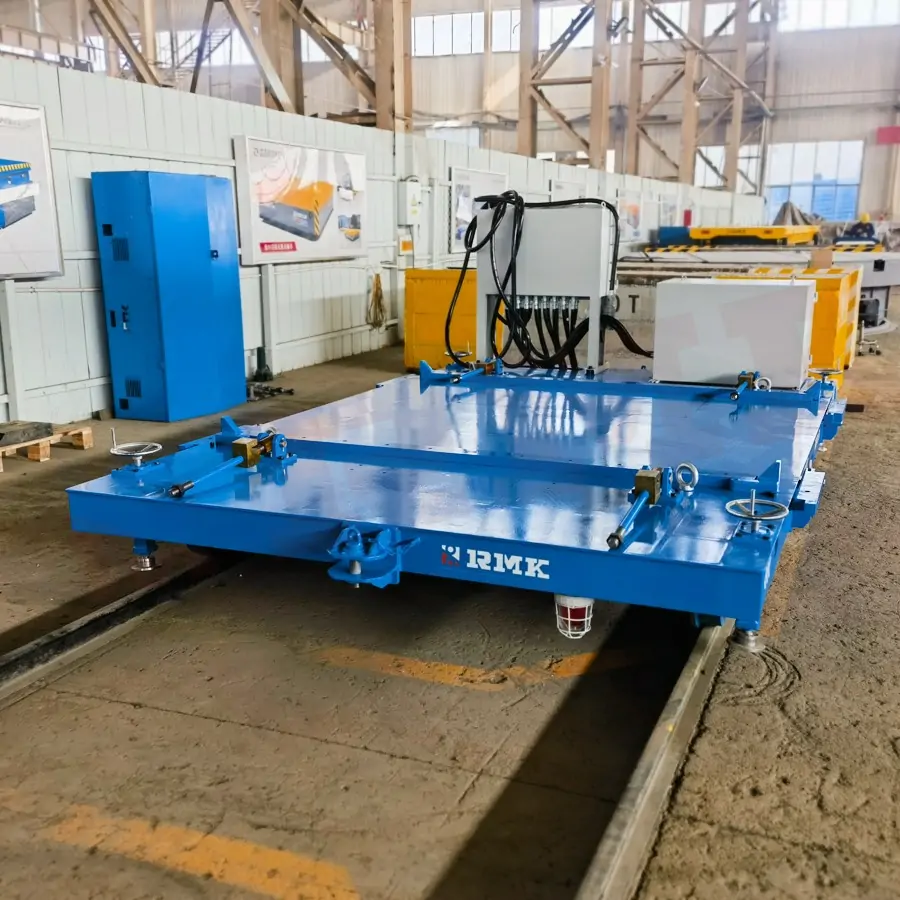
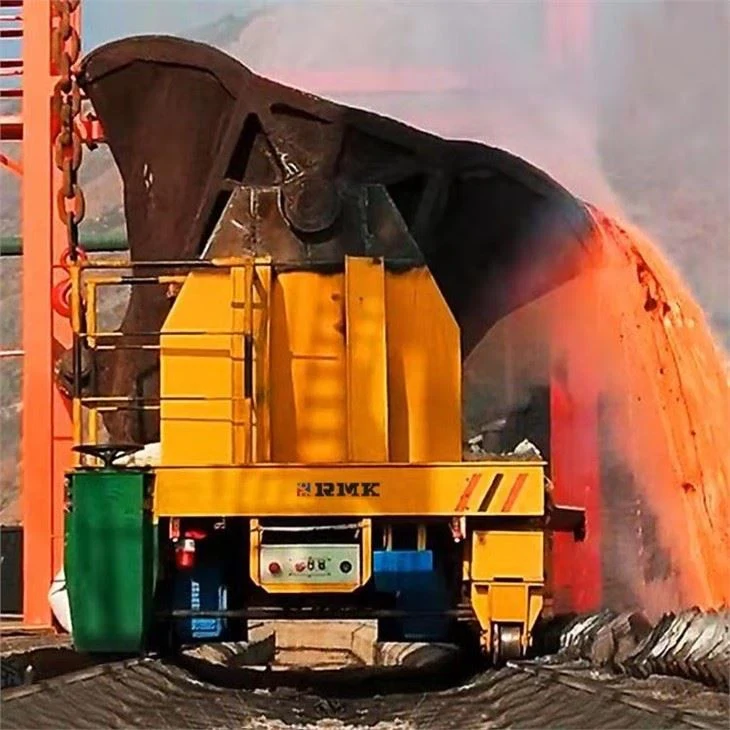
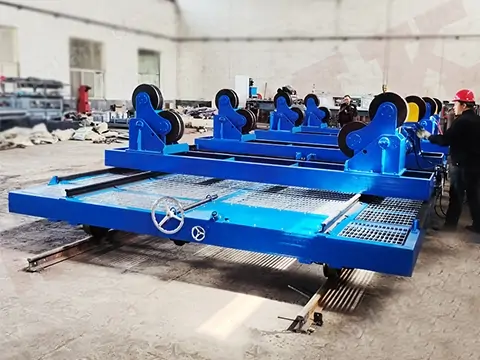
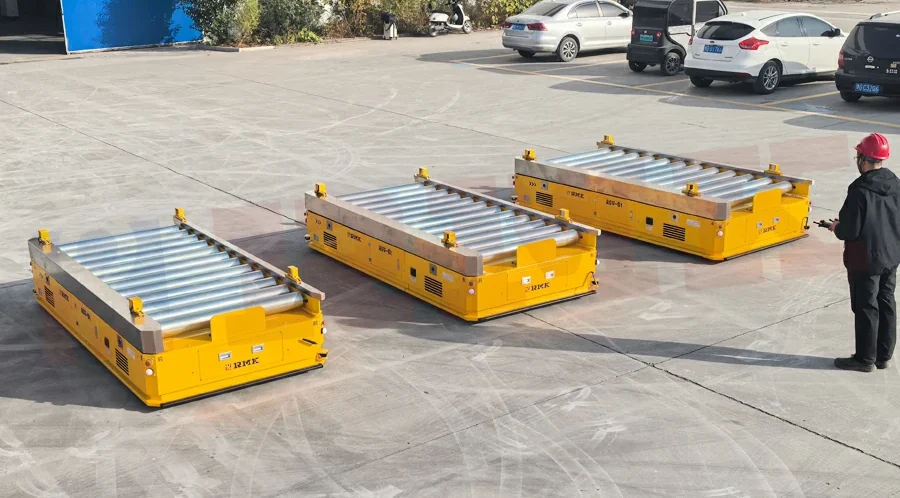
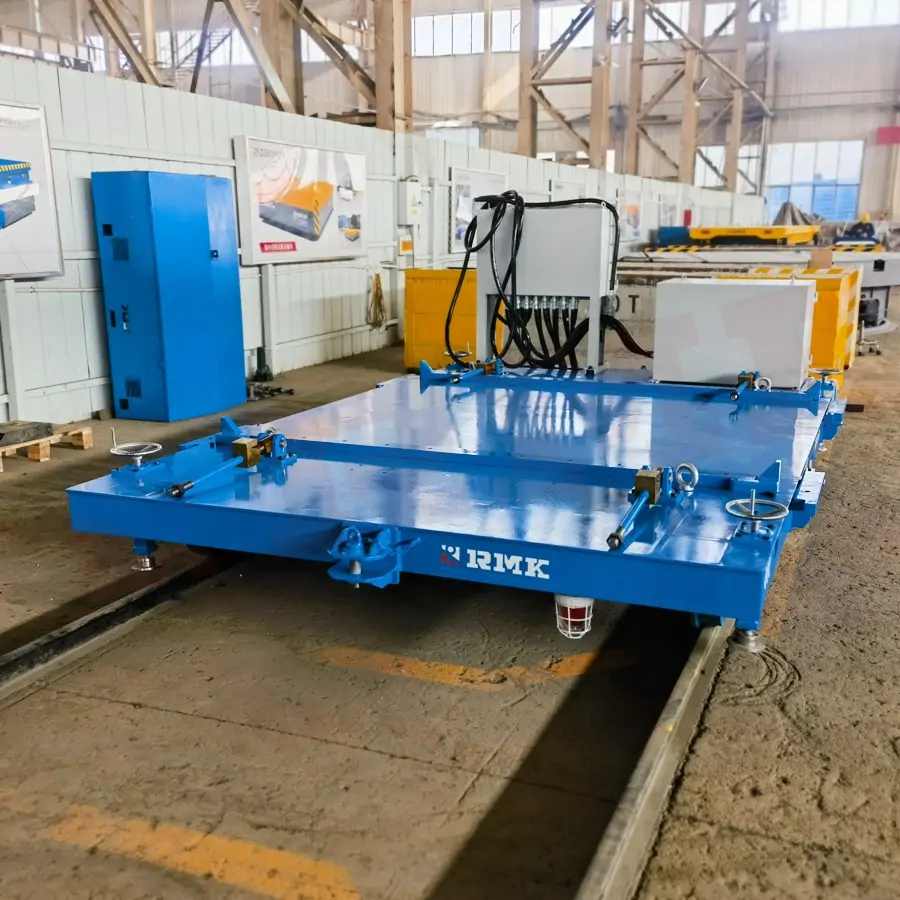
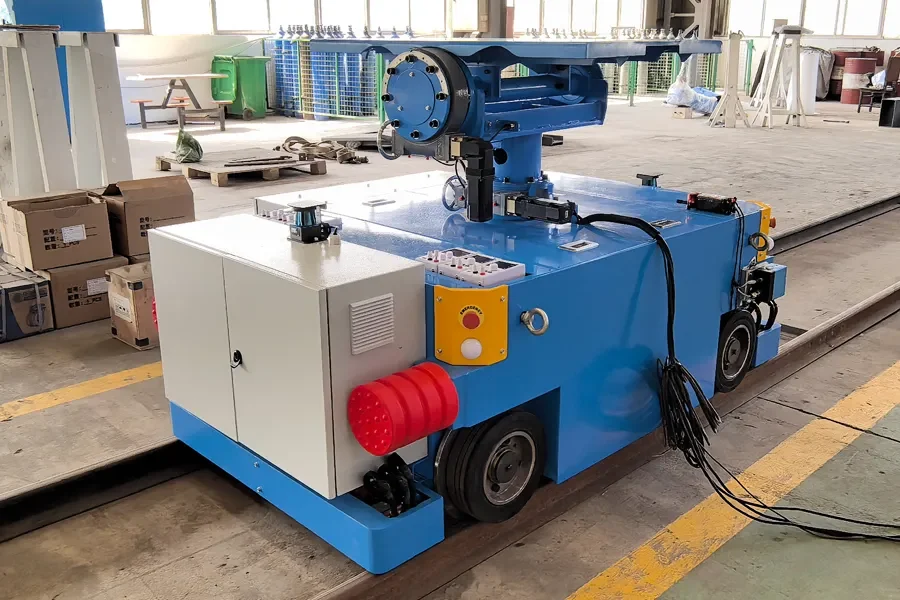
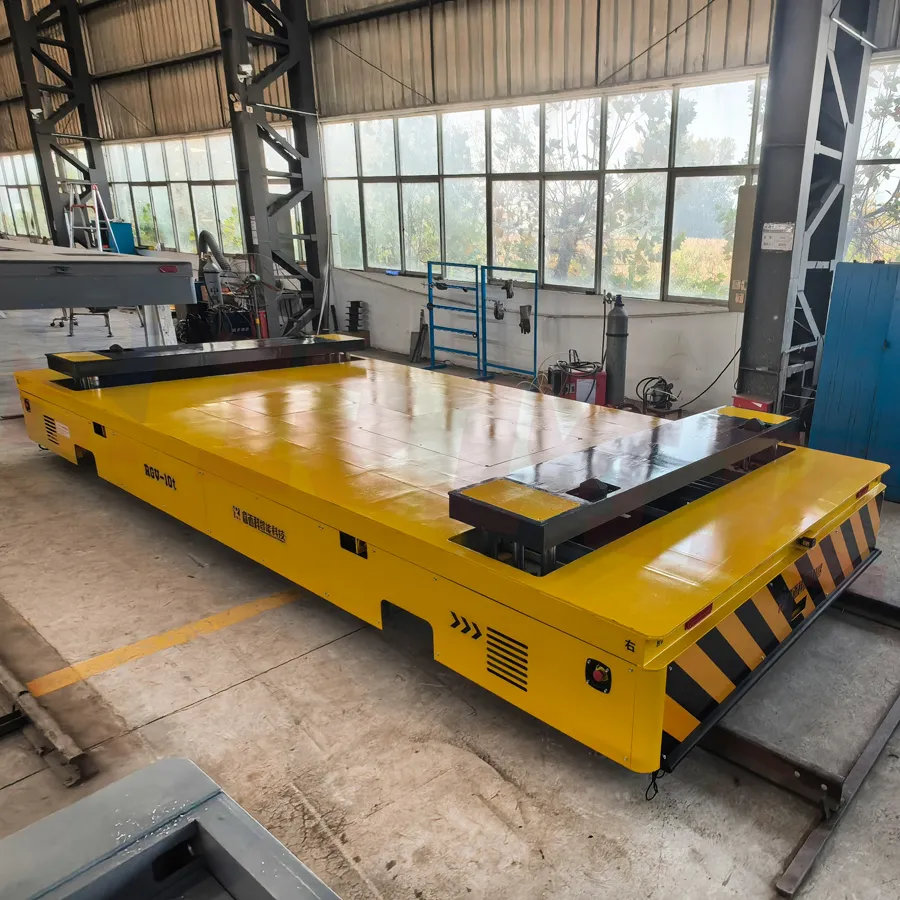
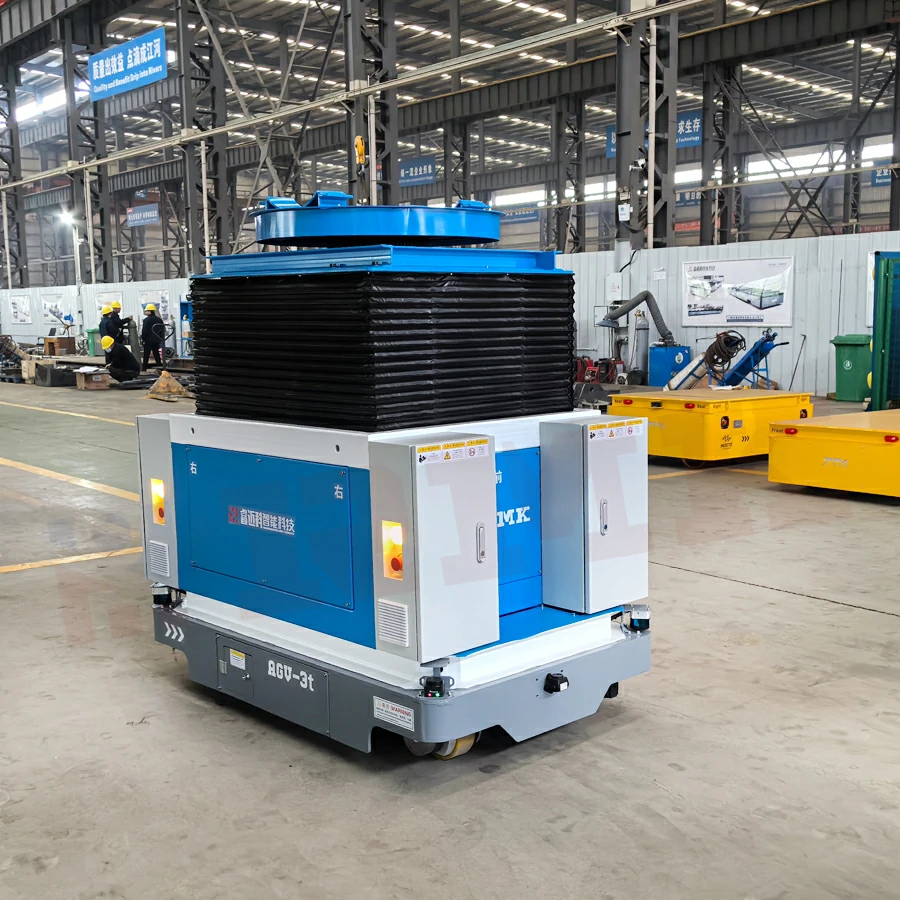
Aus der obigen praktischen Anwendungsdarstellung verschiedener Typen von Industrietransportwagen ist ersichtlich, dass jeder Gerätetyp seine einzigartigen strukturellen Merkmale und anwendbaren Szenarien hat. Es ist jedoch schwierig, allein anhand des Aussehens oder eines einzelnen Leistungsparameters zu bestimmen, welches Gerät für die Anforderungen Ihrer Fabrik geeignet ist.
Wenn Sie nicht wissen, wie Sie einen Industrietransportwagen, auswählen sollen, können Sie jetzt unser Team kontaktieren. Wir haben professionelle Techniker, die Ihnen professionelle Lösungen anbieten.
Zu berücksichtigende Faktoren bei der Auswahl eines Industrietransportwagens
Wenn Sie sich darauf vorbereiten, einen Industrietransportwagen auszuwählen, müssen die folgenden 5 Faktoren berücksichtigt werden, um sicherzustellen, dass das Gerät den Produktionsanforderungen und der langfristigen Kapitalrendite entspricht:
Tragfähigkeit und Plattformanforderungen
Es ist die Grundlage für die Modellauswahl. Sie müssen die Nennlast und die Werkstückform berücksichtigen.
- Nennlast: Wählen Sie eine Spezifikation, die 10%–20% höher ist als die tatsächliche maximale Last, um Stoßlasten zu bewältigen
- Werkstückform: Für Stahl- oder Aluminiumcoils V-förmige oder U-förmige Auflagen hinzufügen; für Formen Gummipolster zur Rutschverhinderung verlegen
- Schwerpunkt: Exzentrische Lasten stellen höhere Anforderungen an die Struktur und das Antriebssystem und müssen im Voraus mitgeteilt werden
Betriebsumgebung und Bodenverhältnisse
Die Umgebung bestimmt die Räder und die Beschichtung des Fahrzeugs.
- Bodenart: Mit Schienen (hohe Tragfähigkeit, fester Weg); ohne Schienen (erfordert gehärteten Boden, hohe Flexibilität)
- Besondere Bedingungen: Hochtemperaturumgebungen, wie Gießereien, erfordern hitzebeständige Motoren, Kabel und Isolierschichten
- Explosionsgeschützte Umgebung: Elektrische Systeme müssen explosionsgeschützte Normen erfüllen
- Außeneinsatz: Berücksichtigen Sie Wasserdichtigkeit und Steigung (allgemein innerhalb von 3° empfohlen)
Energiequelle und Betriebsdauer
Energiequelle und Betriebsdauer beeinflussen direkt die Betriebsfreundlichkeit und die Kosten:
- Batterie: Keine Kabelbindung, geeignet für Bewegungen in alle Richtungen, erfordert jedoch Aufladung
- Niederspannungsschiene: Unbegrenzte Ausdauer, geeignet für 24h-Betrieb, jedoch mit höheren Installationskosten
- Kabeltrommel: Niedrige Kosten, geeignet für lange gerade Strecken, aber auf Kabelverschleiß achten
- Schleifleitung: Geeignet für feste Wege in großen Werkhallen, belegt keinen Bodenplatz
Fahrweg und Layout
- Lenkmethode: Ob 360°-Drehung oder 90°-Wendung erforderlich ist
- Fahrstrecke: Je länger die Strecke, desto höher die Anforderungen an die Systemstabilität
- Größenbeschränkung: Breite der Werkstattgänge, Maschinenabstände, Aufzugs- oder Engpassanforderungen
Sicherheits- und Automatisierungsgrad
- Sicherheitskonfiguration: Muss akustisch-optischen Alarm, Not-Aus-Taster und Radar-Hindernisvermeidungssystem umfassen
- Steuerungsmethode: Funkfernsteuerung, kabelgebundener Handgriff oder vollautomatisches AGV/RGV-System
Vermeiden Sie blindes Streben nach niedrigem Preis oder großer Tonnage. Die Auswahl sollte auf den tatsächlichen Anwendungsszenarien basieren.
Fallbeispiel
Industrieller Hintergrund:
Ein saudi-arabisches Metallverarbeitungsunternehmen, das Feuerverzinkung und Metallbearbeitung betreibt, musste häufig schwere Metallteile transportieren. Bestehende manuelle und schienengebundene Transportmethoden waren ineffizient und unsicher.
Unsere Lösung:
- Remarkable kundenspezifisch gefertigte 10 Stück batteriebetriebene Transportwagen (5t–25t).
- Das 25t-Modell verwendet eine Plattform von 4000×2000mm.
- Es unterstützt Geschwindigkeitsregelung von 0–20 m/min, drahtlose Steuerung, automatisches Laden und elektromagnetisches Bremsen.
Anwendungsergebnisse:
Nach vier Monaten Betrieb ersetzten die Wagen den manuellen Transport und verbesserten die Effizienz erheblich. Der Kunde würdigte das System sehr und plant weitere Zusammenarbeit.
Warum Remarkable wählen?
- Hervorragende Anpassungsfähigkeit
- Fortschrittliche intelligente Antriebstechnologie
- Militärische strukturelle Qualität
- Globaler Service und Exporterfahrung
- Umfassender Sicherheitsschutz
Die Wahl von Remarkable bedeutet die Wahl von Zuverlässigkeit und Leistung.
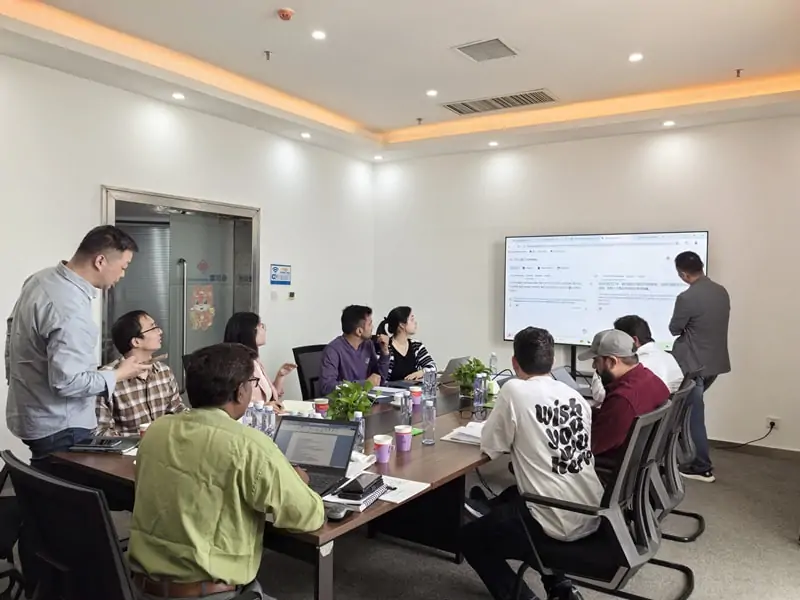
Schlussfolgerung
Die Wahl des richtigen industriellen Transferwagens ist ein Gleichgewicht aus Tragfähigkeit, Flexibilität und Kosten. Von Schienensystemen bis zu intelligenten AGVs, Bemerkenswert bietet zuverlässige Lösungen.
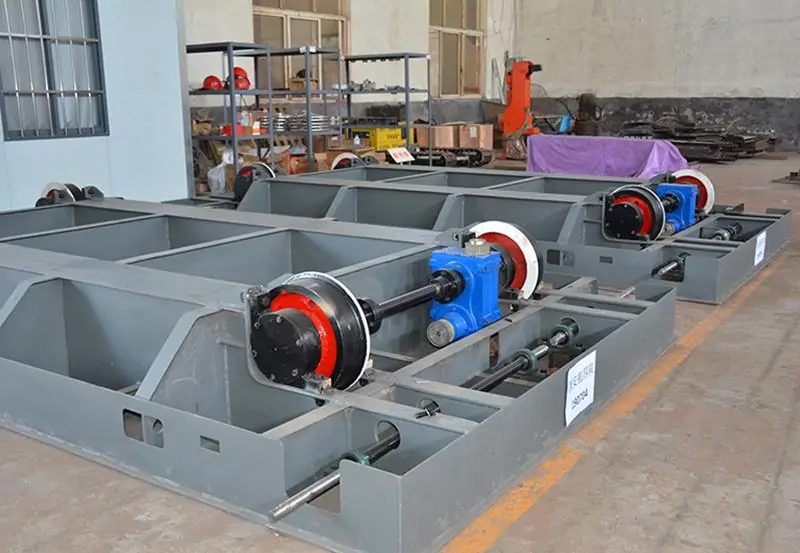
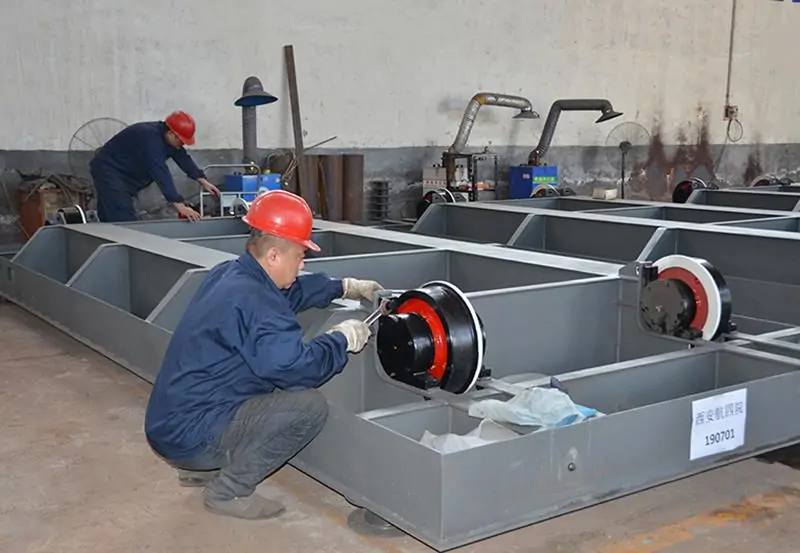
Wenn Sie einen Durchbruch im Werkstattmaterialtransport suchen, unser Ingenieurteam zu kontaktieren. Wir bieten Komplettlösungen von der Konstruktion bis zur Installation.
E-Mail: transfercart@rmkzn.com
Phone: +86-18637369355
FAQs
F1: Welche Bodenanforderungen gibt es für spurgebundene Transferwagen?
A: Sie benötigen einen ebenen, gehärteten Boden wie Beton- oder Epoxidböden. Die Bodentragfähigkeit muss dem Volllastdruck standhalten.
F2: Wie lange hält die Batterie?
A: Blei-Säure-Batterien halten 2–3 Jahre, Lithium-Batterien 5–8 Jahre.
F3: Ist die Schieneninstallation komplex?
A: Ja. Wir liefern Zeichnungen und technische Unterstützung.
F4: Kann er Steigungen bewältigen?
A: Ja, empfohlen ≤3°. Kundenspezifische Lösungen möglich.
F5: Kann er in explosionsgefährdeten Umgebungen eingesetzt werden?
A: Ja, mit explosionsgeschützten Konfigurationen.
F6: Bieten Sie Auslandsservice an?
A: Ja, mit Garantie und lebenslangem Support.
F7: Lieferzeit für 20t-Wagen?
A: 30–40 Tage Standard, 45–60 Tage kundenspezifisch.