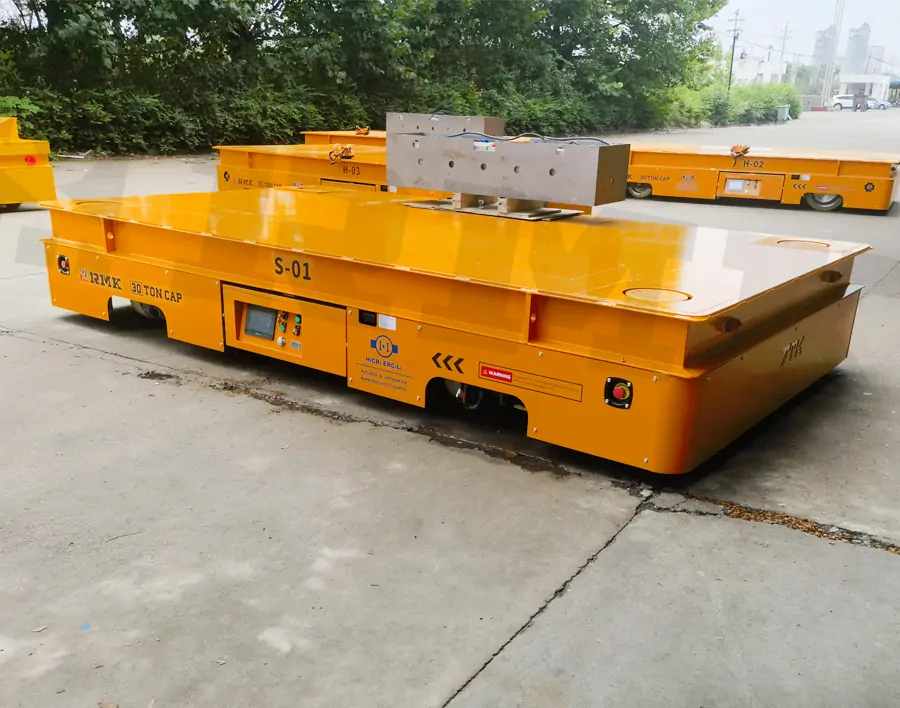
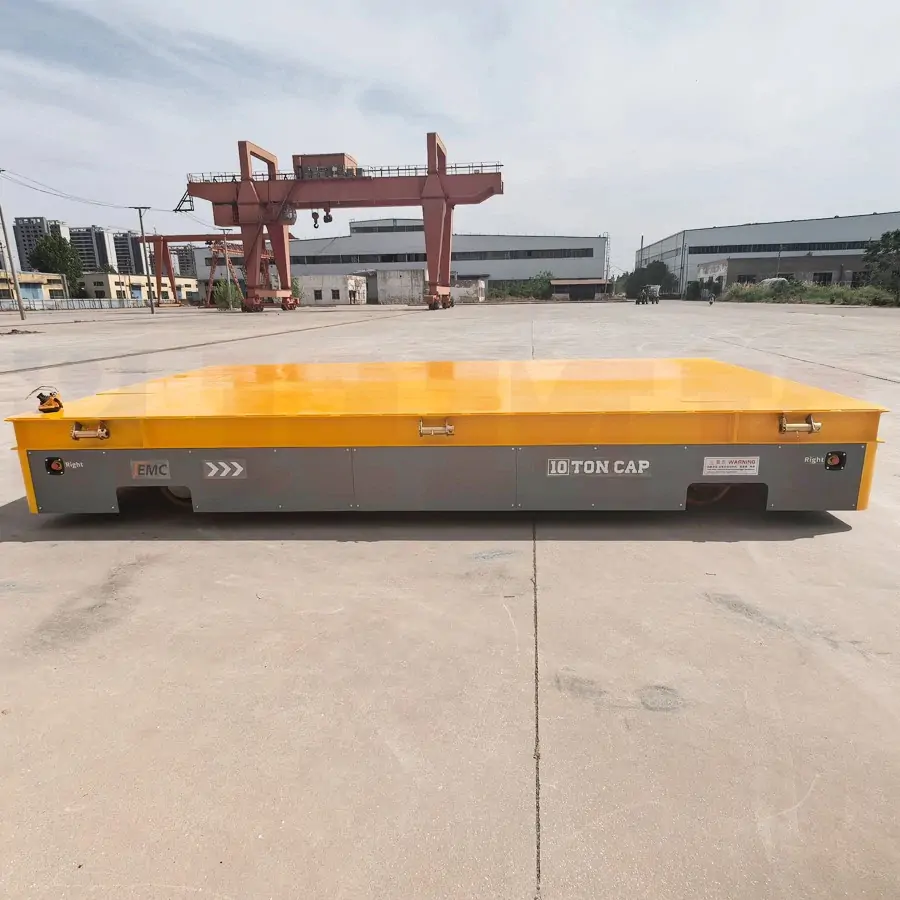
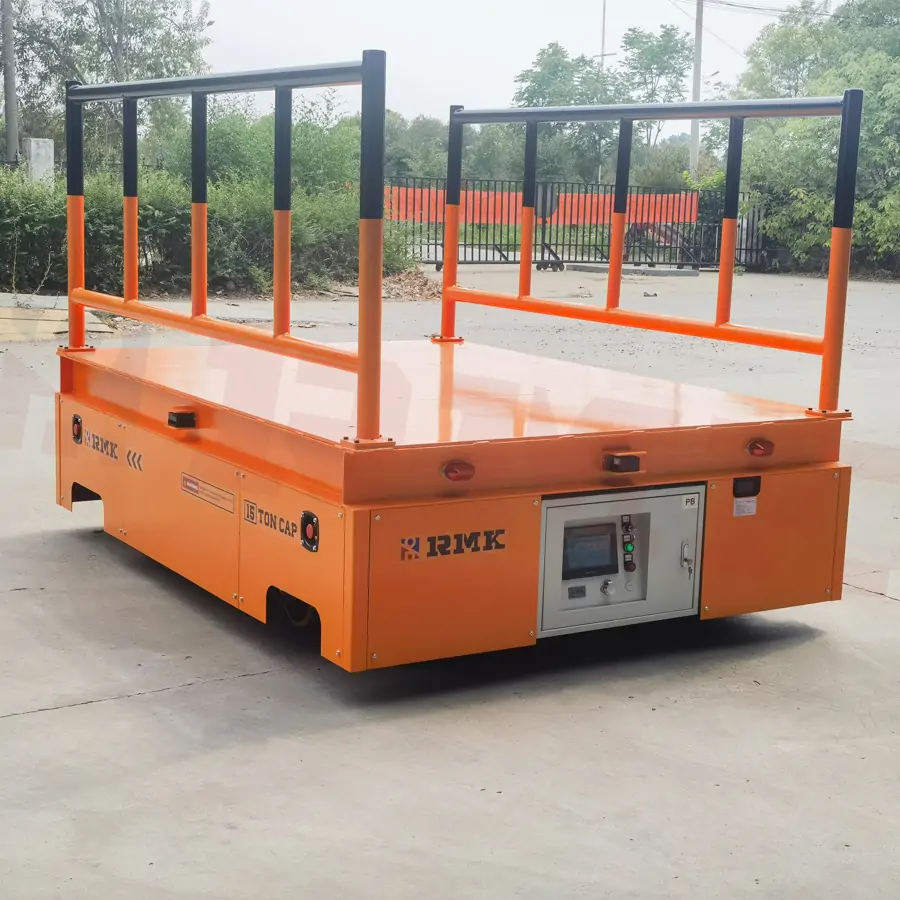
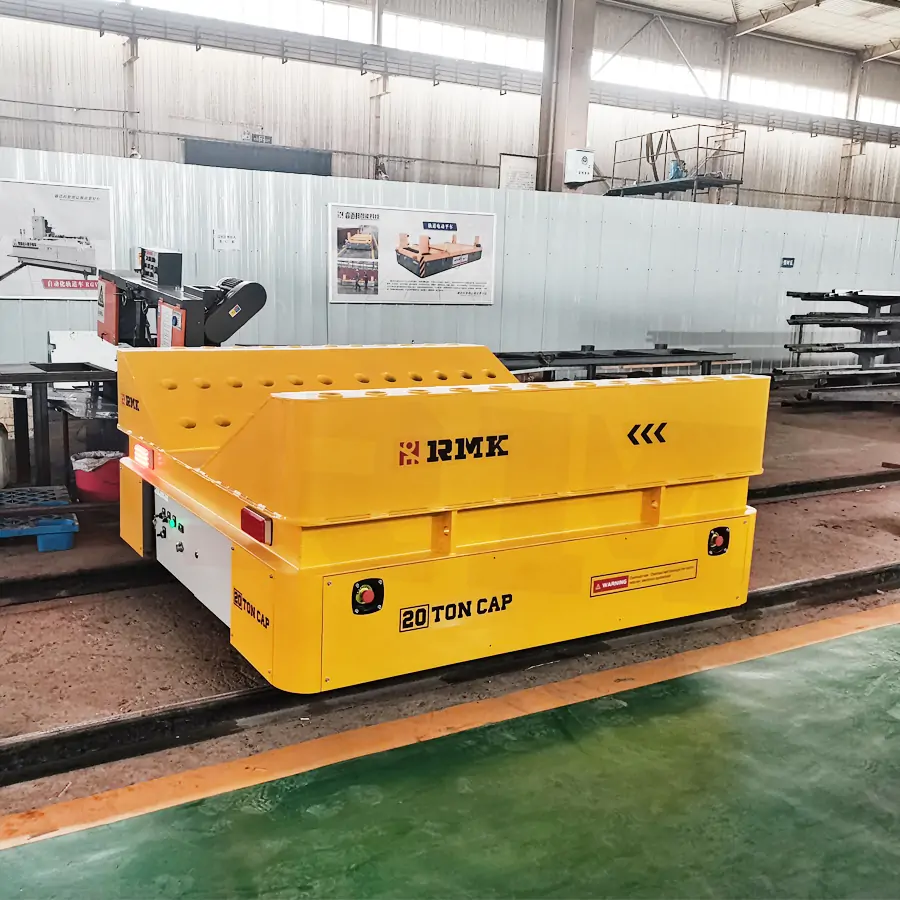
تعمل صناعة النفط والغاز في بيئات تتواجد فيها الغازات القابلة للاشتعال والأبخرة والمواد القابلة للاحتراق بشكل متكرر، مما يجعل السلامة اعتبارًا حاسمًا لمعدات مناولة المواد. عربات النقل المقاومة للانفجار مصممة لدعم النقل الآمن داخل المناطق الخطرة مع الالتزام باللوائح الصناعية. تستكشف هذه المقالة تصنيفات المناطق الخطرة، ومعايير السلامة الرئيسية، وميزات مقاومة الانفجار الأساسية، والتطبيقات الشائعة، والعوامل المهمة التي يجب مراعاتها عند اختيار عربة نقل مقاومة للانفجار لعمليات النفط والغاز.
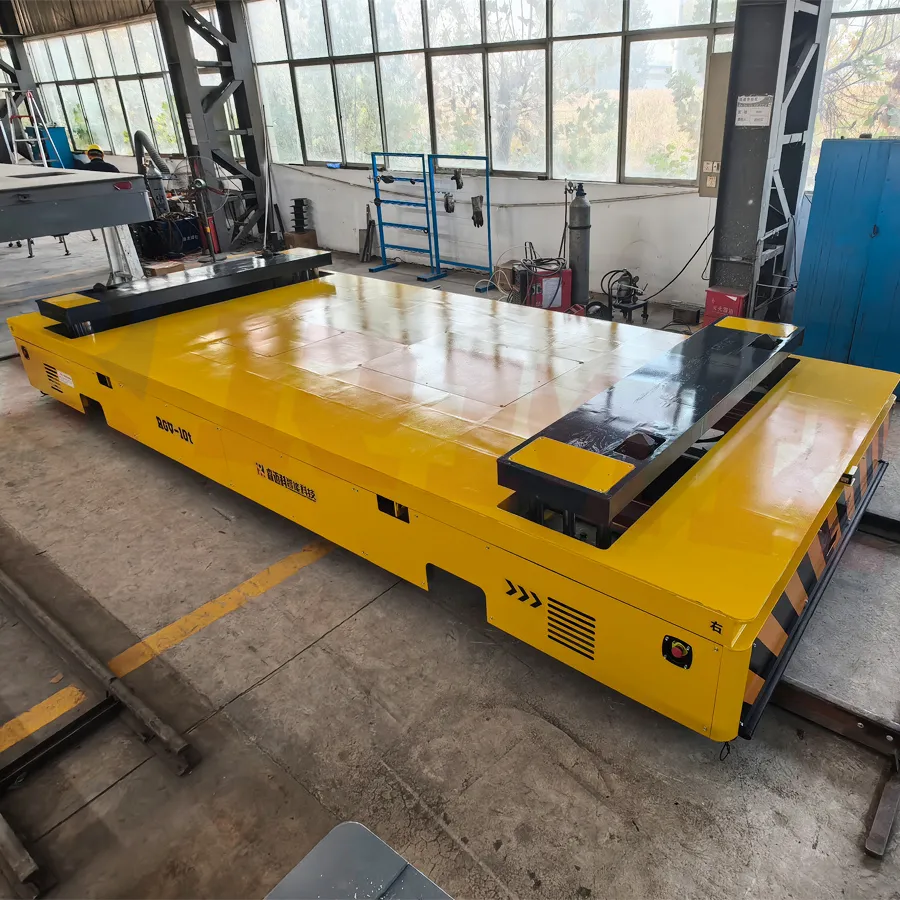
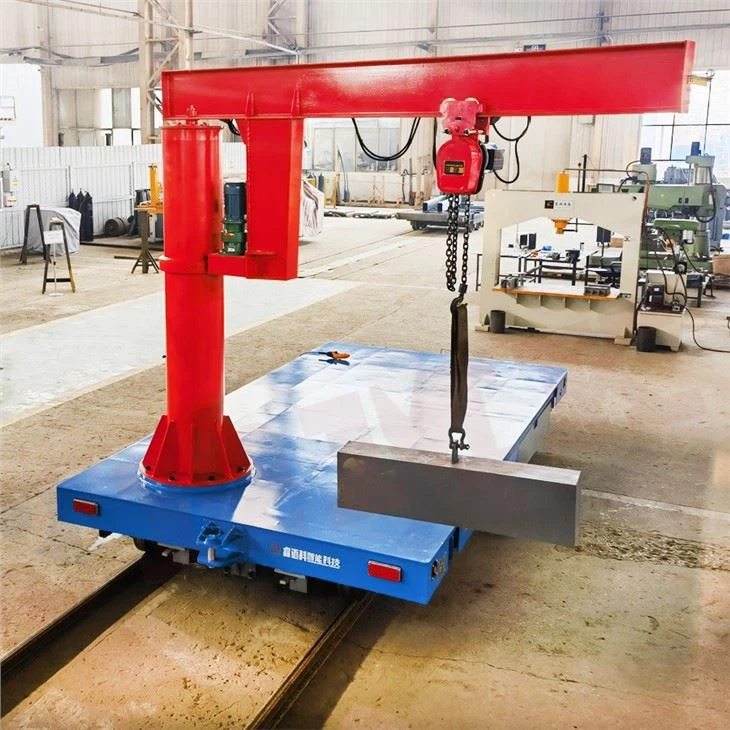
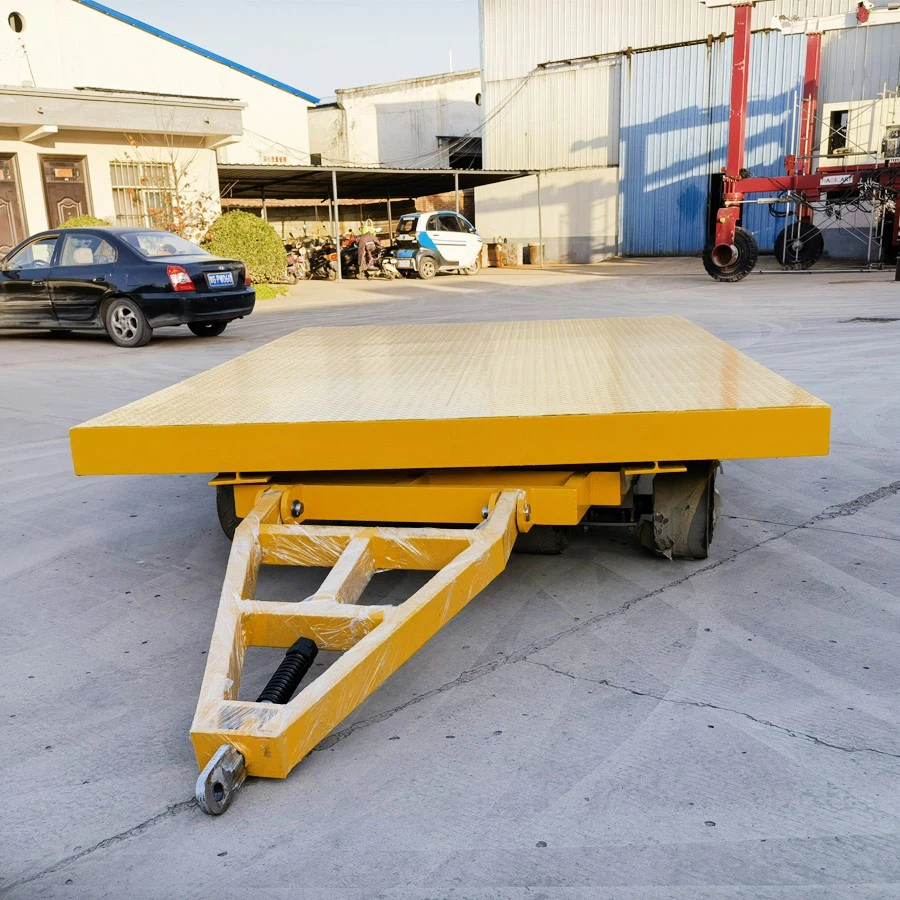
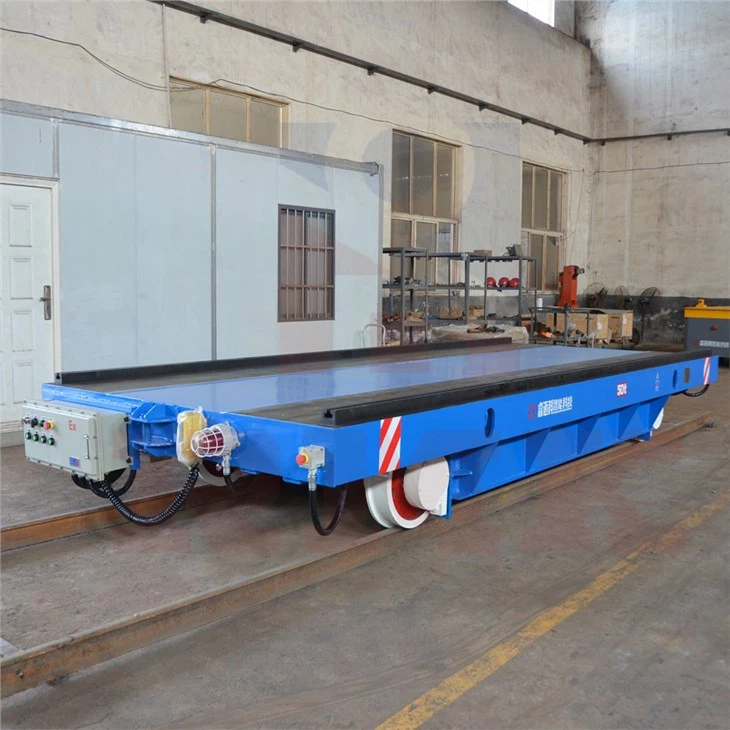
 Explosion-proof transfer cart
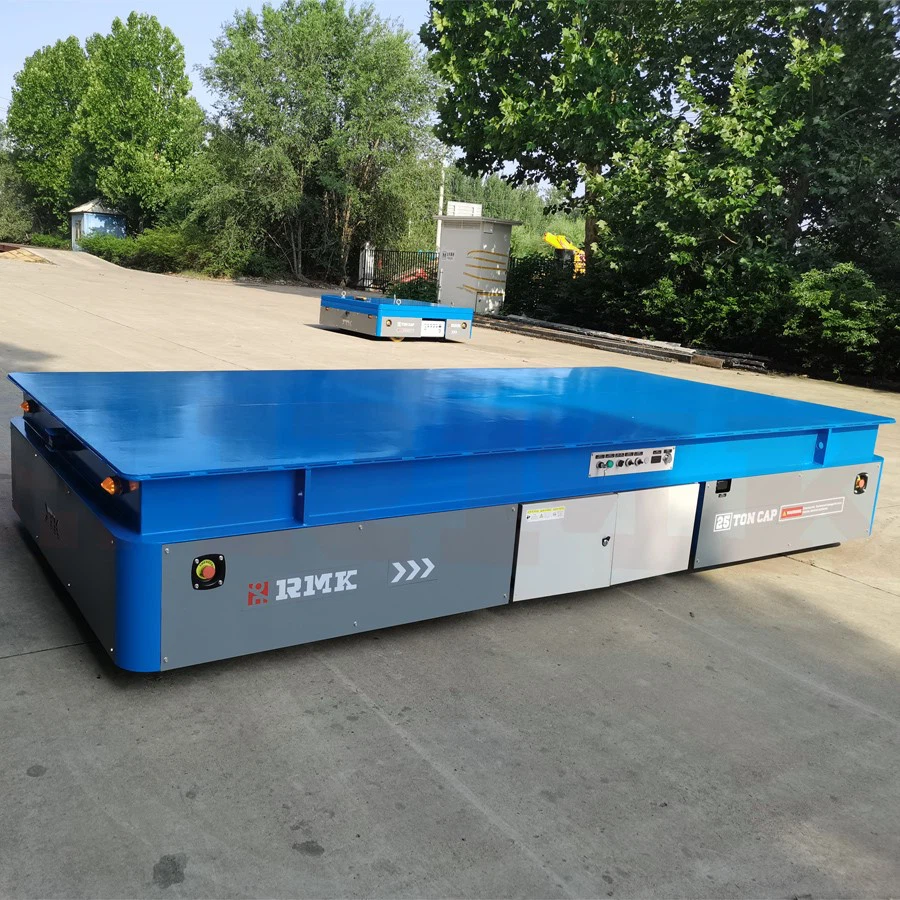
 Explosion-proof transfer cart
 Explosion-proof transfer cart
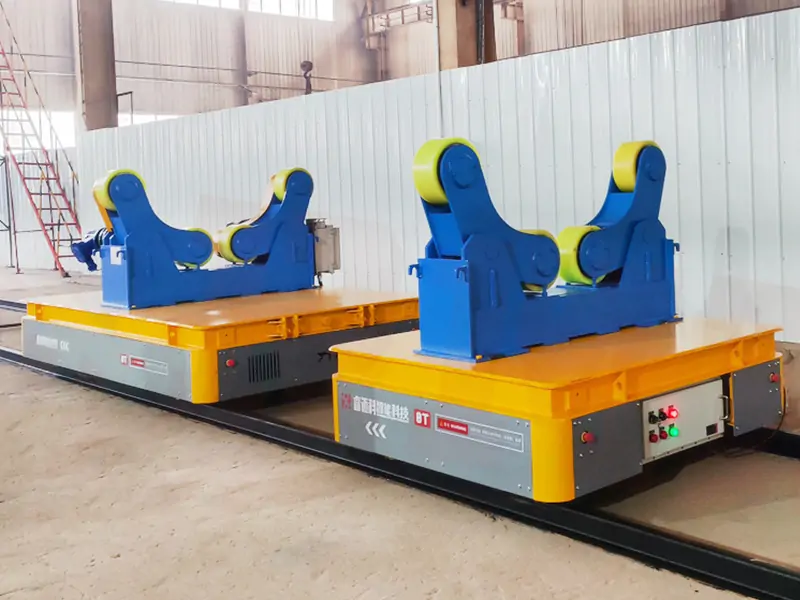 Explosion-proof transfer cart
What is an Explosion-proof transfer cart?
An explosion-proof transfer cart, also called an
ATEX/IECEx
Certified Transfer Cart, is an industrial handling equipment specifically designed for flammable and explosive environments. It is used in places with explosive gases or dust, such as chemical plants, petrochemical plants, coal mines, military enterprises, and spraying workshops. The equipment must comply with explosion-proof standard structural designs, special explosion-proof materials, and electrical systems to prevent sparks or high temperatures from causing danger. Usually running along fixed tracks and supporting remote or wire control operations, it has a load capacity of 1–300 tons. Some models also integrate customized functions such as automatic dumping and high-temperature resistance, achieving safe and stable material transportation in hazardous environments.
.
مقاطع الفيديو
How It Differs from Standard Transfer Carts
Although explosion-proof transfer carts and standard transfer carts share the same material handling function, they are designed for different operating environments. Differences in safety requirements, component selection, certification standards, and maintenance practices make each type suitable for specific industrial applications.
Comparison Item
Explosion-Proof Transfer Cart
Standard Transfer Cart
Design Standard
Built to meet explosion-proof requirements for hazardous areas.
Built for general industrial use.
Used in areas with flammable gases, vapors, or dust.
Used in factories, warehouses, ports, and workshops.
Electrical System
Equipped with explosion-proof motors, controls, and wiring.
Uses standard industrial electrical components.
Power Supply
Uses explosion-proof batteries and drive systems.
Battery, cable, rail, or busbar powered.
Safety Features
Anti-spark, anti-static, and flameproof protection.
Standard industrial safety features.
Certifications
Requires ATEX, IECEx, NEC, or similar certifications.
No explosion-proof certification required.
Maintenance Requirements
Regular inspection of certified safety components.
Routine industrial equipment maintenance.
Operator Training
Hazardous-area operation training recommended.
Standard operator training required.
Initial Investment
Higher due to specialized design and certification.
Lower purchase and operating costs.
Typical Applications
Oil & gas, petrochemical, chemical, mining, and storage facilities.
Manufacturing, logistics, steel plants, and warehouses.
Explosion-proof transfer carts are designed for hazardous environments where ignition risks must be controlled, while standard transfer carts are intended for material handling in non-hazardous industrial settings.
| Comparison Item | Explosion-Proof Transfer Cart | Standard Transfer Cart |
|---|---|---|
| Design Standard | Built to meet explosion-proof requirements for hazardous areas. | Built for general industrial use. |
| بيئة العمل | Used in areas with flammable gases, vapors, or dust. | Used in factories, warehouses, ports, and workshops. |
| Electrical System | Equipped with explosion-proof motors, controls, and wiring. | Uses standard industrial electrical components. |
| Power Supply | Uses explosion-proof batteries and drive systems. | Battery, cable, rail, or busbar powered. |
| Safety Features | Anti-spark, anti-static, and flameproof protection. | Standard industrial safety features. |
| Certifications | Requires ATEX, IECEx, NEC, or similar certifications. | No explosion-proof certification required. |
| Maintenance Requirements | Regular inspection of certified safety components. | Routine industrial equipment maintenance. |
| Operator Training | Hazardous-area operation training recommended. | Standard operator training required. |
| Initial Investment | Higher due to specialized design and certification. | Lower purchase and operating costs. |
| Typical Applications | Oil & gas, petrochemical, chemical, mining, and storage facilities. | Manufacturing, logistics, steel plants, and warehouses. |
Explosion-proof transfer carts are designed for hazardous environments where ignition risks must be controlled, while standard transfer carts are intended for material handling in non-hazardous industrial settings.
The choice between an explosion-proof transfer cart and a standard transfer cart depends primarily on the working environment. For facilities where flammable gases, vapors, or dust may be present, explosion-proof designs provide an added level of protection and compliance with industry safety requirements.
Why the Oil and Gas Industry Requires Explosion-Proof Transfer Carts
Oil and gas facilities often contain flammable gases, vapors, and combustible dust. In these environments, standard material handling equipment can create ignition risks. Explosion-proof transfer carts are designed for hazardous areas and help meet industry safety requirements.
Presence of Flammable Atmospheres
Flammable substances are commonly found during oil and gas extraction, processing, storage, and transportation.
Gas Hazards
Methane, propane, hydrogen sulfide, and hydrocarbon vapors may form explosive gas mixtures in refineries, tank farms, pumping stations, and offshore facilities.
Dust Hazards
Some production processes can also generate combustible dust.
Hazardous Area Classifications
These locations are classified as Zone 1, Zone 2, Zone 21, or Zone 22. Equipment operating in these areas must meet the required explosion-proof rating.
Ignition Source Risks
Standard transfer carts may create ignition sources during operation.
| Potential Ignition Source | Risk in Hazardous Areas | Explosion-Proof Solution |
|---|---|---|
| Electrical Sparks | Sparks from motors, switches, controllers, or wiring may ignite flammable gases. | Explosion-proof motors, control systems, and sealed electrical enclosures. |
| Mechanical Sparks | Friction or impact between metal components may generate sparks. | Low-spark materials and protected braking systems. |
| Hot Surfaces | Overheated motors and electrical components can become ignition sources. | Temperature-controlled designs that meet required temperature classes. |
| Static Electricity | Static buildup from moving equipment or materials may discharge unexpectedly. | Grounding systems and anti-static protection measures. |
| Battery Systems | Battery connections or charging processes may create ignition risks. | Explosion-proof battery compartments and protected power connections. |
Regulatory Requirements
Hazardous-area equipment must comply with applicable safety standards.
- Explosion-Proof Certification: Equipment should carry the required certification and explosion-proof marking.
- International Standards: ATEX, IECEx, and other regional certifications are commonly required.
- مطابقة تصنيف المنطقة: يجب أن يتوافق مستوى الحماية لعربة النقل مع المنطقة الخطرة التي تعمل فيها.
مخاطر استخدام المعدات غير المطابقة للمواصفات
قد يؤدي استخدام عربات النقل القياسية في المناطق الخطرة إلى:
- حرائق وانفجارات
- إصابات للأفراد
- تلف المعدات
- تلوث بيئي
- عقوبات تنظيمية
- توقف الإنتاج
بالنسبة لمنشآت النفط والغاز، يبدأ اختيار عربة النقل بتصنيف المنطقة الخطرة. يعد اختيار المعدات ذات التصنيف المناسب لمقاومة الانفجار والشهادة أمرًا ضروريًا للتشغيل في البيئات التي قد توجد فيها غازات أو أبخرة أو غبار قابل للاشتعال.
Hazardous Area Classifications Explained
تُصنف المناطق الخطرة وفقًا لاحتمالية ومدة وجود الغازات أو الأبخرة أو الغبار أو الألياف القابلة للاشتعال. تُستخدم هذه التصنيفات لتحديد مستوى الحماية المطلوب للمعدات العاملة في المنطقة.
نظام الفئة/القسم (أمريكا الشمالية)
الفئة الأولى، القسم 1 ← قد توجد غازات أو أبخرة قابلة للاشتعال أثناء التشغيل العادي.
الفئة الأولى، القسم 2 ← من المتوقع وجود غازات أو أبخرة قابلة للاشتعال فقط في ظل ظروف غير طبيعية.
الفئة الثانية ← المناطق التي قد يوجد فيها غبار قابل للاشتعال.
الفئة الثالثة ← المناطق التي تحتوي على ألياف أو مواد متطايرة قابلة للاشتعال.
المناطق الخطرة للغازات (نظام المناطق)
المنطقة 0 ← يوجد جو غازي متفجر بشكل مستمر أو لفترات طويلة.
المنطقة 1 ← قد يحدث جو غازي متفجر أثناء التشغيل العادي.
المنطقة 2 ← من غير المحتمل وجود جو غازي متفجر، وإذا وجد، فإنه يستمر لفترة وجيزة فقط.
المناطق الخطرة للغبار (نظام المناطق)
المنطقة 20 ← يوجد غبار قابل للاشتعال بشكل مستمر أو متكرر.
المنطقة 21 ← قد يحدث غبار قابل للاشتعال أثناء التشغيل العادي.
المنطقة 22 ← من غير المحتمل وجود غبار قابل للاشتعال، وإذا وجد، فإنه يستمر لفترات قصيرة فقط.
كلما ارتفع مستوى المخاطر، زاد تصنيف الحماية من الانفجار المطلوب للمعدات العاملة في المنطقة.
Safety Standards for Explosion-Proof Transfer Carts
يجب أن تتوافق عربات النقل المقاومة للانفجار المستخدمة في المناطق الخطرة مع معايير الحماية من الانفجار ذات الصلة. تغطي هذه المعايير تصميم المعدات والأنظمة الكهربائية والشهادات والتفتيش وسلامة التشغيل.
المعايير الأساسية
سلسلة GB/T 3836: تغطي متطلبات الحماية من الانفجار وتصنيفات المناطق الخطرة.
GB/T 19854-2018: المتطلبات الفنية للمركبات الصناعية المقاومة للانفجار.
GB 21668: متطلبات السلامة للمركبات العاملة في البيئات الخطرة.
متطلبات التصميم
الأنظمة الكهربائية المقاومة للانفجار: محركات ووحدات تحكم ومفاتيح وأسلاك معتمدة.
البناء منخفض الشرارة: مواد وتصاميم تقلل من توليد الشرارات.
الحماية من الكهرباء الساكنة: أنظمة تأريض لمنع التفريغ الساكن.
التحكم في درجة الحرارة: تبقى درجات حرارة الأسطح ضمن الحدود المعتمدة.
متطلبات الشهادات
شهادة مقاومة الانفجار: يجب أن تحمل المعدات الشهادة والعلامة المناسبة.
التفتيش الدوري: تساعد عمليات التفتيش المنتظمة في الحفاظ على أداء السلامة.
مطابقة المنطقة: يجب أن تتطابق تصنيفات المعدات مع تصنيف المنطقة الخطرة.
التطبيقات الصناعية
النفط والغاز: المصافي ومزارع الخزانات ومنشآت معالجة الغاز.
المصانع الكيميائية: المناطق التي تحتوي على مواد كيميائية أو أبخرة قابلة للاشتعال.
منشآت التعدين والتخزين: المواقع التي تحتوي على غازات أو غبار قابل للاشتعال.
الشهادة الصحيحة وتصنيف الحماية والتفتيش الدوري ضرورية عند تشغيل عربات النقل في المناطق الخطرة.
الميزات
تم تصميم عربة النقل المقاومة للانفجار خصيصًا للبيئات القابلة للاشتعال والانفجار (مثل مناجم الفحم والمواد الكيميائية والنفط والغاز، إلخ)، وتتمتع بخصائص حماية متعددة وخصائص تقنية للتكيف مع ظروف العمل الخاصة:
- الهيكل المقاوم للانفجار: تستخدم المكونات الأساسية (المحركات ووحدات التحكم، إلخ) أغلفة مقاومة للهب أو دوائر آمنة جوهريًا لمنع تسرب الشرارات بشكل صارم.
- معالجة المواد: يستخدم هيكل المركبة مواد مقاومة للكهرباء الساكنة ودرجات الحرارة العالية؛ ويخضع سطح التحميل لمعالجة مقاومة للانفجار لتحمل تأثيرات درجات الحرارة العالية.
- خيارات طاقة متنوعة: يدعم محركات الديزل المقاومة للانفجار (مناسبة للمنحدرات الطويلة)، أو البطاريات (خالية من الصيانة، منخفضة التكلفة)، أو مصدر طاقة السكك الحديدية منخفض الجهد.
- استقرار القيادة: تصميمات هيكل الزاحف أو السكك الحديدية تتكيف مع التضاريس المعقدة، ومجهزة بفرامل رطبة لضمان السلامة على المنحدرات الثقيلة.
- القيادة ثنائية الاتجاه: كبائن جانبية أو دعم للتوجيه في المكان يسمح بالتشغيل ذهابًا وإيابًا في الممرات الضيقة دون الحاجة إلى الدوران.
- الملاحة الذكية: تدمج الطرازات المتطورة الملاحة بالليزر/الشريط المغناطيسي والتحكم عن بعد لتحقيق النقل الآلي.
- حماية متعددة: توقف طارئ مدمج، وتجنب العوائق بالليزر، ورادار مضاد للاصطدام، وفرملة كهرومغناطيسية توفر سلامة تشغيل متعددة الأبعاد.
- ظروف العمل القاسية: تتميز بتصاميم مقاومة للحرارة والرطوبة والغبار لتلبية متطلبات البيئات القاسية مثل نقل الفولاذ المنصهر.
- نطاق الحمولة: يغطي نطاقًا من 1 طن إلى 300 طن، ويتكيف مع أنواع مختلفة من مناولة المواد الخفيفة والثقيلة.
- التوسع الوظيفي: اختياري رفع هيدروليكي، أو آليات تثبيت، أو محطات ضخ تدعم دمج مناولة المواد وعمليات التشغيل.
من خلال عربة النقل المقاومة للانفجار، والطاقة المستقرة، والتشغيل المرن، والحماية المتعددة، تحل عربة النقل المقاومة للانفجار صعوبات نقل المواد في البيئات القابلة للاشتعال والانفجار. تُستخدم على نطاق واسع في صناعات تعدين الفحم والكيماويات والصلب وغيرها، مما يحسن الكفاءة والسلامة في البيئات عالية المخاطر.
Types of Explosion-proof transfer cart
تطورت عربة النقل المقاومة للانفجار إلى مجموعة متنوعة من الأشكال التقنية المتخصصة. بناءً على مصادر الطاقة المختلفة ومسارات السفر ومستويات الأتمتة، يتم تصنيف هذه الأجهزة بدقة إلى النماذج النموذجية التالية:
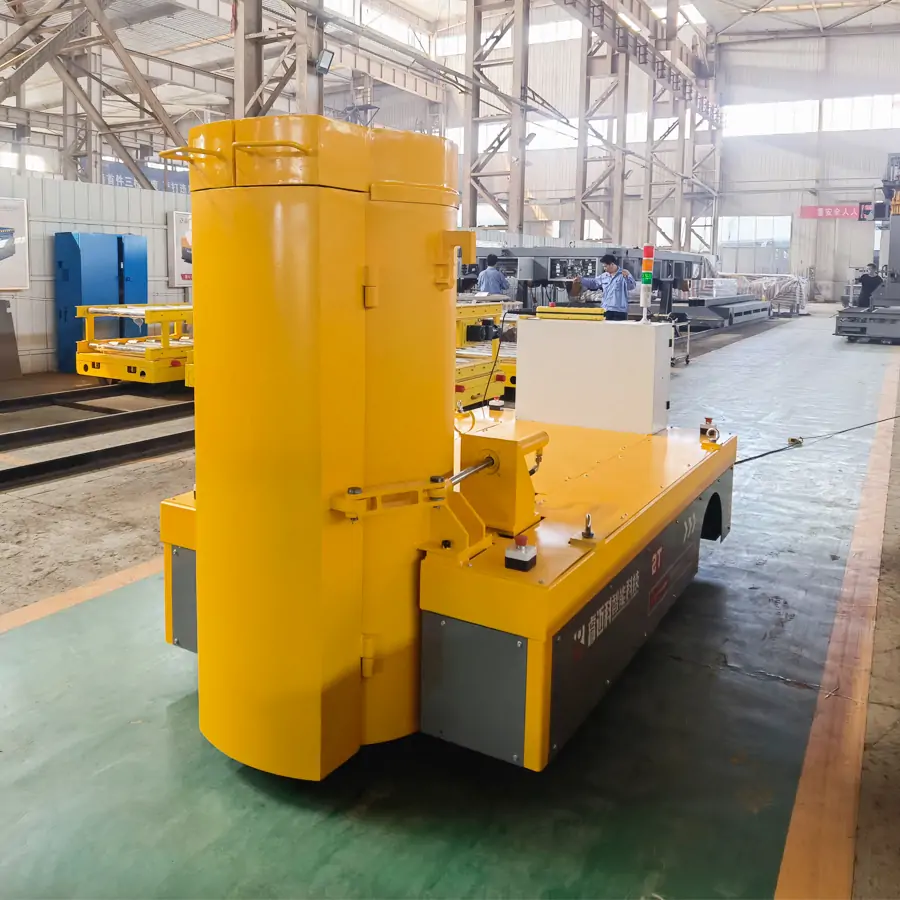
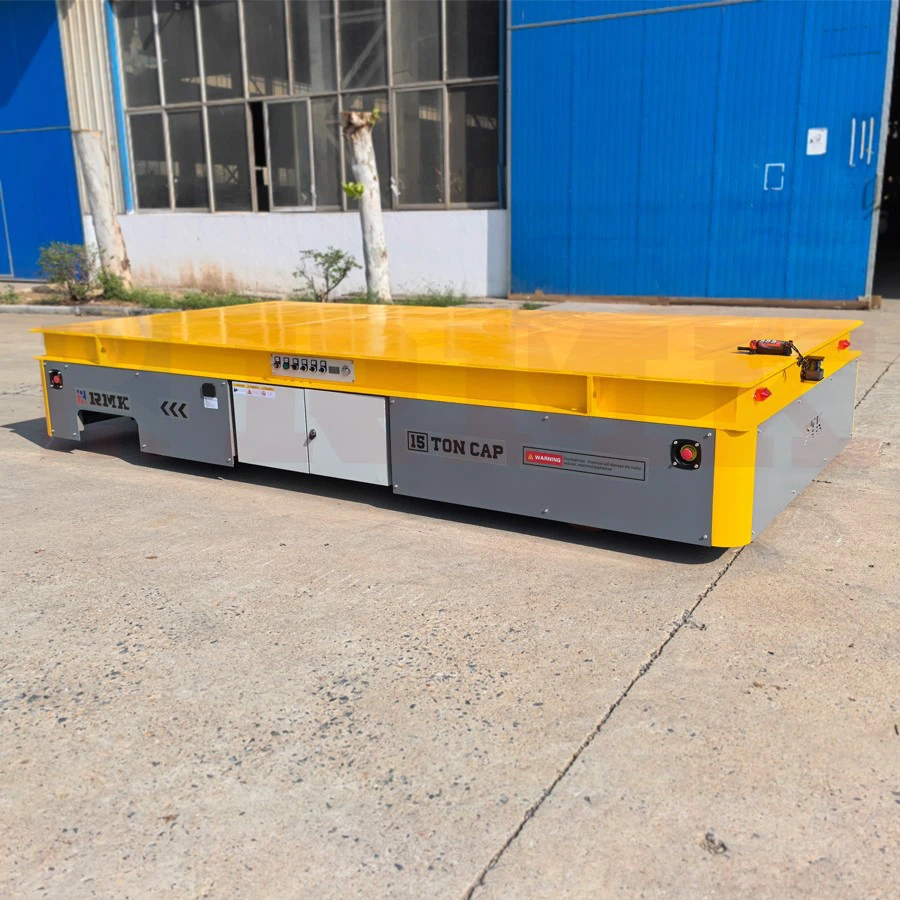
عربة نقل سكك حديدية بقدرة 50 طنًا هي عربة مسطحة كهربائية تعمل بالبطارية
A 50-ton class rail transfer car, powered by battery/cable reel, supporting handheld remote control and unmanned operation. It has a strong bearing capacity and a reliable structure, adapting to harsh working conditions such as high temperature, high humidity, and high dust.
2. Typical Applications: Aerospace equipment handling, metallurgy, chemical, mining, military, shipbuilding, and heavy industry scenarios, suitable for high-load, continuous operation, and intelligent production lines.
3. Supports unmanned or remote control operation, available in various forms such as rail, trackless, and AGV. Load capacity is 2–300 tons, providing multiple power supply modes like battery, cable reel, and low-voltage rail to adapt to different working needs.
4. Typical Applications: Applied in industries such as aerospace, chemical, steel, warehousing, and mining, suitable for efficient and safe transportation of large equipment, heavy materials, and automated production lines.
5. This Ex-proof Motorized Trolley features unmanned operation and an integrated roller-type transfer mechanism, adapted to automated production lines.
6. Typical Applications: Chemical raw material transfer, pharmaceutical clean workshops, lithium battery dust environments; for instance, Huhengan explosion-proof AGVs have been applied in batches for hazardous chemical intelligent warehousing.
7. motorized transfer cart
8. Zero emissions, low noise, load coverage 30–200 tons, suitable for indoor and outdoor heavy-load scenarios.
9. Typical Applications: Steel plants, ports, automated production lines; for example, Hangzhou Haosheng’s 80-ton explosion-proof electric transfer car can operate continuously for 16 hours in -30°C extreme cold environments.
10. When enterprises select equipment, they must consider the explosion-proof rating, operational space, and material characteristics to choose the most suitable model, thereby fundamentally eliminating ignition source risks. Through the following case study, let’s see how an explosion-proof transfer car builds a solid safety barrier for material handling in hazardous environments.
11. Industrial Background
12. : In the oil and gas industry, large storage tanks have large volumes, high weight, and weak structures. Traditional lifting methods easily damage the tank body. In complex workshop environments, there is an urgent need for a safer and more efficient handling solution.
13. 50 Ton Battery Omnidirectional Transfer Cart for Oil & Gas Storage Tank Handling
14. Solutions: 50-ton battery omnidirectional transport vehicle
15. Battery-driven, trackless omnidirectional movement, adapting to complex working conditions.
16. Servo motor + steering wheel system, achieving 360° in-place rotation and zero turning radius.
17. Polymer pallet lifting design with a lifting height of 300mm, achieving lifting-free handling.
18. Vehicle body size 8000×3000×800mm, adapted to 4000–13000mm storage tanks.
19. Multi-drive system supports stable transportation of 1–50 ton loads.
20. Suitable for narrow spaces and crane blind area operations.
21. : Realized safe and non-destructive handling of large storage tanks, avoided traditional lifting risks, improved workshop transportation efficiency, reduced reliance on labor and equipment, and significantly optimized operations in complex spaces.
22. The 50-ton battery omnidirectional Explosion-proof Transfer Cart effectively solves the handling difficulties of large storage tanks in the oil and gas industry. With its omnidirectional movement and lifting design, it achieves high-efficiency, safe, and precise transportation, providing a reliable solution for lifting-free handling of heavy equipment.
23. Selecting an explosion-proof transfer cart starts with understanding the operating environment, load requirements, and applicable safety standards.
24. Confirm the Hazardous Area Classification
25. Hazardous Area Rating → Determine whether the cart will operate in Zone 0, Zone 1, Zone 2, or other classified areas. The explosion-proof rating must match the site classification.
26. Define Load and Platform Requirements
27. Load Capacity → Select the required capacity based on the weight of the materials being transported.
28. Platform Size → The cart dimensions should fit the load size and available operating space.
29. Choose the Power Supply System
30. Battery Powered → Suitable for flexible operation without cable restrictions.
31. Low-Voltage Rail Powered → Common for high-frequency and long-distance transport.
32. Cable Reel Powered → Suitable for fixed routes and demanding environments.
33. Busbar Powered → Ideal for continuous operation on dedicated tracks.
34. Review Explosion-Proof Features
35. Electrical Components → Motors, controllers, switches, and wiring should use certified explosion-proof designs.
36. Structural Protection → Low-spark materials and anti-static measures are important in hazardous areas.
37. Temperature Rating → Surface temperatures should comply with the site requirements.
38. Verify Certifications
39. Explosion-Proof Certification → Check that the equipment carries the required certification for the target market.
40. Area Compatibility → Confirm that the certification matches the hazardous area classification.
41. Evaluate the Manufacturer
42. Industry Experience → Look for suppliers with experience in explosion-proof material handling equipment.
43. Customization Capability → Verify available options for load capacity, dimensions, power systems, and controls.
44. After-Sales Support → Consider technical support, spare parts availability, and warranty coverage.
45. The right explosion-proof transfer cart should match the hazardous area classification, load requirements, operating conditions, and applicable certification standards. A properly selected system can provide reliable material handling performance in demanding industrial environments.
46. Regular maintenance and inspection help keep explosion-proof transfer carts in good operating condition and preserve the integrity of critical safety components.
47. Electrical System Inspection — Check motors, controllers, wiring, and connections for wear or damage.
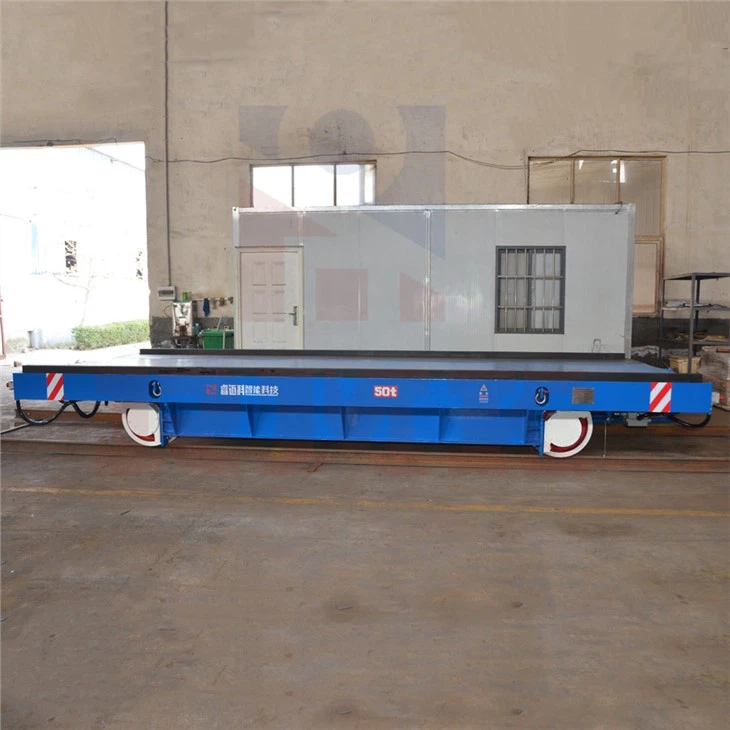
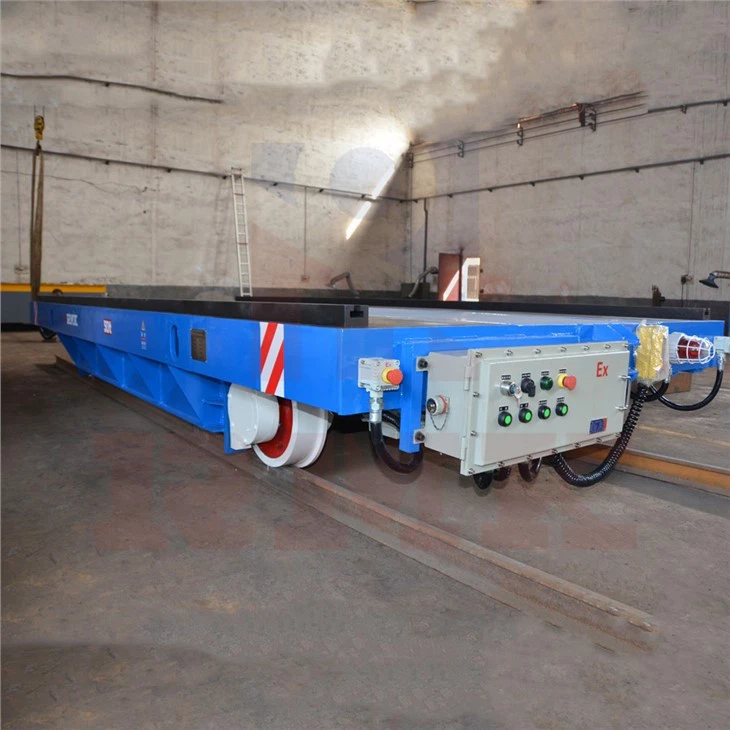
Typical Applications: Aerospace equipment handling, metallurgy, chemical, mining, military, shipbuilding, and heavy industry scenarios, suitable for high-load, continuous operation, and intelligent production lines.
عربة نقل كهربائية
Supports unmanned or remote control operation, available in various forms such as rail, trackless, and AGV. Load capacity is 2–300 tons, providing multiple power supply modes like battery, cable reel, and low-voltage rail to adapt to different working needs.
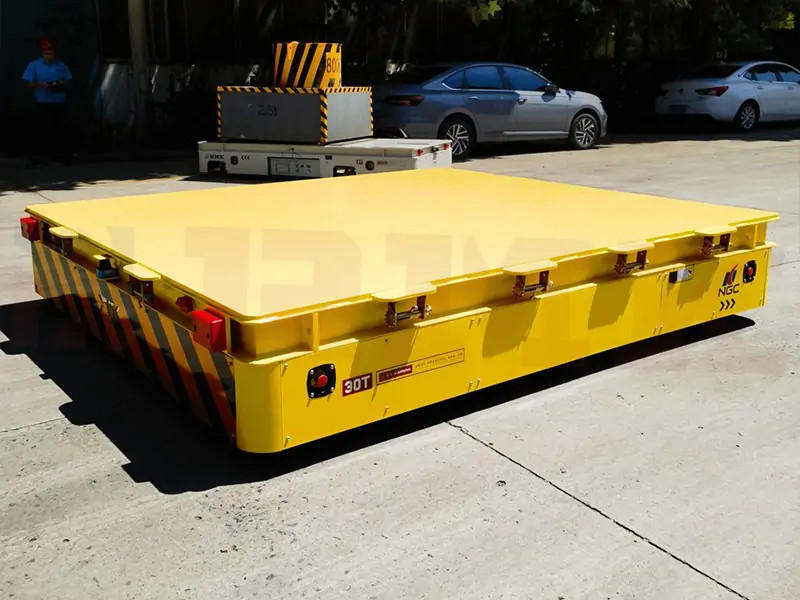
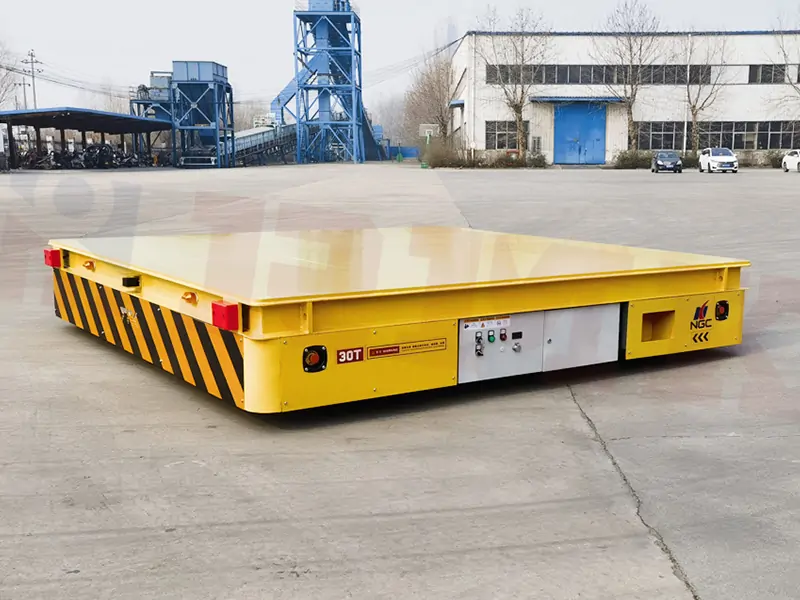
Typical Applications: Applied in industries such as aerospace, chemical, steel, warehousing, and mining, suitable for efficient and safe transportation of large equipment, heavy materials, and automated production lines.
العربة الموجهة الآلية AGV
This Ex-proof Motorized Trolley features unmanned operation and an integrated roller-type transfer mechanism, adapted to automated production lines.
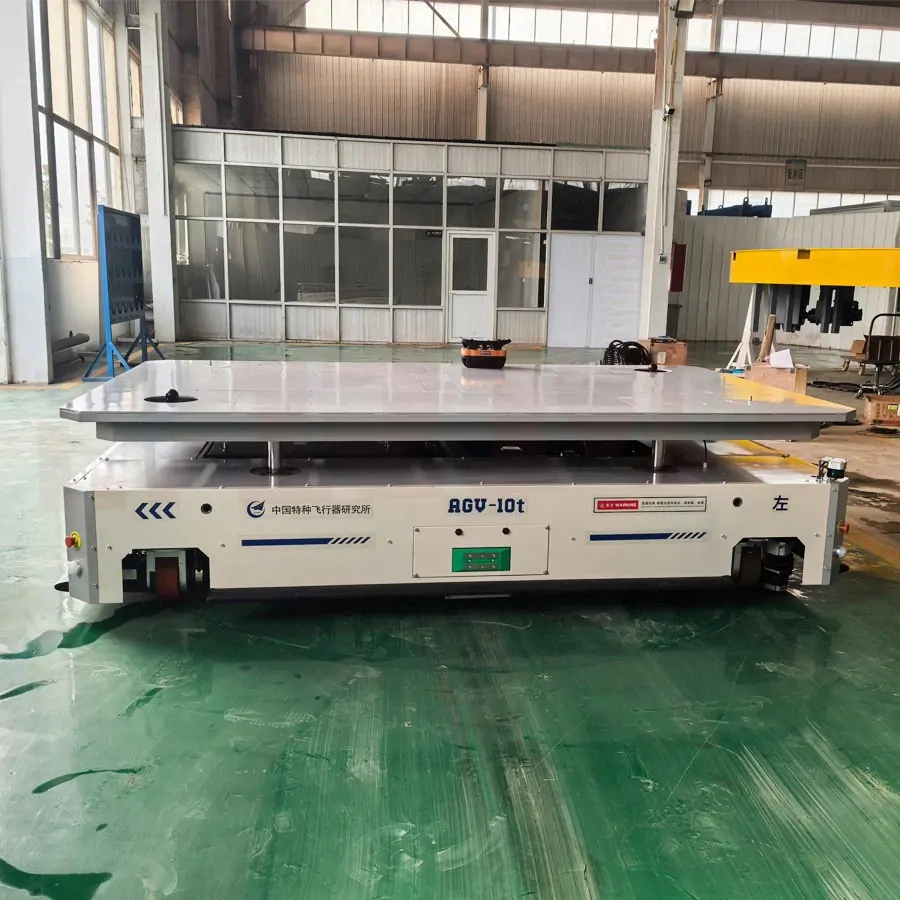
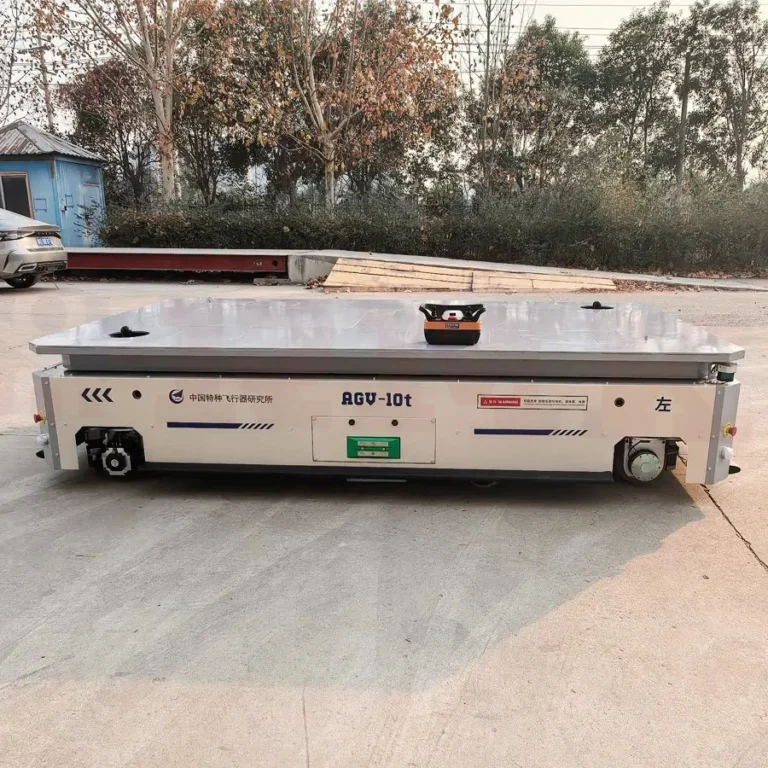
Typical Applications: Chemical raw material transfer, pharmaceutical clean workshops, lithium battery dust environments; for instance, Huhengan explosion-proof AGVs have been applied in batches for hazardous chemical intelligent warehousing.
motorized transfer cart
Zero emissions, low noise, load coverage 30–200 tons, suitable for indoor and outdoor heavy-load scenarios.
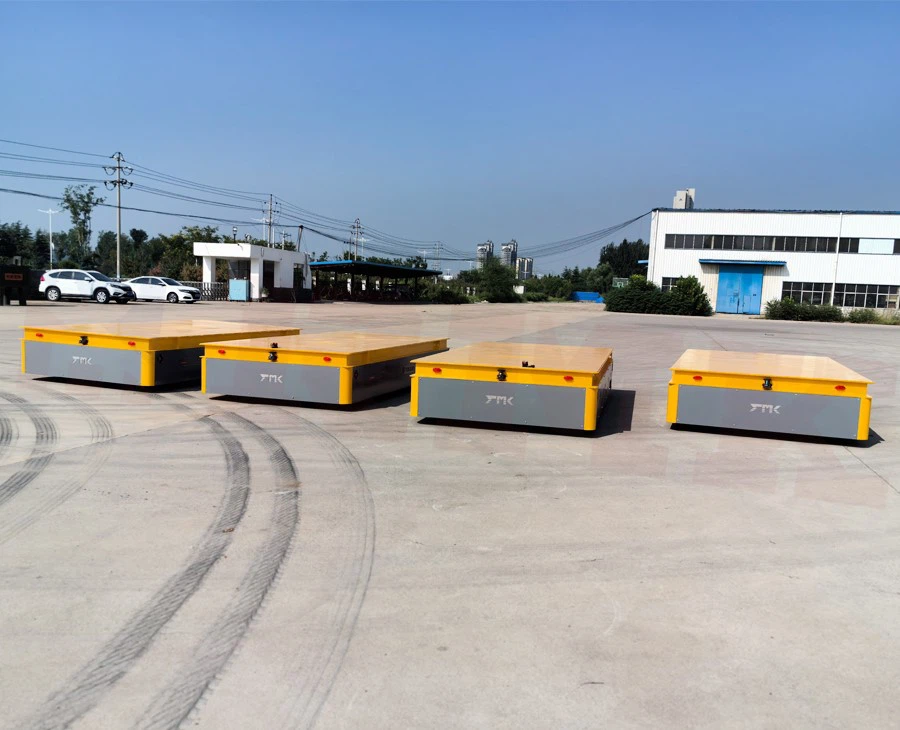
Typical Applications: Steel plants, ports, automated production lines; for example, Hangzhou Haosheng’s 80-ton explosion-proof electric transfer car can operate continuously for 16 hours in -30°C extreme cold environments.
عند اختيار المعدات، يجب على المؤسسات مراعاة تصنيف الحماية من الانفجار، ومساحة التشغيل، وخصائص المواد لاختيار الطراز الأنسب، وبالتالي القضاء على مخاطر مصادر الاشتعال بشكل أساسي. من خلال دراسة الحالة التالية، دعنا نرى كيف تبني عربة النقل المضادة للانفجار حاجز أمان قويًا لمناولة المواد في البيئات الخطرة.
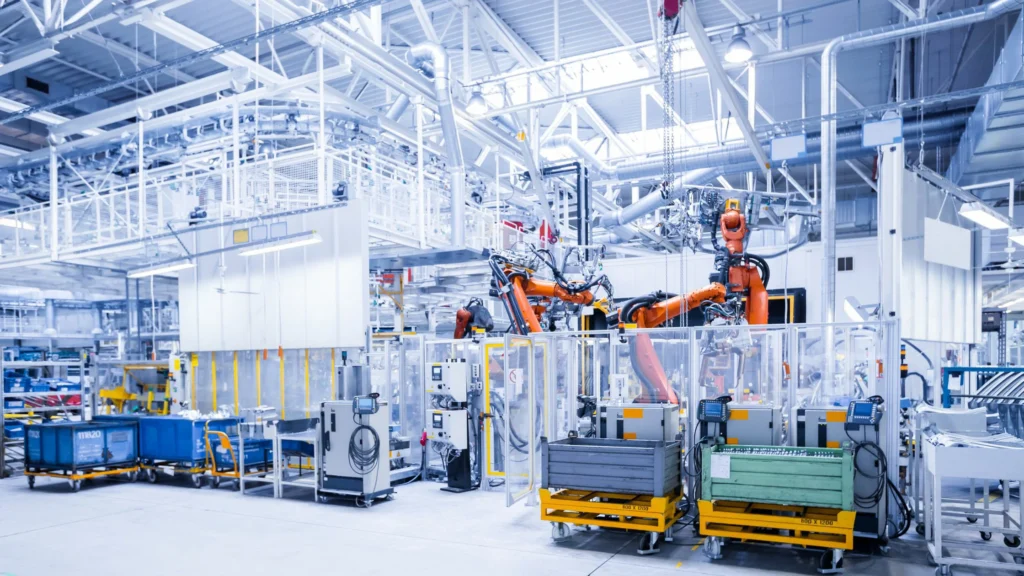
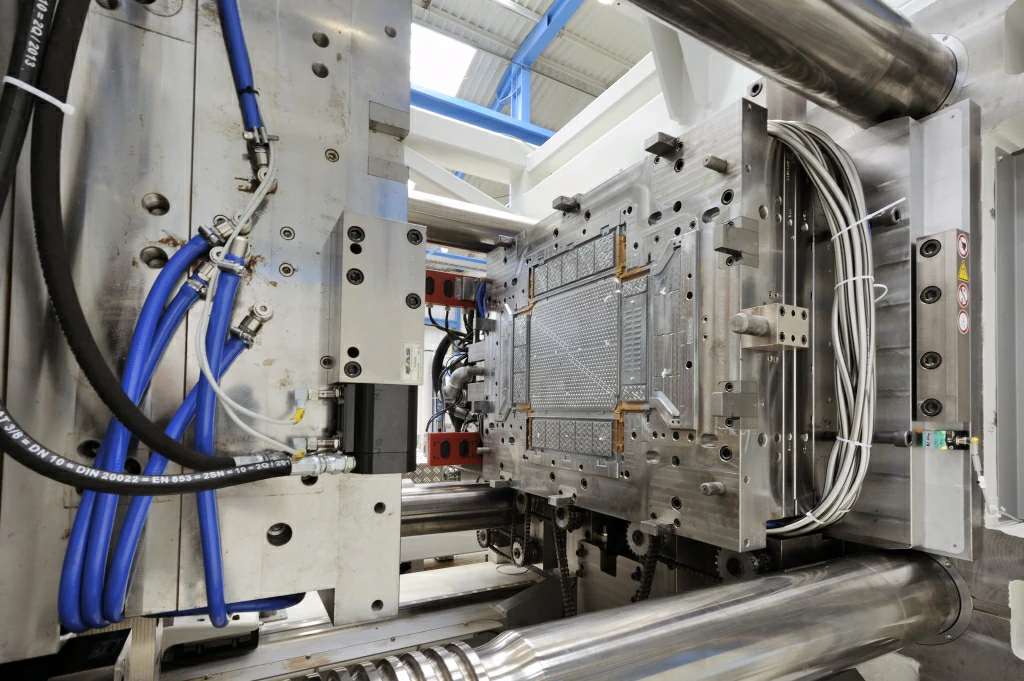
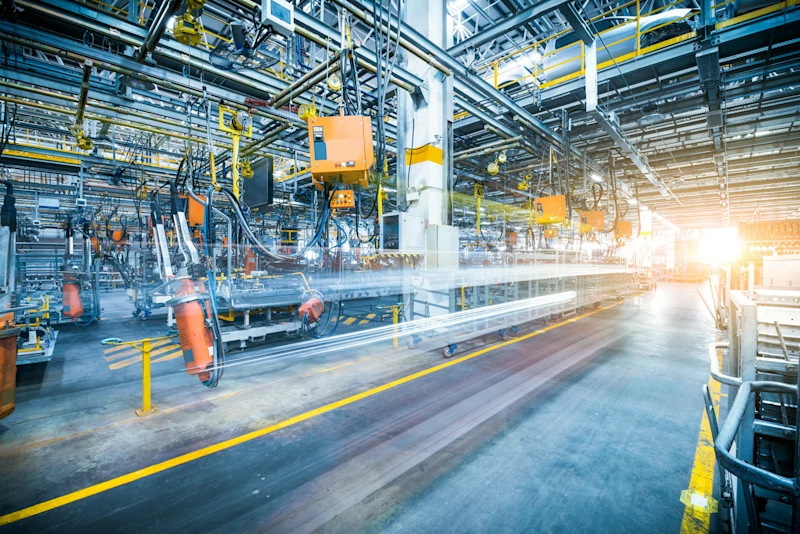
سيناريوهات التطبيق
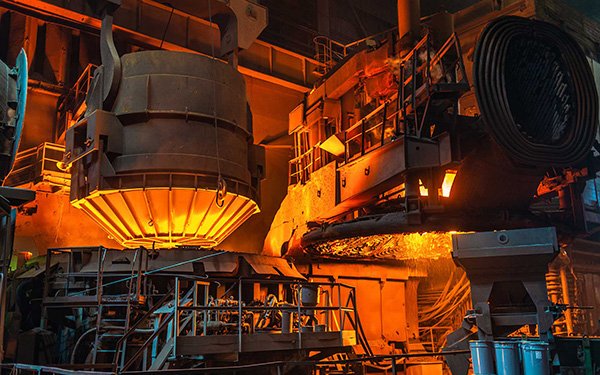
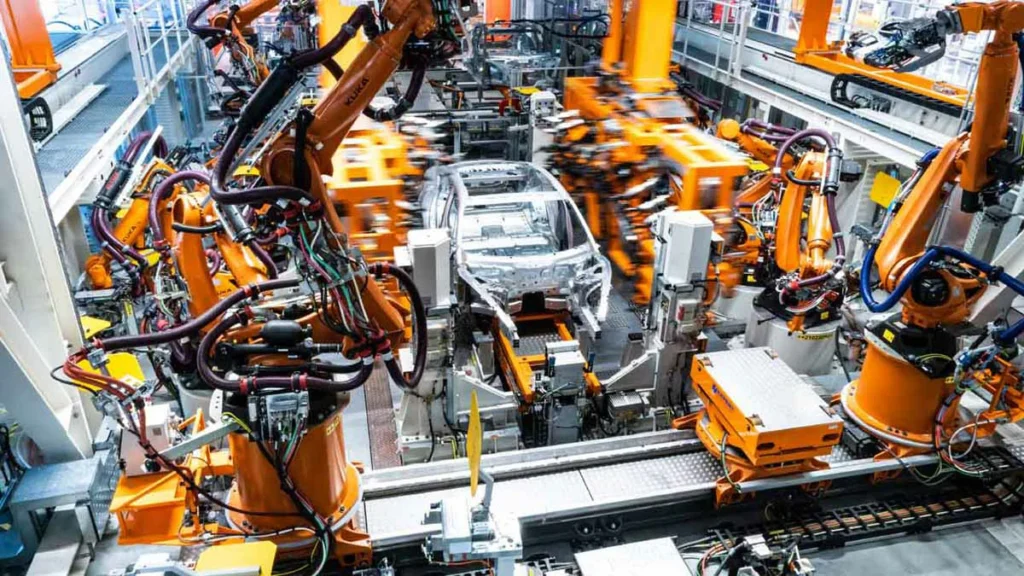
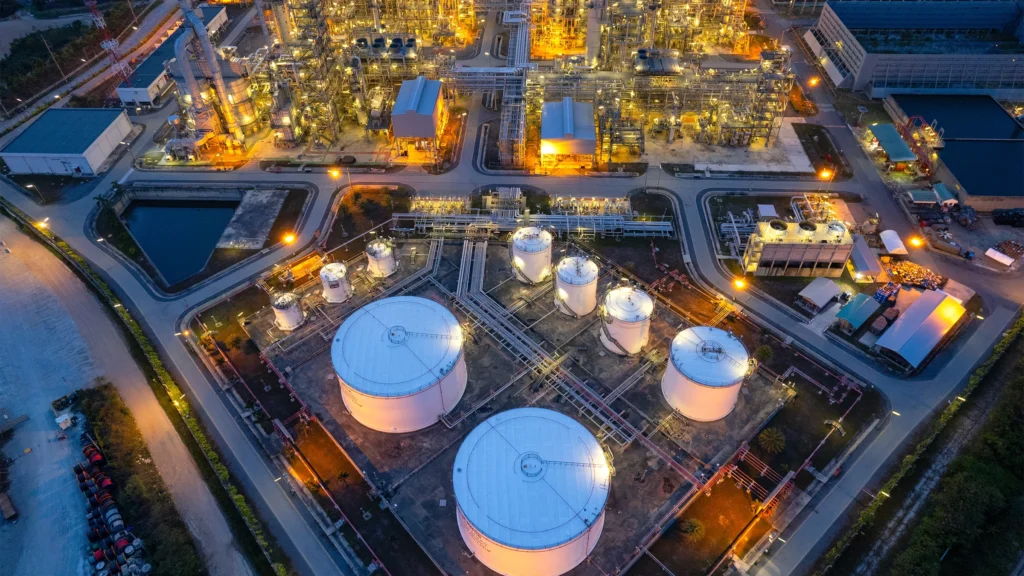
Case Study
الخلفية الصناعية: في صناعة النفط والغاز، تتميز خزانات التخزين الكبيرة بأحجام كبيرة ووزن مرتفع وهياكل ضعيفة. طرق الرفع التقليدية تتلف بسهولة جسم الخزان. في بيئات الورش المعقدة، هناك حاجة ملحة لحل مناولة أكثر أمانًا وكفاءة.
رائع الحلول: عربة نقل متعددة الاتجاهات تعمل بالبطارية بسعة 50 طنًا
- تعمل بالبطارية، حركة متعددة الاتجاهات بدون مسارات، تتكيف مع ظروف العمل المعقدة.
- نظام محرك سيرفو + عجلة توجيه، يحقق دورانًا في المكان بزاوية 360° ونصف قطر دوران صفري.
- تصميم رفع منصة بوليمر بارتفاع رفع 300 مم، يحقق مناولة بدون رفع.
- حجم هيكل العربة 8000×3000×800 مم، متكيف مع خزانات تخزين بطول 4000–13000 مم.
- نظام دفع متعدد يدعم النقل المستقر لأحمال من 1 إلى 50 طنًا.
- مناسب للمساحات الضيقة والعمليات في المناطق العمياء للرافعات.
النتائج: تم تحقيق مناولة آمنة وغير مدمرة لخزانات التخزين الكبيرة، وتجنب مخاطر الرفع التقليدية، وتحسين كفاءة النقل في الورش، وتقليل الاعتماد على العمالة والمعدات، وتحسين العمليات بشكل كبير في المساحات المعقدة.
عربة النقل المضادة للانفجار متعددة الاتجاهات التي تعمل بالبطارية بسعة 50 طنًا تحل بشكل فعال صعوبات مناولة خزانات التخزين الكبيرة في صناعة النفط والغاز. بفضل تصميمها متعدد الاتجاهات والرفع، تحقق نقلًا عالي الكفاءة وآمن ودقيق، وتوفر حلاً موثوقًا لمناولة المعدات الثقيلة بدون رفع.
How to Choose the Right Explosion-Proof Transfer Cart
يبدأ اختيار عربة النقل المضادة للانفجار بفهم بيئة التشغيل ومتطلبات الحمولة ومعايير السلامة المطبقة.
تأكيد تصنيف المنطقة الخطرة
تصنيف المنطقة الخطرة → تحديد ما إذا كانت العربة ستعمل في المنطقة 0 أو المنطقة 1 أو المنطقة 2 أو مناطق مصنفة أخرى. يجب أن يتطابق التصنيف المضاد للانفجار مع تصنيف الموقع.
تحديد متطلبات الحمولة والمنصة
- سعة الحمولة → اختيار السعة المطلوبة بناءً على وزن المواد المنقولة.
- حجم المنصة → يجب أن تتناسب أبعاد العربة مع حجم الحمولة ومساحة التشغيل المتاحة.
اختيار نظام إمداد الطاقة
- تعمل بالبطارية → مناسبة للتشغيل المرن دون قيود الكابلات.
- تعمل بقضبان الجهد المنخفض → شائعة للنقل عالي التردد والمسافات الطويلة.
- تعمل ببكرة الكابل → مناسبة للمسارات الثابتة والبيئات الصعبة.
- تعمل بقضبان التوصيل → مثالية للتشغيل المستمر على مسارات مخصصة.
مراجعة ميزات الحماية من الانفجار
- المكونات الكهربائية → يجب أن تستخدم المحركات ووحدات التحكم والمفاتيح والأسلاك تصاميم معتمدة مضادة للانفجار.
- الحماية الهيكلية → المواد منخفضة الشرارة والتدابير المضادة للكهرباء الساكنة مهمة في المناطق الخطرة.
- تصنيف درجة الحرارة → يجب أن تتوافق درجات حرارة السطح مع متطلبات الموقع.
التحقق من الشهادات
- شهادة الحماية من الانفجار → التحقق من أن المعدات تحمل الشهادة المطلوبة للسوق المستهدف.
- توافق المنطقة → التأكد من أن الشهادة تتطابق مع تصنيف المنطقة الخطرة.
تقييم الشركة المصنعة
- الخبرة الصناعية → البحث عن موردين لديهم خبرة في معدات مناولة المواد المضادة للانفجار.
- قدرة التخصيص → التحقق من الخيارات المتاحة لسعة الحمولة والأبعاد وأنظمة الطاقة وأجهزة التحكم.
- دعم ما بعد البيع → النظر في الدعم الفني وتوفر قطع الغيار وتغطية الضمان.
يجب أن تتوافق عربة النقل المضادة للانفجار المناسبة مع تصنيف المنطقة الخطرة، ومتطلبات الحمولة، وظروف التشغيل، ومعايير الاعتماد السارية. يمكن للنظام المختار بشكل صحيح أن يوفر أداءً موثوقًا لمناولة المواد في البيئات الصناعية الصعبة.
Maintenance and Inspection
تساعد الصيانة الدورية والفحص في الحفاظ على عربات النقل المضادة للانفجار في حالة تشغيل جيدة والحفاظ على سلامة مكونات السلامة الحيوية.
فحص النظام الكهربائي — التحقق من المحركات، ووحدات التحكم، والأسلاك، والتوصيلات بحثًا عن التآكل أو التلف.
فحص المكونات المضادة للانفجار — افحص العبوات، والأختام، وصناديق الكابلات، والمكونات المعتمدة بانتظام.
صيانة البطارية — راقب حالة البطارية، والتوصيلات، وأنظمة الشحن في الطرازات التي تعمل بالبطارية.
أجهزة التأريض ومضادات الكهرباء الساكنة — تحقق من أن أنظمة التأريض والمكونات المضادة للكهرباء الساكنة تعمل بشكل صحيح.
فحص نظام العجلات والقيادة — افحص العجلات، والمحامل، والمكابح، وآليات القيادة بحثًا عن التآكل المفرط.
اختبار السلامة الروتيني — اختبر وظائف التوقف الطارئ، والإنذارات، وأنظمة التحكم على فترات زمنية مجدولة.
يمكن لبرنامج الصيانة الوقائية والفحوصات المنتظمة المساعدة في الحفاظ على التشغيل الآمن، وتقليل وقت التوقف، وإطالة عمر خدمة المعدات في البيئات الخطرة.
الخاتمة
في الإنتاج الصناعي الذي يتضمن مواد قابلة للاشتعال والانفجار والتآكل، تكون السلامة دائمًا شرطًا أساسيًا للكفاءة. في مواجهة متطلبات مستوى الحماية من الانفجار المعقدة وظروف العمل المتقلبة، يتطلب العثور على عربة النقل المضادة للانفجار المناسبة شريكًا يمتلك مؤهلات كاملة للحماية من الانفجار على مستوى المركبة وخبرة صناعية عميقة.

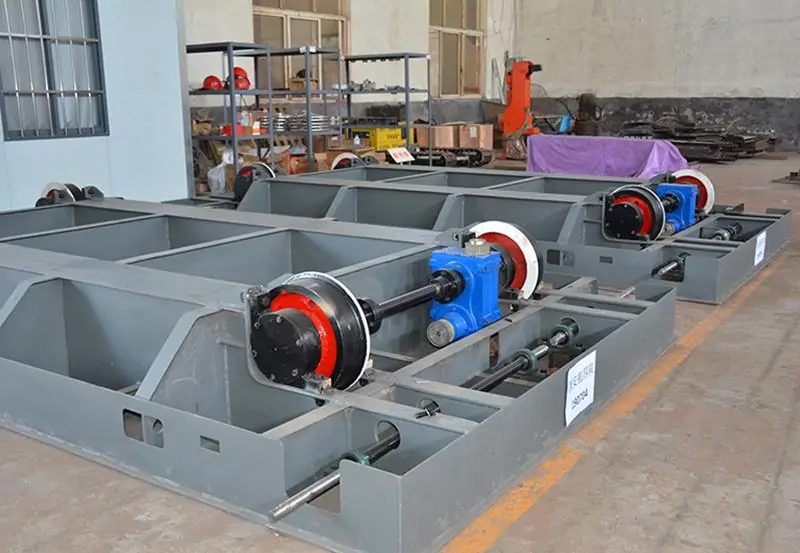
رائع لديها فريق تقني محترف وهي مورد عالمي رائد لحلول مناولة المواد الثقيلة. يمكننا تزويدك بحلول نقل مضادة للانفجار مخصصة تلبي معايير السلامة الدولية. اتصل بخبرائنا اليوم للحصول على اقتراح حل المناولة الآمن الحصري الخاص بك.
البريد الإلكتروني: transfercart@rmkzn.com
الهاتف: +86-18637369355
FAQS
ما هو تصنيف الحماية من الانفجار؟
ج: هذه علامة شهادة سلامة: Ex يشير إلى مضاد للانفجار؛ d هو مقاوم للهب؛ IIB مناسب لمجموعات الغازات مثل الإيثيلين؛ T4 يحد من درجة حرارة سطح المعدات بحيث لا تتجاوز 135 درجة مئوية. يجب مطابقته وفقًا للوسيط في الموقع.
كيف نمنع الشرر الناتج عن التصادمات الميكانيكية؟
ج: استخدم “المعالجة الناعمة”: منصة الشحن مغطاة بألواح نحاسية مضادة للانفجار أو فولاذ مقاوم للصدأ، وتستخدم الأجزاء الدوارة محامل وأختام غير مولدة للشرر للقضاء على شرر التصادم والاحتكاك على المستوى المادي.
هل هناك متطلبات خاصة لعجلات السيارات المضادة للانفجار؟
ج: يجب أن تكون مضادة للكهرباء الساكنة. تُستخدم عجلات البولي يوريثين المضادة للكهرباء الساكنة مع سلسلة توصيل أرضية لضمان تصدير الكهرباء الساكنة المتولدة أثناء التشغيل إلى الأرض في الوقت الفعلي، مما يمنع التفريغ الكهروستاتيكي من التسبب في انفجار.
هل يمكن استخدامها في الهواء الطلق أو في البيئات الرطبة؟
ج: نعم. يتمتع الجهاز بتصنيف حماية عالي IP65/IP66. بالإضافة إلى كونه مضادًا للانفجار، فهو أيضًا مقاوم للماء والغبار والتآكل، ومناسب للمصانع الكيميائية ومحطات التحميل الخارجية.
هل مصدر الطاقة لسيارة النقل المضادة للانفجار آمن؟
ج: نعم. تستخدم صندوق بطارية محكم الإغلاق مقاوم للهب (بطارية تخزين أو بطارية ليثيوم) مع أنظمة مدمجة لمراقبة تسرب الهيدروجين والحماية من الحرارة الزائدة لضمان أن نظام الطاقة لا يصبح مصدر اشتعال في المناطق الخطرة.
ما المختلف في نظام الملاحة لمركبة AGV المضادة للانفجار؟
ج: يجب أن تكون الأجهزة معتمدة. يجب تثبيت جميع أجهزة LiDAR والكاميرات وأجهزة الاستشعار في أغلفة مضادة للانفجار أو اختيار أجهزة استشعار خاصة اجتازت شهادة السلامة الجوهرية.
كيف نضمن التوقف الفوري في حالات الطوارئ؟
ج: اعتماد مكابح متعددة التكرار (كهرومغناطيسية + ميكانيكية). بالاقتران مع أجهزة تجنب العوائق بالليزر من الدرجة المضادة للانفجار، يكون وقت استجابة النظام منخفضًا يصل إلى 0.3 ثانية، مما يضمن الكبح الفوري حتى تحت الحمل الكامل.
كم من الوقت يستغرق تخصيص سيارة مضادة للانفجار؟
ج: نظرًا للاختيار الخاص والاختبارات الصارمة للحماية من الانفجار، تكون الدورة عادةً من 8 إلى 12 أسبوعًا. يجب أن تخضع كل قطعة من المعدات لشهادة سلامة صارمة قبل مغادرة المصنع.