İçindekiler
Giriş
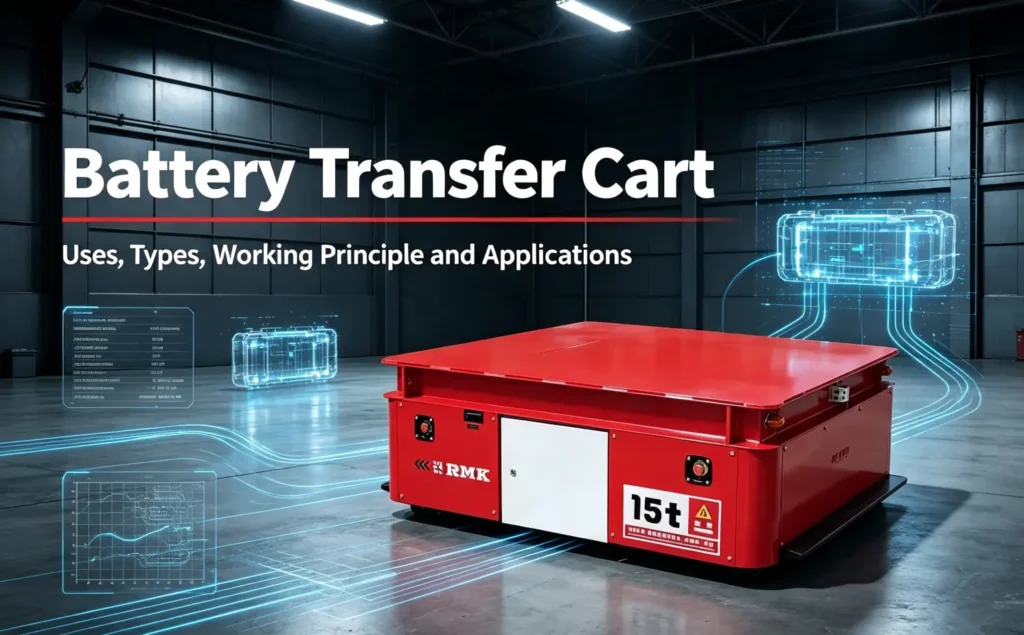
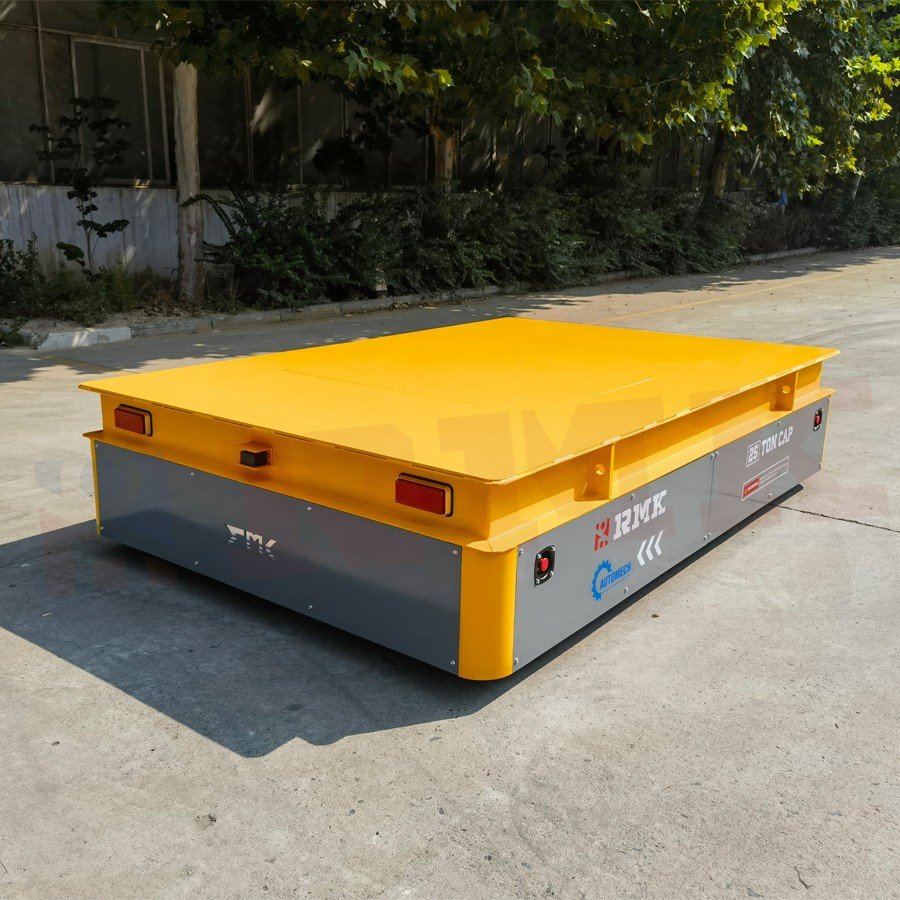
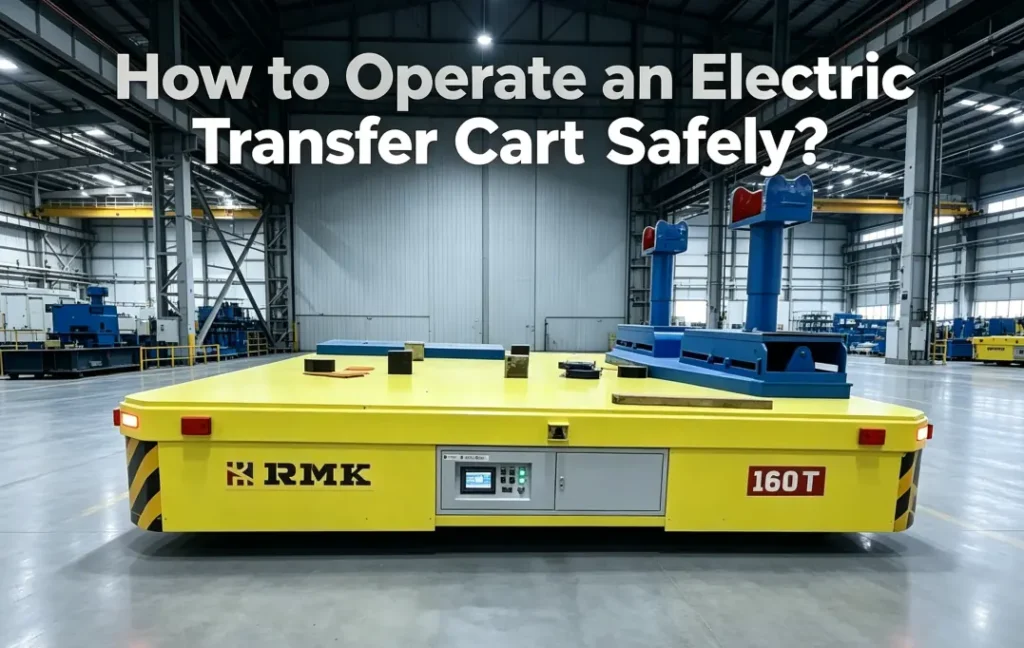
Değişen üretim düzenlerine sahip fabrikalar, dahili malzeme taşımacılığı için esnek ekipmanlara ihtiyaç duyar. Bir elektrikli izsiz transfer arabası , sabit raylar olmadan ağır malzemeleri taşıyan, atölyeler, montaj alanları, depolar ve diğer endüstriyel ortamlar için uygun, aküyle çalışan bir taşıma aracıdır.
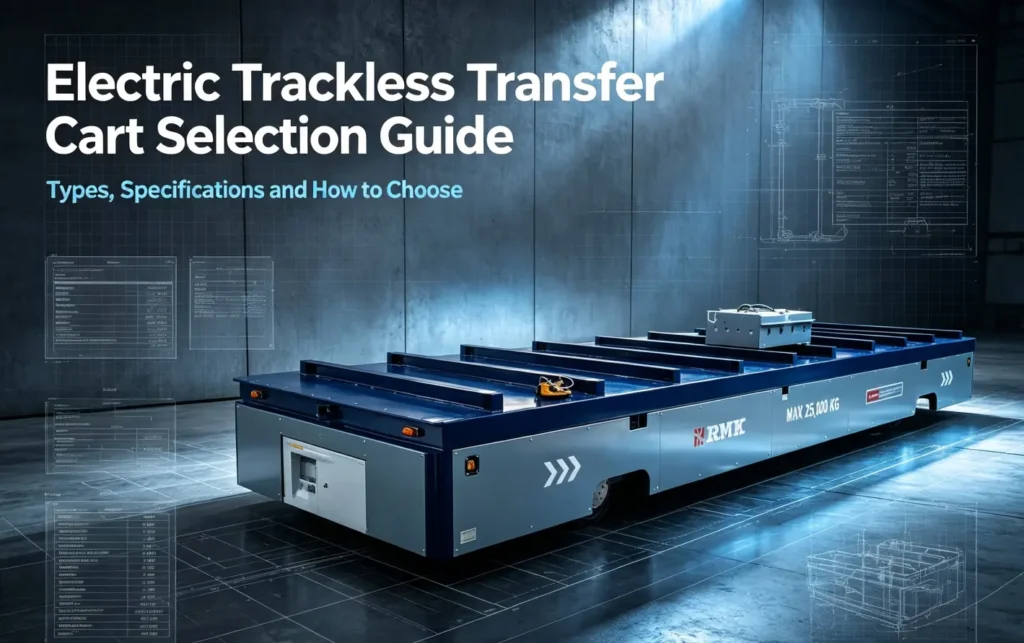
Bu kılavuz, elektrikli raylı olmayan transfer arabalarının yapısını, çalışma yöntemini, tiplerini, teknik özelliklerini ve seçim noktalarını kapsar. İçerik, yük kapasitesi, akü konfigürasyonu, direksiyon sistemi ve uygulama koşullarına odaklanarak kullanıcıların malzeme taşıma gereksinimleri için uygun bir model seçmesine yardımcı olur.
Elektrikli Raylı Olmayan Transfer Arabası Nedir?
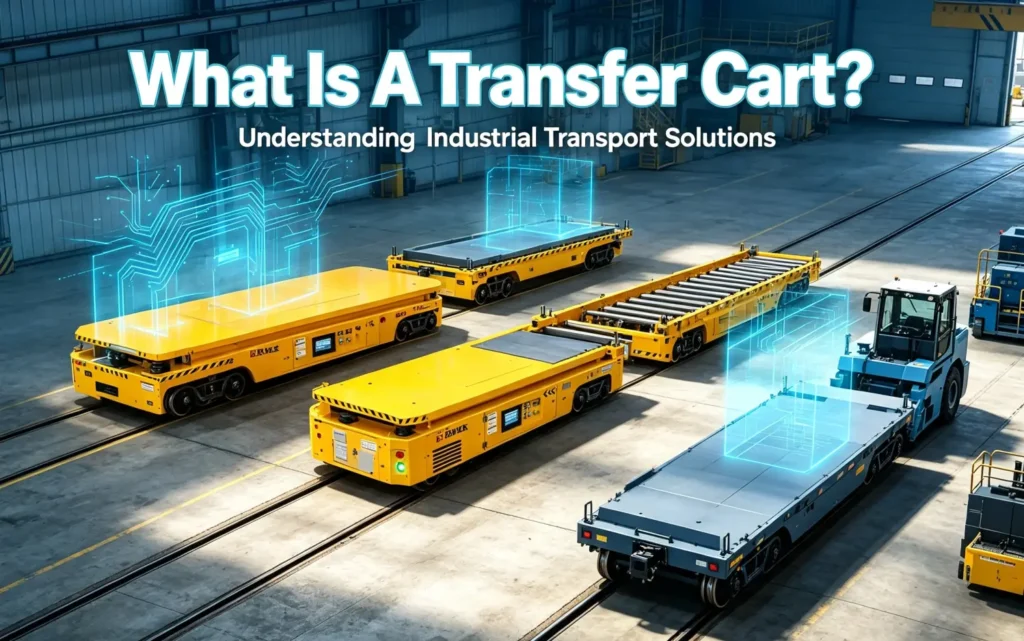
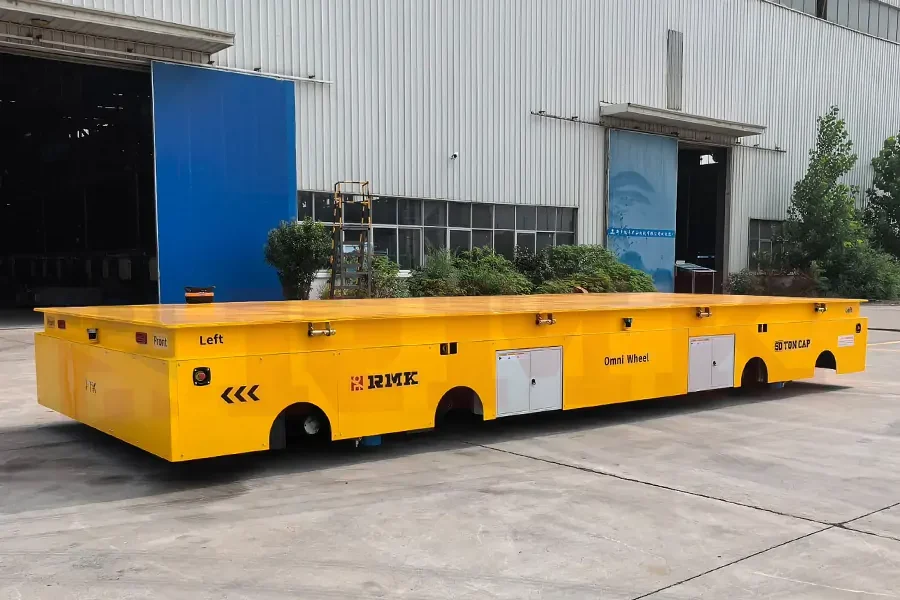
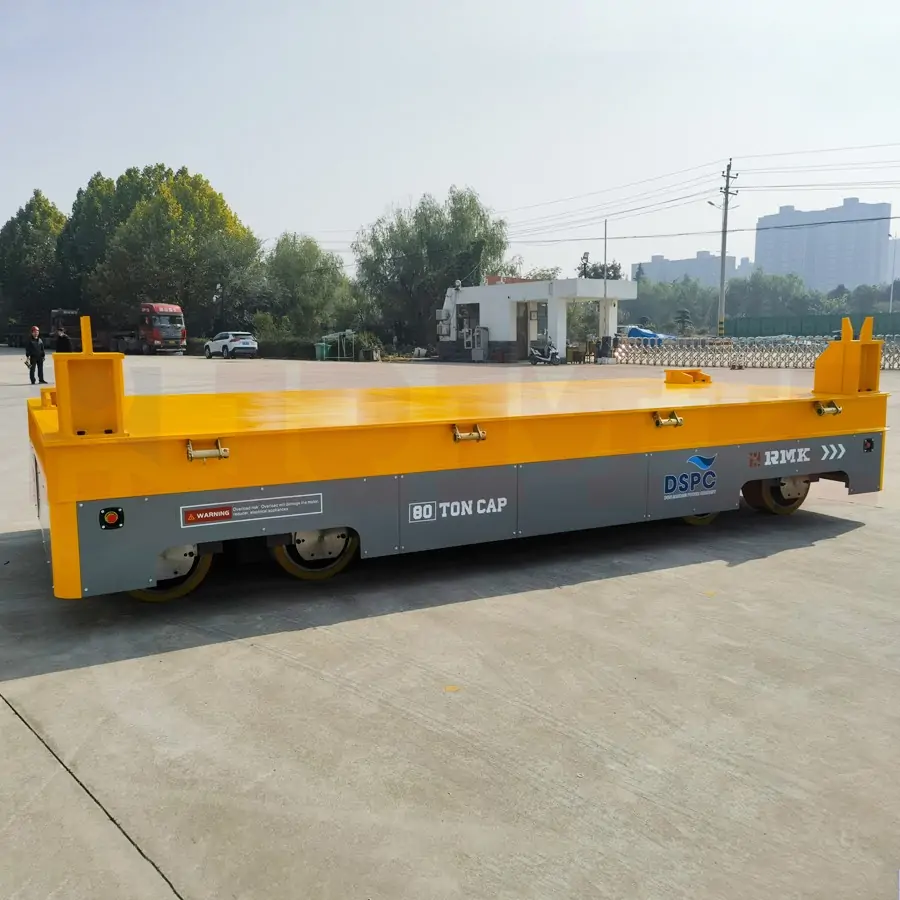
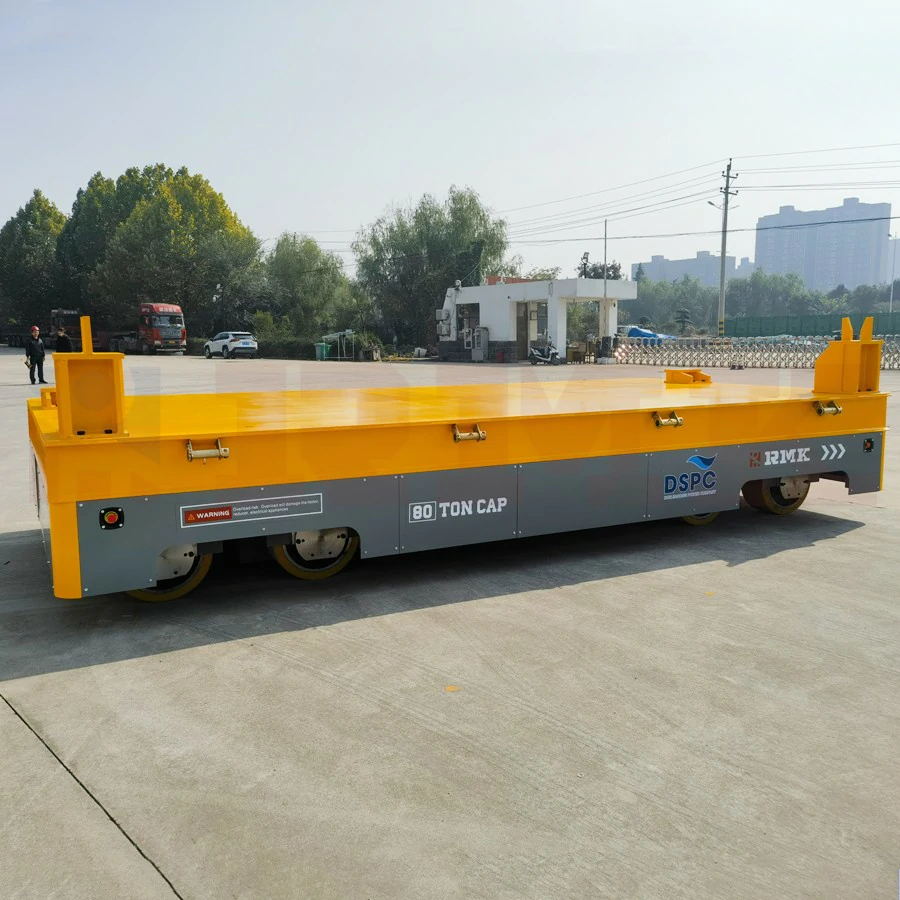
Elektrikli raylı olmayan transfer arabası, raylı olmayan akülü düz araba veya kauçuk tekerlekli transfer aracı olarak da bilinir, sabit raylar olmadan çalışan bir malzeme taşıma aracıdır. Motoru ve tahrik sistemini çalıştırmak için araç üstü şarj edilebilir aküler kullanır ve fabrikalarda, depolarda ve atölyelerde esnek hareket sağlar.
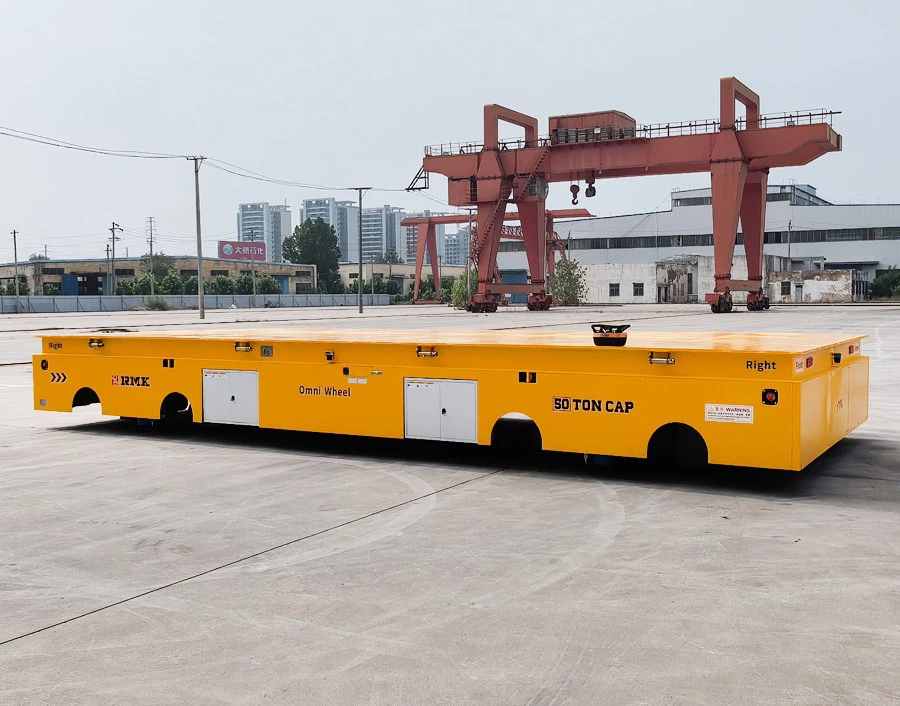
Araba; çelik şasi, tahrik sistemi, direksiyon mekanizması, fren sistemi ve kontrol ünitesinden oluşur. Kauçuk tekerlekler, beton veya epoksi zeminlerde stabil hareket sağlarken, direksiyon sistemi dar alanlarda ve değişen üretim alanlarında çalışmaya olanak tanır. Standart modeller genellikle 1–50 ton taşır; daha yüksek yükler için özel tasarımlar mevcuttur.
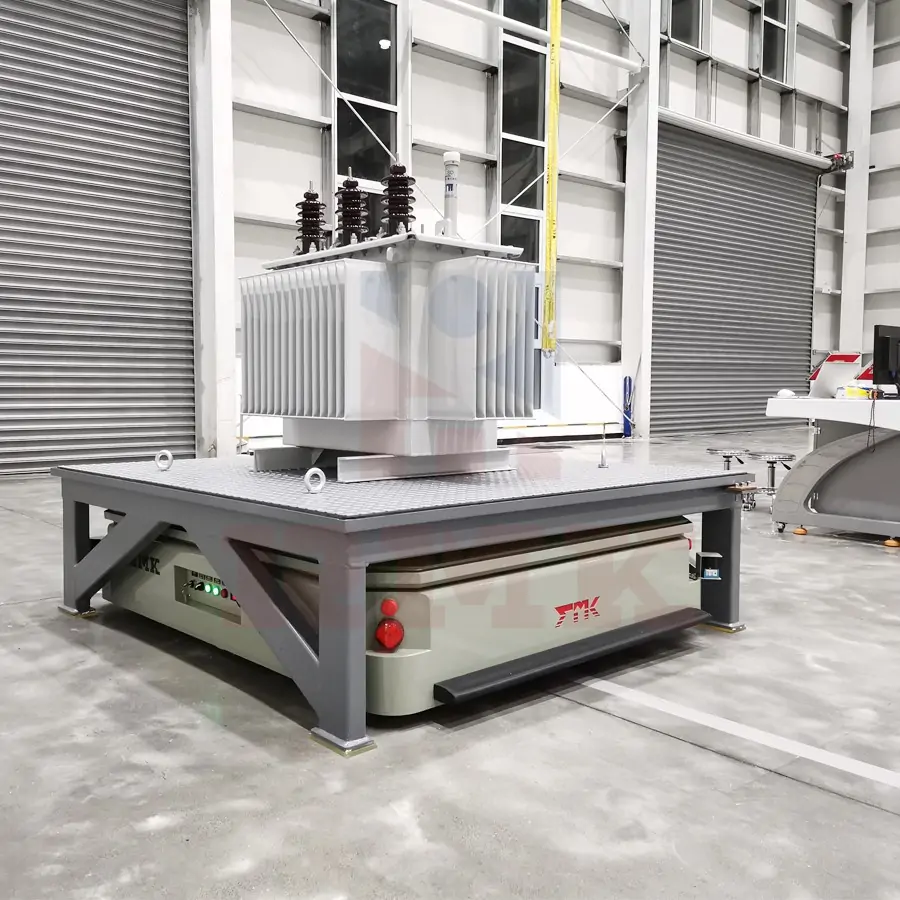
Ray kurulumu gerektirmediğinden, elektrikli raylı olmayan transfer arabaları daha az kurulum süresiyle farklı çalışma alanları arasında taşınabilir. Kalıp taşıma, montaj hattı besleme ve ağır malzeme transferi için yaygın olarak kullanılırlar. Otomatik taşıma uygulamaları için uzaktan kumanda, engel algılama ve AGV navigasyon sistemleri eklenebilir.
Elektrikli Raylı Olmayan Transfer Arabası Nasıl Çalışır?
Elektrikli raylı olmayan transfer arabası, sabit raylar olmadan ağır malzemeleri taşımak için aküyle çalışan bir tahrik sistemi kullanır. Akü, motora güç sağlar ve kontrol sistemi, çalışma sırasında hareketi, direksiyonu ve frenlemeyi yönetir.
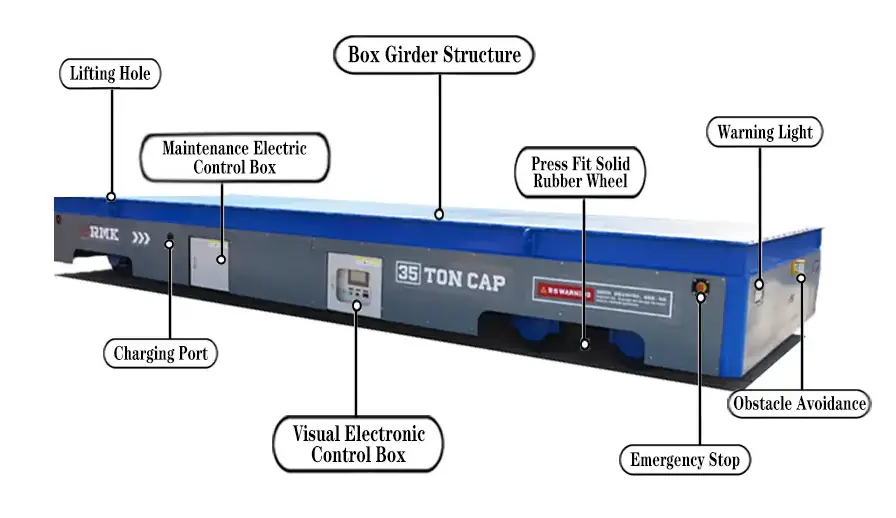
- Akü Güç Kaynağı
Araç üstü akü, tahrik motoruna ve kontrol sistemine elektrik gücü sağlar. Çalışma saatlerine ve yük gereksinimlerine göre kurşun-asit ve lityum aküler yaygın olarak kullanılır. - Motor Tahrik Sistemi
Elektrik motoru, tahrik kuvveti üretir ve gücü dişli kutusu aracılığıyla tekerleklere iletir. Araba, kontrol sinyallerine göre ileri, geri hareket eder ve durur. - Direksiyon ve Hareket Kontrolü
Direksiyon sistemi, diferansiyel direksiyon, hidrolik direksiyon veya diğer özelleştirilmiş yöntemlerle hareket yönünü kontrol eder. Kauçuk tekerlekler, ray kısıtlaması olmadan atölyelerde esnek hareket sağlar. - Çalıştırma Kontrolü
Operatör, arabayı kablosuz uzaktan kumanda veya askılı kontrol cihazıyla kontrol eder. Gelişmiş modeller, otomatik çalışma için sensörler, engel algılama veya AGV navigasyon sistemleri entegre edebilir.
Elektrikli raylı olmayan transfer arabası; akü gücü, elektrikli tahrik ve esnek direksiyon sistemlerini birleştirerek ağır malzeme taşımacılığını tamamlar. Ray gerektirmeyen tasarımı, değişen fabrika düzenlerine ve çeşitli endüstriyel taşıma gereksinimlerine uyum sağlamasına olanak tanır.
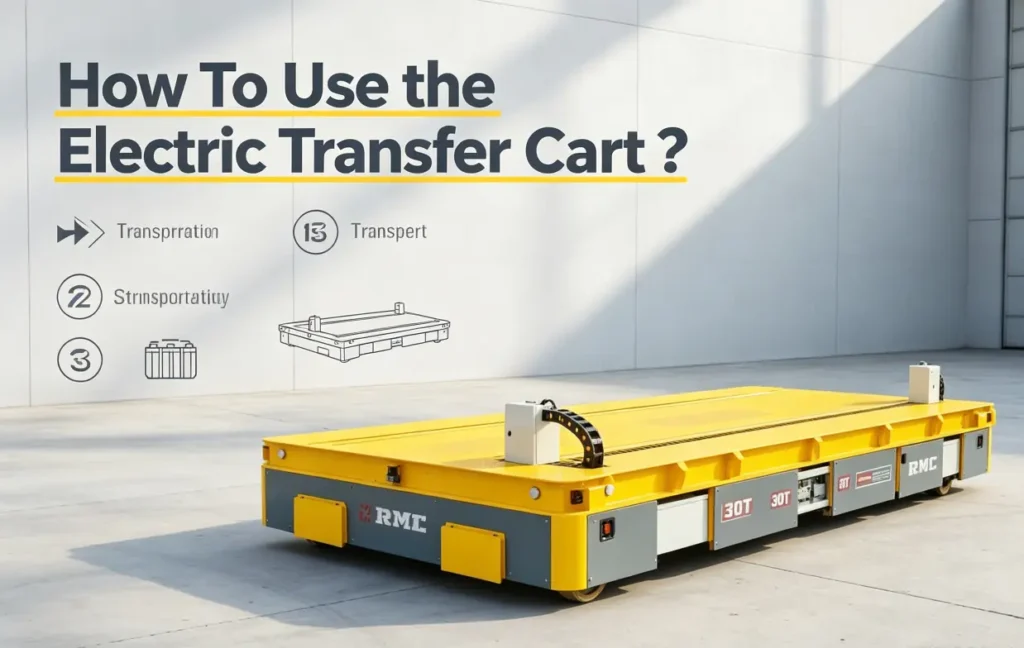
Elektrikli Transfer Arabasının nasıl kullanılacağına ilişkin ayrıntılar için bkz.: Elektrikli Transfer Arabası Nasıl Kullanılır?
Elektrikli Rayasız Transfer Arabası Çeşitleri
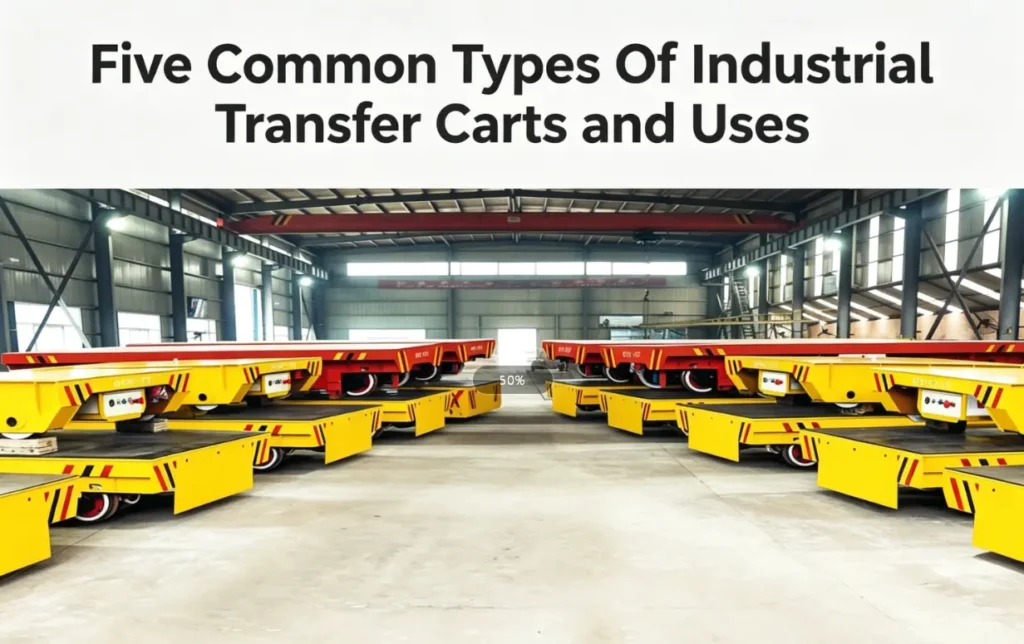
Elektrikli raylı olmayan transfer arabaları; yük kapasitesi, direksiyon gereksinimleri ve otomasyon seviyelerine göre farklı konfigürasyonlarda tasarlanır. Yaygın tipler arasında standart akülü modeller, ağır hizmet modelleri, AGV raylı olmayan arabalar ve hidrolik kaldırmalı modeller bulunur.
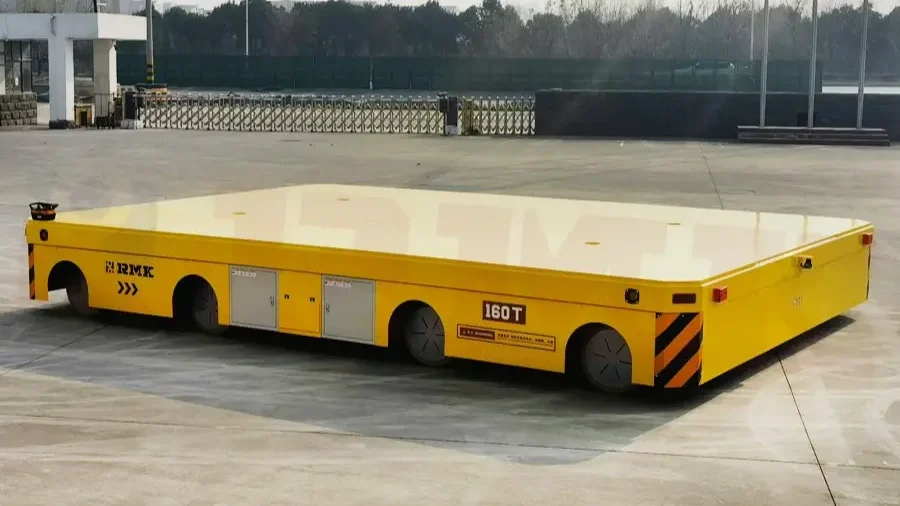
Standart Elektrikli Raylı Olmayan Transfer Arabası
Standart modeller, fabrika ve atölye içinde esnek malzeme taşımacılığı için akü gücü ve kauçuk tekerlekler kullanır. Orta düzey yükler ve değişen rotalarla genel taşıma görevleri için uygundurlar.
- Yük Kapasitesi: 1–50 ton
- Güç Kaynağı: Kurşun-Asit Akü / Lityum Akü
- Kontrol Yöntemi: Kablosuz Uzaktan Kumanda / Askılı Kontrol
- Uygulama: Fabrika Malzeme Taşıma, Atölye Taşımacılığı
Ağır Hizmet Elektrikli Raylı Olmayan Transfer Arabası
Ağır hizmet modelleri, çelik yapılar, kalıplar ve endüstriyel ekipmanlar gibi büyük ve aşırı boyutlu yüklerin taşınması için tasarlanmıştır. Zorlu çalışma koşulları için güçlendirilmiş şasi ve yüksek torklu tahrik sistemlerine sahiptirler.
- Yük Kapasitesi: 50–100+ ton
- Tahrik Sistemi: Ağır Hizmet Motor Tahriki
- Platform Boyutu: Özelleştirilebilir
- Uygulama: Çelik Fabrikaları, Tersaneler, Ağır İmalat
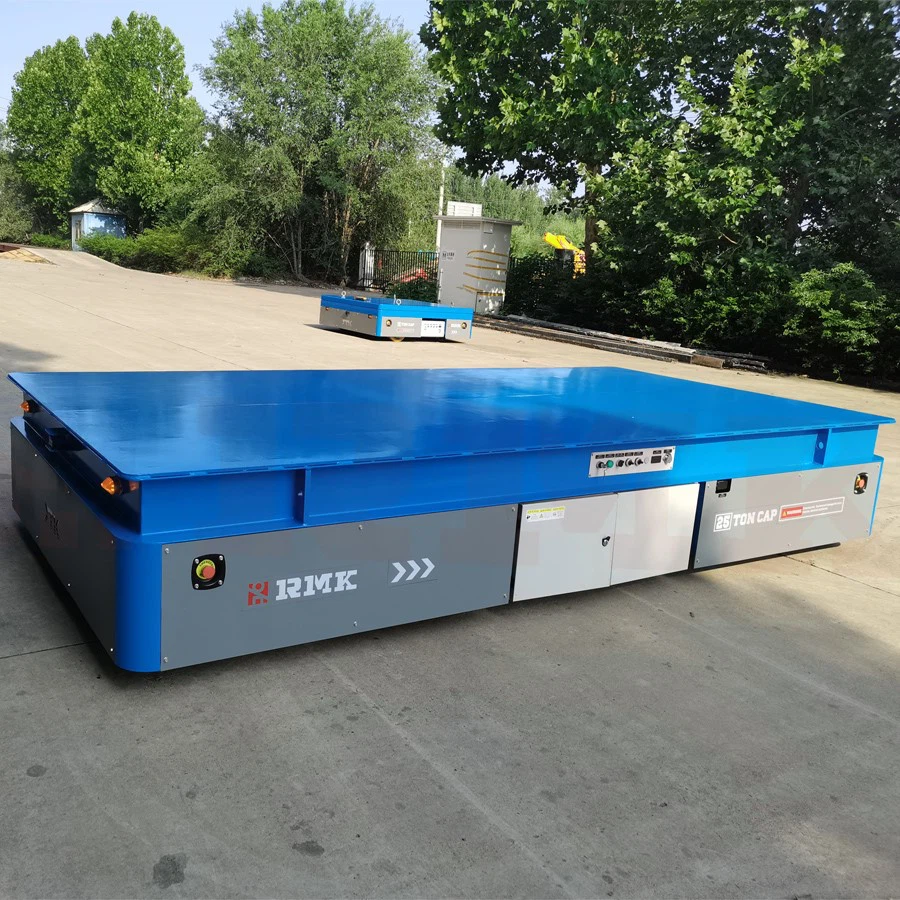
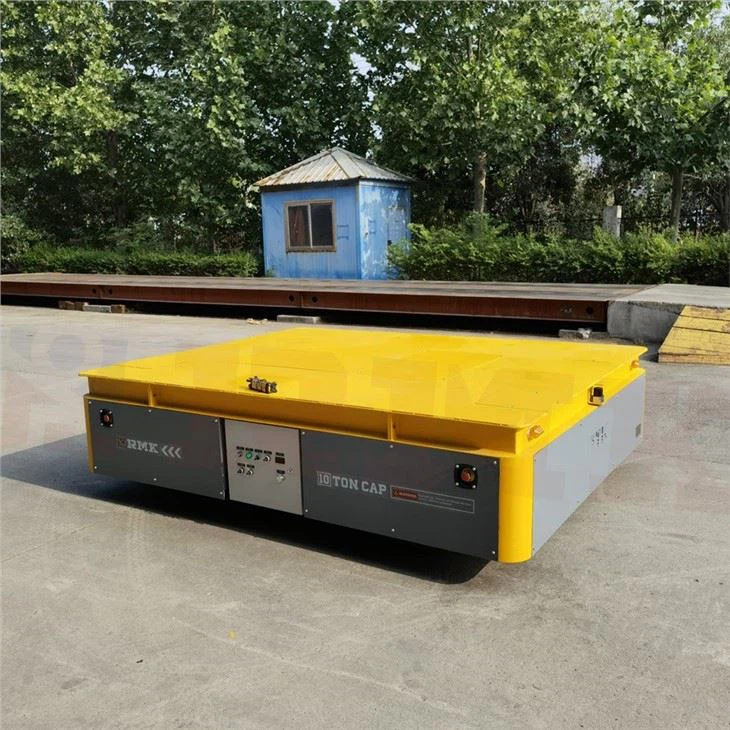
AGV Elektrikli Raylı Olmayan Transfer Arabası
AGV raylı olmayan transfer arabaları otomatik malzeme taşımacılığı için navigasyon ve kontrol sistemlerini entegre eder. Önceden belirlenmiş rotaları takip edebilir, engellerden kaçınabilir ve fabrika otomasyon sistemleriyle bağlantı kurabilir.
- Navigasyon: Manyetik Navigasyon / Lazer Navigasyon / SLAM
- Konumlandırma Hassasiyeti: ±10 mm
- Kontrol Modu: Otomatik Kontrol
- Uygulama: Akıllı Fabrika, Otomatik Üretim Hatları
Hidrolik Kaldırmalı Elektrikli Raylı Olmayan Transfer Arabası
Hidrolik kaldırmalı modeller, taşıma ve kaldırma fonksiyonlarını birleştirir. Platform, üretim ekipmanlarına, montaj istasyonlarına veya depolama sistemlerine bağlanmak için yüksekliği ayarlayabilir.
- Yük Kapasitesi: 3–30 ton
- Kaldırma Yüksekliği: 0,5–2 m
- Kaldırma Sistemi: Hidrolik Tahrik
- Uygulama: Montaj Hatları, Ekipman Transferi, İstasyon Bağlantısı
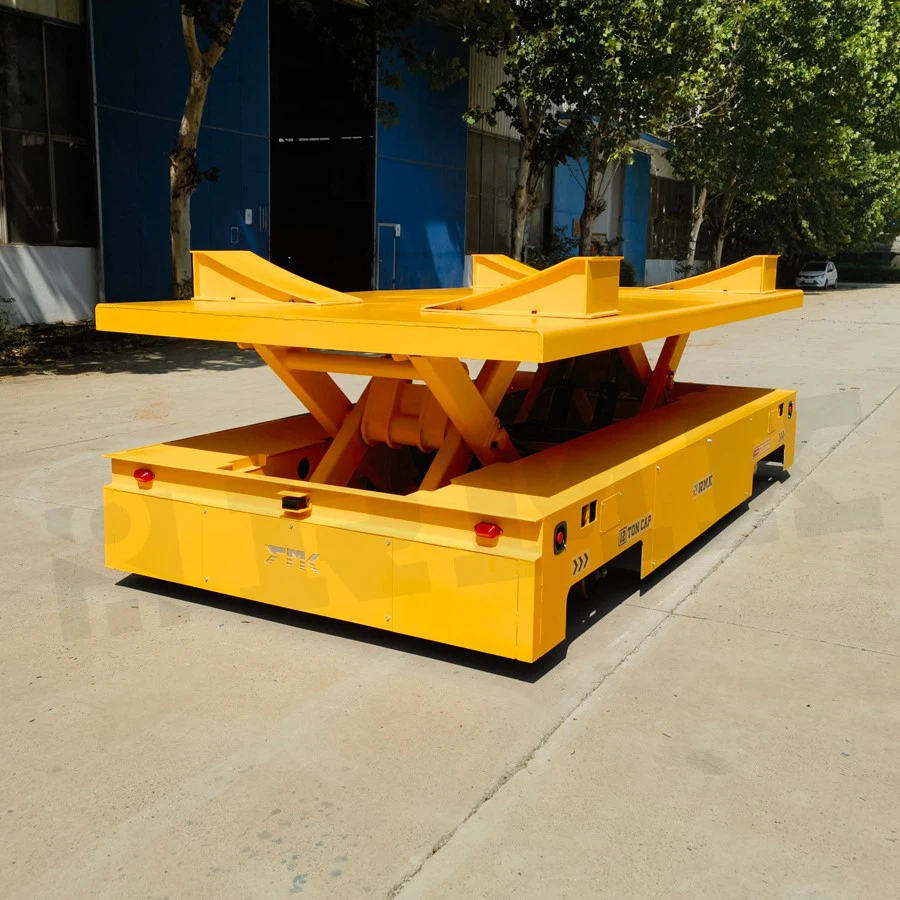
Farklı elektrikli raylı olmayan transfer arabaları; yük ağırlığı, taşıma rotası, çalışma ortamı ve otomasyon gereksinimlerine göre seçilir. Doğru konfigürasyon, arabanın gerçek üretim süreciyle eşleşmesine yardımcı olur.
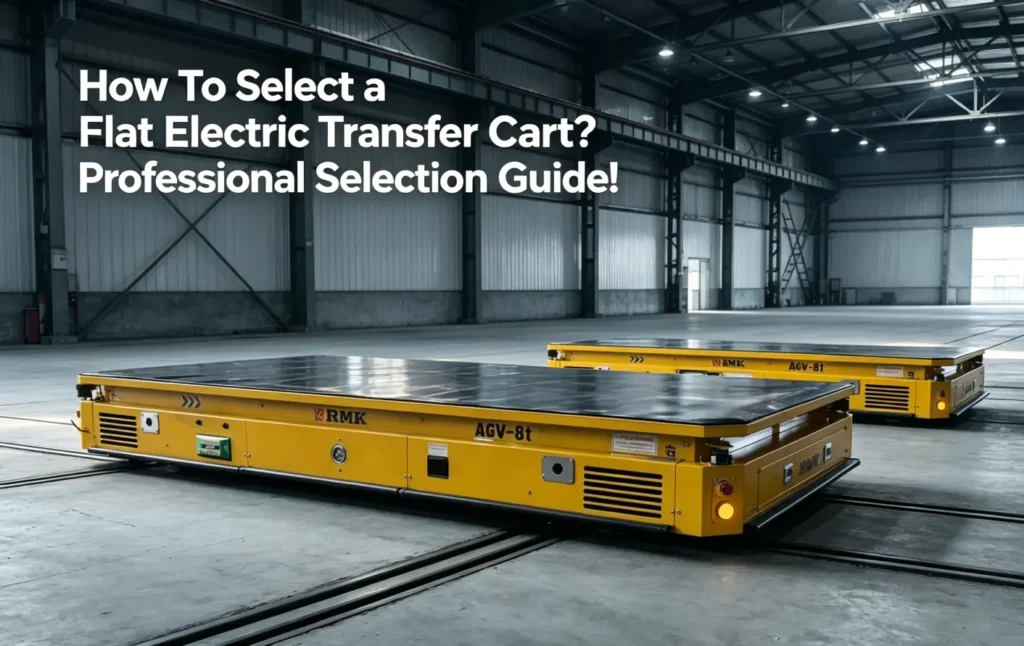
Elektrikli düz transfer arabası modelleri ve seçim rehberi hakkında detaylar için bkz: Elektrikli Düz Transfer Arabası Nasıl Seçilir? Profesyonel Seçim Rehberi!
Elektrikli transfer arabalarının çalıştırılması ve güvenli kullanımına ilişkin kılavuzlar için bkz: Elektrikli Transfer Arabası Nasıl Güvenle Çalıştırılır?
Video Gösterimi
Teknik Özellikler
Elektrikli raylı olmayan transfer arabalarının teknik özellikleri; yük gereksinimlerine, çalışma koşullarına ve özelleştirme ihtiyaçlarına göre değişir. Ana parametreler arasında yük kapasitesi, çalışma hızı, platform boyutu, akü sistemi ve kontrol yöntemi bulunur.
| Parametre | Özellik |
|---|---|
| Yük Kapasitesi | 1–300 ton (daha yüksek yükler için özel modeller mevcuttur) |
| Çalışma Hızı | 0–20 m/dk |
| Platform Boyutu | 3000 × 3000 mm ila 4000 × 3000 mm (özelleştirilebilir) |
| Platform Yüksekliği | 550–1000 mm |
| Minimum Dönüş Yarıçapı | Yaklaşık 4500 mm (modele ve direksiyon sistemine bağlıdır) |
| Maksimum Eğim | ≤3° |
| Güç Kaynağı | Kurşun-asit Akü / Lityum Akü |
| Çalışma Süresi | Şarj başına 8 saate kadar (yüke ve çalışma koşullarına bağlı olarak) |
| Tahrik Sistemi | DC Motor + Dişli Redüktör |
| Direksiyon Sistemi | Diferansiyel Direksiyon / Hidrolik Direksiyon / Özel Direksiyon |
| Tekerlek Tipi | Masif Kauçuk Tekerlek / Pnömatik Tekerlek |
| Kontrol Yöntemi | Kablosuz Uzaktan Kumanda / Askılı Kumanda |
| Navigasyon Seçeneği | Manyetik Navigasyon / Lazer Navigasyon / AGV Sistemi |
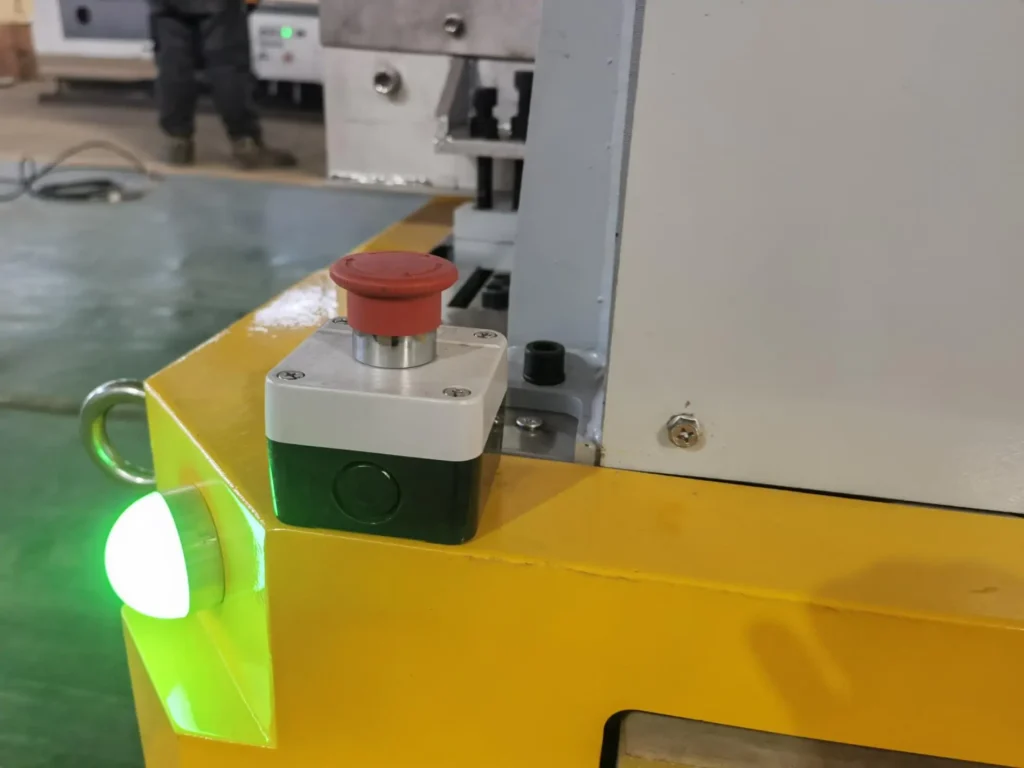
| Güvenlik Özellikleri | Acil Durdurma, Alarm Sistemi, Engel Algılama |
Elektrikli raylı transfer arabasının özellikleri; yük kapasitesi, çalışma ortamı, seyahat gereksinimleri ve taşıma görevlerine göre seçilmelidir. Özel konfigürasyonlar, arabanın farklı endüstriyel taşıma ihtiyaçlarıyla uyumlu hale getirilmesine yardımcı olur.
Elektrikli transfer arabalarının uzun süreli çalışmasını sağlamak için düzenli denetim ve bakım gereklidir. Daha fazla ayrıntı için bkz: Akülü Transfer Arabası Bakım Kılavuzu: Günlük Denetim ve Akü Bakımı
Elektrikli Raylı Olmayan Transfer Arabası Nasıl Seçilir?
Elektrikli raylı transfer arabasının seçimi; yük ağırlığı, çalışma koşulları, seyahat rotası ve çalıştırma yöntemi dahil olmak üzere gerçek taşıma gereksinimlerine dayanır. Doğru konfigürasyon, arabanın performansını, hizmet ömrünü ve taşıma verimliliğini etkiler.
Yük Kapasitesini ve Platform Boyutunu Doğrulayın
Yük kapasitesi dikkate alınması gereken ilk faktördür. Araba, taşınan malzemenin maksimum ağırlığına göre seçilmeli ve günlük çalışma için yeterli kapasite marjı bulunmalıdır. Platform boyutu, taşıma sırasında stabil yerleşimi sağlamak için malzeme boyutlarıyla uyumlu olmalıdır.
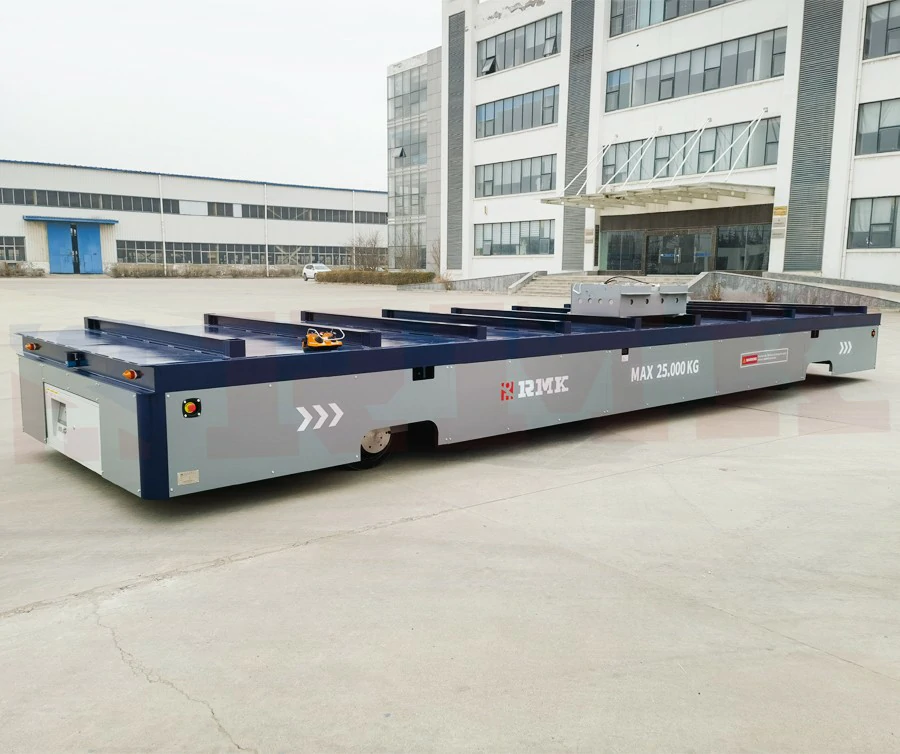
Boru ve çelik profil gibi uzun malzemeler için V şeklinde desteklere sahip özel bir platform, çalışma sırasında hareketi önleyebilir.
Ana Parametreler:
- Yük Kapasitesi: Standart modeller için 1–50 ton, özelleştirme için daha yüksek kapasite mevcuttur
- Platform Boyutu: Malzeme boyutlarına göre özelleştirilir
- Platform Tasarımı: Düz Platform / V Şeklinde Destek / Özel Yapı
Çalışma Ortamını ve Zemin Koşullarını Kontrol Edin
Elektrikli raylı transfer arabaları kauçuk tekerlekler üzerinde çalışır, bu nedenle zemin koşulları çalışma stabilitesini doğrudan etkiler. Düz beton zeminler ve epoksi zeminler normal çalışma için uygundur.
Dış mekan alanları, nemli ortamlar veya toz ve yağ bulunan atölyeler için araba, uygun koruma bileşenleriyle donatılmalıdır.
Dikkat Edilecek Hususlar:
- Zemin Düzlüğü
- Atölye Alanı
- Koridor Genişliği
- Dönüş Alanı
- İç Mekan veya Dış Mekan Çalışması
Doğru Otomasyon Seviyesini Seçin
Kontrol yöntemi, üretim sürecine ve taşıma sıklığına bağlıdır. Standart modeller uzaktan kumanda kullanırken, otomatik modeller insansız taşıma için navigasyon sistemlerini entegre edebilir.
| Kontrol Tipi | Uygulama |
| Kablosuz Uzaktan Kumanda | Genel malzeme taşıma |
| Otomatik Konumlandırma | Sabit konumlar arasında tekrarlanan taşıma |
| AGV Navigasyon Sistemi | Otomatik üretim hatları ve akıllı fabrikalar |
Gerekli Fonksiyonları ve Güvenlik Özelliklerini Belirleyin
Ek fonksiyonlar, taşıma görevine göre seçilir. Farklı malzemeler ve üretim süreçleri, farklı araba konfigürasyonları gerektirir.
| Fonksiyon | Uygulama |
| Hidrolik Kaldırma Platformu | Yükseklik ayarı ve iş istasyonu bağlantısı |
| V Şeklinde Çerçeve | Boru ve profil taşıma |
| Engel Algılama | Çalışma alanlarında güvenlik koruması |
| Acil Durdurma Sistemi | Acil durumlarda anında kapatma |
Uygun Batarya Konfigürasyonunu Seçin
Batarya tipi; çalışma süresini, şarj sıklığını ve bakım gereksinimlerini etkiler. Seçim, günlük seyahat mesafesine ve çalışma saatlerine bağlıdır.
Batarya Seçenekleri:
- Kurşun-Asit Batarya: Düzenli endüstriyel kullanım için uygundur
- Lityum Batarya: Sık çalışma ve hızlı şarj gereksinimleri için uygundur
Üretici Kapasitesini Değerlendirin
Elektrikli raylı transfer arabaları genellikle fabrika koşullarına göre özelleştirme gerektirir. Üretici; yapısal tasarım, elektrik sistemleri ve uygulama çözümleri konusunda deneyime sahip olmalıdır.
Değerlendirme Faktörleri:
- Özelleştirme Yeteneği
- Üretim Deneyimi
- Teknik Destek
- Satış Sonrası Hizmet
Seçim süreci yük kapasitesi ve platform boyutuyla başlar, ardından çalışma ortamı, kontrol yöntemi, batarya sistemi ve gereken fonksiyonlar dikkate alınır. Doğru yapılandırılmış bir elektrikli raylı transfer arabası, farklı endüstriyel taşıma gereksinimlerini karşılayabilir ve stabil çalışmayı sürdürebilir.
Elektrikli Raylı Olmayan Transfer Arabası ve Raylı Transfer Arabası
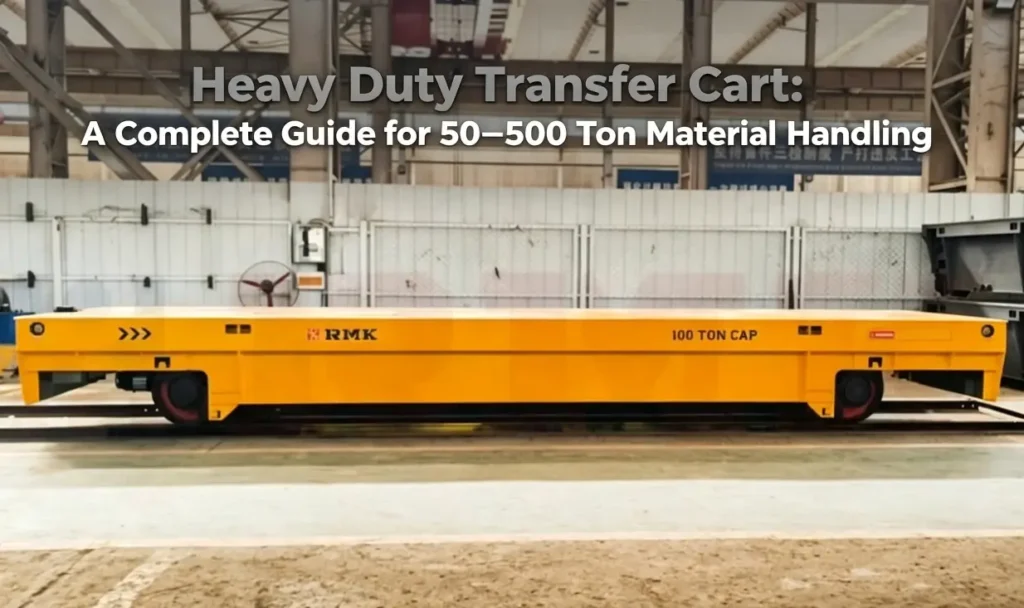
Elektrikli ray dışı transfer arabaları ve raylı transfer arabaları, ağır malzeme taşımacılığında yaygın olarak kullanılır. Temel fark, hareket yöntemidir. Ray dışı transfer arabaları serbest hareket için kauçuk tekerlekler kullanırken, raylı transfer arabaları sabit raylar üzerinde çalışır.
| Karşılaştırma | Elektrikli Paletsiz Transfer Arabası | Raylı Transfer Arabası |
|---|---|---|
| Çalışma Yöntemi | Kauçuk tekerlekler, sabit ray gerektirmez | Monte edilmiş raylar üzerinde çalışır |
| Güzergah Esnekliği | Değişen rotalar ve birden fazla çalışma alanı için uygundur | Sabit taşıma rotaları için uygundur |
| Kurulum | Ray inşaatı gerektirmez | Ray kurulumu gerektirir |
| Yük Kapasitesi | 1–100+ ton, daha yüksek yükler için özelleştirilebilir | Büyük tonajlı uygulamalar dahil ağır hizmet taşımacılığı için uygundur |
| Direksiyon | Esnek direksiyon, dar alanlar için uygundur | Ray yönü boyunca hareket eder |
| Zemin Gereksinimi | Düz beton veya epoksi zemin gerektirir | Uygun ray temeli gerektirir |
| Çalışma Mesafesi | Temel olarak batarya, motor ve tekerlek bakımını içerir | Araba bakımı ve ray denetimini içerir |
| Tipik Uygulamalar | Atölyeler, montaj hatları, depolar, esnek üretim alanları | Çelik fabrikaları, tersaneler, sabit üretim hatları |
Temel Farklar
- Elektrikli ray dışı transfer arabaları, taşıma rotalarının sık sık değiştiği üretim alanları için uygundur. Ray kurulumu gerektirmezler ve üretim ihtiyaçlarına göre farklı iş istasyonları arasında hareket edebilirler.
- Raylı transfer arabaları, sabit konumlar arasında tekrarlanan taşıma için kullanılır. Ray kılavuzlu çalışmaları stabil hareket sağlar ve ağır yükler ile uzun süreli sürekli hizmet için uygundur.
Seçim, fabrika yerleşimine, taşıma rotasına, yük gereksinimine ve çalışma sıklığına bağlıdır.
Elektrikli transfer arabalarının fiyatı çeşitli faktörlerden etkilenir. Daha fazla ayrıntı için bkz: Elektrikli Transfer Arabası Fiyatı: Maliyet Rehberi, Faktörler ve Satın Alma İpuçları
Özelleştirme Seçenekleri
- Platform Tasarımı: Farklı malzemeler ve taşıma gereksinimleri için özelleştirilmiş platform boyutu ve yapısı.
- Yük Kapasitesi: Araba çerçevesi ve tahrik sistemi, gereken yüke göre tasarlanır.
- Direksiyon Sistemi: Diferansiyel, hidrolik veya çok yönlü direksiyon seçenekleri mevcuttur.
- Batarya Yapılandırması: Batarya tipi ve kapasitesi, çalışma süresi ve seyahat mesafesine göre seçilir.
- Kontrol Sistemi: Asılı kontrol, kablosuz uzaktan kumanda ve otomatik kontrol seçenekleri içerir.
- Güvenlik Özellikleri: Acil durdurma, alarmlar, engel algılama ve fren sistemleri eklenebilir.
- Özel Fonksiyonlar: Özel uygulamalar için hidrolik kaldırma, konumlandırma ve AGV navigasyon fonksiyonları mevcuttur.
Geniş bir özelleştirme seçeneği yelpazesi sunuyoruz. Makaleyi inceleyin: Özel Transfer Arabası: Tasarım ve Özelleştirme için Kapsamlı Rehber
Sonuç
Elektrikli ray dışı transfer arabaları, fabrikalarda, depolarda ve üretim tesislerinde ağır malzeme taşımacılığı için esnek çözümler sağlar. Yük kapasitesi, direksiyon sistemleri, batarya seçenekleri ve otomasyon seviyeleri için farklı yapılandırmalarla çeşitli taşıma gereksinimlerine uyarlanabilirler.
DİKKAT ÇEKİCİ çalışma koşullarına, malzeme özelliklerine ve üretim ihtiyaçlarına göre özelleştirilmiş elektrikli ray dışı transfer arabası çözümleri sunar. Bize ulaşın uygulama gereksinimlerinizi görüşmek ve projeniz için doğru transfer arabasını seçmek üzere.
E-posta: transfercart@rmkzn.com
Telefon: +86-18637369355
SSS
Elektrikli ray dışı transfer arabası nedir?
Elektrikli ray dışı transfer arabası, sabit raylar yerine kauçuk tekerlekler kullanan batarya ile çalışan bir malzeme taşıma aracıdır. Fabrikalarda, atölyelerde ve depolarda ağır malzemeleri taşımak için kullanılır.
Tracksiz transfer arabası nasıl çalışır?
Ray dışı transfer arabası, bir elektrik motorunu çalıştırmak için araç üstü bataryaları kullanır. Motor, tahrik sistemi aracılığıyla tekerlekleri çalıştırırken, kontrol sistemi hareketi, direksiyonu ve frenlemeyi yönetir.
Ray dışı transfer arabası hangi yük kapasitesini kaldırabilir?
Ray dışı transfer arabaları tipik olarak 1 tondan 100 tonun üzerine kadar yükleri kaldırabilir. Kapasite, araba yapısına, tahrik sistemine ve uygulama gereksinimlerine bağlıdır.
Ray dışı transfer arabalarında hangi batarya kullanılır?
Ray dışı transfer arabaları yaygın olarak kurşun-asit bataryalar veya lityum bataryalar kullanır. Batarya tipi, çalışma saatlerine, seyahat mesafesine ve şarj gereksinimlerine göre seçilir.
Raylı ve raysız transfer arabaları arasındaki fark nedir?
Raylı transfer arabaları sabit raylar üzerinde çalışır ve sabit rotalar ile ağır yükler için uygundur. Ray dışı transfer arabaları kauçuk tekerlekler kullanır ve değişen taşıma yolları için daha fazla esneklik sağlar.
Elektrikli ray dışı transfer arabası açık havada çalışabilir mi?
Evet. Elektrikli ray dışı transfer arabaları, hava koşullarına dayanıklı elektrik sistemleri, dayanıklı tekerlekler ve toz ile neme dayanıklı koruma gibi uygun bileşenlerle donatıldığında açık havada kullanılabilir.
Ray dışı transfer arabaları özelleştirilebilir mi?
Evet. Ray dışı transfer arabaları, uygulama gereksinimlerine göre yük kapasitesi, platform boyutu, direksiyon sistemi, batarya tipi, kontrol yöntemi ve ek fonksiyonlar açısından özelleştirilebilir.
Doğru izsiz transfer arabasını nasıl seçerim?
Seçim, yük ağırlığına, malzeme boyutuna, seyahat rotasına, zemin koşullarına, çalışma saatlerine, batarya gereksinimlerine ve otomasyon ihtiyaçlarına bağlıdır. Uygun bir yapılandırma, gerçek taşıma süreciyle eşleşmelidir.