Pil Nedir? Batarya Fabrikası Transfer Arabası
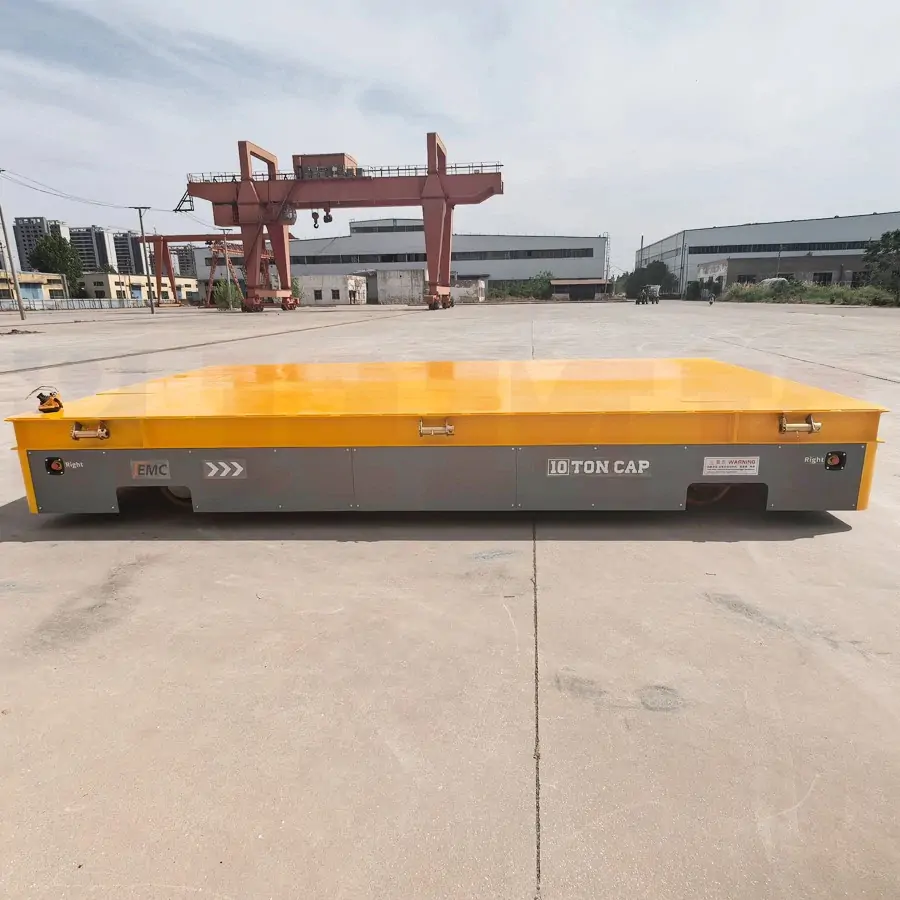
Batarya fabrikası transfer arabası lityum batarya üretim atölyeleri için özel olarak tasarlanmış ağır hizmet tipi bir malzeme taşıma ekipmanıdır. Bir yüksek hassasiyetli malzeme taşıma ekipmanı, olarak, batarya üretiminin “yüksek temizlik, yüksek güvenlik ve yüksek hassasiyet” gereksinimlerine uyarlanmış akıllı bir transfer aracıdır. Birincil işlevi, ağır elektrot bobinlerini, kaplama silindirlerini ve bitmiş batarya paketlerini üretim ekipmanları arasında güvenli ve doğru bir şekilde taşımaktır. Aşağıda işlevlerini, türlerini, örnek olayları ve seçim kriterlerini kapsayan derinlemesine bir analiz yer almaktadır.
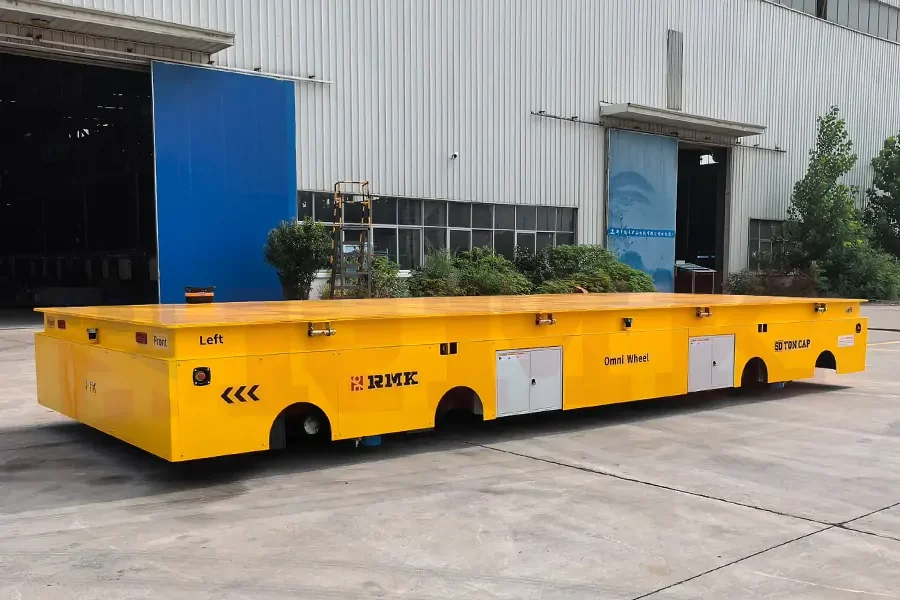
Neden Transfer Arabaları Özelleştirilmelidir?
Lityum batarya üretim endüstrisinin çevresel gereksinimleri son derece katıdır ve sıradan taşıma araçları bunları neredeyse karşılayamaz. Bir batarya fabrikası transfer arabası nı özelleştirmek, dört ana nedenden dolayı bir endüstri zorunluluğu haline gelmiştir:
- Temizlik ve Çevre Koruma: Lityum bataryalar metal tozuna karşı son derece hassastır; küçük kirlilikler bile dahili kısa devrelere veya yangınlara neden olabilir. Transfer arabaları, işletim sırasında neredeyse hiç zemin aşınma tozu üretmeyen poliüretan tekerlekler, işaretsiz poliüretan tekerlekler kullanır. Elektrikli tahrik sistemi sıfır emisyon özelliğine sahiptir ve kuru oda ve temiz oda çevre standartlarına tamamen uygundur.
- Aktif Malzemeler için Güvenlik Koruması: Elektrolitler gibi hammaddeler yangın ve patlama riskleri taşır. Özel batarya tesisi transfer arabaları, patlamaya dayanıklı motorlar, sızdırmaz elektronik kontrol kutuları ve antistatik işlemlerle özelleştirilebilir. Lityum batarya bobinleri yüksek bir ağırlık merkezine sahip olduğundan ve pahalı olduğundan, transfer arabaları, malzeme devrilmesinden kaynaklanan güvenlik kazalarını önlemek için yumuşak kalkış ve duruş sağlayan kademesiz hız regülasyonu ve elektromanyetik frenleme özelliklerine sahiptir.
- Ağır Malzemelerin Hassas Taşınması: Batarya fabrikası atölyeleri ekipmanlarla kalabalık ve dar alanlara sahiptir. Özelleştirilmiş transfer arabaları, ağır yüklerin yoğun makine boşluklarında hassas bir şekilde gezinmesine olanak tanıyan 360° yerinde dönüş ve yanal hareket elde edebilir. Ayrıca, otomatik yükleme/boşaltma robot kollarıyla sorunsuz entegrasyon sağlayan 5 mm'lik bir yanaşma doğruluğu elde edebilirler.
- Çevresel Değişikliklere Hızlı Uyum: Lityum batarya teknolojisi hızla güncellenir ve üretim hattı düzenleri sık sık ayarlama gerektirir. Raysız transfer arabaları, ray döşemek için zemine zarar vermeyi gerektirmez; taşıma yolu, rota sıfırlanarak (veya esnek manuel sürüş yoluyla) herhangi bir zamanda ayarlanabilir.
Bir batarya fabrikası transfer arabası basit bir taşıma aracı değil, özel olarak üretilmiş ve üretimle hassas bir şekilde kenetlenmiş profesyonel bir ekipman parçasıdır. Batarya üretimindeki dört büyük sorunu çözer: ‘ağır yük, güvenlik, temizlik ve hassasiyet.’ Endüstriyel ortamlardaki farklılıklar göz önüne alındığında, arasından seçim yapabileceğiniz hangi türler mevcuttur?
Lityum Batarya Fabrikaları için Uygun Transfer Arabası Türleri
Temizlik, güvenlik ve hızlı uyum gereksinimlerine dayanarak, yaygın olarak kullanılan batarya fabrikası transfer arabaları aşağıdaki dört türe ayrılır:
Raysız Batarya Transfer Arabası
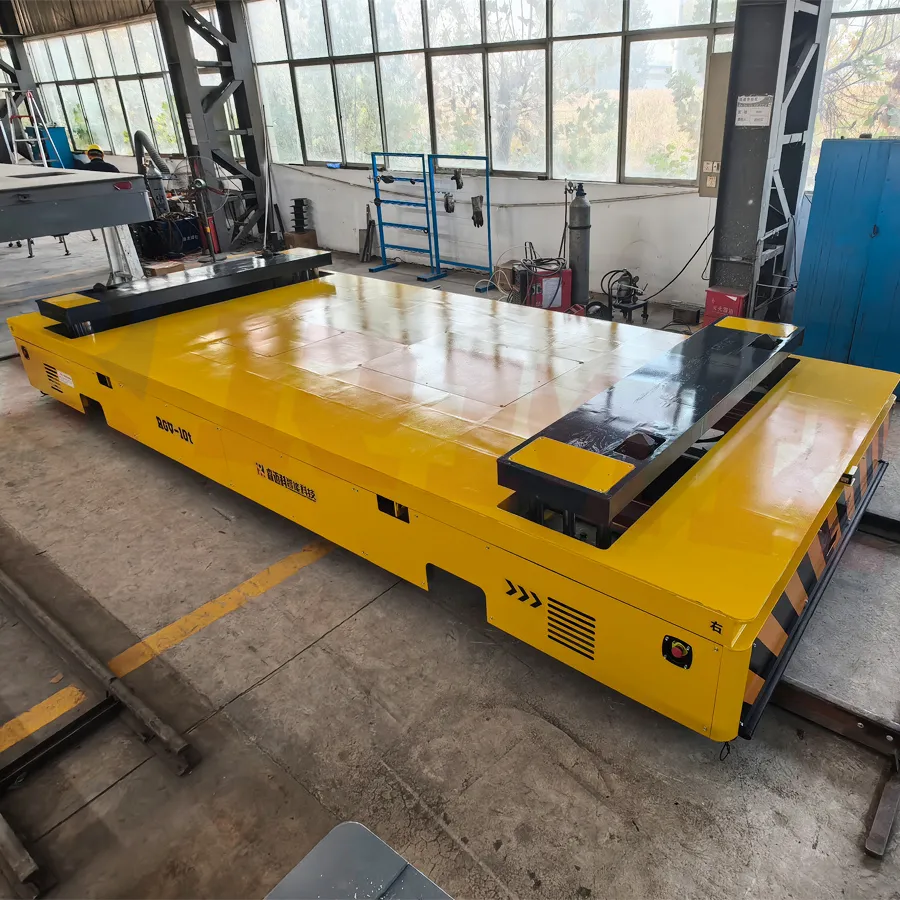
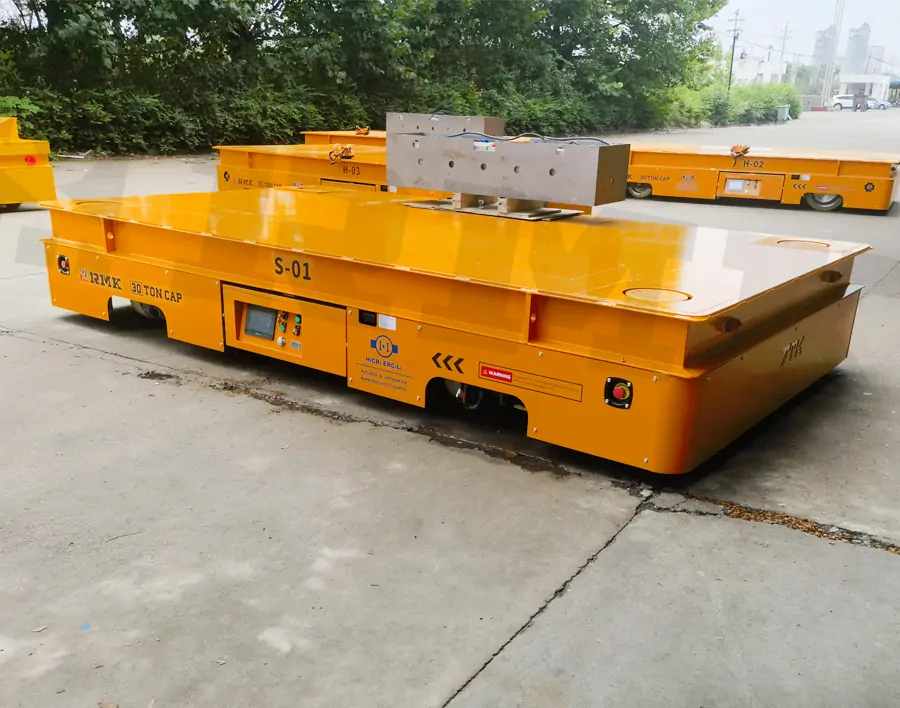
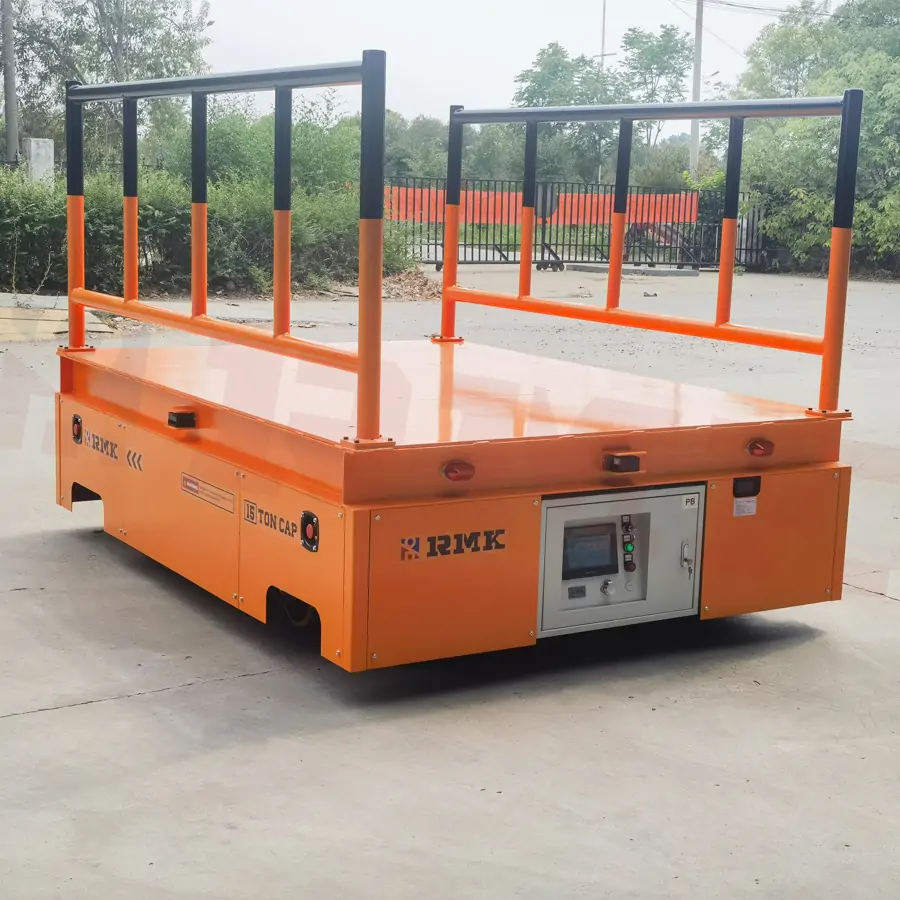
Raysız Batarya Transfer Arabası batarya fabrikalarında yaygın olarak kullanılan bir taşıma ekipmanıdır. Ray kısıtlaması olmadan, çift motorlu diferansiyel veya direksiyon tekerlekleri kullanarak 360° yerinde dönüş. çok yönlü hareket elde eder. Zeminde aşınma tozu oluşturmaz, bu da onu atölyeler arası ve süreçler arası akış için ilk tercih haline getirir.
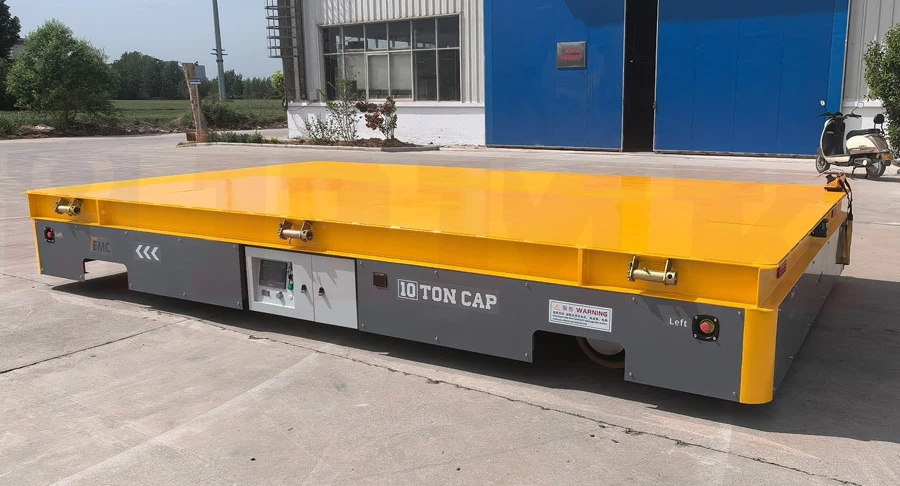 Batarya ile Çalışan Raylı Olmayan Transfer Arabaları
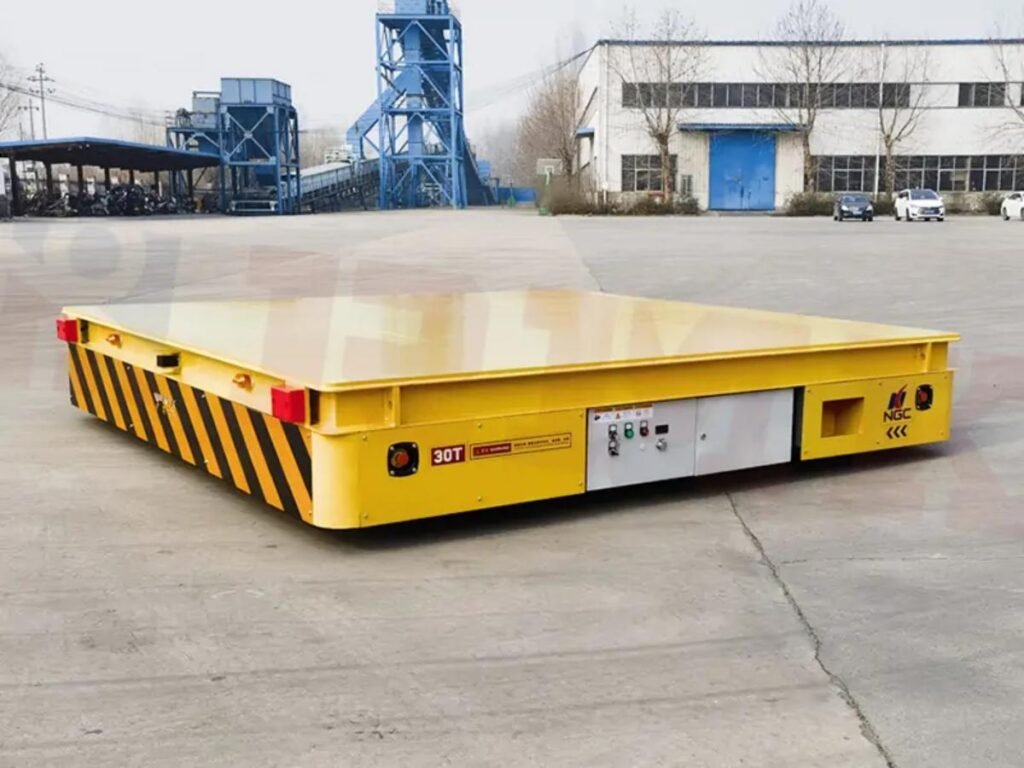 Batarya ile Çalışan Raylı Olmayan Transfer Arabaları
| Analiz Boyutu | Veri/Gösterge Detayları | Lityum Batarya Endüstrisindeki Değeri |
| Yol Esnekliği | Çok yönlü hareket, sıfır çıkmaz nokta | Zemine zarar vermeden sık düzen değişikliklerine uyum sağlar. |
| Yük Aralığı | Yük Kapasitesi | 1t – 300t. |
| Ağır elektrot bobinlerini ve kaplama silindirlerini kolayca taşır. | Temizlik | İşaretsiz poliüretan tekerlekler. |
| Sıfır zemin aşınması ile Sınıf 10.000 temiz oda standartlarını karşılar. | Temel Konfigürasyon | Lityum güç bataryası + Uzaktan/Askılı çift kontrol. |
Uzun dayanıklılık, basit ve esnek çalışma.
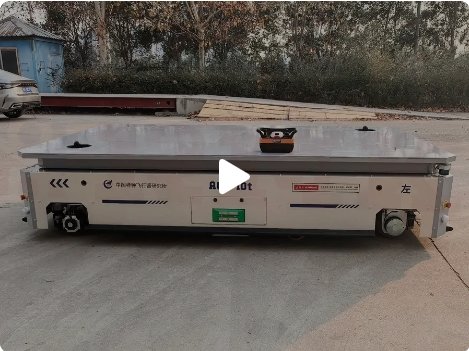
Akıllı AGV/AMR Transfer Arabası "Endüstri 4.0"ın en üst seviyesinin temsilcisi. Batarya tesisi için AGV/AMR Transfer Arabası.
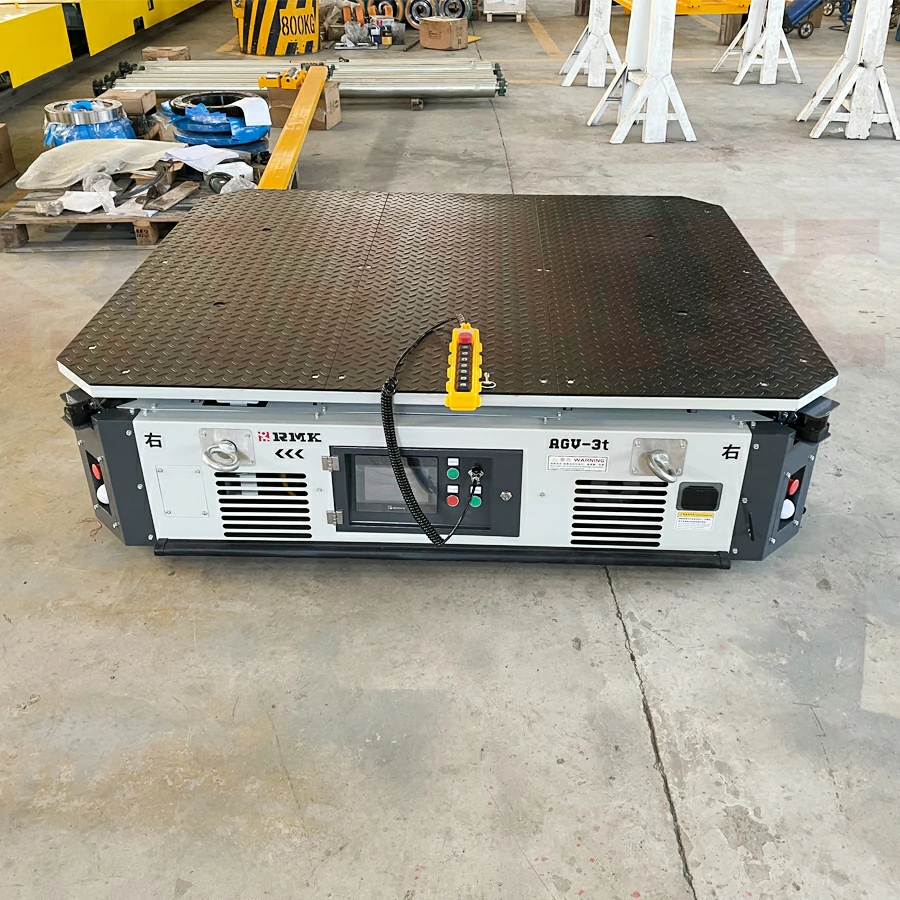 AGV Robot
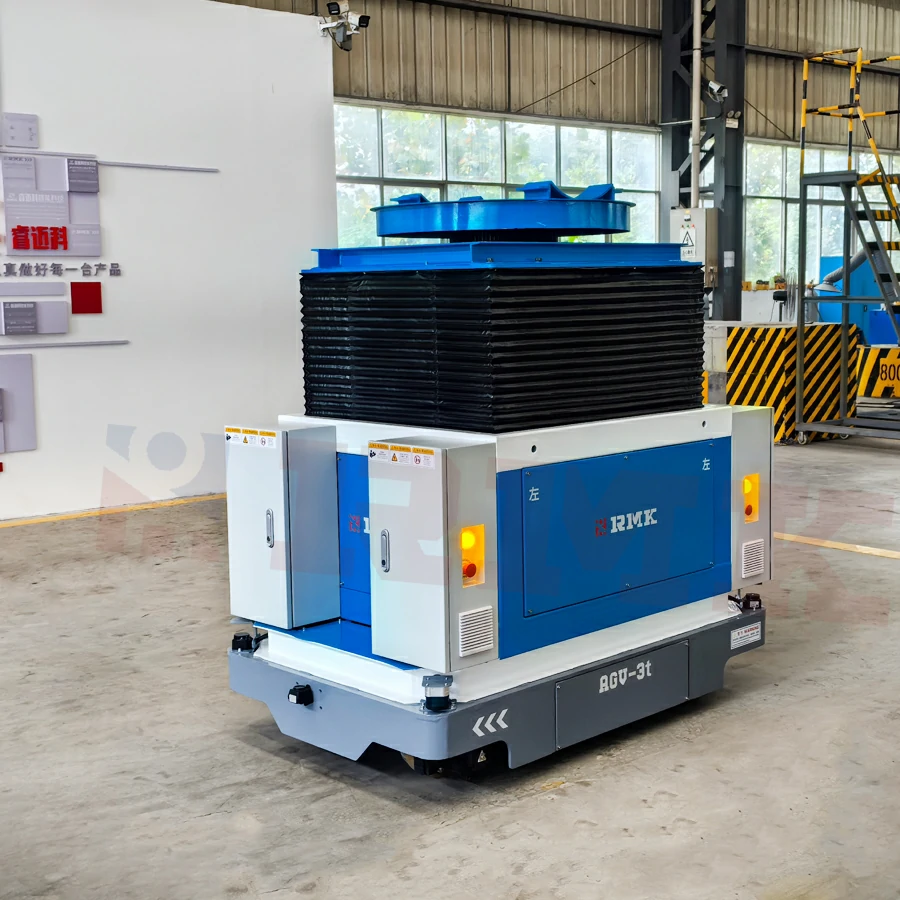 AGV Kılavuzlu Araç
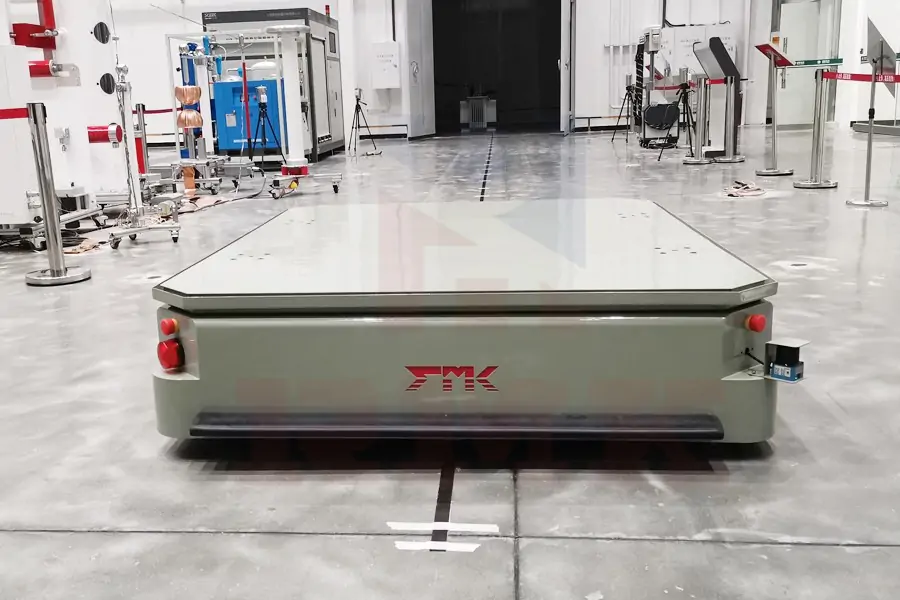 AGV Robot
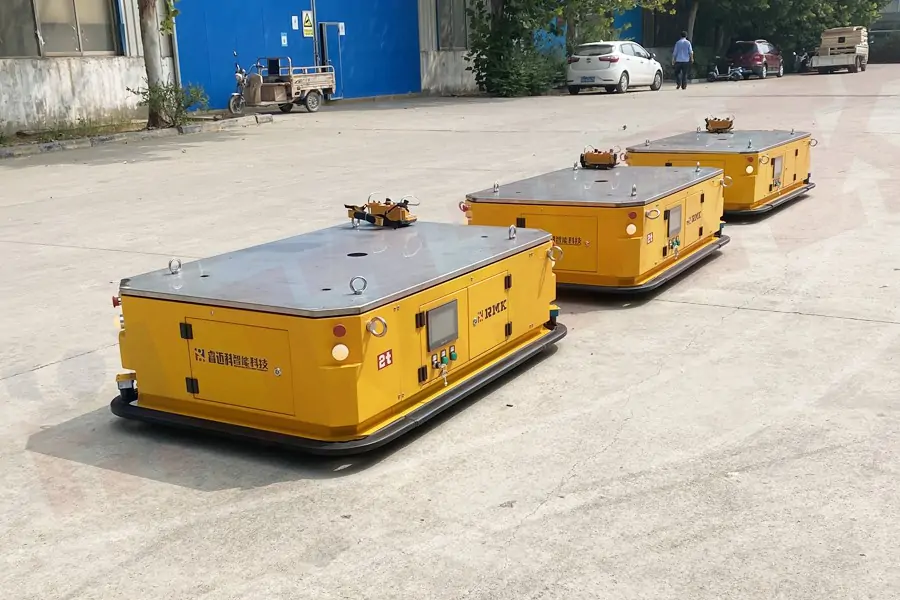 AGV Robot
| Analiz Boyutu | Veri/Gösterge Detayları | Lityum Batarya Endüstrisindeki Değeri |
| Konumlandırma Hassasiyeti | , insansız sürüş elde etmek için lazer SLAM veya QR kod navigasyonu kullanır. Fabrikanın MES/WMS sistemleriyle bağlantılı olarak, hassas montaj ve otomatik depolamanın merkezidir. | Konumlandırma Doğruluğu. |
| ±5mm – ±10mm | Robot kolları ve otomatik yükleyicilerle milimetre seviyesinde yanaşma. | Zeka. |
| Güvenlik Sistemi | Otomatik engel önleme + Yol planlama | 7/24 otomatik lojistik için manuel müdahaleyi azaltır. |
| Güvenlik | Lazer LiDAR + Temas tamponu | İnsan-makine bir arada yaşaması için en yüksek güvenlik seviyesi. |
Yatırım Maliyeti
Bu Daha yüksek maliyet, hızlı ROI Verimliliği önemli ölçüde artırır ve manuel hataları azaltır.
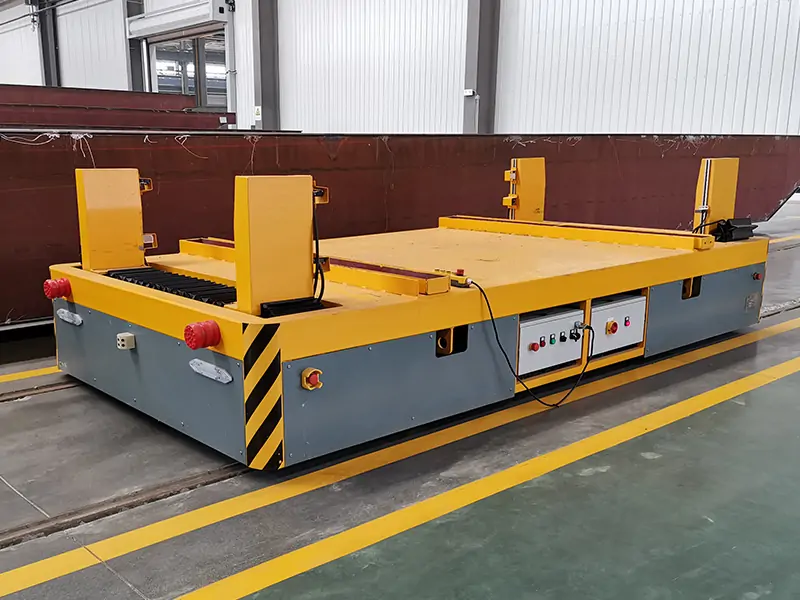 Akıllı Ray Transfer Arabası
 bobin transfer arabası
| Analiz Boyutu | Veri/Gösterge Detayları | Lityum Batarya Endüstrisindeki Değeri |
| Yol Esnekliği | Çok yönlü hareket, sıfır çıkmaz nokta | Zemine zarar vermeden sık düzen değişikliklerine uyum sağlar. |
| Yük Aralığı | Yük Kapasitesi | 1t – 300t. |
| Ağır elektrot bobinlerini ve kaplama silindirlerini kolayca taşır. | Temizlik | İşaretsiz poliüretan tekerlekler. |
| Sıfır zemin aşınması ile Sınıf 10.000 temiz oda standartlarını karşılar. | Temel Konfigürasyon | Lityum güç bataryası + Uzaktan/Askılı çift kontrol. |
Düşük Gerilim Raylı Güç Arabası
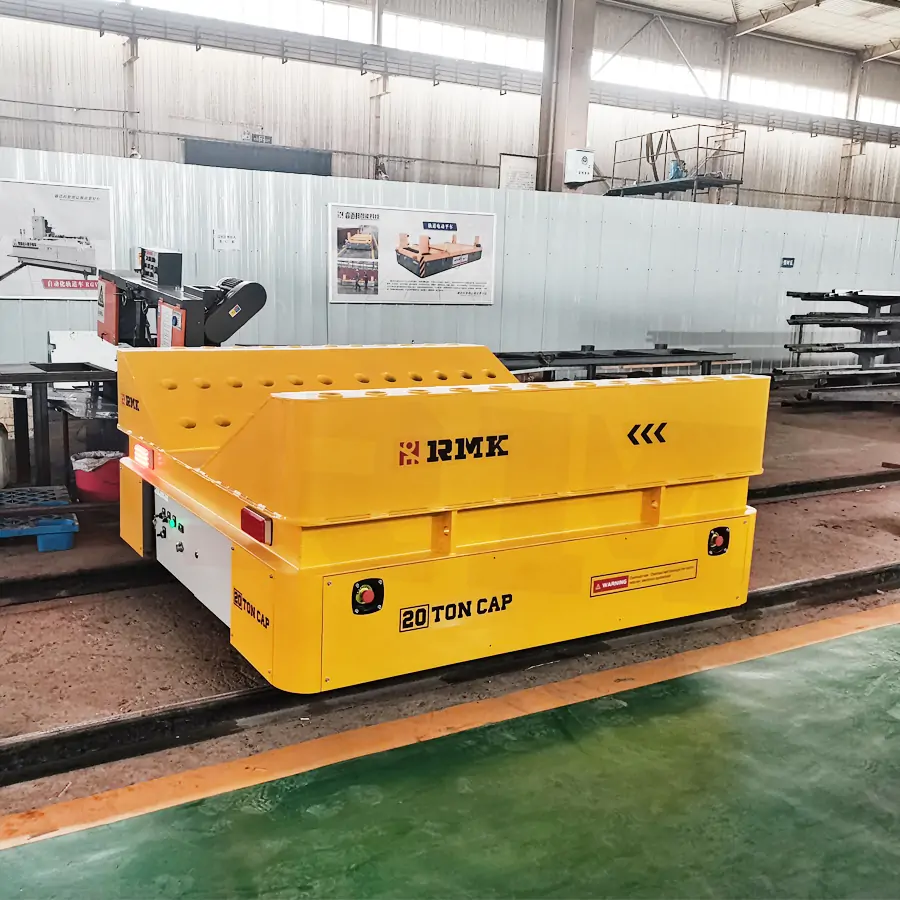
Düşük Gerilim Raylı Güç Arabası transfer.
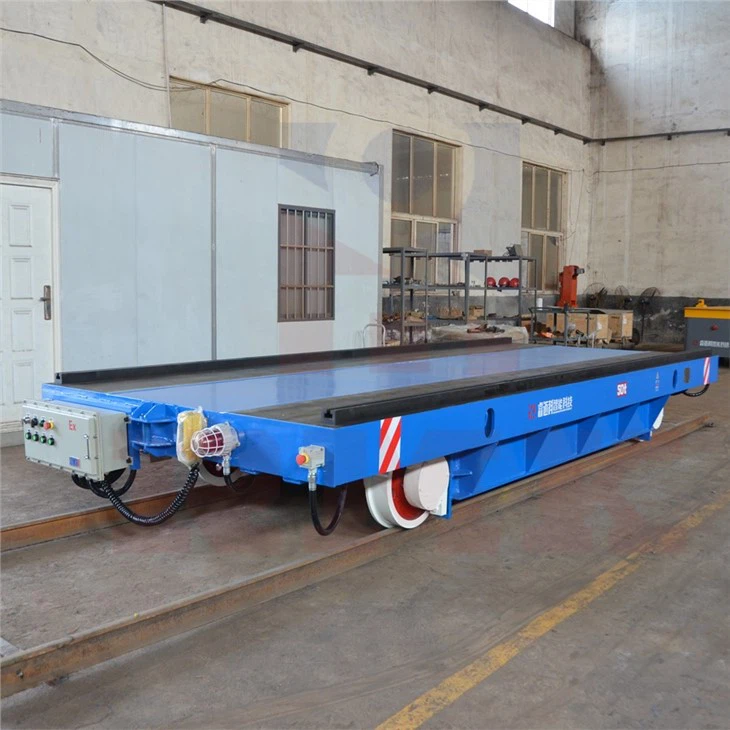 Düşük Gerilim Raylı Güç Arabası
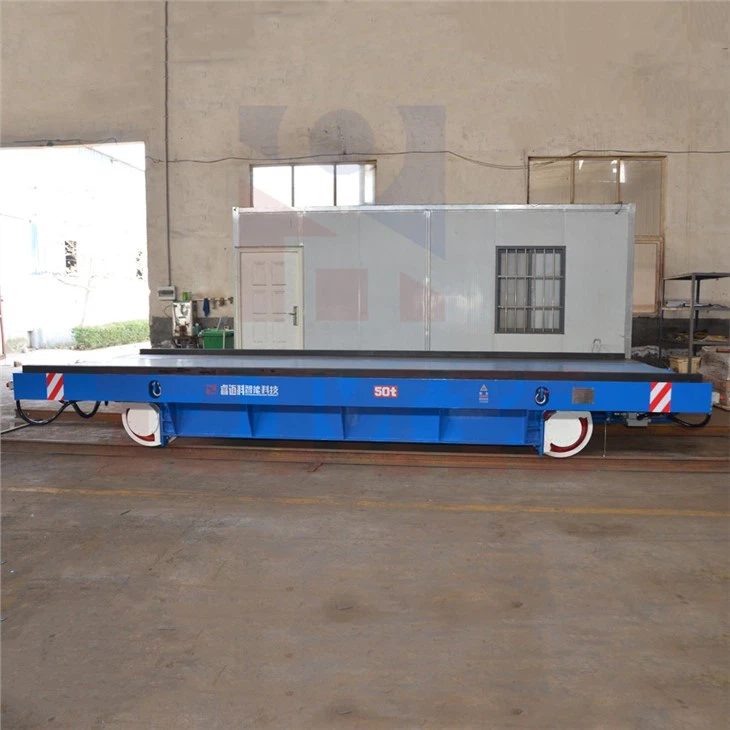 Düşük Gerilim Raylı Güç Arabası
| Analiz Boyutu | Veri/Gösterge Detayları | Lityum Batarya Endüstrisindeki Değeri |
| arabası, güvenli voltaj taşıyan raylar aracılığıyla güç çeker. Pil taşıması gerekmez, "sonsuz dayanıklılık" sağlar. Sabit yollar ve üretim hatlarının sonundaki yüksek frekanslı taşıma veya ağır hizmet lojistiği için kullanılır. | Kablo/Kayar Hatlı Transfer Arabası | Otomatik bir kablo makarası tarafından çalıştırılır, yapısı basit ve dayanıklıdır. Düşük maliyetlidir ve yüksek esnekliğe sahiptir, genellikle hammadde depolarında veya basit düz hatlı gidiş-dönüş taşımacılığında kullanılır. |
| Maliyet Verimliliği | Düşük sermaye yatırımı | Sınırlı bütçeler için ideal seçim. |
| Dayanıklılık | Basit yapı, düşük arıza oranı | Hammadde işleme veya zorlu ortamlar için uygundur. |
| Çalışma Mesafesi | Genellikle < 200m önerilir | Kablo uzunluğuyla sınırlıdır; kısa mesafeli düz hatlar için en iyisidir. |
Bakım
Son derece düşük
- Yüksek derecede mekanizasyon; ihmal edilebilir bakım maliyetleri.Seçim Önerileri AGV Bir lityum batarya fabrikası için ekipman seçimi, gerçek üretim süreciyle eşleşmelidir: Kaplama/Montaj Süreci.
- : Temizlik ve yol esnekliğini sağlamak içinSeçim Önerileri raysız transfer arabaları önerilir. Bitmiş Ürün Testi/Paketleme.
- : Yüksek frekanslı gidiş-dönüş hareketi içinSeçim Önerileri düşük gerilim raylı transfer arabaları önerilir. Hammadde Depolama.
Akülü taşıma arabalarının bakımı ve denetimi hakkında detaylı bilgi için şu makaleye bakın: “Akülü Taşıma Arabalarının Bakımı: Günlük Denetimler ve Akü Bakımı Rehberi.”
Vaka Çalışması
: Yüksek maliyet etkinliği için Olağanüstü.
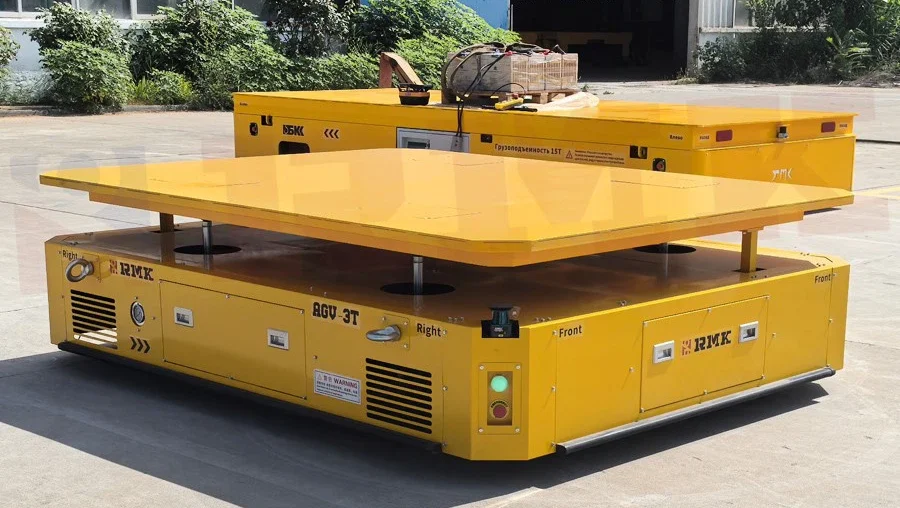
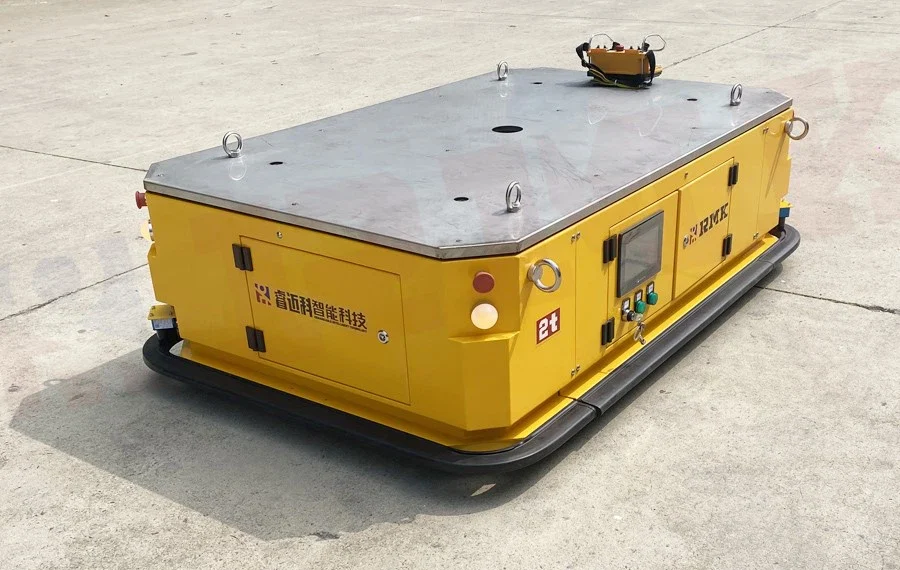
Endüstriyel Arka Plan: Almanya'daki 10GWh'lık bir güç bataryası fabrikası, yüksek frekanslı montaj ve oluşum süreçleri arasında 1t-3t ağırlığındaki batarya modüllerini taşımada üretim baskısıyla karşı karşıya kaldı. Manuel taşıma verimsizdi ve pahalı hücrelere çarpma riski taşıyordu (yangın tehlikesi). Atölye alanı dardı ve milimetre hassasiyeti ile tam dijital yönetim gerektiren ekipmanlara ihtiyaç duyuluyordu.
Çözüm: Remarkable, birden fazla alttan kaldırmalı akıllı AGV transfer arabası. sağladı Laser SLAM navigasyonu, kullanarak AGV'ler, zemine zarar vermeden optimum yolları otonom olarak planlar ve yayalardan kaçınır. Sistem, çift motorlu sürücüler ve yüksek hassasiyetli kodlayıcılar kullanarak ±5mm. durma doğruluğu elde eder. Ekipman, batarya tepsilerinin altına hassas bir şekilde girebilir ve onları sabit bir şekilde kaldırabilir. AGV'ler fabrikanın WMS, sistemine bağlanır, batarya seviyeleri için kendi kendine teşhis özelliğine sahiptir, otomatik olarak şarj istasyonlarını bulur ve görevleri akıllıca planlar.
Sonuçlar: Lojistik otomasyonu 98%, seviyesine ulaştı, çevrim süresi 35%, oranında azaldı ve çarpışma oranı sıfıra. düştü. Bu özelleştirilmiş batarya fabrikası lojistik çözümü sayesinde müşteri, yalnızca ekipman ekleyerek kapasitesini ikiye katlayabilir ve yıllık neredeyse bir milyon yuan tasarruf sağlar.
Sonuç
Lityum batarya fabrikalarında, taşıma ekipmanları üretim hattında vazgeçilmez hale gelmiştir. Belirtildiği gibi, ister 160 tonluk aşırı yük ister 1 tonluk modül hattı olsun, başarılı lojistik çözümleri her zaman özelleştirme ve üretim ihtiyaçlarıyla hassas uyum üzerine kuruludur.
Remarkable'ın profesyonel mühendislik ekibi, herhangi bir seçim sorusu için batarya fabrikası transfer arabası. Bize ulaşın en uygun olanı seçmenize yardımcı olmak amacıyla ücretsiz bir çözüm teşhisi sağlayabilir.
E-posta: transfercart@rmkzn.com
Telefon: +86-18637369355
SSS
S1: Patlamaya dayanıklılık ve anti-statik gereksinimlerini nasıl karşılıyorsunuz?
C: Şunları sağlıyoruz: Ex d IIB T4 seviyesinde özelleştirme. Patlamaya dayanıklı motorlar, sızdırmaz kontrol kutuları, anti-statik poliüretan tekerlekler ve iletken zincir tasarımları sayesinde, elektrolit taşıma sırasında statik elektriğin zamanında boşaltılmasını ve kıvılcımların ortadan kaldırılmasını sağlıyoruz.
S2: Pahalı epoksi zeminlere zarar verir mi?
C: Hayır. Yüksek kaliteli poliüretan kaplı tekerlekler kullanılarak eşit yük dağılımı ve düşük basınç sağlanır. Aşırı ağır yüklerde (örn. 160t), basıncı dağıtmak ve zemini sağlam tutmak için tekerlek seti sayısını artırıyoruz.
S3: Akıllı planlamanın spesifik faydaları nelerdir?
C: AGV'nin “beyni”dir. En uygun aracı otomatik olarak atar ve tıkanıklıksız yollar planlar, bekleme sürelerini ortadan kaldırır ve sürecin tamamında izlenebilirlik ve trafik kontrolü sağlar.
S4: Üretim hattı değişiklikleri veya genişleme sonrasında ekipman yeniden kullanılabilir mi?
C: Evet. Bu, esnekliğin temel bir avantajıdır. Zeminde değişiklik gerekmez; yeni hatlara uyum sağlamak ve uzun vadeli yatırımınızı korumak için yalnızca yazılım aracılığıyla elektronik haritayı ve mantık yollarını güncellemeniz yeterlidir.
S5: Kuru Oda ortamları için özel tasarımlar var mı?
C: Düşük nemli (çiğ noktası -40°C) ortamlar için özel kuruya dayanıklı contalar ve yağlayıcılar kullanıyoruz ve devre kartlarına kuruma, çatlama veya statik birikimden kaynaklanan arızaları önlemek için “üç koruma” kaplaması uyguluyoruz.
S6: “Çok Yönlü Hareket” batarya tesislerinde neden bu kadar popüler?
C: Batarya üretim hatları son derece yoğundur. Çok yönlü teknoloji (direksiyon simidi tekerlekleri gibi) yanal hareketi ve yerinde dönüşü destekleyerek arabaların araçtan yalnızca 20 cm daha geniş koridorlarda manevra yapmasına olanak tanır ve zemin alanı kullanımını büyük ölçüde artırır.
S7: Mevcut fabrika MES veya ERP sistemleriyle nasıl arayüz oluşturuyorsunuz?
C: Aşağıdaki gibi standart protokolleri destekliyoruz: Modbus ve MQTT. Konum, görevler ve batarya durumu, 5G/Wi-Fi aracılığıyla gerçek zamanlı olarak yüklenir ve üretim lojistiğinin kapsamlı dijital yönetimini sağlar.