
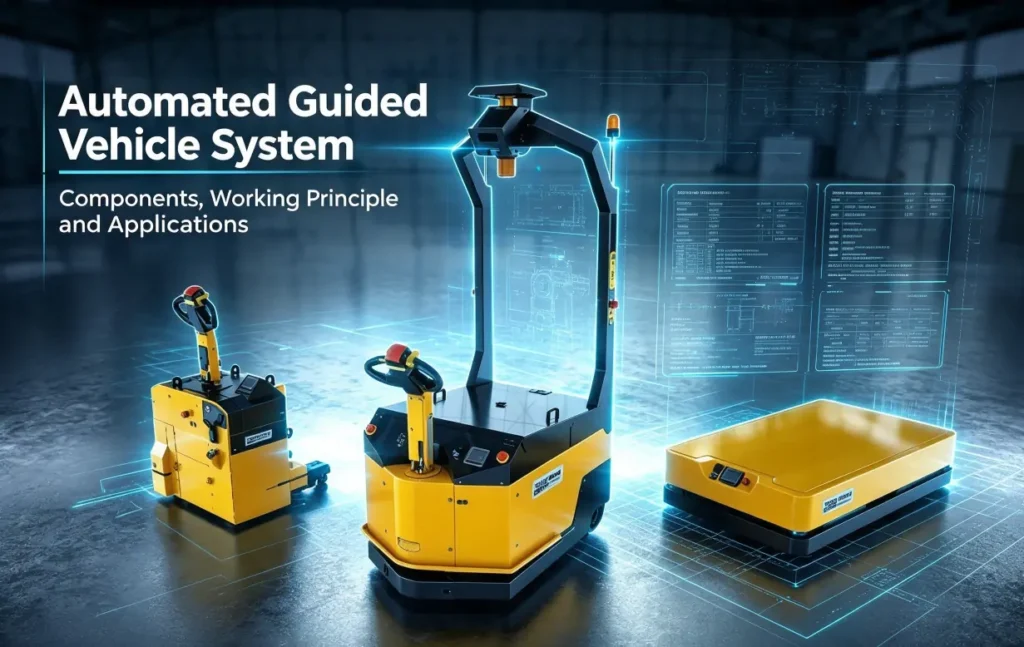
أن المركبة الموجهة الآلية, ، المعروف أيضًا باسم المركبة الموجهة ذاتيًا، أو المركبة ذاتية التوجيه، أو الروبوت المتنقل، هو نوع من مركبات المناولة الآلية. تقنية AGV هو نظام مناولة ذكي يتكون من مركبات موجهة آلية متعددة (AGV) بتكوينات أنظمة ذكية مختلفة ومعدات مناولة متنوعة. يمكنها نقل البضائع أو المواد في بيئة المصنع دون تشغيل يدوي أو قيادة. تُستخدم بشكل شائع في مصانع التصنيع أو المستودعات أو مراكز التوزيع. ستقدم هذه المقالة أنواعًا مختلفة من مركبات AGV. يرجى متابعة القراءة.

أنواع مختلفة من المركبات الموجهة الآلية
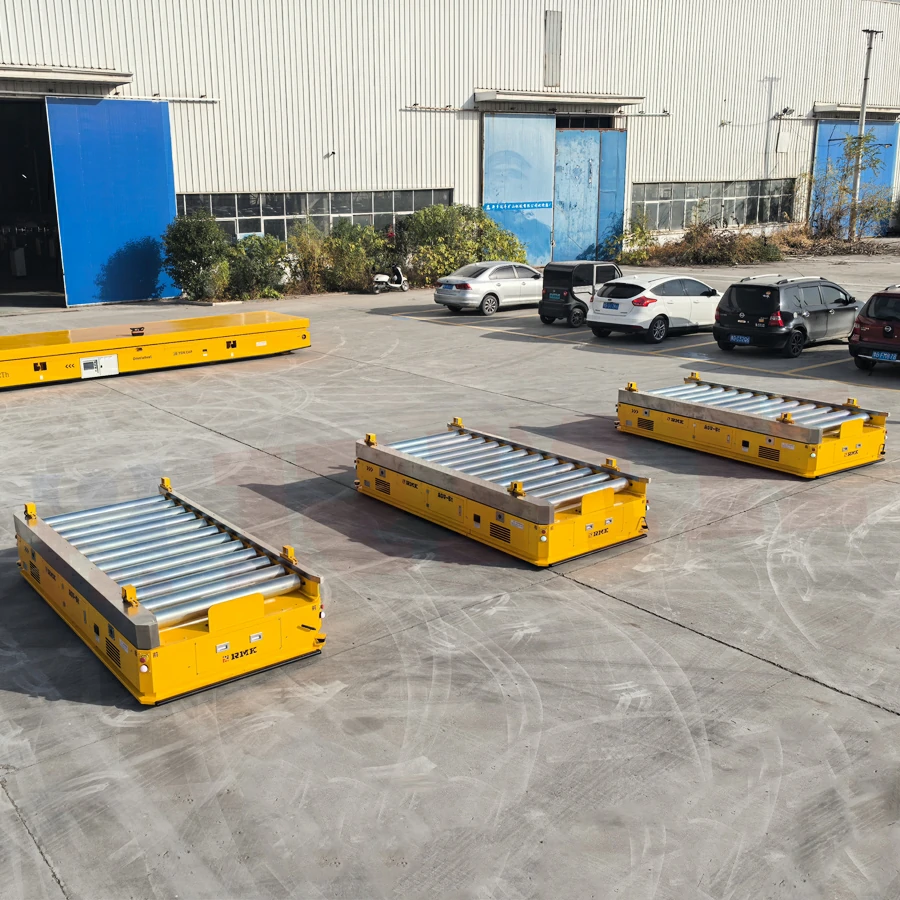
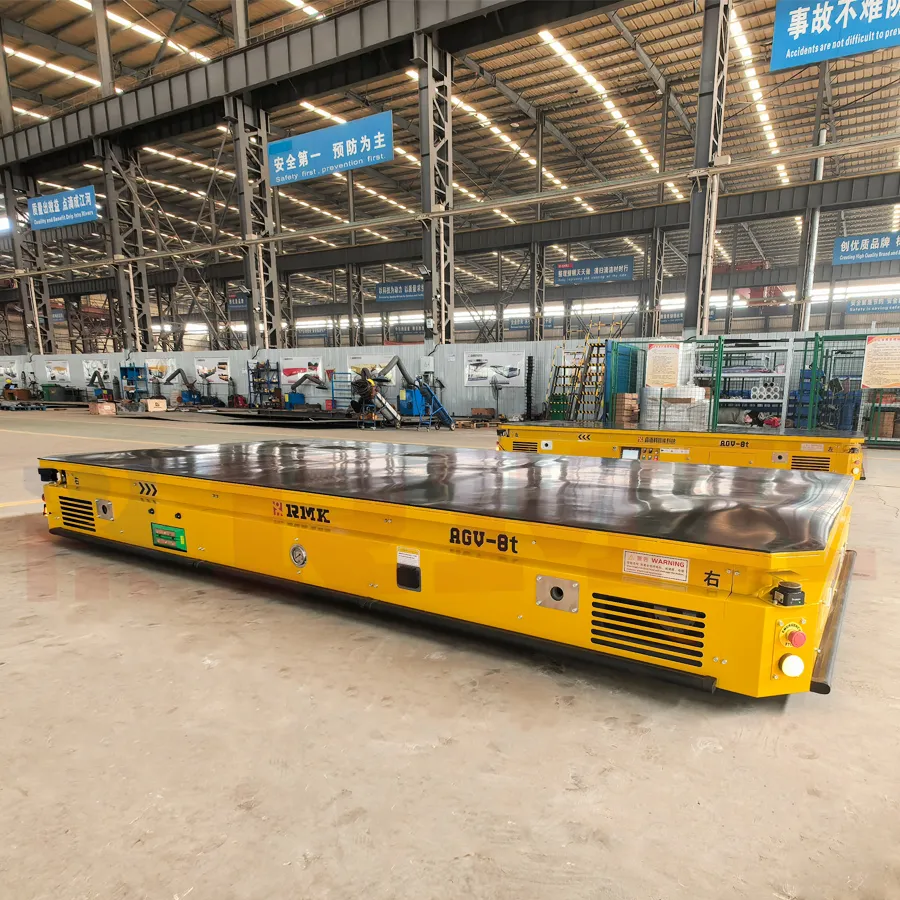
عربة النقل ذات المركبة الموجهة آلية (AGV) هي مركبة مناولة مواد غير مأهولة مصممة لنقل المواد الثقيلة وقطع العمل والقوالب ولفائف الفولاذ والمعدات تلقائيًا داخل المصانع والمستودعات. وفقًا لتخطيطات ورش العمل المختلفة ومتطلبات المناولة، تتوفر عربات نقل AGV بعدة تكوينات، بما في ذلك عربات نقل AGV الموجهة بالسكك الحديدية، وعربات نقل AGV غير المسارية، وعربات نقل AGV متعددة الاتجاهات، وعربات نقل AGV الهجينة، وعربات نقل AGV الثقيلة، وعربات نقل AGV الرافعة، وعربات نقل AGV الدوارة، وعربات نقل AGV المخصصة. تم تصميم كل نوع لبيئات تشغيل محددة وسعات تحميل ومتطلبات أتمتة.
عربة النقل AGV الموجهة بالسكك الحديدية
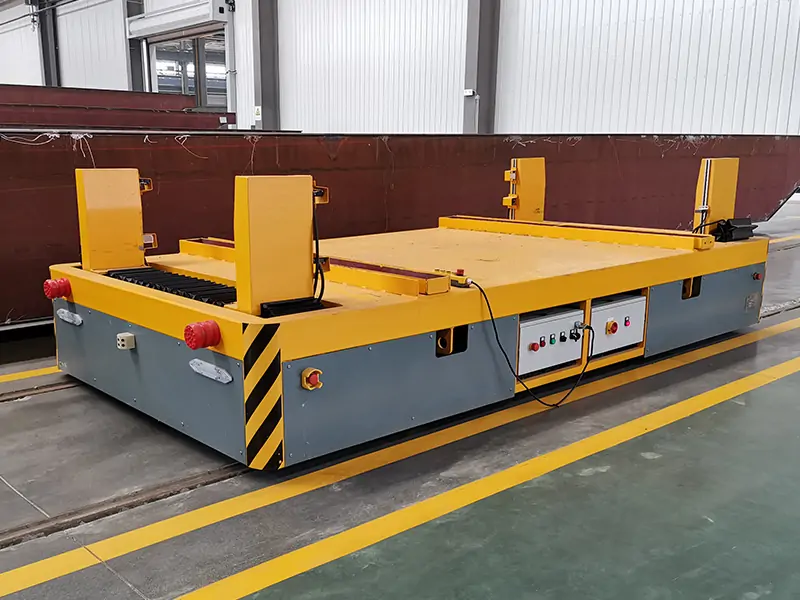
عربة النقل AGV الموجهة بالسكك الحديدية، والتي تسمى أيضًا المركبة الموجهة الآلية (AGV) الموجهة بالسكك الحديدية أو AGV السكك الحديدية، تسير على سكك حديدية ثابتة لنقل المواد المتكرر. تُستخدم بشكل شائع حيث تظل طرق النقل دون تغيير ويتم نقل الأحمال الثقيلة بين محطات العمل الثابتة.
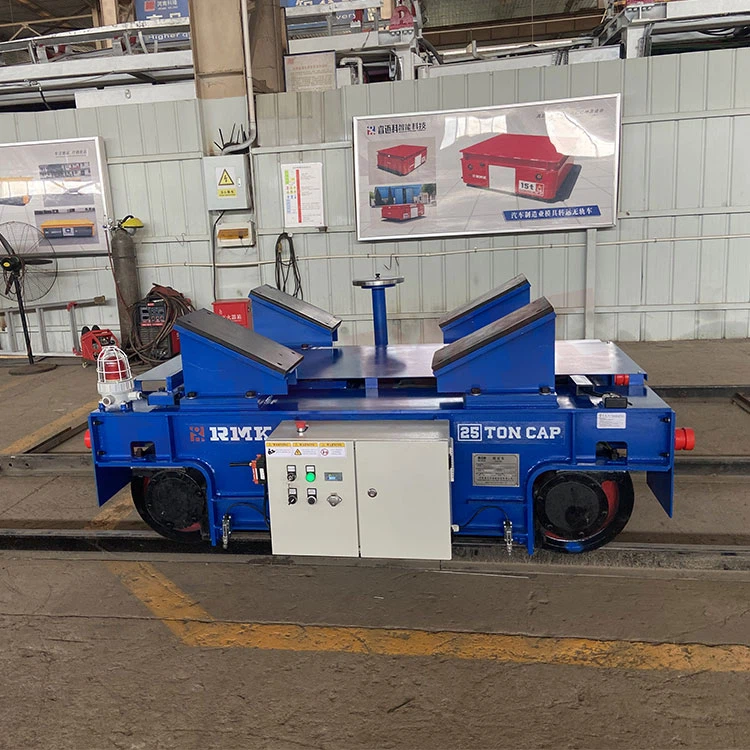
- تشغيل ثابت على المسار
- دقة تموضع عالية
- سعة تحميل كبيرة
- سير مستقر لمسافات طويلة
- مناسبة للإنتاج المستمر
التطبيقات: مصانع الصلب، ورش التشكيل، تصنيع القوالب، مصانع المعدات الثقيلة، وخطوط الإنتاج الآلية.
عربة النقل AGV غير المسارية
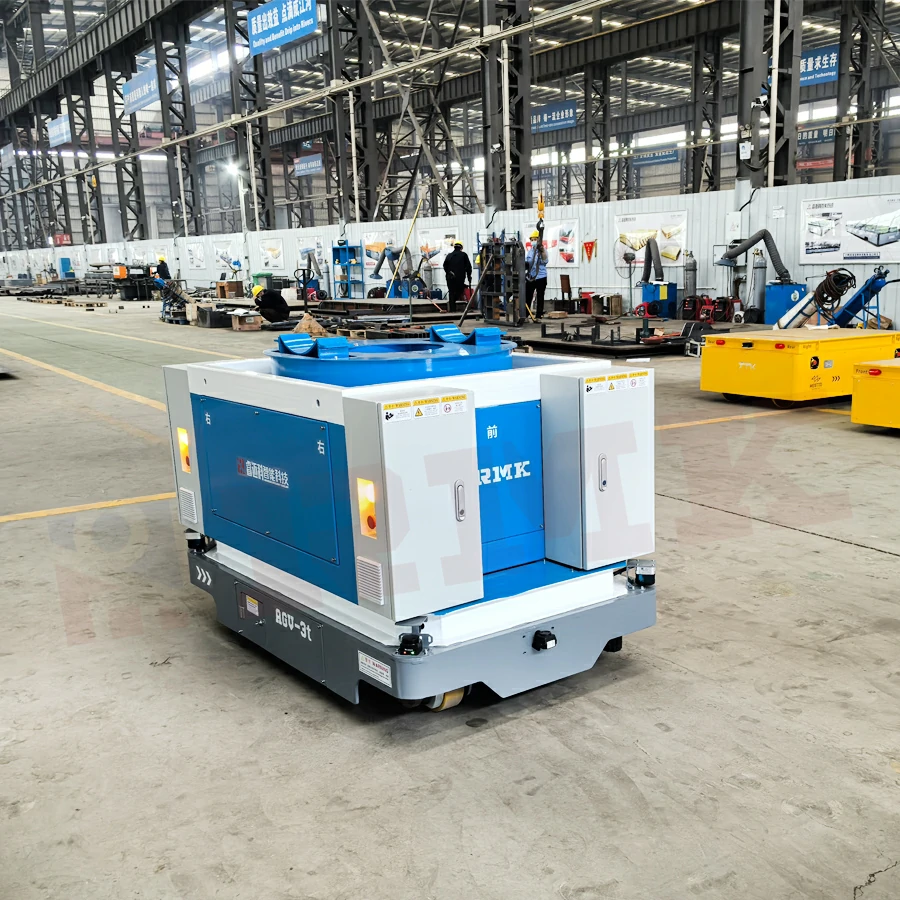
A عربة النقل AGV غير المسارية, ، والتي تسمى أيضًا العربة الموجهة الآلية غير المسارية (AGC)، تتحرك بدون سكك حديدية وتتبع أوامر الملاحة في جميع أنحاء ورشة العمل. وهي مناسبة للمصانع التي تتطلب نقلًا مرنًا بين محطات عمل متعددة.
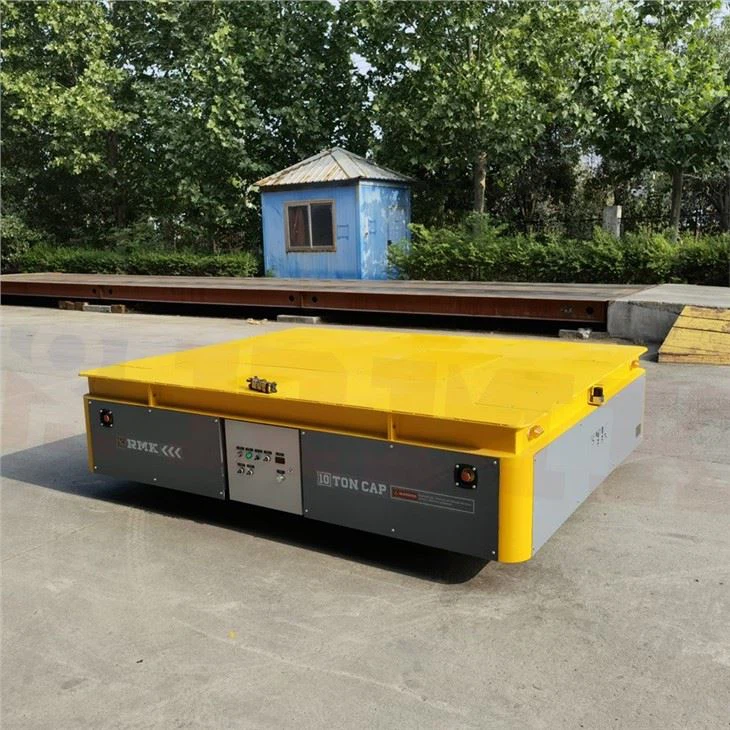
- لا حاجة لتركيب سكك حديدية
- طرق سير مرنة
- خيارات ملاحة متعددة
- تغييرات سهلة في التخطيط
- مناسبة للنقل متعدد النقاط
التطبيقات: مصانع السيارات، المصانع الذكية، المستودعات، ورش التجميع، وأنظمة التصنيع المرنة.
عربة النقل AGV متعددة الاتجاهات
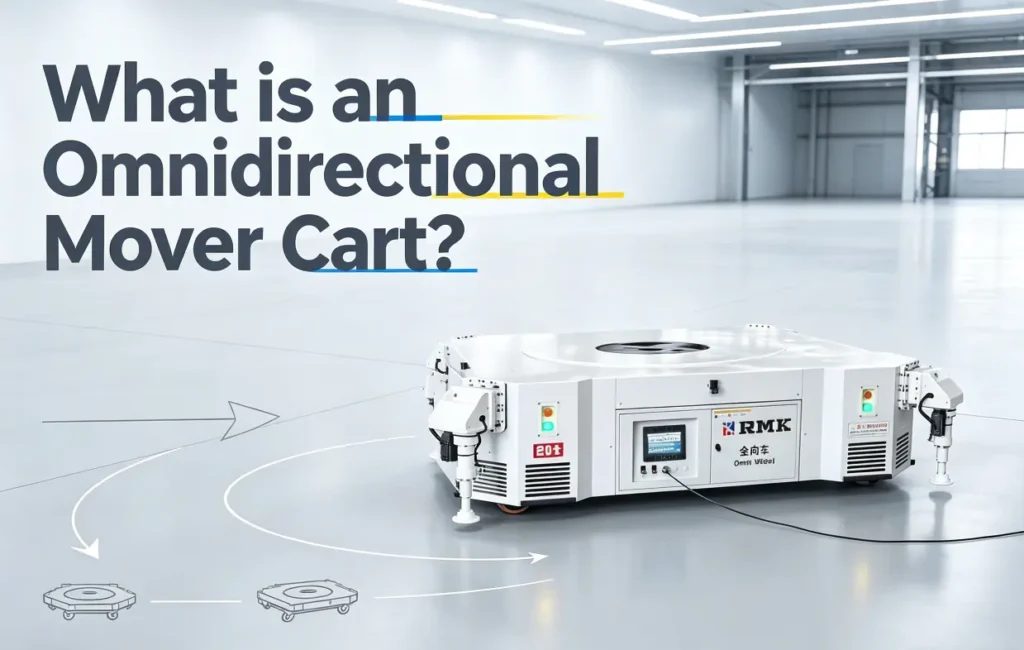
أن عربة النقل AGV متعددة الاتجاهات،, والتي تسمى أيضًا AGV ذات العجلات Mecanum، يمكنها التحرك في اتجاهات متعددة دون تغيير اتجاهها، مما يجعلها مناسبة لمناطق الإنتاج المحدودة.
- حركة 360 درجة
- سير جانبي وقطري
- دوران بنصف قطر صفري
- قدرة عالية على المناورة
- تحديد موضع دقيق
التطبيقات: مصانع القوالب، تصنيع الطيران، الآلات الدقيقة، تجميع المعدات الثقيلة، وورش التشغيل.
عربة النقل AGV الهجينة
A عربة النقل AGV الهجينة, ، والتي تسمى أيضًا المركبة الموجهة الآلية (AGV) الهجينة، تجمع بين أوضاع التشغيل المختلفة لتتناسب مع تخطيطات المصنع المعقدة ومتطلبات النقل.
- تشغيل بالسكك الحديدية وبدون مسار
- تحكم تلقائي ويدوي
- اختيار مسار مرن
- مناسبة للتخطيطات المعقدة
- قابلة للتكيف مع تغييرات الإنتاج
التطبيقات: مصانع التصنيع الكبيرة، مصانع متعددة ورش العمل، أنظمة الإنتاج المتكاملة، ومرافق التصنيع الذكية.
عربة النقل AGV الثقيلة
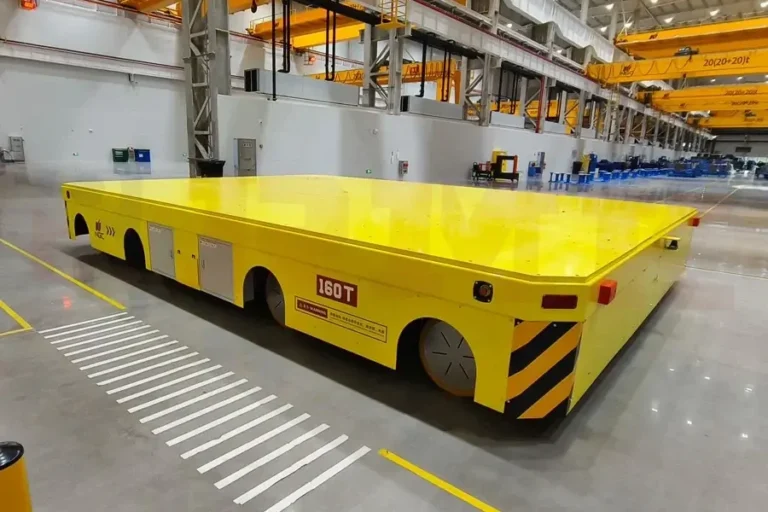
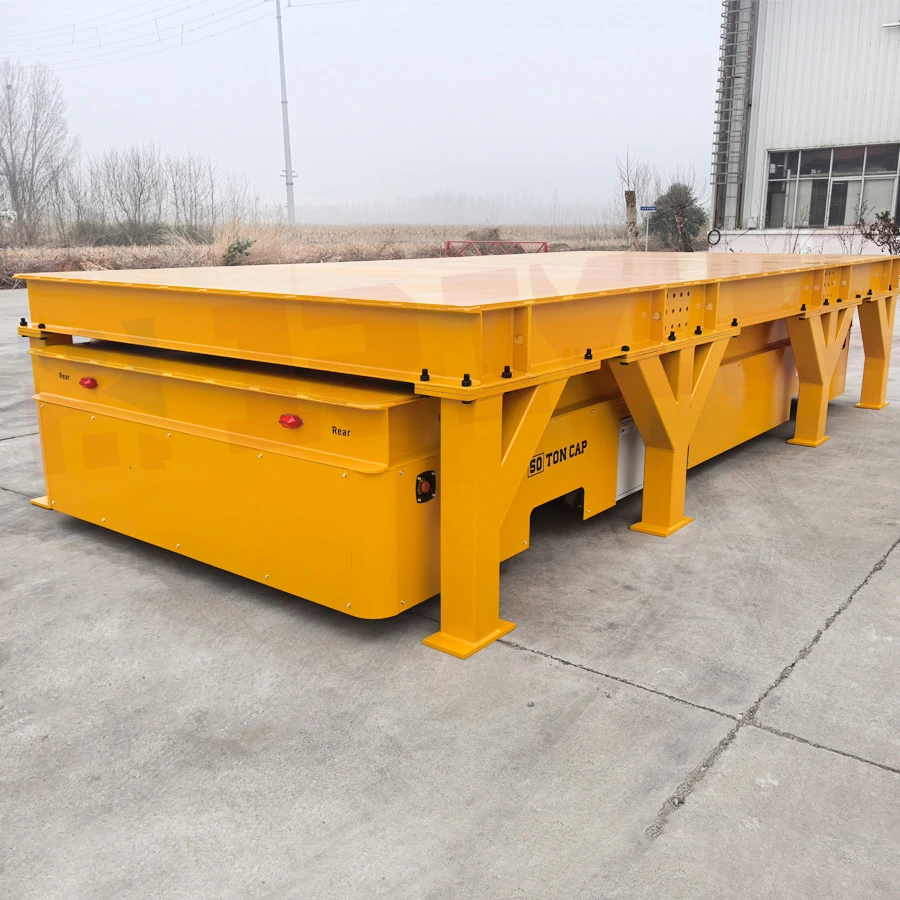
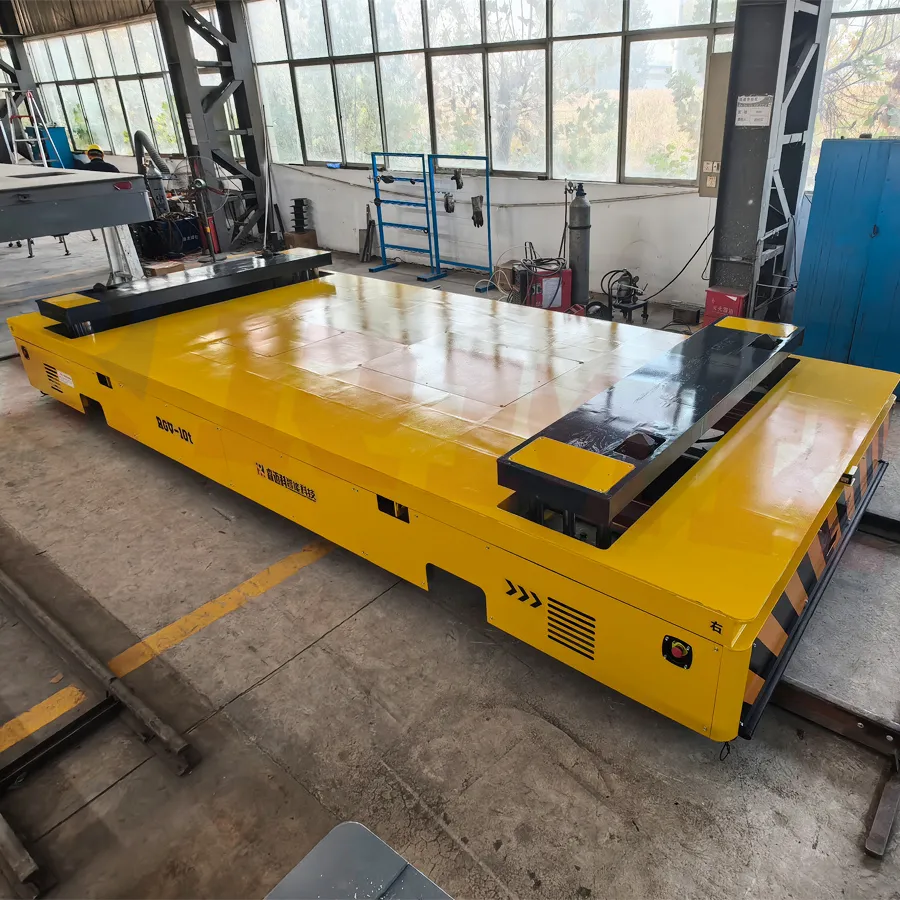
A عربة النقل AGV الثقيلة, ، والتي تسمى أيضًا المركبة الموجهة الآلية (AGV) ذات الحمولة الثقيلة، تنقل المواد والمعدات كبيرة الحجم ذات متطلبات الحمولة العالية.
لمعرفة المزيد عن الميزات والمزايا وإرشادات الاختيار لمركبات AGV الثقيلة، راجع هذه المقالة: “عربة نقل AGV ذات المنصة الكبيرة: الحل الأمثل لمناولة المواد الثقيلة وذات الحجم الكبير”
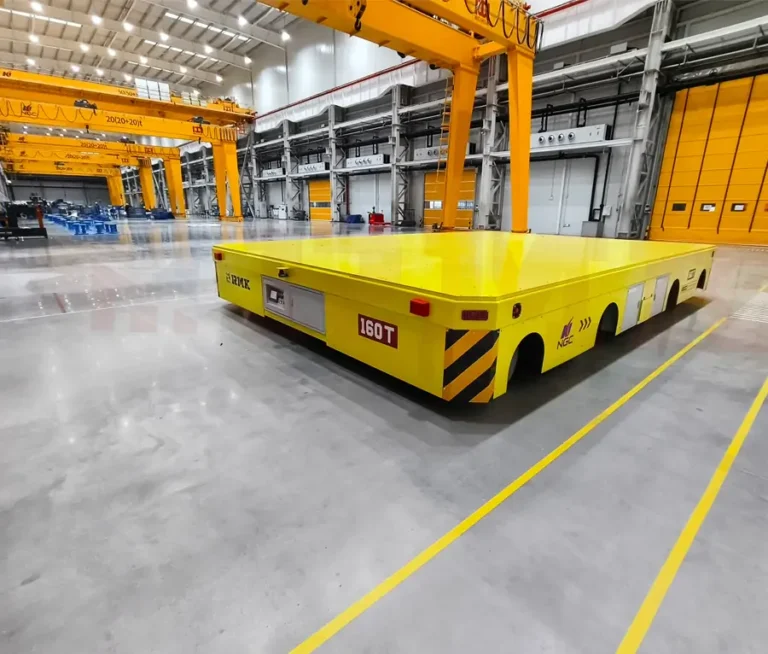
- سعة تحميل ثقيل
- هيكل فولاذي مقوى
- نقل حمولة ثقيلة مستقر
- نظام دفع للخدمة الشاقة
- تشغيل مستمر
التطبيقات: مصانع الصلب، أحواض بناء السفن، محطات طاقة الرياح، تصنيع المحولات، مصانع القوالب، وإنتاج الآلات الثقيلة.
عربة النقل AGV الهيدروليكية
A عربة النقل AGV الهيدروليكية, ، والتي تسمى أيضًا عربة الرفع AGV، تدمج منصة رفع للتحميل والتفريغ التلقائي ومحاذاة محطة العمل.
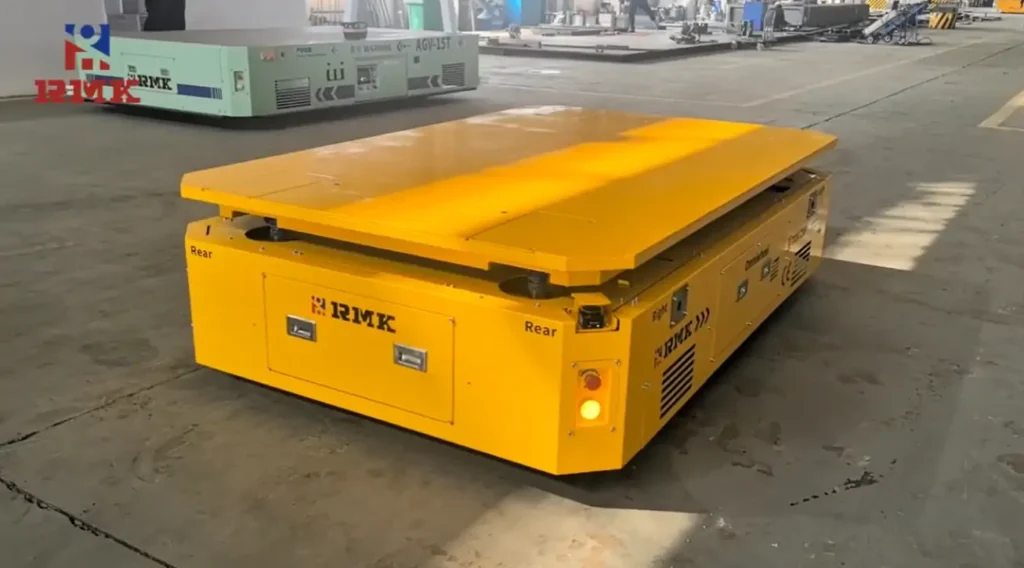
- رفع هيدروليكي أو كهربائي
- ارتفاع منصة قابل للتعديل
- إرساء تلقائي
- نقل حمولة سلس
- ارتفاع رفع مخصص
التطبيقات: خطوط التجميع، مراكز التشغيل، إنتاج البطاريات، المستودعات الآلية، وأنظمة التصنيع الذكية.
عربة النقل AGV الدوارة
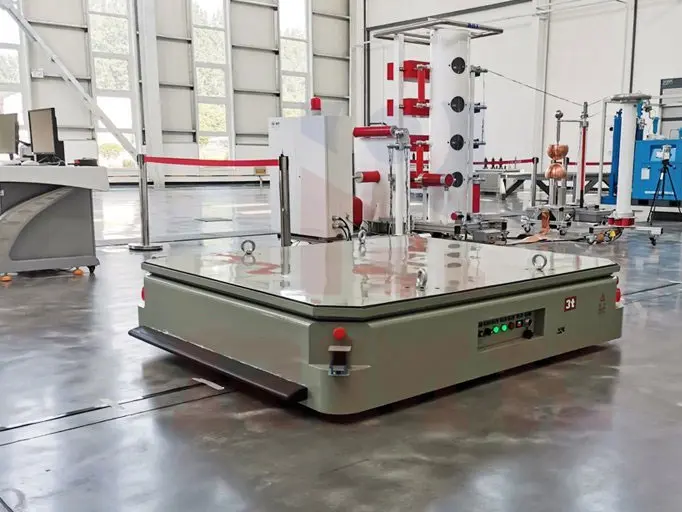
A عربة النقل AGV الدوارة, ، والتي تسمى أيضًا المركبة الموجهة الآلية (AGV) الدوارة، تتضمن منصة دوارة لتغيير اتجاه المواد المنقولة.
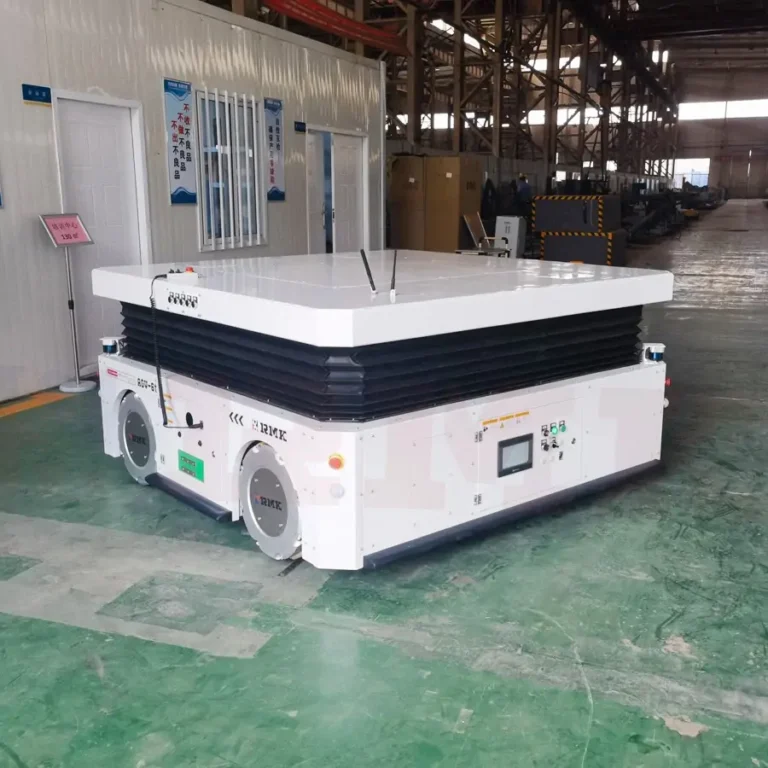
- قرص دوار مدمج
- دوران 360 درجة
- تحديد موضع تلقائي
- تقليل المناولة اليدوية
- متوافقة مع الخطوط الآلية
التطبيقات: محطات اللحام، خطوط الإنتاج الروبوتية، مراكز التشغيل، أنظمة الطلاء، وورش التجميع.
عربة النقل AGV المخصصة
عربة النقل AGV المخصصة، والتي تسمى أيضًا المركبة الموجهة الآلية (AGV) المخصصة، يتم بناؤها لتتناسب مع عمليات الإنتاج المحددة ومتطلبات النقل.
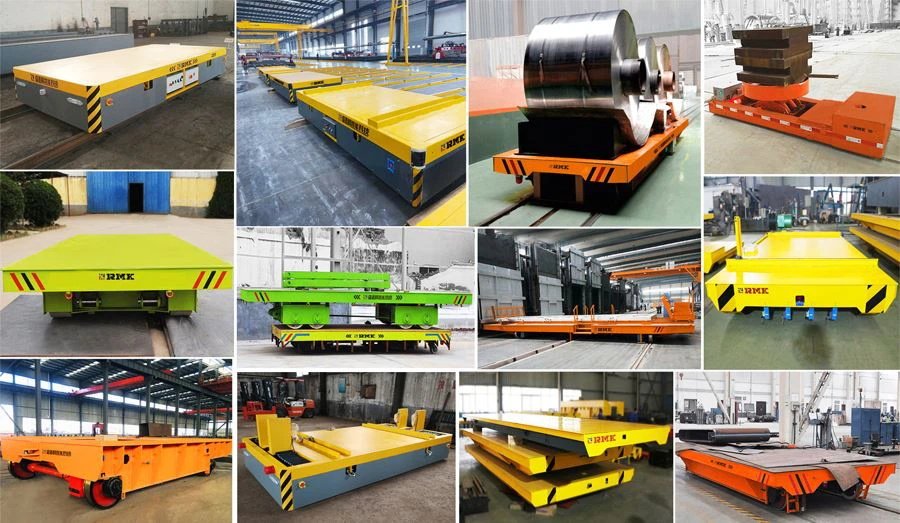
- أبعاد مخصصة
- سعة تحميل مخصصة
- رفع ودوران اختياري
- أنظمة ملاحة متعددة
- نظام تحكم قابل للتكوين
التطبيقات: معالجة الصلب، مناولة القوالب، تصنيع الطيران، إنتاج المعدات الثقيلة، ومشاريع مناولة المواد الصناعية المخصصة الأخرى.
عرض فيديو
الحالات
كيفية اختيار المركبة الموجهة الآلية المناسبة؟
كل مصنع لديه متطلبات مناولة مواد مختلفة. تعتمد المركبة الموجهة الآلية (AGV) المناسبة على تخطيط الإنتاج وطريق النقل وسعة التحميل ومهمة المناولة. يمكن أن يساعدك الجدول أدناه في تحديد عربة النقل AGV الأكثر ملاءمة لتطبيقك.
| بيئة العمل | الأنواع المناسبة | التطبيقات |
|---|---|---|
| طرق نقل ثابتة مع حركة متكررة | عربة النقل AGV الموجهة بالسكك الحديدية | مصانع الصلب، خطوط التشكيل، ورش التشغيل |
| تخطيطات إنتاج مرنة أو طرق نقل متعددة | عربة النقل AGV غير المسارية | المصانع الذكية، المستودعات، خطوط التجميع |
| ممرات ضيقة أو مساحة تشغيل محدودة | عربة النقل AGV متعددة الاتجاهات | ورش القوالب، المعدات الدقيقة، تصنيع الطيران |
| نقل ثابت ومرن في مصنع واحد | عربة النقل AGV الهجينة | مصانع متعددة ورش العمل، أنظمة إنتاج متكاملة |
| مواد ثقيلة من 10 إلى 300+ طن | عربة النقل AGV الثقيلة | لفائف الصلب، القوالب، المحولات، الآلات الثقيلة |
| تحميل أو تفريغ تلقائي أو إرساء معدات | عربة نقل AGV رافعة | خطوط إنتاج آلية، مراكز تشغيل |
| قطع عمل تتطلب تعديل الزاوية | عربة النقل AGV الدوارة | لحام، تشغيل، تجميع روبوتي |
| أبعاد خاصة أو متطلبات إنتاج مخصصة | عربة النقل AGV المخصصة | تصنيع ثقيل، معدات كبيرة الحجم، مشاريع خاصة |
لست متأكدًا من المركبة الموجهة الآلية المناسبة لمشروعك؟ يرجى الاتصال بنا وتقديم تفاصيل حول سعة الحمولة، ومسافة السير، وتخطيط الورشة، وعملية الإنتاج الخاصة بتطبيقك. سيقوم مهندسو RMK بالتوصية بحل مناسب بناءً على تطبيقك.
- للحصول على نظرة متعمقة حول نصائح الاختيار، اقرأ: “كيف تختار عربة نقل AGV المناسبة؟”
- اقرأ المزيد من المقالات حول تطبيقات المركبات الموجهة آلية (AGVs): ما الصناعات التي تستخدم عربات نقل AGV؟ التطبيقات عبر التصنيع الحديث
نطاق التخصيص
إذا كان مشروعك يتضمن أحجام تحميل غير عادية أو مساحة ورشة محدودة أو عمليات إنتاج خاصة، فقد لا يكون النموذج القياسي هو الخيار الأفضل. يمكن لـ RMK تخصيص المركبة الموجهة آلية بناءً على:
- سعة التحميل – من التطبيقات خفيفة الوزن إلى النقل الثقيل الذي يتجاوز 300 طن.
- حجم المنصة – طول وعرض وارتفاع منصة مخصصة للمواد والمعدات المختلفة.
- نظام الملاحة – شريط مغناطيسي، رمز QR، توجيه ليزري، SLAM، أو طرق ملاحة أخرى.
- الدفع والتوجيه – موجّه بالسكك، بدون مسار، متعدد الاتجاهات، توجيه تفاضلي، أو توجيه رباعي العجلات.
- الرفع والدوران – منصات رفع هيدروليكية، أنظمة رفع كهربائية، وأقراص دوارة.
- مصدر الطاقة – بطارية ليثيوم، بطارية حمض الرصاص، بكرة كابل، قضيب توصيل، أو حلول طاقة أخرى.
- نظام التحكم – تحكم PLC، اتصال لاسلكي، جدولة الأسطول، والتكامل مع أنظمة MES أو WMS.
- ميزات السلامة – ماسحات ليزرية، كشف العوائق، إيقاف طارئ، أضواء تحذيرية، إنذارات صوتية، وحماية من الاصطدام.
- بيئة التشغيل – حلول لدرجات الحرارة العالية، الغبار، الرطوبة، الغرف النظيفة، أو التطبيقات المقاومة للانفجار.
أرسل لنا متطلبات تطبيقك، وسيوصي مهندسونا بأكثر عربة نقل AGV مناسبة لمصنعك.
الخلاصة:
تشمل عربات النقل ذات المركبة الموجهة آلية (AGV) أنواعًا موجهة بالسكك الحديدية، وغير مسارية، ومتعددة الاتجاهات، وثقيلة، ورافعة، ودوارة، ومخصصة. تم تصميم كل نوع لتخطيطات مصانع مختلفة ومتطلبات تحميل وعمليات مناولة مواد. يعتمد اختيار الحل المناسب على ظروف الإنتاج وطرق النقل واحتياجات الأتمتة.
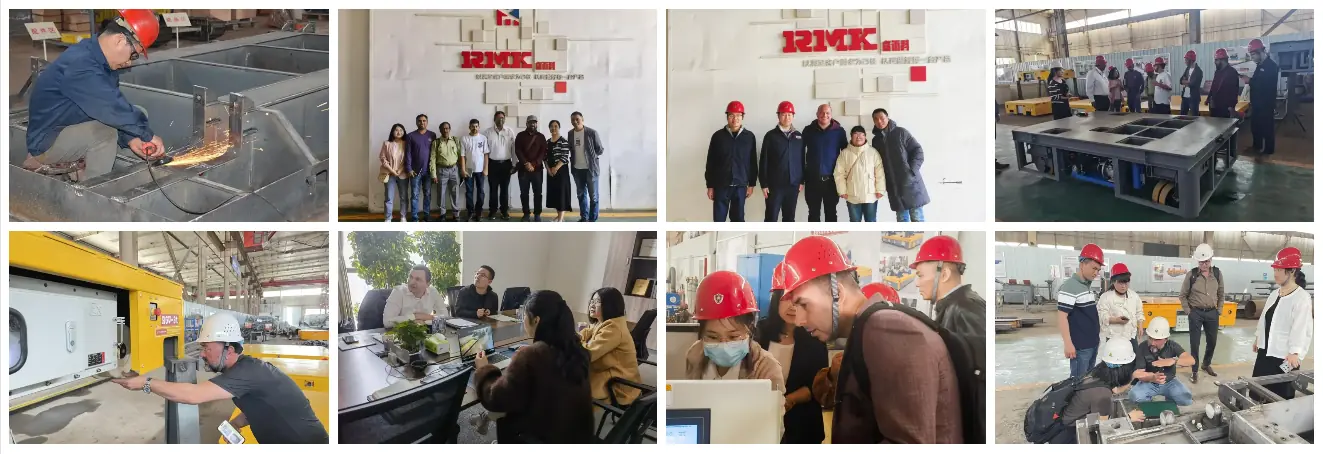
مدهش تتخصص في تصميم وتصنيع عربات نقل AGV الصناعية للمناولة الثقيلة والآلية للمواد. مع خبرة تصدير مثبتة في الأسواق الخارجية، تُستخدم معداتنا على نطاق واسع في مصانع الصلب وتصنيع الآلات ومرافق الإنتاج الآلي في جميع أنحاء العالم. اتصل بنا مع متطلبات مشروعك، وسنوصي بحل مركبة موجهة آلية مناسب لتطبيقك.
FAQS
ما هي الأنواع المختلفة لعربات النقل AGV؟
تشمل الأنواع الشائعة عربات نقل AGV موجهة بالسكك الحديدية، وغير مسارية، ومتعددة الاتجاهات، وهجينة، وثقيلة، ورافعة، ودوارة، ومخصصة. تم تصميم كل نوع لتخطيطات مصانع مختلفة ومتطلبات مناولة مواد.
ما الفرق بين AGV الموجه بالسكك الحديدية وAGV غير المساري؟
تعمل AGV الموجهة بالسكك الحديدية على قضبان ثابتة لمسارات مستقرة ومتكررة. تعمل AGV غير المسارية بدون قضبان وتتبع مسارات ملاحية، مما يسمح بحركة مرنة وتغييرات في التخطيط.
متى يجب أن أختار مركبة AGV متعددة الاتجاهات؟
مركبة AGV متعددة الاتجاهات مناسبة للمساحات الضيقة، والتخطيطات المعقدة، والتطبيقات التي تتطلب حركة جانبية، أو سير قطري، أو تحديد موضع دقيق لقطع العمل الكبيرة.
ما هي أنظمة الملاحة التي تستخدمها المركبات الموجهة الآلية (AGVs)؟
تستخدم المركبات الموجهة آليًا (AGVs) عادةً التوجيه بالشريط المغناطيسي، والملاحة بالليزر، والتوجيه برمز الاستجابة السريعة (QR)، والملاحة بتقنية SLAM، والأنظمة القائمة على الرؤية، وذلك وفقًا لمتطلبات الدقة والمرونة.
ما مقدار الوزن الذي يمكن أن تحمله عربة النقل AGV؟
تعتمد سعة التحميل على التصميم. تتعامل النماذج القياسية مع بضعة أطنان، بينما يمكن لعربات نقل AGV الثقيلة حمل 10 إلى 300+ طن من لفائف الفولاذ والقوالب والمعدات الثقيلة.
هل يمكن تخصيص عربات النقل AGV؟
نعم. يمكن تخصيص عربات النقل AGV من حيث سعة الحمولة، حجم المنصة، نظام الملاحة، طريقة التوجيه، وظائف الرفع أو الدوران، مصدر الطاقة، ونظام التحكم.
ما هي الصناعات التي تستخدم عربات النقل AGV بشكل شائع؟
تُستخدم على نطاق واسع في مصانع الصلب، وأحواض بناء السفن، وتصنيع القوالب، وإنتاج السيارات، وطاقة الرياح، والآلات الثقيلة، والمصانع الآلية.
كيف أختار عربة النقل AGV المناسبة؟
يعتمد الاختيار الصحيح على وزن الحمولة ومسافة النقل وتخطيط ورشة العمل وعملية الإنتاج ومستوى الأتمتة. تناسب النماذج الموجهة بالسكك الحديدية المسارات الثابتة، وتناسب الأنواع غير المسارية التخطيطات المرنة، وتناسب النماذج الثقيلة مناولة الأحمال الكبيرة.
مقالات ذات صلة
حلول مناولة المواد الذكية المخصصة لمناولة المواد الذكية
للتأكد من أن عربة النقل المخصصة تناسب احتياجاتك تماماً، يُرجى تقديم التفاصيل التالية:
- سعة التحميل: _____ طن (1 ~ 500 طن)
- حجم الطاولة: _____ × _____ مم/م (على سبيل المثال، 1500 × 3000)
- خيارات الطاقة:
- □ حمض الرصاص □ حمض الرصاص □ ليثيوم أيون □ أخرى: _____
- □ كابل _____V/_____A
- □ قياسي 380 فولت/50 هرتز/3 مراحل قياسية
- تفاصيل الحمولة:
- النوع: _____ (مثل لفائف الصلب، والآلات)
- الاحتياجات الخاصة: _____ (على سبيل المثال، مضاد للانزلاق، مقاوم للتآكل)
- ميزات اختيارية:
- □ حساسات منع التصادم في حالات الطوارئ □ حساسات منع التصادم
- □ موجهات السكك الحديدية □ آلية الرفع □ جهاز التحكم عن بُعد