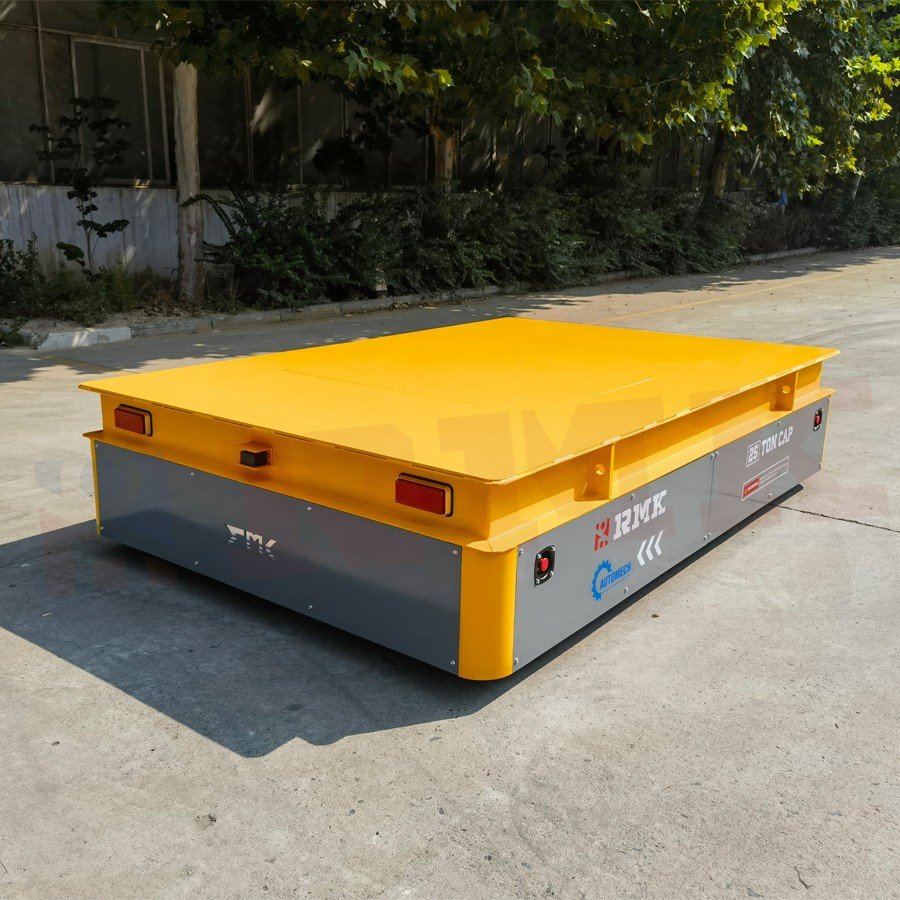
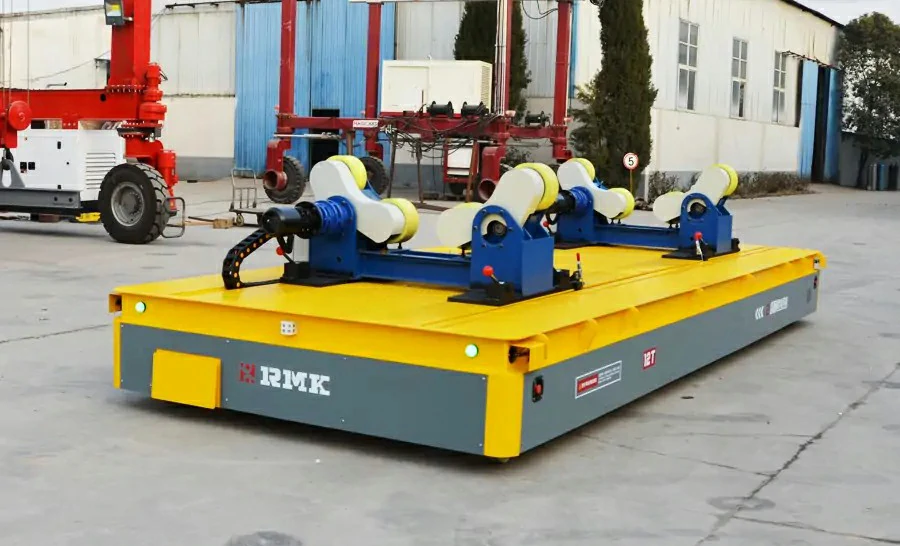
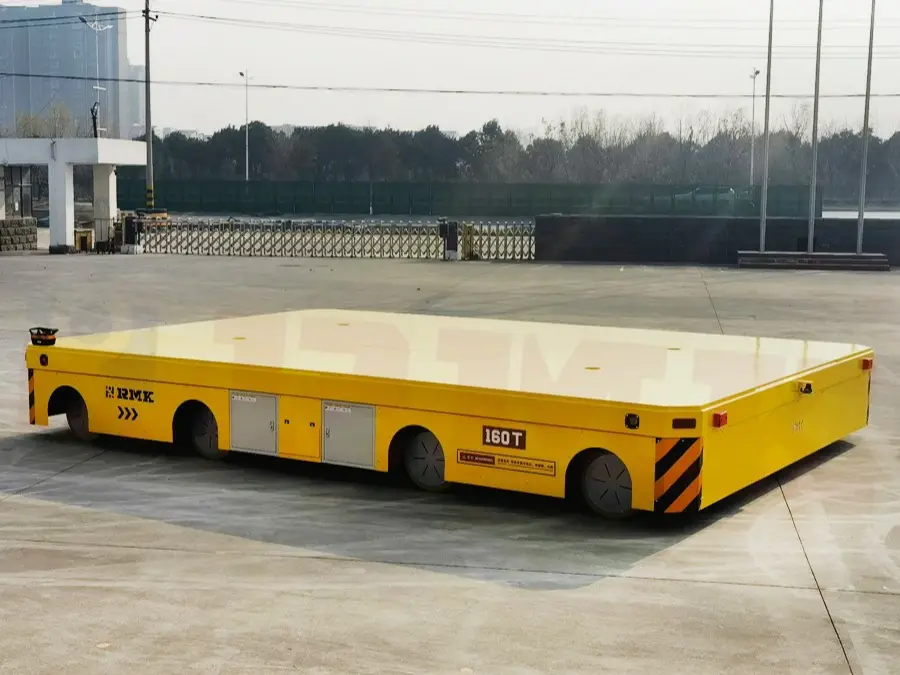
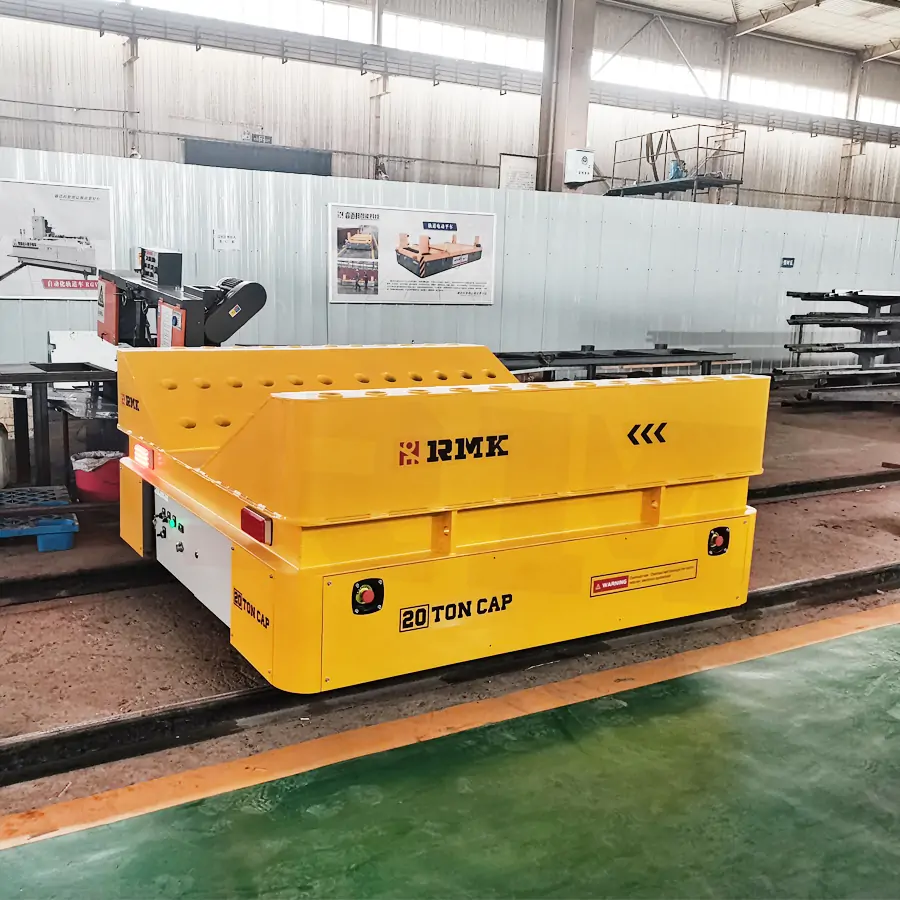
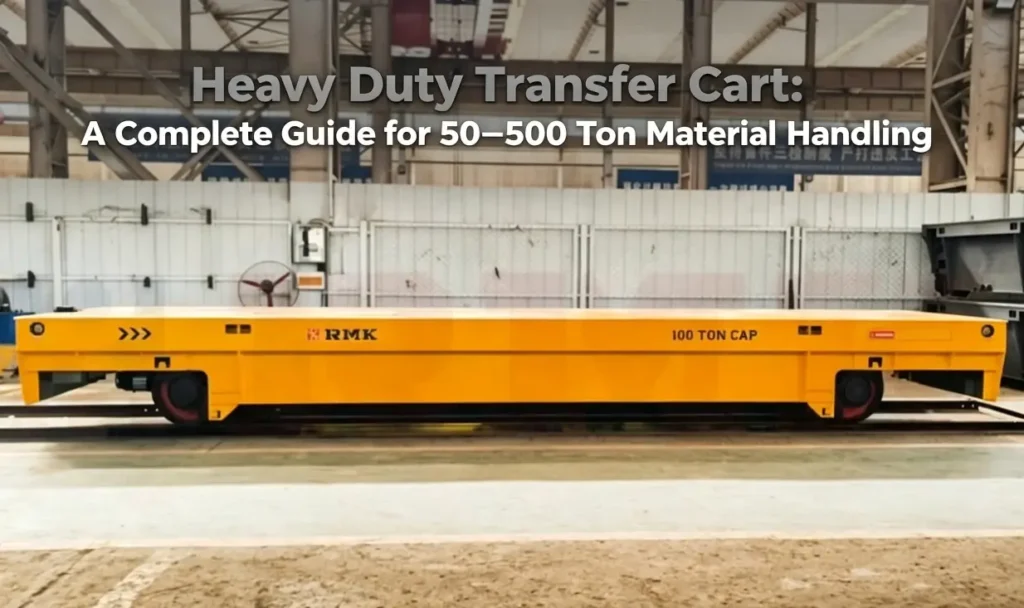
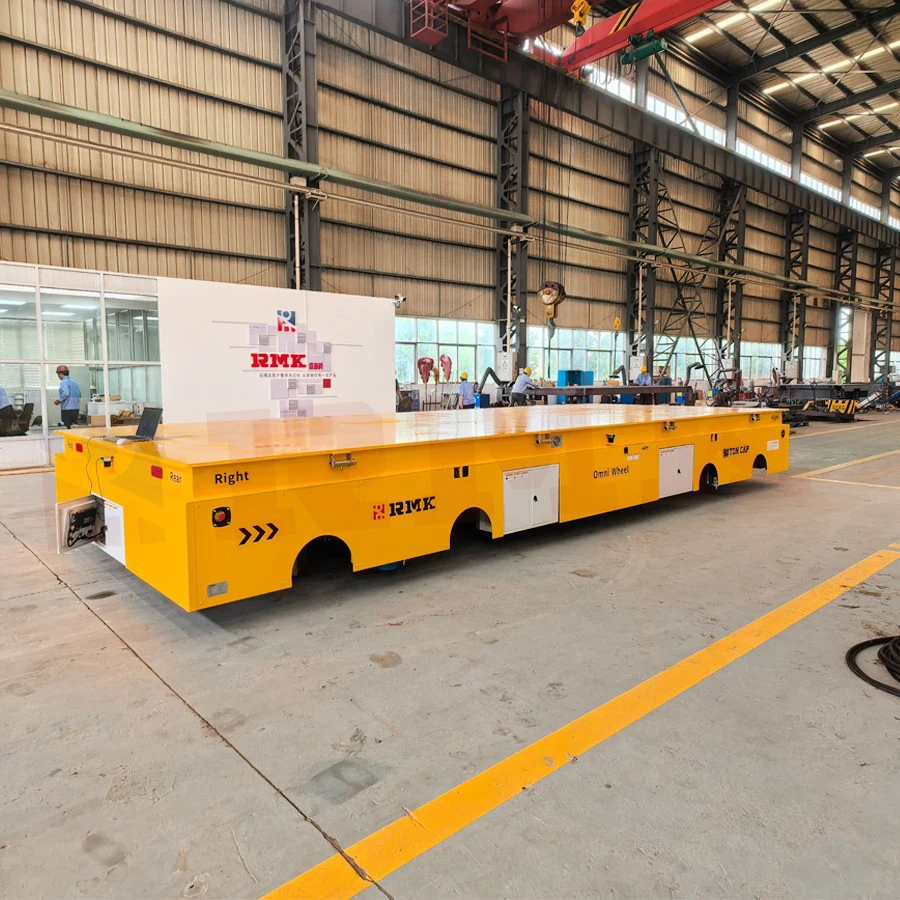
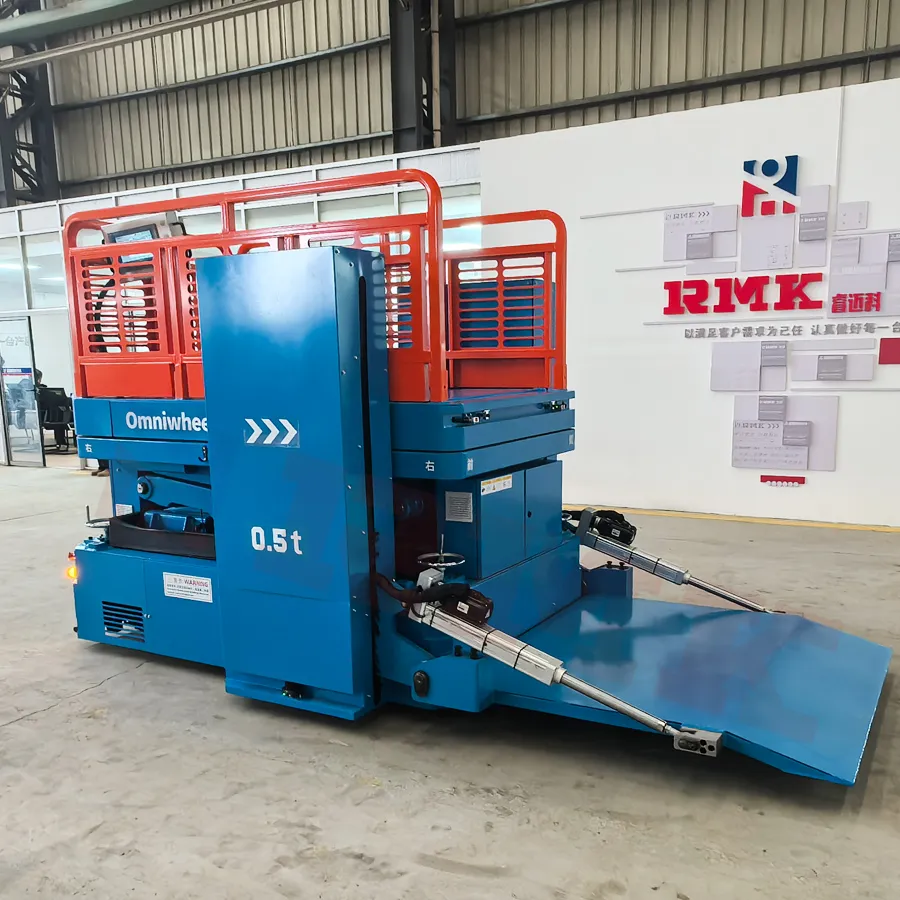
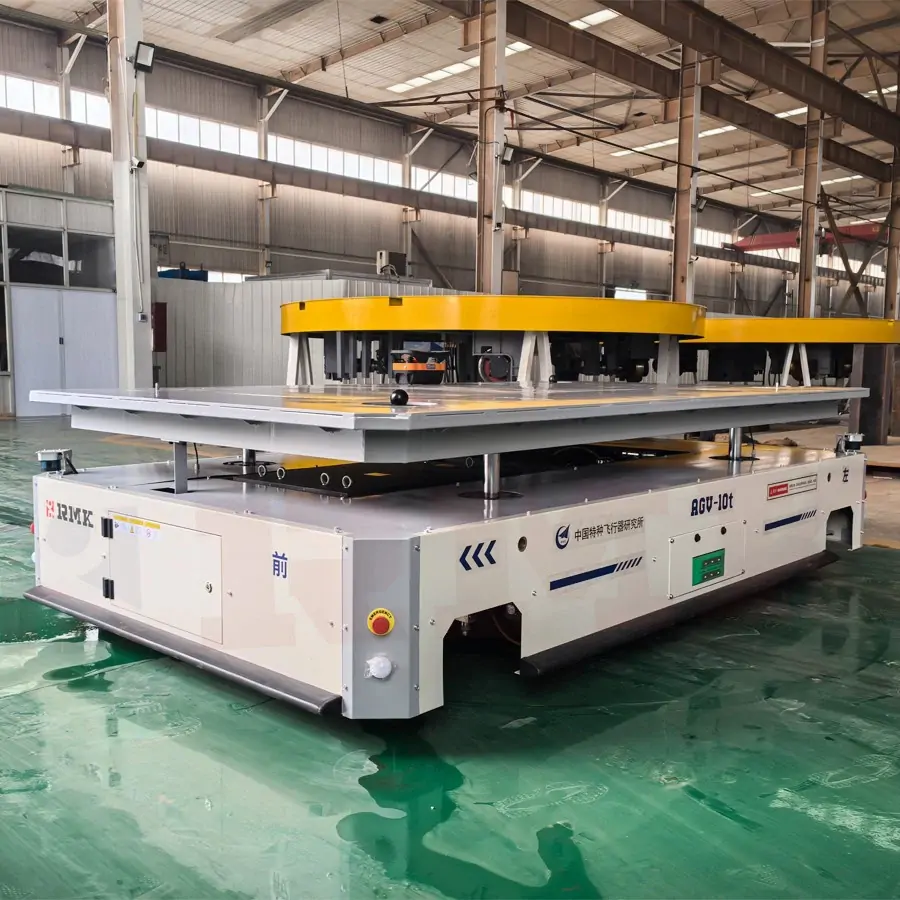
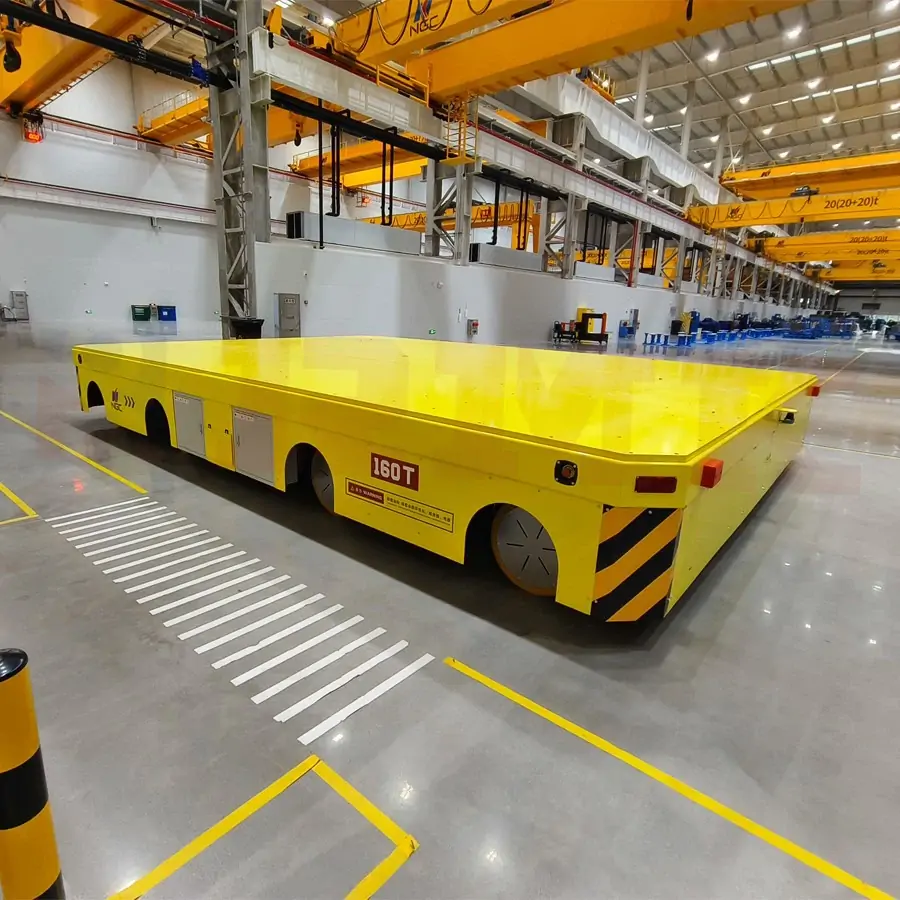
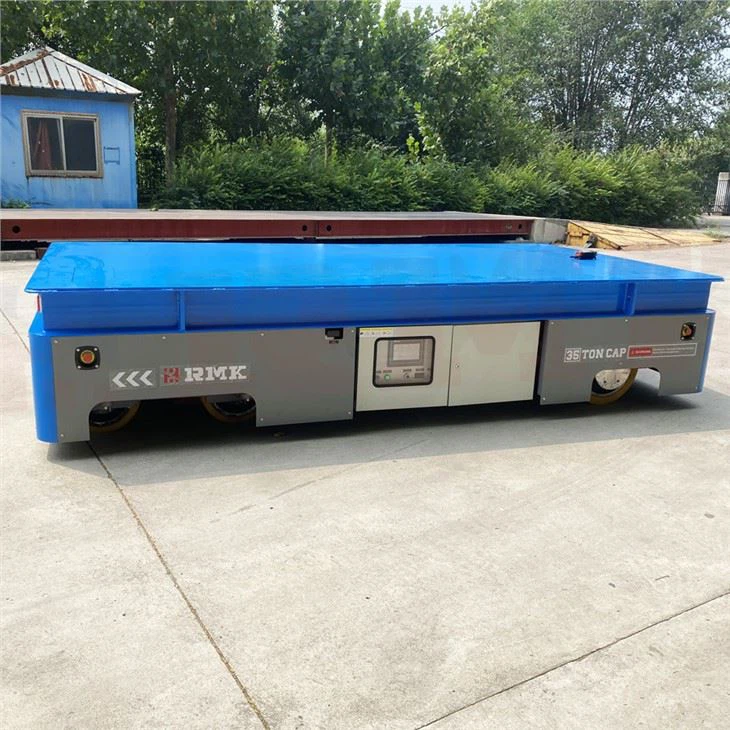
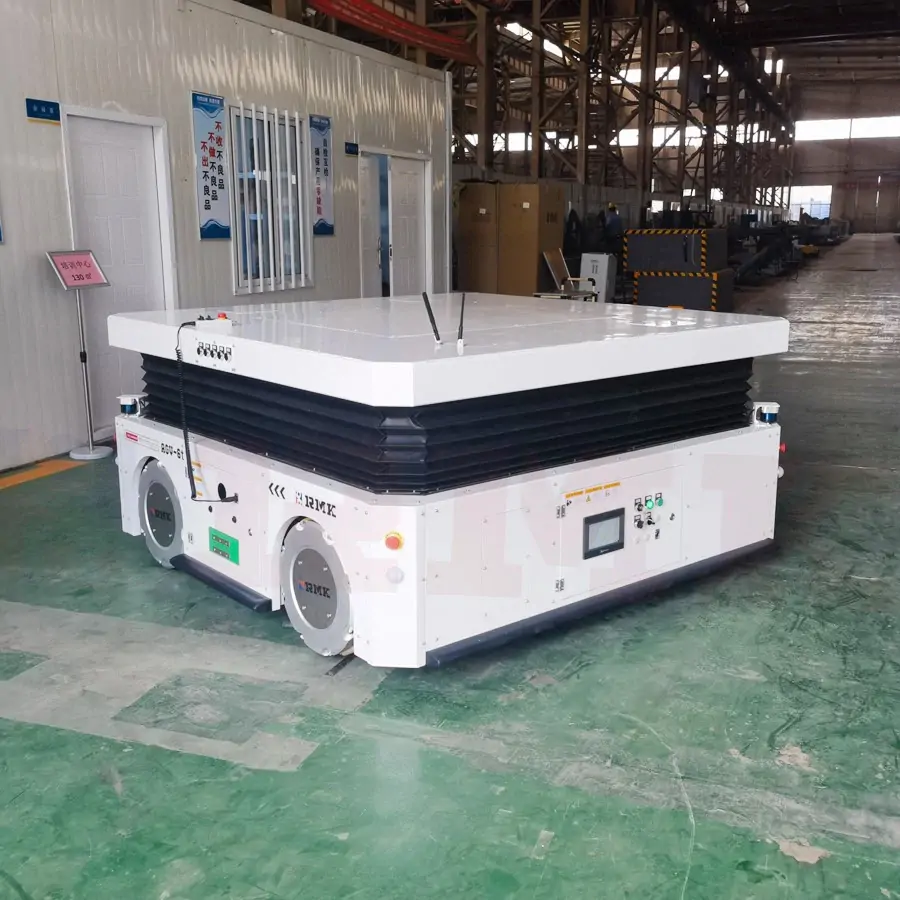
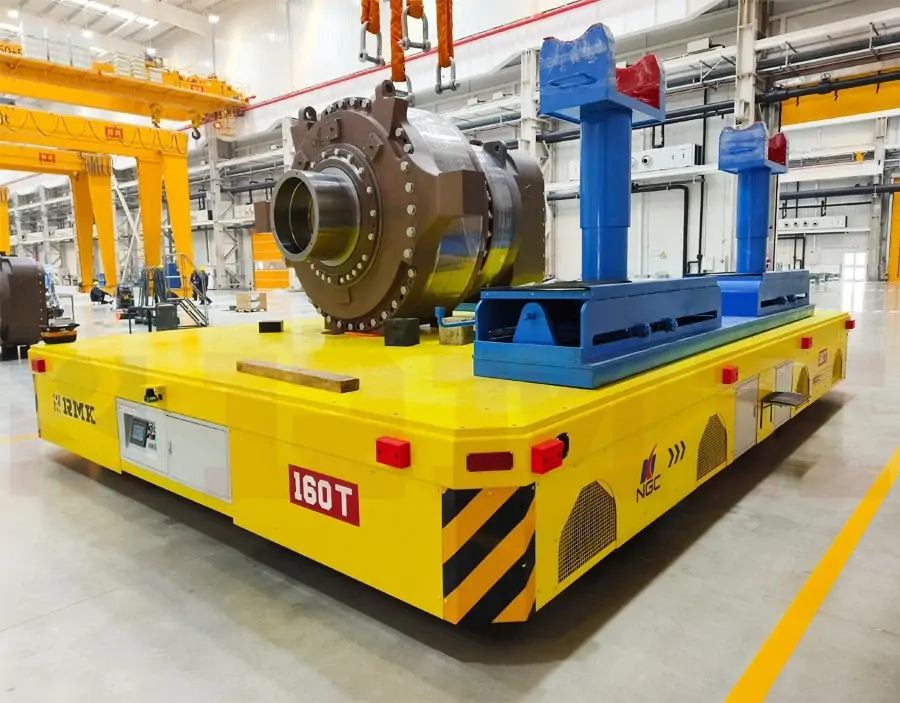
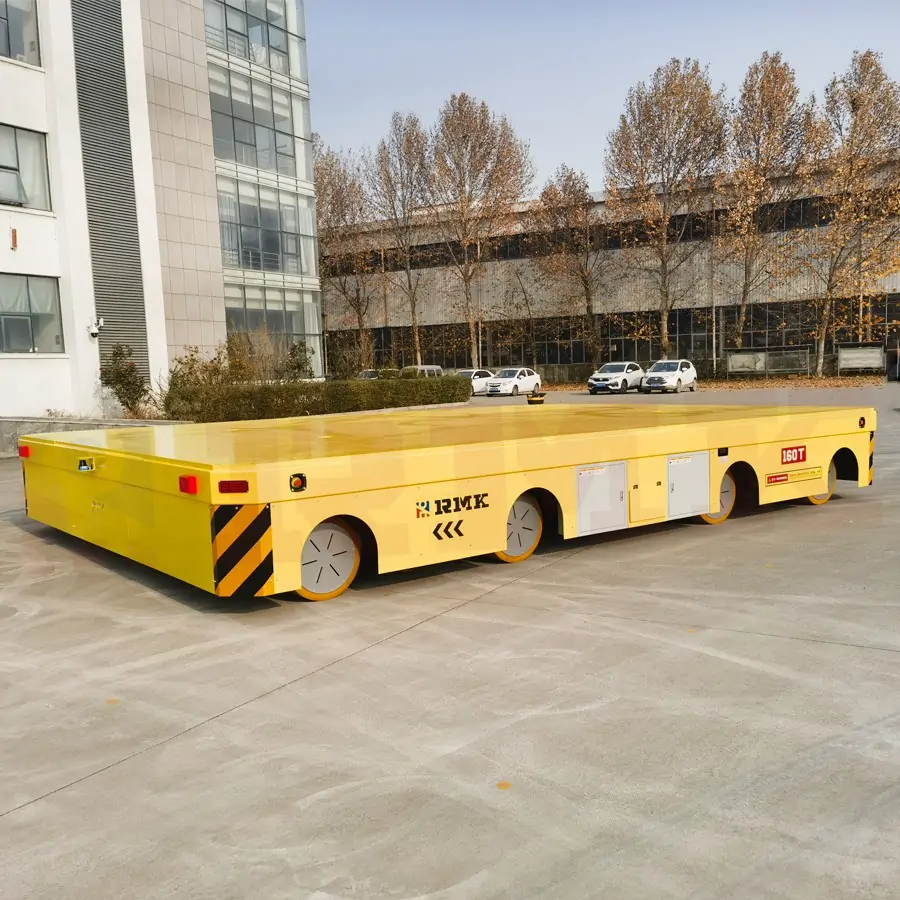
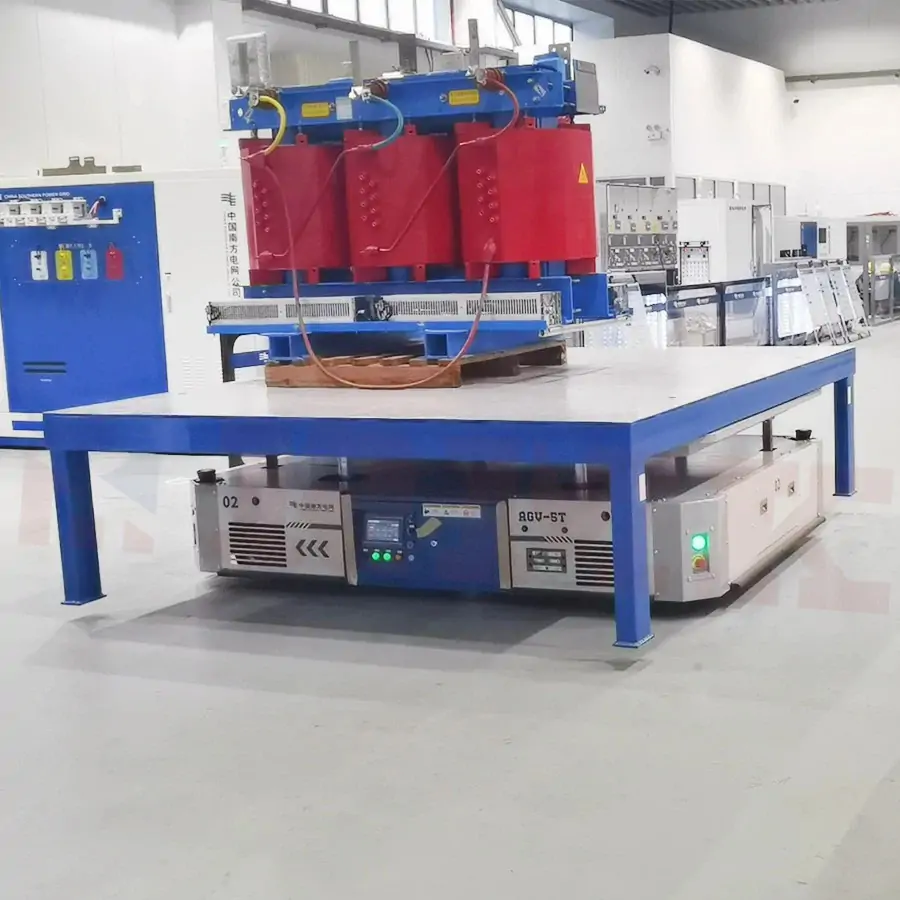
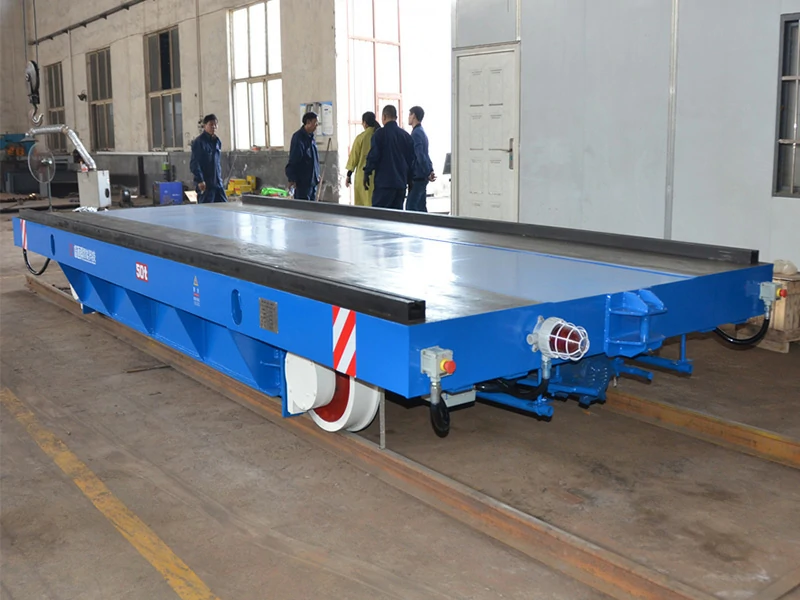
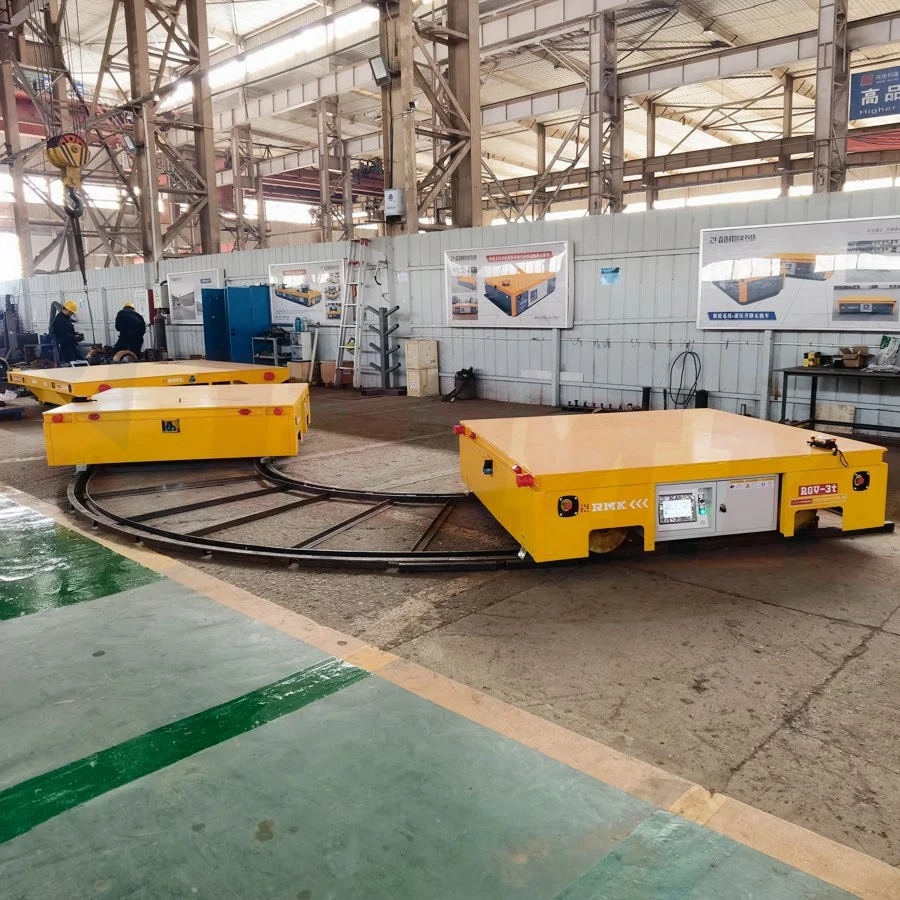
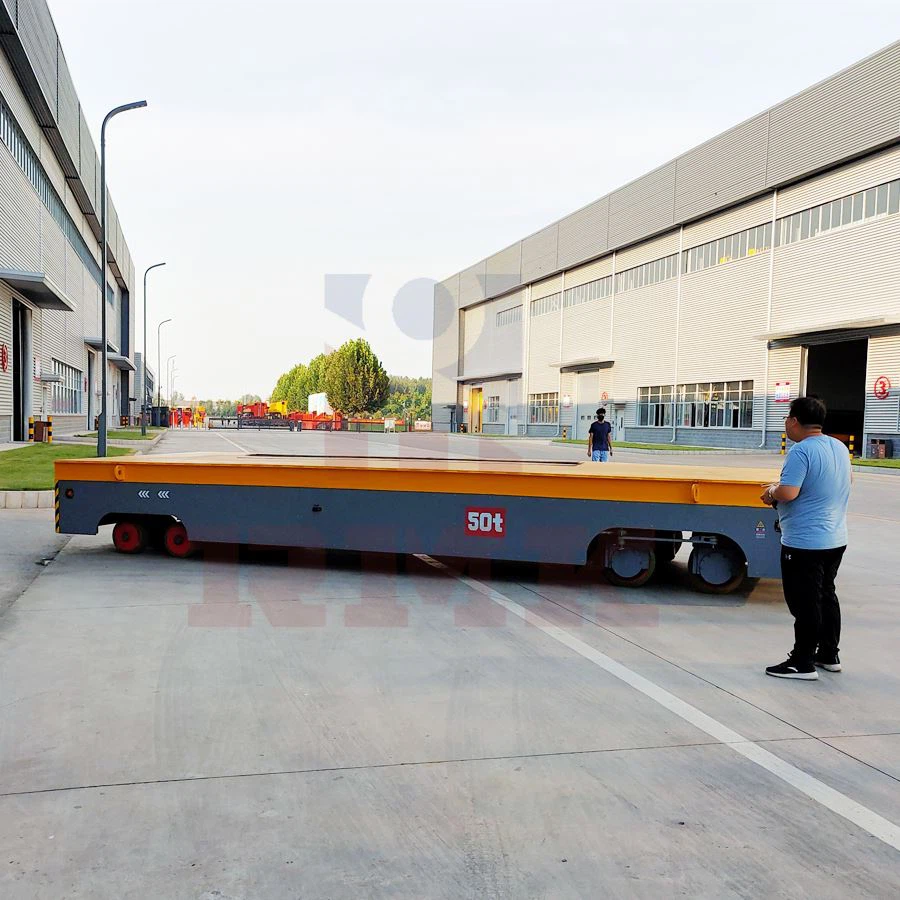
Die Transfer Carts, endüstriyel bir taşıma cihazı olup, üretim atölyeleri, depolar ve iş istasyonları arasında iş parçalarını güvenli ve verimli bir şekilde taşımak için elektrikle çalışarak raylar veya zemin üzerinde hareket eder. Yüksek yük kapasitesi ve basit kullanımı sayesinde otomotiv üretimi, enjeksiyon kalıplama gibi endüstrilerde yaygın olarak kullanılır. Bu makale, çalışma prensiplerini, avantajlarını ve uygun die transfer cart.
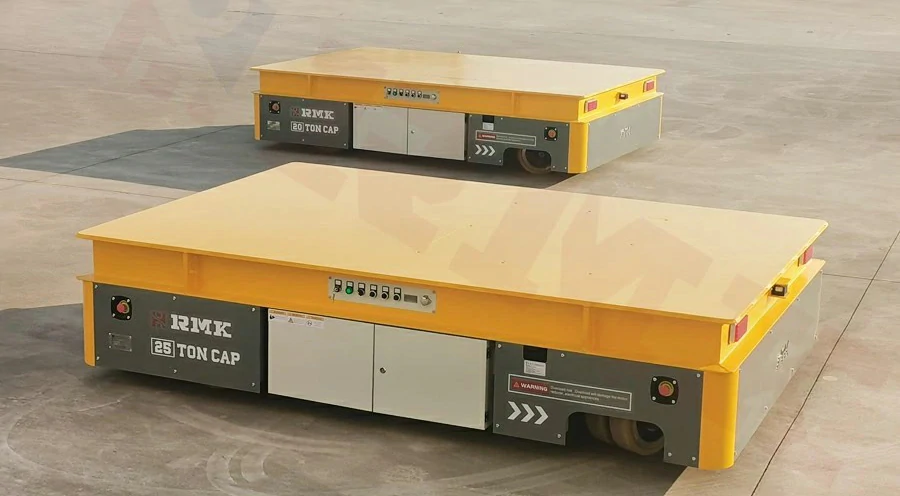
Die Transfer Cart'ın Çalışma Prensibi
Güç, aküler, kablo makaraları veya ray tabanlı güç sistemleri aracılığıyla tahrik motoruna sağlanır ve tekerlekleri zemin veya raylar boyunca ileri/geri hareket, yönlendirme ve hız ayarlamalarını gerçekleştirmek üzere iter. Yüksek mukavemetli platform yapısı, hidrolik kaldırma sistemleri veya konumlandırma cihazları ile birleştiğinde, kalıbın düzgün taşınmasını ve hassas hizalamayı sağlar. Ağır hizmet tipi die transfer cart'lar, ağır kalıp taşıma işlemlerinde güvenlik ve güvenilirliği artırmak için genellikle uzaktan kumanda veya elde taşınan kumandalar aracılığıyla çalıştırılarak start/stop, yönlendirme ve hız ayarlamalarını gerçekleştirir.
Die transfer cart'ın çalışma prensibini anladıktan sonra, temel avantajlarına bakalım.
Die Transfer Cart'ların Temel Avantajları
Ağır Yük Kapasitesi: 5 tondan 300 tona ve ötesine kadar özelleştirilebilir yük aralıklarını destekler, büyük kalıpların ve ağır takımların taşınması için uygundur.
Artırılmış Güvenlik: Platformlar, kalıp kayması ve operatör hatası risklerini azaltmak için kaymaz çelik plakalar, limit durdurucular, yan raylar ve acil fren sistemleri içerebilir.
Gelişmiş Dayanıklılık: Yüksek mukavemetli kaynaklı çerçeveler ve endüstriyel sınıf tahrik bileşenleri ile inşa edilmiştir, düşük bakım sıklığı ile uzun süreli ağır yük çalışması altında kararlı güvenilirlik sağlar.
Esnek Hareket Kabiliyeti: Atölye düzenine bağlı olarak raylı die cart'lar veya yönlendirilebilir die handling cart'lar arasında seçim yapın, karmaşık güzergahlara ve dar alanlara uyum sağlar.
Otomasyona Hazır: Otomatik yönlendirmeli araca (AGV) yükseltilebilir, lazer veya manyetik şerit navigasyonu aracılığıyla otomatik üretim hatları ve akıllı fabrikalar için insansız akıllı taşıma sağlar.
Düşük Bakım Maliyeti: Basit yapı ve düşük arıza oranı, bakım maliyetlerinin forklift gibi geleneksel taşıma ekipmanlarından daha düşük olmasını sağlayarak uzun vadeli işletme giderlerini azaltır.


Die transfer cart'lar yukarıda belirtilen avantajlara sahiptir ve bu da onları modern kalıp üretimi ve büyük iş parçası atölyelerinde vazgeçilmez taşıma ekipmanı haline getirir. Peki, ne tür die transfer araçları olduğunu biliyor musunuz? Bir göz atalım.
Die Transfer Cart'ların Yaygın Türleri
Die transfer arabaları çeşitli tiplerde gelir. Aşağıda referans olması için ana türleri verilmiştir.
| Tip | Özellikler | Kapasite | Tipik Uygulamalar |
|---|---|---|---|
| Raylı Transfer Arabası | Sabit ray çalışması yüksek stabilite sağlar, uzun mesafeli taşıma için idealdir | 10–300+ ton | Pres hatları arasında kalıp transferi, sabit iç üretim hattı taşıması |
| Akülü Taşıma Arabası | Kalıp hizalaması ve yükleme/boşaltma için hidrolik kaldırma platformu ile donatılmıştır | 5–200 ton | Akülü Taşıma Arabası (Akülü Raysız) |
| Yönlendirilebilir Transfer Arabası | Yerinde dönebilir, düşük zemin gereksinimi ile dar alanlar için uygundur | 5–100 ton | Dar koridorlar, atölye istasyonları arasında esnek geçişler |
| Hidrolik Kaldırmalı Die Cart | Akıllı üretim tesisleri, otomatik üretim hatları ve insansız lojistik sistemleri | 5–80 ton | Enjeksiyon kalıp değişimleri, pres ekipmanı kalıp montajı/demontajı |
| Otomatik Die Transfer Cart'lar (AGV) | İnsansız çalışma, lazer navigasyon, MES/ERP sistemi entegrasyonu | 5–50 ton | Akıllı üretim tesisleri, otomatik üretim hatları ve insansız lojistik sistemleri |


.webp)

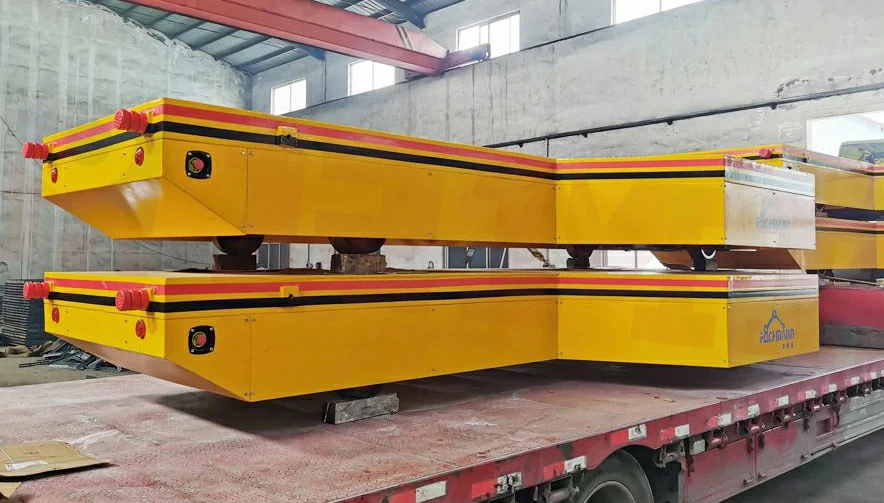
Biz REMARKABLE, tüm transfer arabası türleri için özelleştirilmiş çözümleri destekliyoruz. Die transfer cart'larımızla ilgileniyorsanız, lütfen bizimle iletişime geçin. Size en uygun çözümü sağlayacağız.
Doğru die transfer cart nasıl seçilir?
Bir die transfer cart seçerken, verimli ve uzun vadeli kararlı çalışmayı sağlamak için yük kapasitesi ve atölye ortamı gibi temel faktörler dikkate alınmalıdır. İşte alıcıların seçim sırasında odaklanması gereken önemli noktalar:
Yük kapasitesine göre: Maksimum kalıp ağırlığını temel alın. Uzun vadeli çalışma güvenliğini artırmak için maksimum kalıp ağırlığının ≥ 1,2–1,5 katı yük kapasitesine sahip bir model seçin.
Atölye güzergahına göre: Sabit güzergahlar ve büyük taşıma hacimleri için raylı transfer arabalarını seçin; bölgeler arası veya esnek taşıma için akülü raysız transfer arabalarını seçin; dar alanlar için yönlendirilebilir transfer arabalarını seçin.
Diğer Gereksinimler: Kalıp yükleme/boşaltma, kalıp değişimleri veya presler/enjeksiyon makineleri ile hizalama olup olmadığına dikkat edin. Varsa, hidrolik kaldırma platformları veya otomatik hizalama sistemlerine sahip modelleri değerlendirin.
Otomasyon Değerlendirmesi: Mevcut ihtiyaçları ve planları değerlendirin. İnsansız çalışma veya akıllı çizelgeleme için AGV/AMR navigasyonunu destekleyen veya otomasyon genişletme arayüzlerine sahip transfer arabalarını seçin.
Kaliteli bir üretici seçin: Die transfer cart'larda kanıtlanmış deneyime sahip, özelleştirilebilir tasarımlar ve kapsamlı satış sonrası destek sunan tedarikçilere öncelik verin; bu, ekipman kararlılığını artırır ve işletme maliyetlerini azaltır.

Sonuç:
Bu makale aracılığıyla, ağır hizmet tipi die transfer cart'ların çalışma prensipleri ve avantajlarının yanı sıra uygun die transfer aracının nasıl seçileceğini öğrendik. Kalıp taşımayı verimli ve güvenli bir şekilde tamamlamakla kalmaz, aynı zamanda işçilik maliyetlerini ve operasyonel riskleri de önemli ölçüde azaltır.
İşletmeniz transfer arabası ekipmanı gerektiriyorsa, lütfen istediğiniz zaman Bize ulaşın bizimle iletişime geçmekten çekinmeyin. Size en uygun ürünleri ve üstün hizmeti sunarak özelleştirilmiş çözümler sağlamaya kararlıyız.