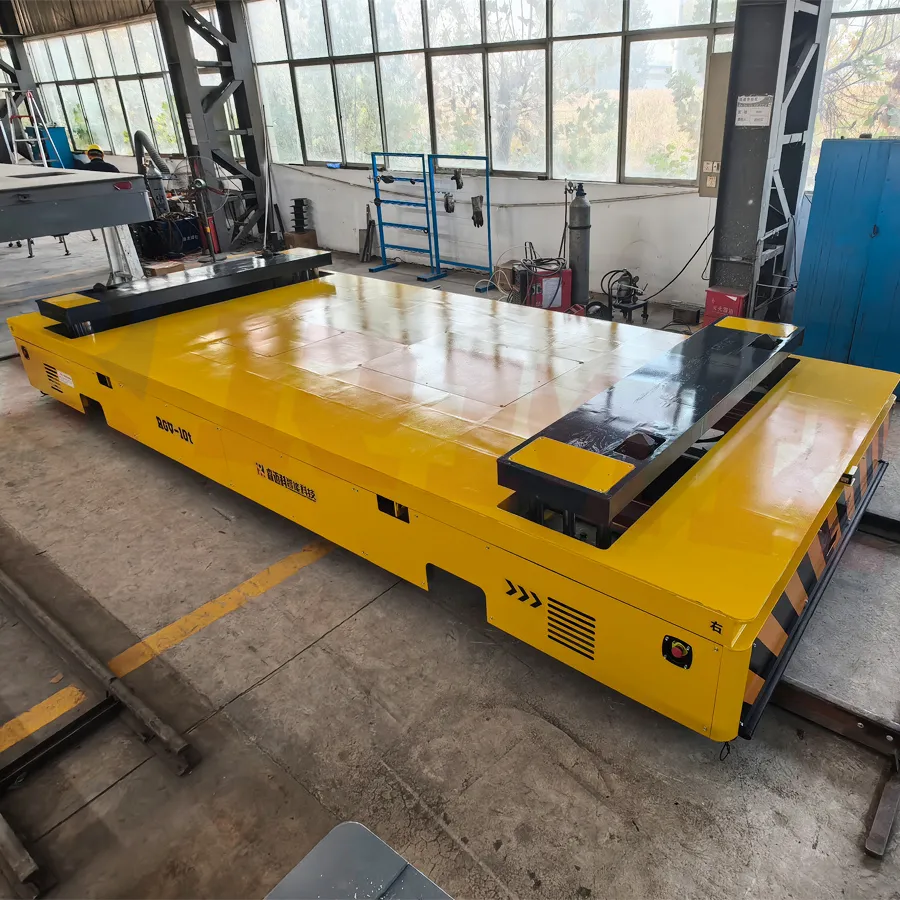
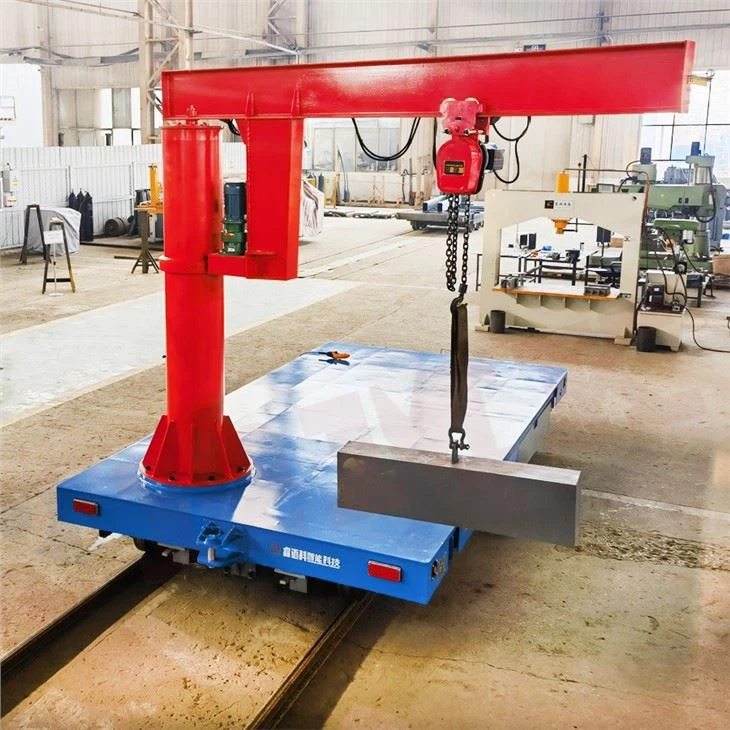
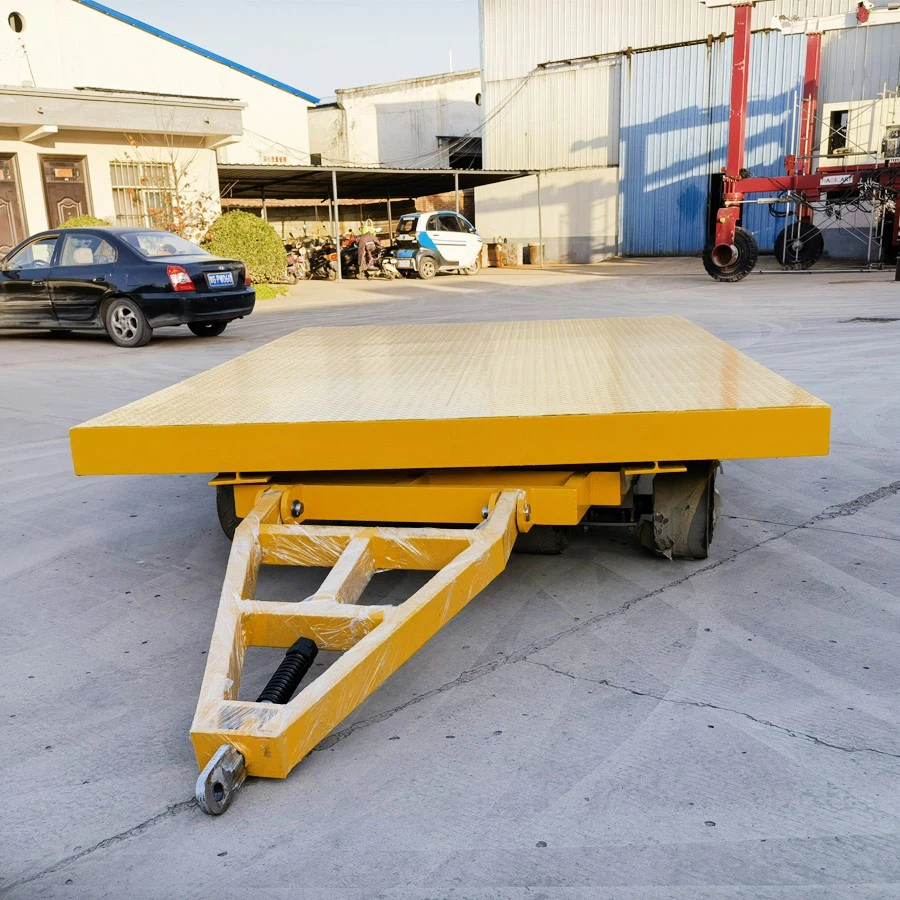
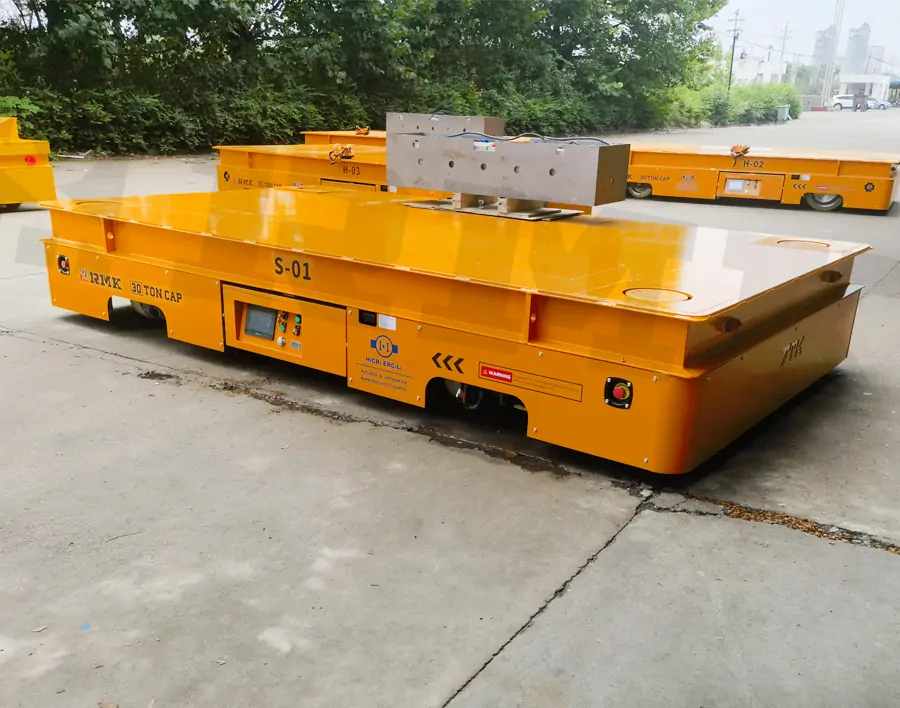
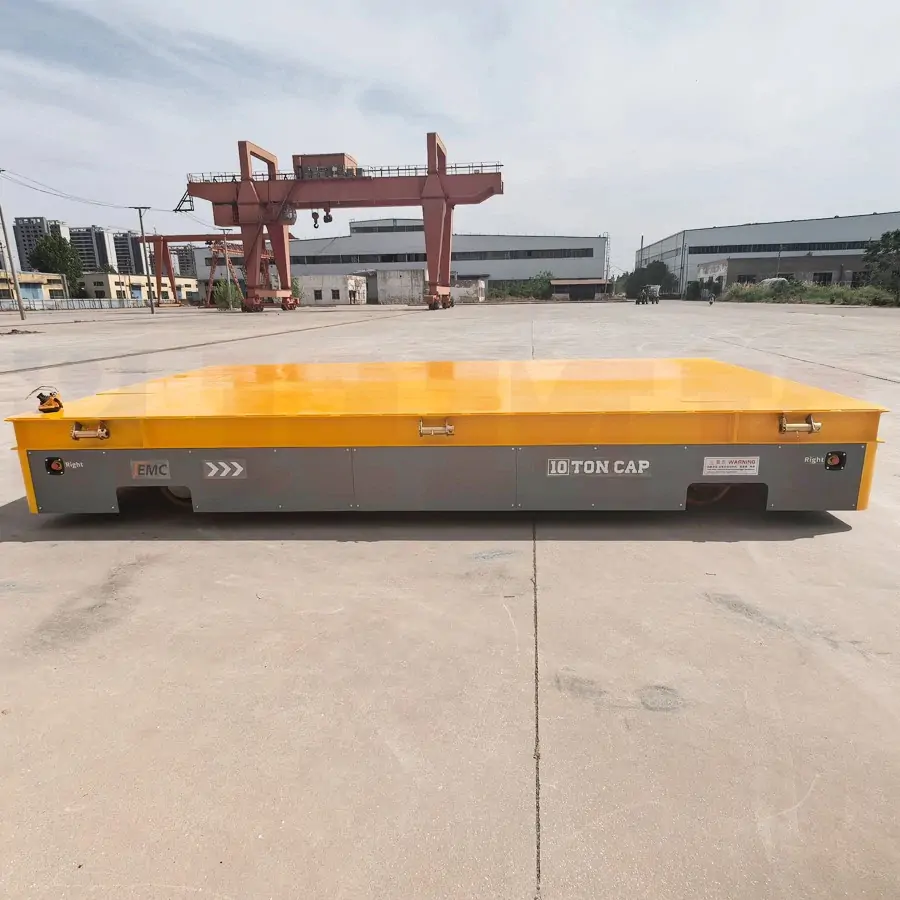
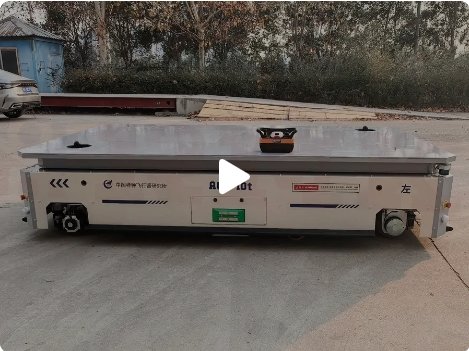
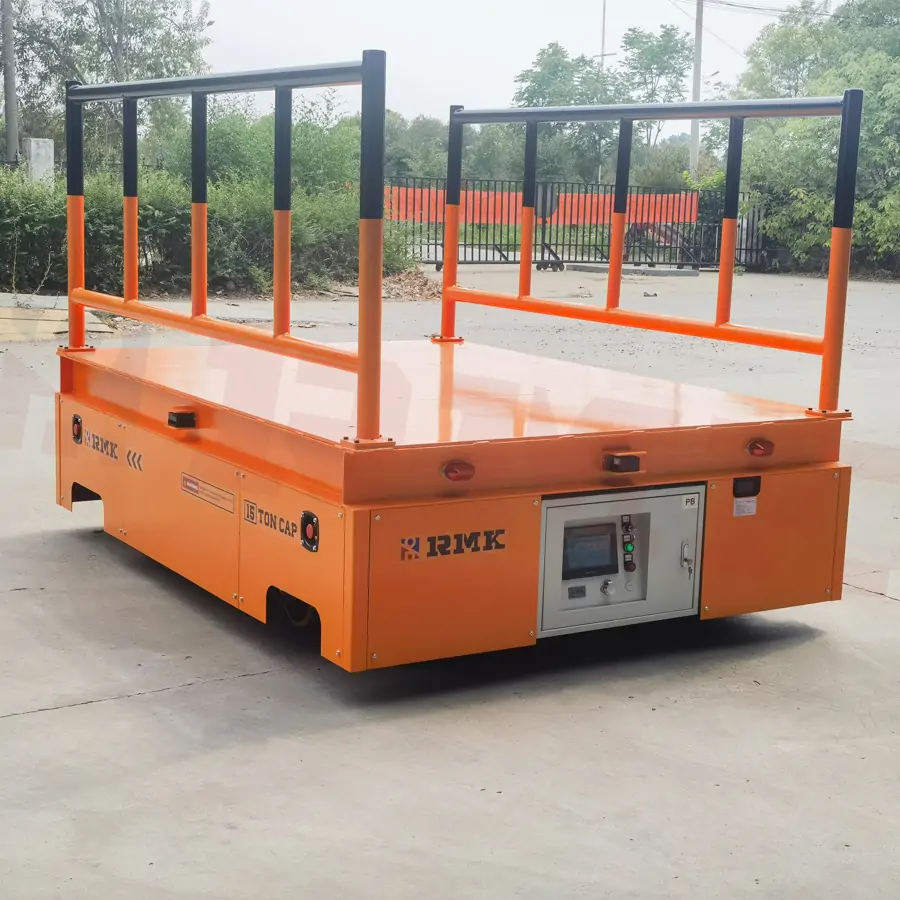
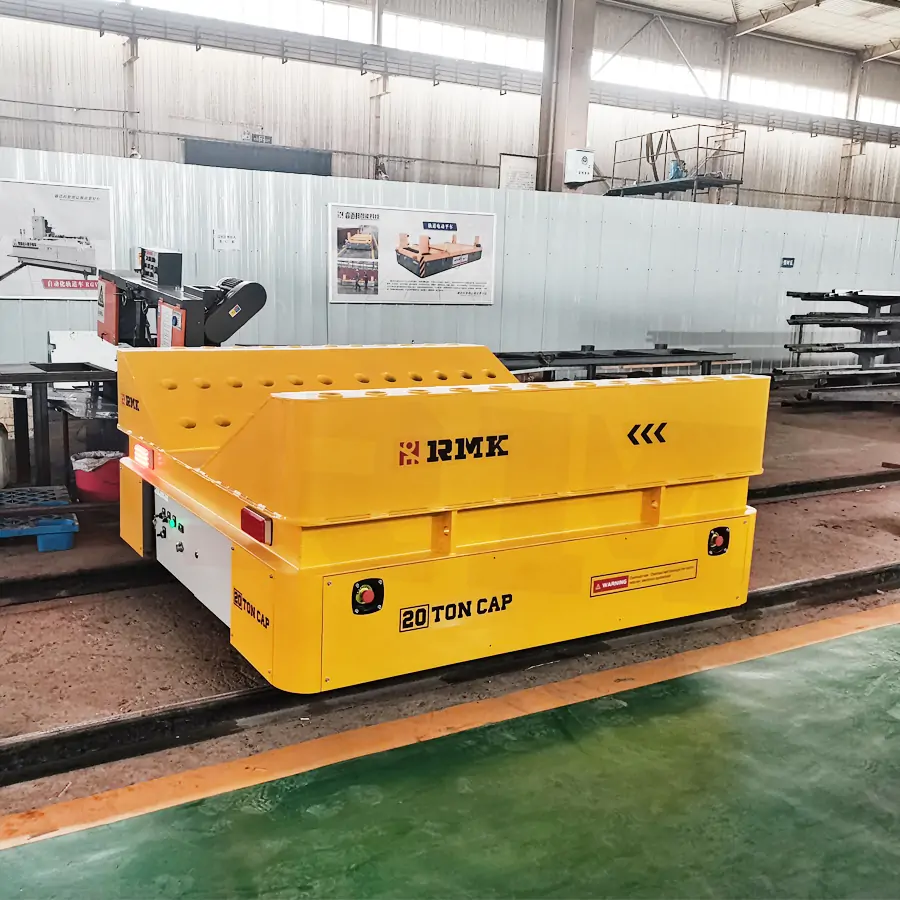
Сегодня мы погружаемся в сравнение рельсовой трансферной тележки и безрельсовой тележки. В современной промышленности, по мере расширения производственных масштабов и роста требований, традиционные вилочные погрузчики или ручная обработка больше не могут поддерживать сверхтяжелые, высокочастотные или сложные маршруты транспортировки. Рождение трансферной тележки — это продукт промышленной эволюции: предлагая отличную грузоподъемность, точную управляемость и высокую безопасность, она стала незаменимым присутствием в промышленной обработке.
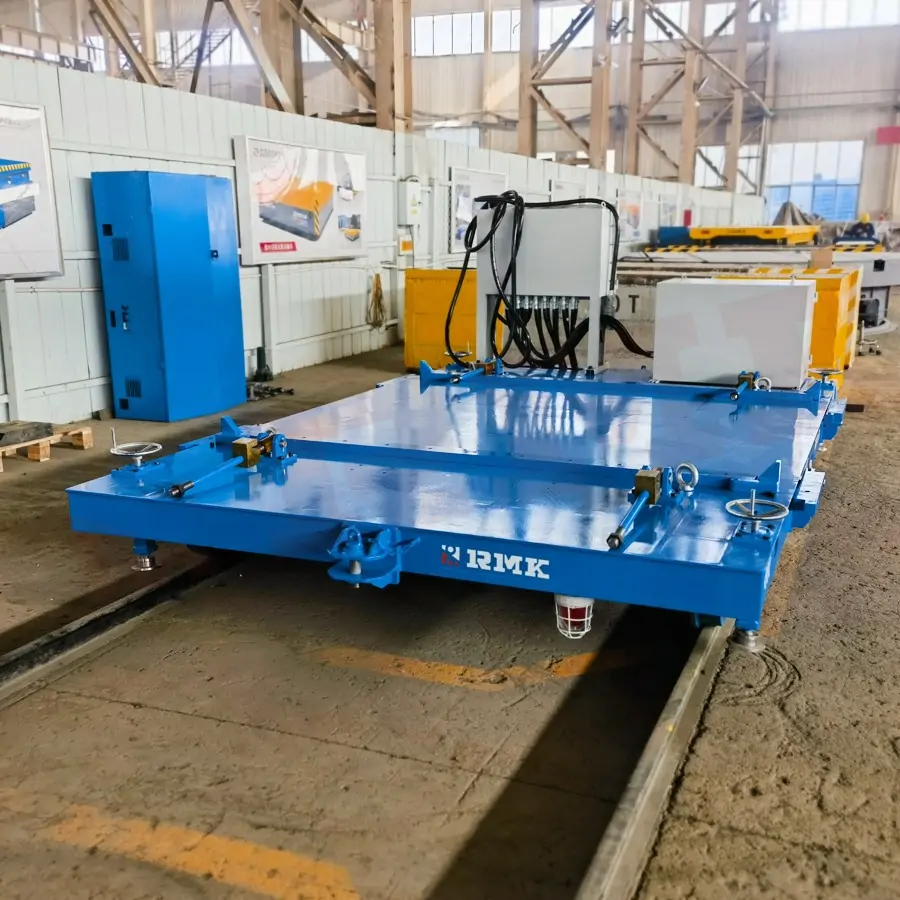
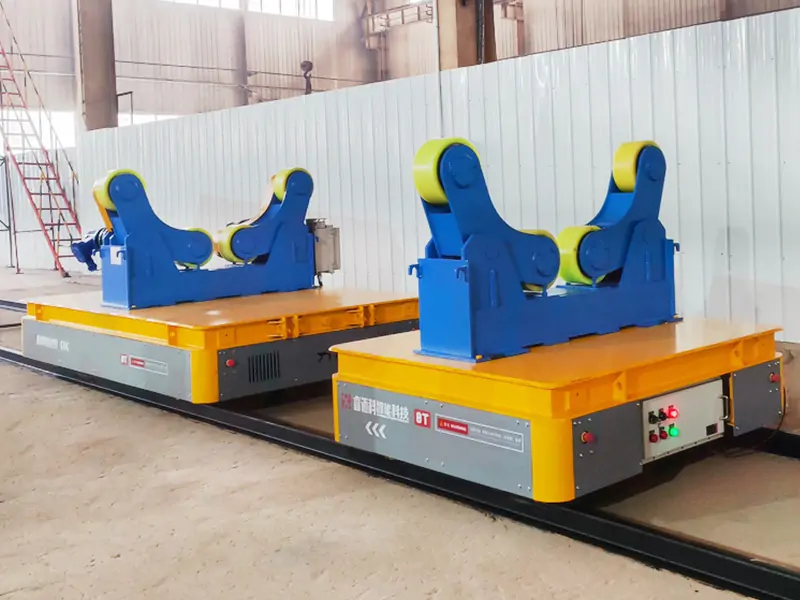
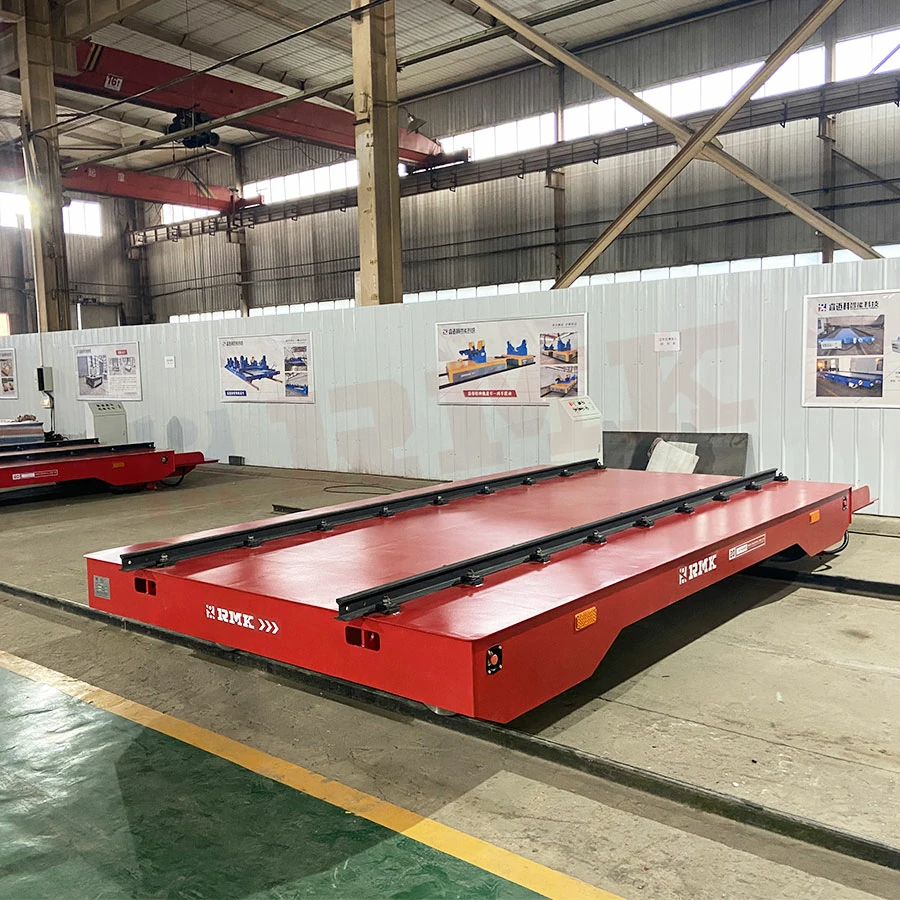
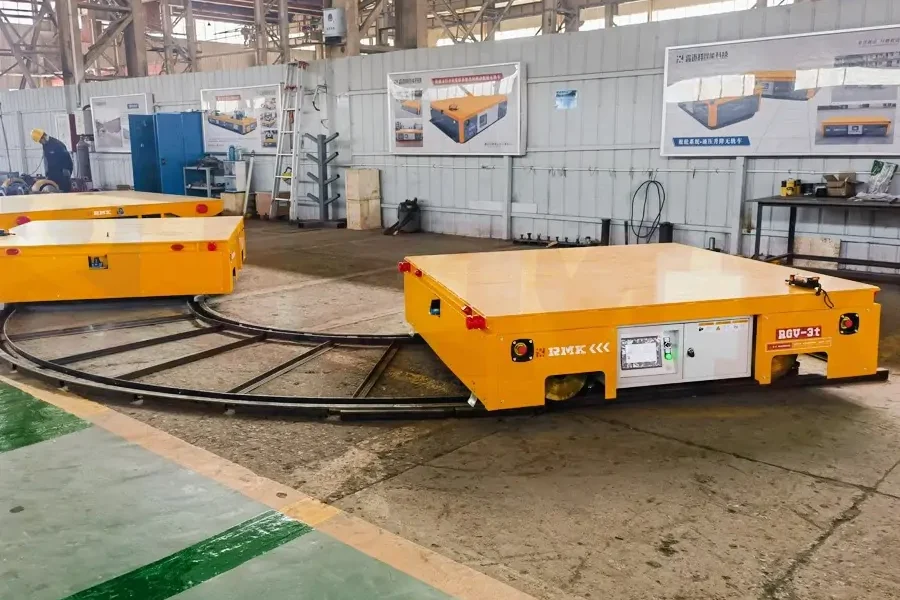
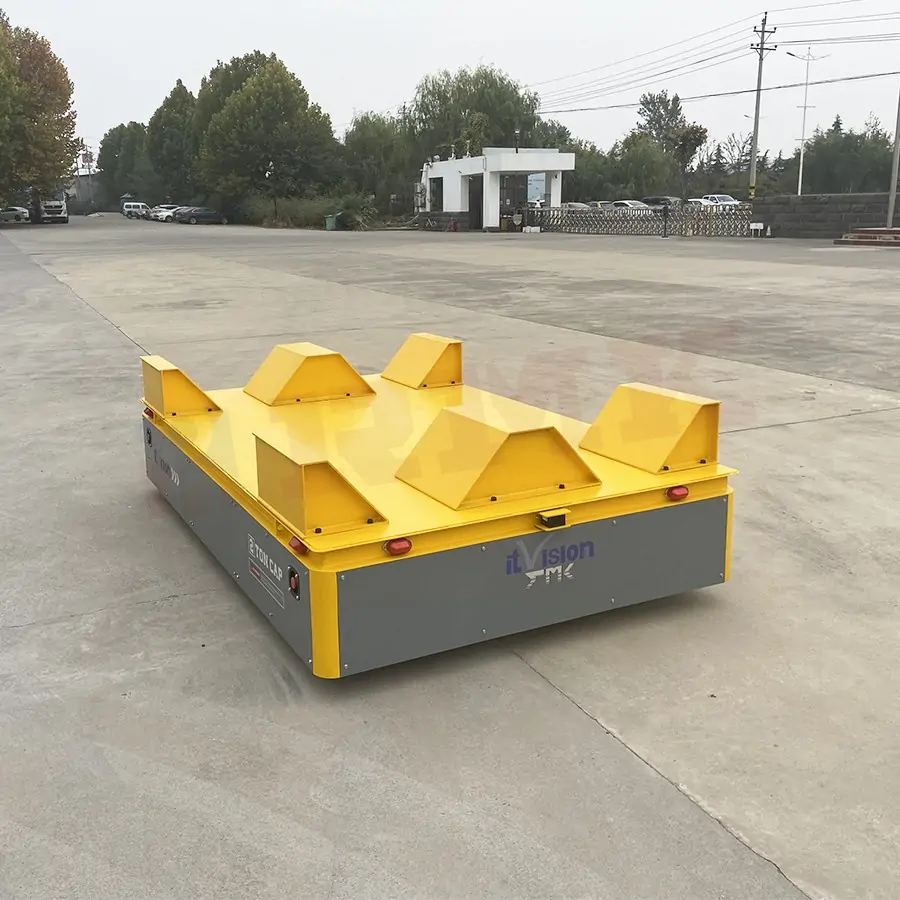
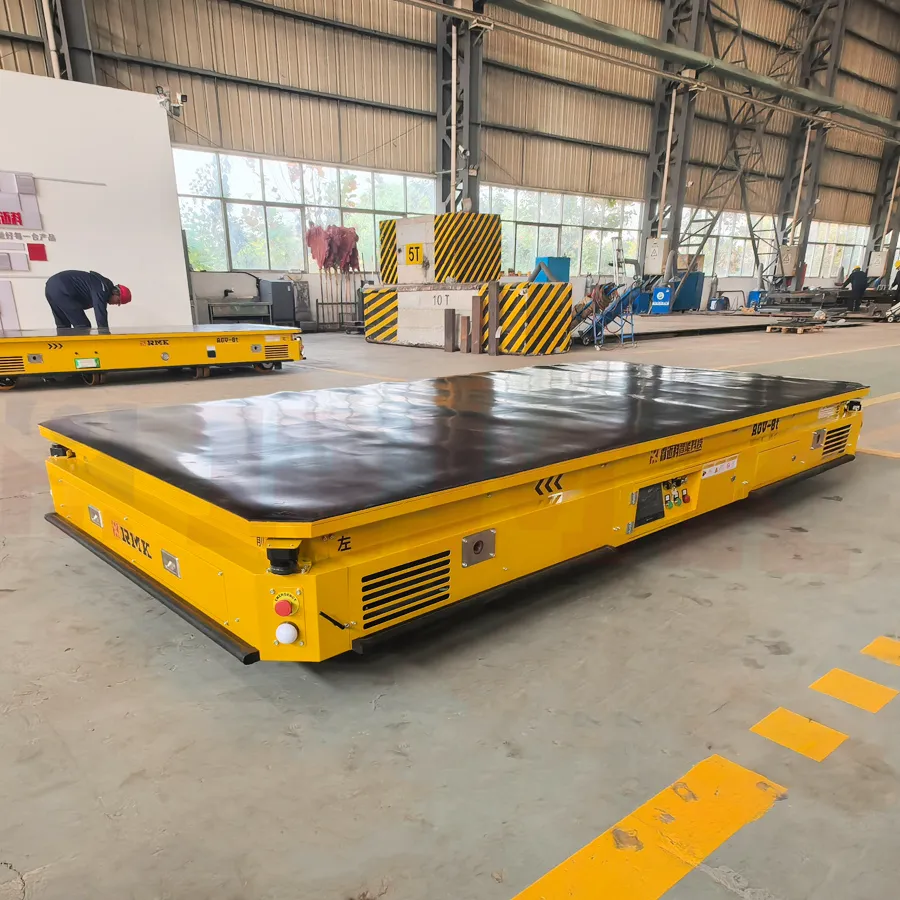
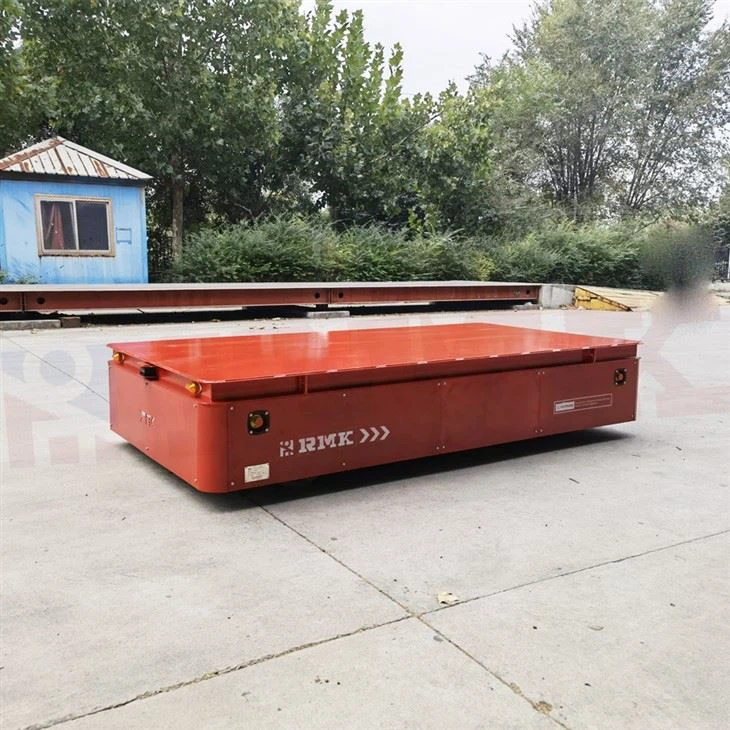
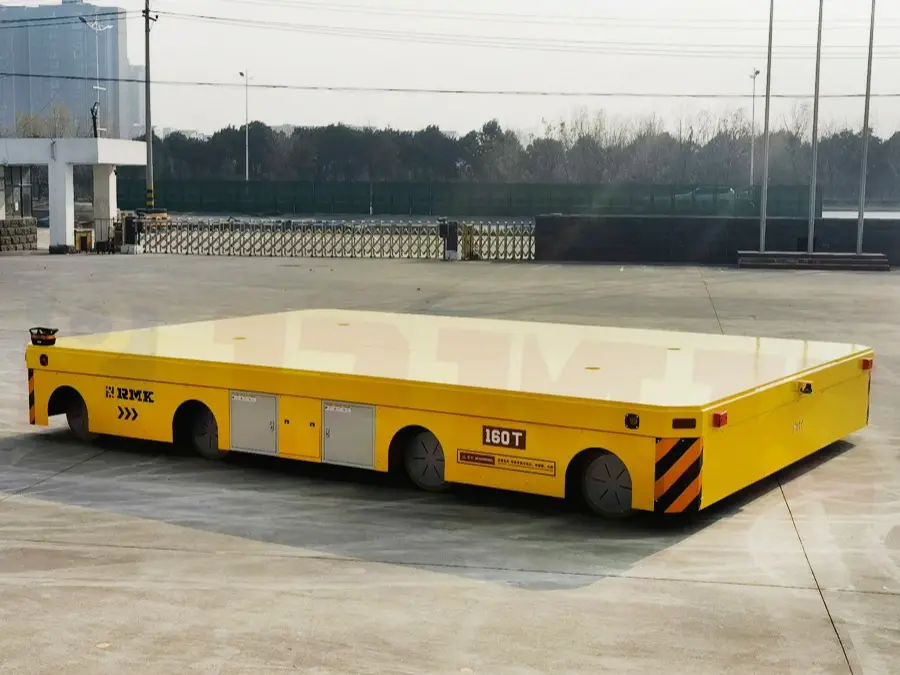
Чтобы адаптироваться к различным рабочим сценариям, промышленные трансферные тележки делятся на два основных типа: рельсовая трансферная тележка и безрельсовая тележка. Оба типа погрузочно-разгрузочного оборудования имеют свои преимущества. Понимание различий между рельсовой трансферной тележкой и безрельсовой тележкой — это первый шаг в создании интеллектуальной логистической системы. Далее давайте рассмотрим конкретные различия.
Что такое Тележка для перевозки рельсов?
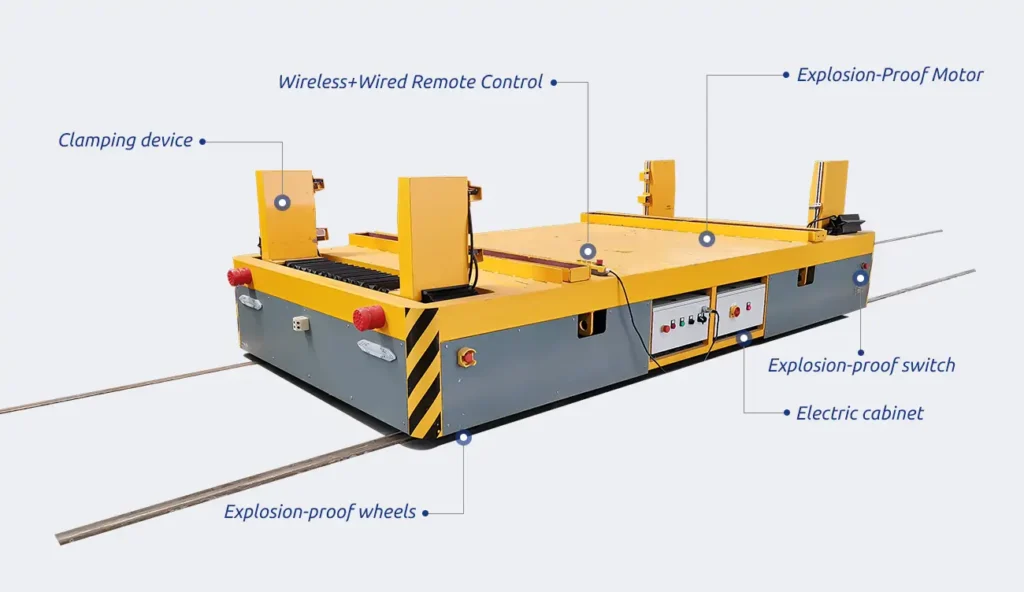
Рельсовая трансферная тележка движется направленно по предварительно установленным рельсам, приводимая в движение электрической или двигателем внутреннего сгорания, для выполнения точного перемещения материалов или товаров по фиксированной рельсовой системе.
Принцип работы
В рельсовой трансферной тележке двигатель передает мощность на ведущие колеса через редуктор. Ведущие колеса плавно перемещают корпус тележки по рельсу. С помощью электронной системы управления (например, дистанционного управления, управления по скользящей линии или питания от батареи) достигается движение вперед, назад, регулировка скорости и точная остановка. Некоторые модели высокого класса оснащены устройствами автоматического позиционирования или предотвращения столкновений, подходят для тяжелых, частых транспортных нужд на заводах, складах и в доках.
Характеристики
| Категория | Артикул | Подробное описание |
| Преимущества производительности | Сверхвысокая грузоподъемность | Стандартные модели 5-300 тонн; индивидуальные модели могут превышать 1000 тонн. |
| Точное управление операциями | Точность позиционирования ±1-3 мм, подходит для высокоточной стыковки. | |
| Эффективная работа | Максимальная скорость движения 250 м/мин; может обрабатывать более 260 паллетных задач в час. | |
| Адаптивность к окружающей среде | Пылезащитные, высокотемпературные и взрывозащищенные конструкции. | |
| Структурные характеристики | Разнообразные решения по питанию | Низковольтный рельс: без волочения кабеля. Батарея: гибкое движение. Скользящая линия: большое расстояние. |
| Системы защиты безопасности | Оснащена аварийными остановками, звуковыми/световыми сигналами, инфракрасным предотвращением препятствий и защитой от перегрузки. | |
| Модульная конструкция | Поддерживает индивидуальную настройку для подъема, вращения и бокового перемещения. | |
| Экономическая ценность | Снижение эксплуатационных расходов | Автоматизация снижает трудозатраты; стоимость обслуживания составляет всего 1/3 от традиционного оборудования. |
| Улучшение использования пространства | Рельсовая конструкция эффективно использует трехмерное пространство для высокоплотного хранения. | |
| Круглосуточная непрерывная работа | Поддерживает онлайн-зарядку для непрерывной производственной транспортировки. |
Сценарии применения: Автомобильное производство, тяжелое машиностроение, аэрокосмическая промышленность, автоматизированные стереоскопические склады, логистические центры электронной коммерции, металлургия, горнодобывающая промышленность, фармацевтика, горный транспорт и т.д.
Как “рельсовый навигатор” современной промышленной логистики, рельсовая трансферная тележка становится незаменимой ключевой инфраструктурой в системе интеллектуального производства благодаря непрерывным технологическим инновациям.
Что такое безрельсовая тележка(Безрельсовая трансферная тележка)?
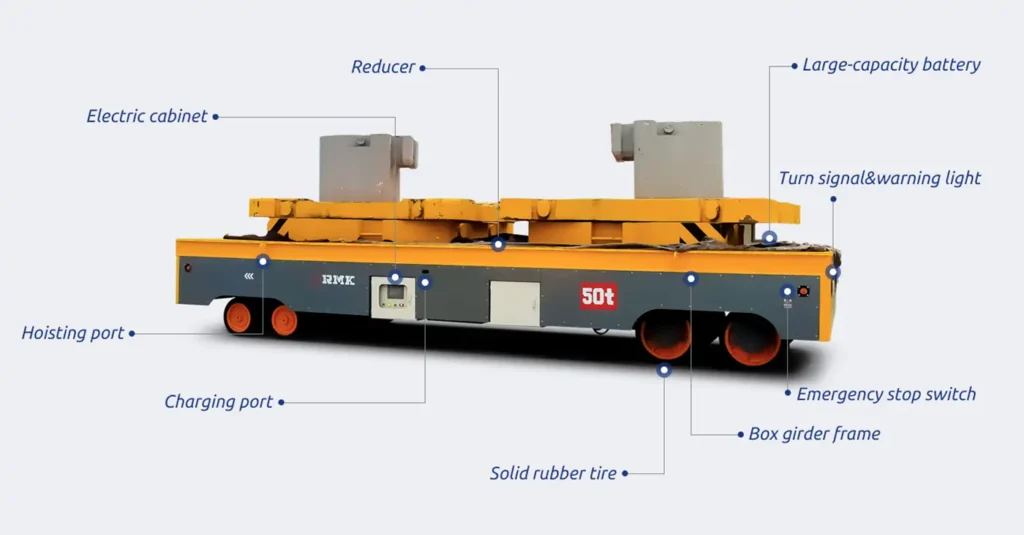
A Безрельсовая тележка — это тяжелое погрузочно-разгрузочное оборудование, не требующее фиксированных рельсов. Оно полагается на питание от батареи и интеллектуальную систему рулевого управления для свободного передвижения по ровной поверхности. Это промышленная тяжелая электрическая платформа для обработки, которая заменяет традиционные рельсовые ограничения батарейным приводом для выполнения гибких перемещений материалов в производственных сценариях.
Принцип работы
Безрельсовое транспортное средство приводится в движение батареями, кабелями или дизельными двигателями, при этом приводной двигатель свободно перемещает колеса. Направление можно регулировать с помощью рулевого колеса, дифференциала или универсальных колес, достигая гибкого рулевого управления и точного позиционирования. Методы управления включают ручное, дистанционное или автоматическое (например, AGV), и оно может интегрировать датчики для предотвращения препятствий, планирования маршрута и мониторинга нагрузки.
Характеристики
| Характеристика | Конкретные параметры | Преимущества перед традиционными рельсовыми тележками |
| Гибкость | Вращение на 360° на месте; минимальный радиус поворота 1,5 м. | Устраняет рельсовые ограничения; стоимость корректировки маршрута снижена на 80%. |
| Грузоподъемность | Индивидуальная настройка 1-150 тонн; стандартные 5-20 тонн. | Собственный вес снижен на 30% при тех же условиях нагрузки. |
| Экологические характеристики | Нулевые выбросы; шум ≤65 дБ. | Эксплуатационные расходы на 60% ниже, чем у дизельных вилочных погрузчиков. |
| Интеллектуальность | Поддерживает стыковку AGV и интеграцию MES. | Реализует безлюдную транспортировку; затраты на рабочую силу снижены на 50%. |
| Адаптивность к поверхности | Адаптируется к цементным/асфальтовым/эпоксидным полам; давление ≤0,15 МПа. | Нет обслуживания рельсов; уровень повреждения пола близок к нулю. |
Сценарии применения: Автомобильные цеха, интеллектуальные складские центры, аэрокосмическая промышленность, химические взрывозащищенные зоны, чистые комнаты, порты, доки, железнодорожные грузовые перевозки и т.д.
Благодаря таким характеристикам, как высокая безопасность, высокая мобильность, высокая гибкость, стабильная работа, большая грузоподъемность и высокая эффективность, безрельсовая тележка является лучшим выбором для сценариев гибкой работы. Она широко используется на заводах и складах для транспортировки тяжелых материалов, форм и оборудования на короткие расстояния.
Рельсовая трансферная тележка против безрельсовой тележки: различия
В следующей таблице показаны соответствующие преимущества и недостатки рельсовой трансферной тележки и безрельсовой тележки.
| Измерение сравнения | Тележка для перевозки рельсов | Безрельсовая тележка |
| Гибкость маршрута | Низкий: Строго зависит от фиксированных рельсов. | Высокий: Нет рельсовых ограничений; вращение на 360° и нерегулярные маршруты. |
| Пригодность | Лучше всего подходит для фиксированных станций и тяжелых производственных линий. | Лучше всего подходит для сложных планировок и гибкого планирования между пролетами. |
| Грузоподъемность | Чрезвычайно высокая: Сталь по стали; подходит для 50-500+ тонн. | Тяжелая: Ограничено давлением на поверхность; обычно до 100 тонн. |
| Скорость движения | Медленнее: Делает акцент на стабильности и точности остановки. | Быстрее: Отзывчивая и мобильная, но зависит от напольного покрытия. |
| Требования к грунту | Высокий: Требует встраивания рельсов и специального упрочнения пола. | Средняя: Стандартный цементный или эпоксидный пол; не требуется инфраструктура. |
| Ориентация на техническое обслуживание | Простое: Очистка рельсов и регулярная смазка приводных систем. | Сложное: Управление батареей, приводные системы и мониторинг колес. |
| Инвестиционные затраты | Высокие начальные: Включает стоимость оборудования и строительства рельсовых путей. | Высокая стоимость оборудования: Сложный единый блок, но нулевые затраты на инфраструктуру. |
Из сравнения рельсовой тележки и безрельсовой тележки становится ясно, что рельсовая тележка — это выбор для сверхтяжелых грузов и экстремальных условий, в то время как безрельсовая тележка превосходно работает в сложных пространствах и на динамичных производственных линиях.
Как выбрать лучшую транспортную тележку для вас?
Выбор транспортной тележки — это не простое решение “или-или”; оно включает комплексную оценку использования пространства, потребностей в материалах и окупаемости инвестиций. Давайте проанализируем выбор между рельсовой тележкой и безрельсовой тележкой с двух точек зрения:
Сравнение ключевых параметров
| Ключевой параметр | Тележка для перевозки рельсов | Безрельсовая тележка |
| Планирование маршрута | Основной актив: Высокая стабильность на фиксированных стальных рельсах. | Тип управления: Поддерживает вращение на 360° и всенаправленное движение. |
| Грузоподъемность | Король тяжелых грузов: Низкое трение; перевозит 50–500 тонн. | Средне-легкая нагрузка: Обычно рекомендуется до 100 тонн. |
| Инфраструктура | Требует строительства: Штробление, укладка рельсов и выравнивание. | Нулевая инфраструктура: Не повреждает пол; использует стандартный цемент. |
| Энергоэффективность | Преимущество высокой частоты: Поддерживает питание от рельсов/кабеля для круглосуточной работы. | Зависимость от аккумулятора: Необходимо учитывать время зарядки и запас хода. |
Сценарии применения
Выберите рельсовую тележку, если:
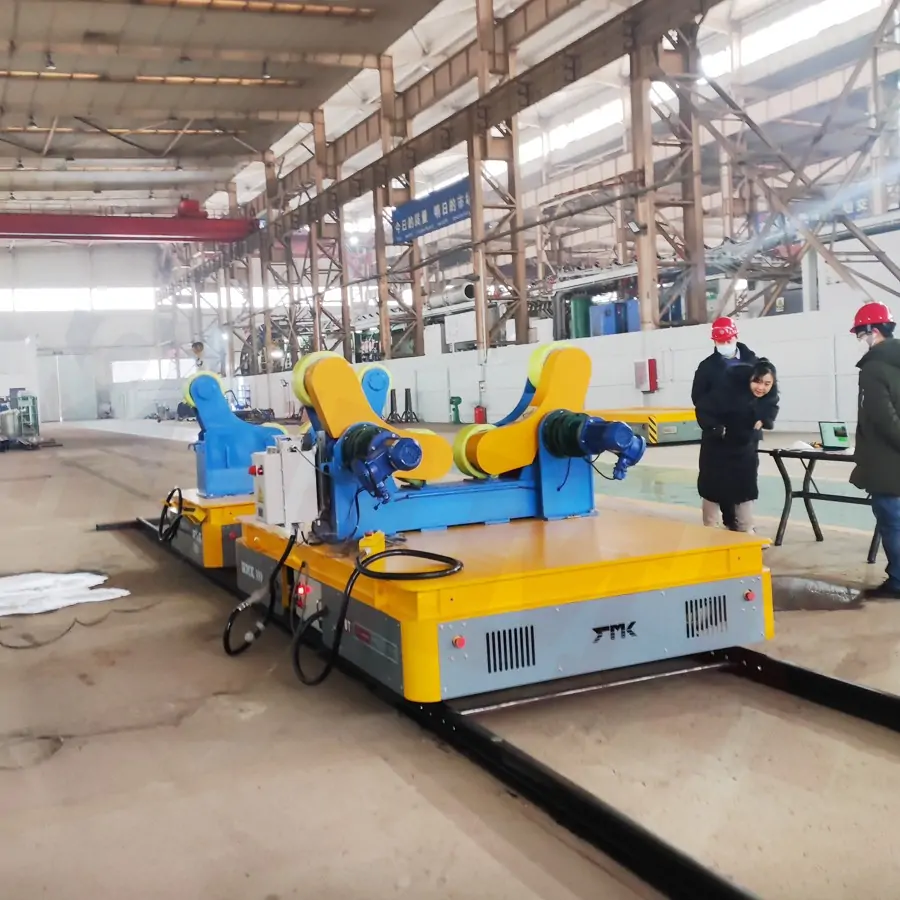
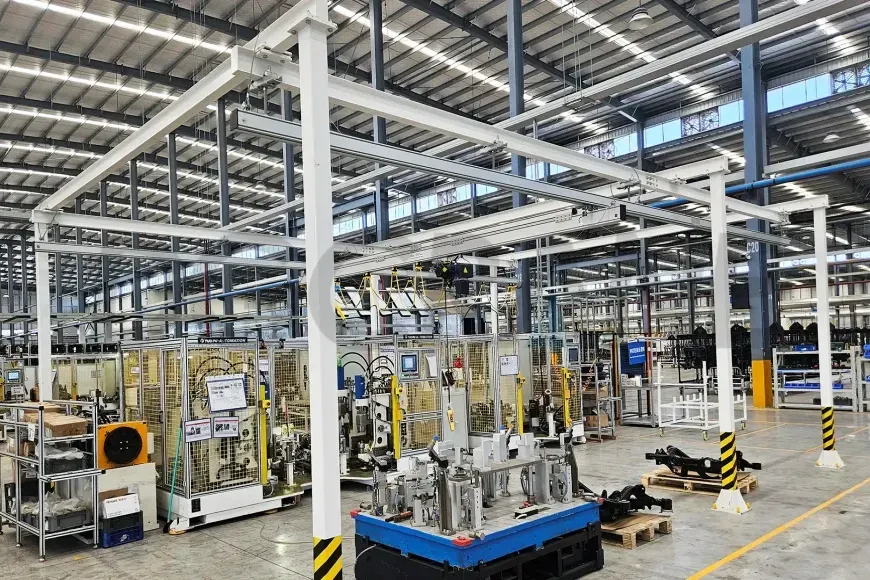
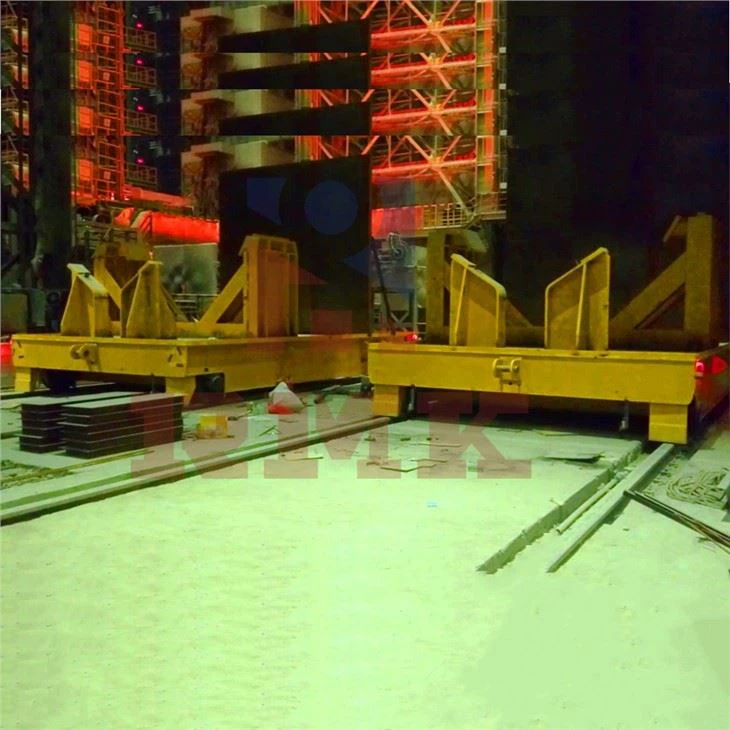
- Постоянный логистический маршрут: Частые перемещения между точкой А и точкой Б по прямым или фиксированным кривым.
- Максимальная потребность в тяжелых грузах: Перемещение крупных тяжелых отливок, ковшей или сверхтяжелых механических деталей (>100 тонн).
- Суровые условия эксплуатации: Высокие температуры (перед печью), взрывозащищенные требования или экстремальная запыленность.
- Требования к точности: Точная стыковка с автоматизированными линиями, требующая контроля на уровне миллиметров.
Выберите безрельсовую тележку, если:

- Ограниченное/изменяющееся пространство: Узкие проходы, требующие поворотов на месте, бокового перемещения или объезда препятствий.
- Межпролетные операции: Грузы должны спонтанно перемещаться между разными цехами, складами или зонами внутри/снаружи помещений.
- Арендованные или временные цеха: Вы не хотите повреждать существующий пол или ожидаете частых изменений производственной линии.
- Умеренные нагрузки: Перемещение форм, поддонов или средних деталей весом от 1 до 50 тонн.
Рельсовая тележка делает акцент на “стабильности” и “весе”, служа основой фиксированных линий; безрельсовая тележка делает акцент на “гибкости” и “маневренности”, служа кровью гибкого производства. В сравнении рельсовой тележки и безрельсовой тележки нет универсальной тележки — только правильная является лучшей.
Примеры из практики
Пример 1: 25-тонная интеллектуальная рельсовая транспортная тележка
Производственный контекст: Во время ввода в эксплуатацию нового промышленного парка интеллектуального оборудования в Малайзии срочно потребовалось автоматизированное логистическое решение для транспортировки главных балок кранов весом 20-25 тонн. Проект требовал точного позиционирования, рельсовой навигации и беспилотного дистанционного управления.
Индивидуальное решение: 25-тонная интеллектуальная низковольтная рельсовая транспортная тележка
- Стабильная система питания: Использует низковольтное рельсовое питание для преодоления ограничений по длине кабеля, подходит для прямых и криволинейных рельсов, оснащена защитой от ожогов.
- Интеллектуальное управление PLC: Оснащена системой PLC + инвертор для бесступенчатого регулирования скорости и автоматического позиционирования.
- Многомерная безопасность: Встроенные радарные датчики для автоматического объезда препятствий в сложных цеховых условиях.
- Автоматизированная стыковка обработки: Оснащена автоматическими зажимными пазами и крюковыми устройствами для бесшовной стыковки с интеллектуальными системами.
Результаты:Система обеспечила беспилотную транспортировку и высокоточное выравнивание для производства кранов. Она значительно повысила эффективность логистики и снизила затраты на рабочую силу.
Пример 2: 3-тонный AGV для гидротехнического строительства
Производственный контекст:Научно-исследовательский институт гидротехнического строительства столкнулся с проблемами при транспортировке и стыковке прецизионного оборудования из-за высоких требований к точности и недостаточной автоматизации традиционных инструментов.
Индивидуальное решение: 3-тонный многофункциональный AGV на аккумуляторной тяге
- Всенаправленная вращающаяся V-платформа: Поддерживает вращение на 360 градусов для точной регулировки угла оборудования при сборке.
- Система подъема с большим ходом: Высота вертикального подъема 1,5 м для компенсации разницы высот между рабочими станциями.
- Автоматизированное управление: Передовая система управления получает производственные инструкции и автономно выполняет задачи, сводя к минимуму вмешательство человека.
- Многомерная безопасность: Встроенное обнаружение препятствий, аварийные остановки и сигнализация для безаварийной работы.
Результаты:Многофункциональный AGV совершил скачок от простой обработки к интегрированным операциям “транспортировка-подъем-поворот-стыковка”, значительно повысив безопасность и точность.
Заключение
Выбор правильного решения для обработки означает поиск идеального баланса в переменных рабочих условиях. Независимо от того, выбираете ли вы рельсовую тележку или безрельсовую тележку, REMARKABLE, как профессиональный производитель, глубоко укоренившийся в интеллектуальной обработке на протяжении многих лет, предоставляет комплексные профессиональные услуги от проектирования до установки и послепродажного обслуживания. Добро пожаловать в связаться с нами.
Электронная почта: transfercart@rmkzn.com
Телефон: +86-18637369355
ВОПРОСЫ И ОТВЕТЫ
Вопрос 1: В чем самое большое различие между рельсовой тележкой и безрельсовой тележкой?
A: Ключевое различие — это свобода и инфраструктура. Рельсовые тележки имеют фиксированные маршруты и более высокую грузоподъемность (500 т+), но требуют установки рельсов. Безрельсовые тележки используют резиновые/полиуретановые колеса, не требуют рельсов и поддерживают гибкость на 360° для ограниченных или изменяющихся пространств.
Вопрос 2: Какое электропитание обычно используется для рельсовой тележки и безрельсовой тележки?
A: Существует четыре основных типа: аккумуляторное (наиболее распространенное, без ограничений по кабелю), низковольтное рельсовое (для высокой частоты), кабельный барабан (низкая стоимость, ограниченное расстояние) и скользящая линия.
Вопрос 3: Как транспортные тележки обеспечивают безопасность во взрывозащищенных средах?
A: Они используют взрывозащищенные конструктивные решения, включая взрывонепроницаемые оболочки, искробезопасные цепи, антистатические шины и контроль температуры поверхности, сертифицированные по стандартам, таким как GB 3836 или NEPSI.
Вопрос 4: Каковы требования к полу для безрельсовой транспортной тележки?
A: Они требуют ровных цементных или эпоксидных полов. Пол должен иметь достаточную несущую способность (рассчитанную на основе давления груза), чтобы предотвратить растрескивание при длительном использовании.
Вопрос 5: Каков диапазон грузоподъемности? Можно ли его настроить?
A: Стандартная грузоподъемность составляет от 1 до 300 тонн и выше. Это почти всегда изделия на заказ; размеры, скорость и функции, такие как подъем или вращение, подбираются в соответствии с характеристиками материала.
Вопрос 6: Как вы обеспечиваете отсутствие столкновений у AGV во время работы?
A: Транспортные средства оснащены системами защиты безопасности, включая лазерные радары, инфракрасные датчики, механические бамперы и сигнализацию. При обнаружении препятствия транспортное средство подает сигнал тревоги или выполняет аварийную остановку.
Вопрос 7: Сложна ли установка рельсов для рельсовой тележки?
A: Это зависит от режима питания. Тележки с аккумуляторным питанием используют простые рельсы; тележки с низковольтными рельсами требуют изоляции и встраивания, что требует профессионального руководства.
Вопрос 8: Каков типичный срок службы транспортной тележки?
A: При надлежащем обслуживании стальная конструкция служит 10–15 лет. Изнашиваемые детали, такие как аккумуляторы или контакторы, обычно требуют проверки или замены каждые 2–5 лет.
Вопрос 9: Может ли транспортная тележка преодолевать уклоны?
A: Да, но есть ограничения. Как правило, уклоны должны быть в пределах 3°. Для больших уклонов требуются более мощные двигатели и усиленные тормозные системы с защитой от скольжения.
Вопрос 10: Как мне выбрать наиболее подходящую тележку?
A: Оценивайте на основе частоты обработки (режим питания), веса/габаритов (нагрузка/размер стола), пути перемещения (рельсовый или безрельсовый) и условий эксплуатации (взрывозащита или высокие температуры).