Содержание
Введение
Тележка для перевозки тяжелых грузов предназначена для транспортировки тяжелых грузов, таких как крупное оборудование, стальные материалы, molds, и промышленные компоненты. Она широко используется на сталелитейных заводах, судостроительных верфях, литейных цехах и производственных предприятиях, где требуются высокая грузоподъемность и стабильное перемещение.
Различные рабочие среды требуют разных конфигураций перегрузочных тележек, включая грузоподъемность, источник питания, способ движения и систему управления. В этой статье представлены области применения, типы, технические характеристики и методы выбора тяжелых перегрузочных тележек, чтобы помочь пользователям выбрать правильное решение для их потребностей в перемещении материалов.
Что такое тяжелый перегрузочный вагонеточный тележка?
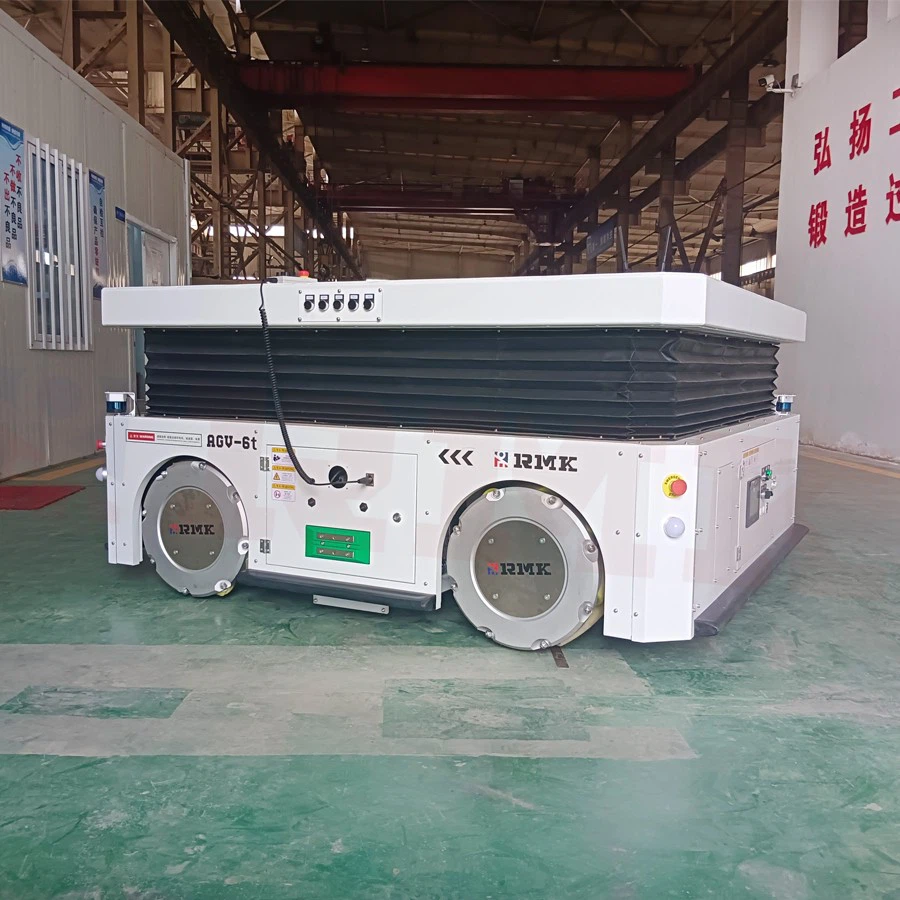
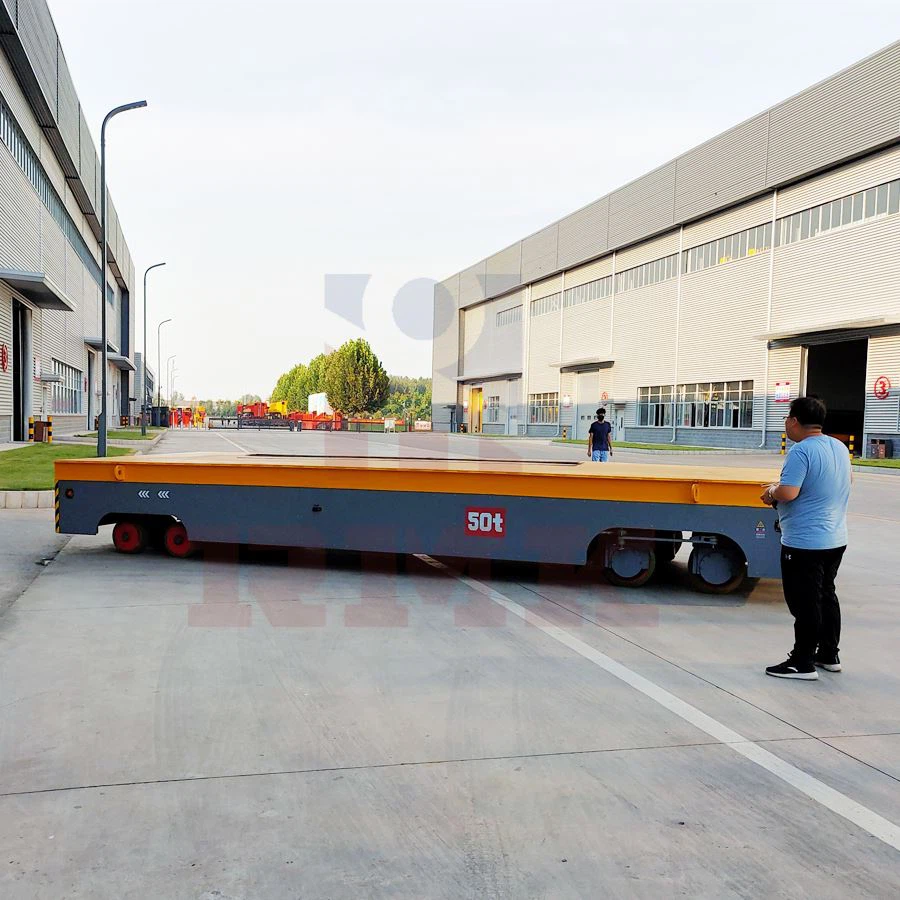
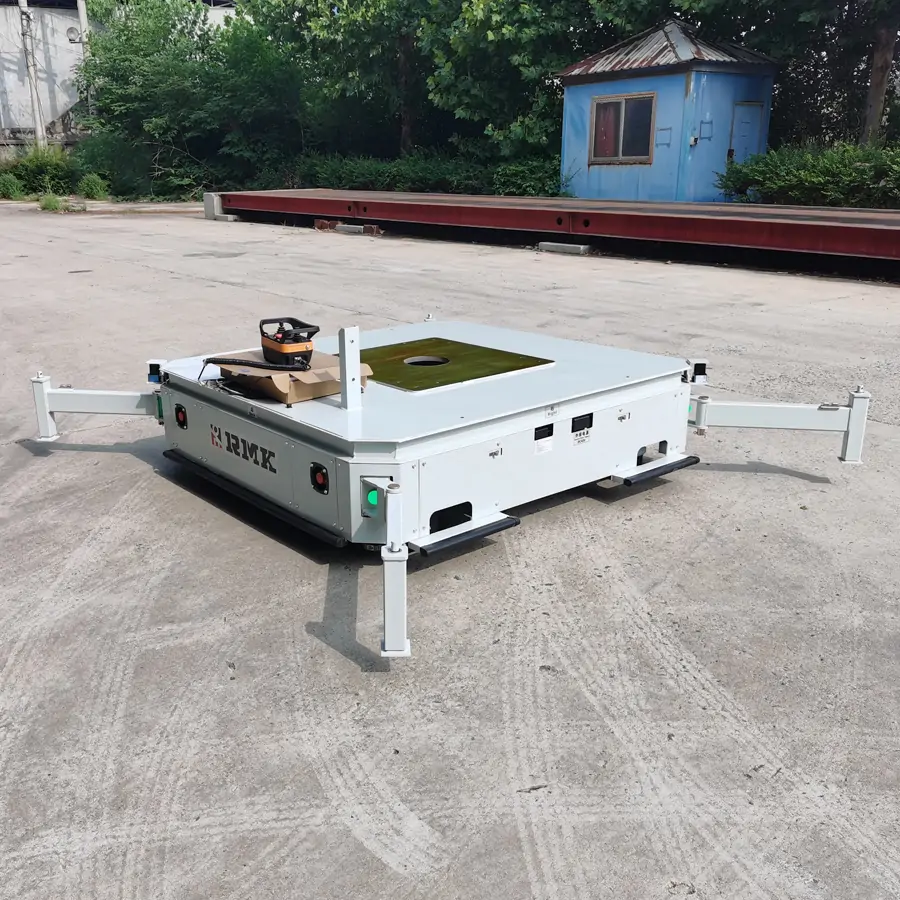
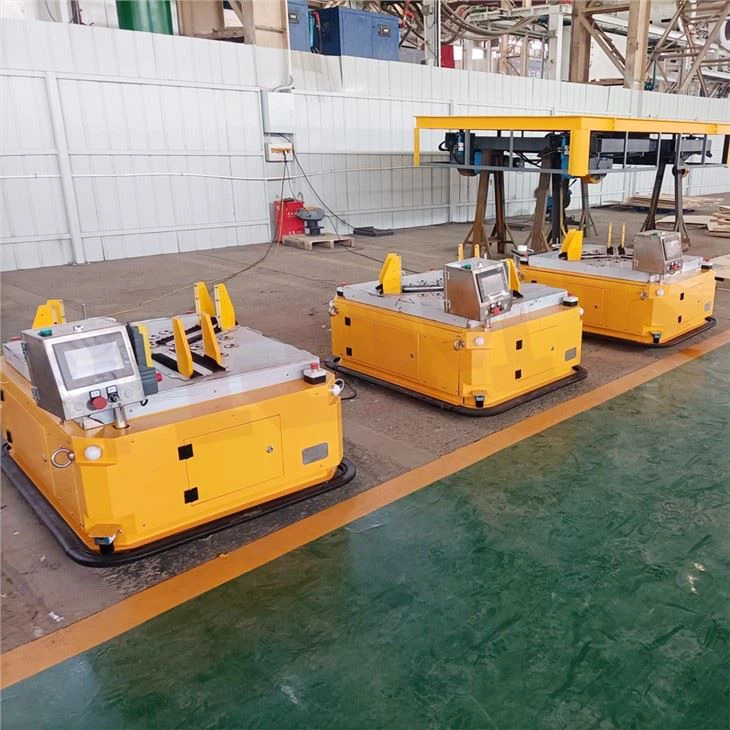
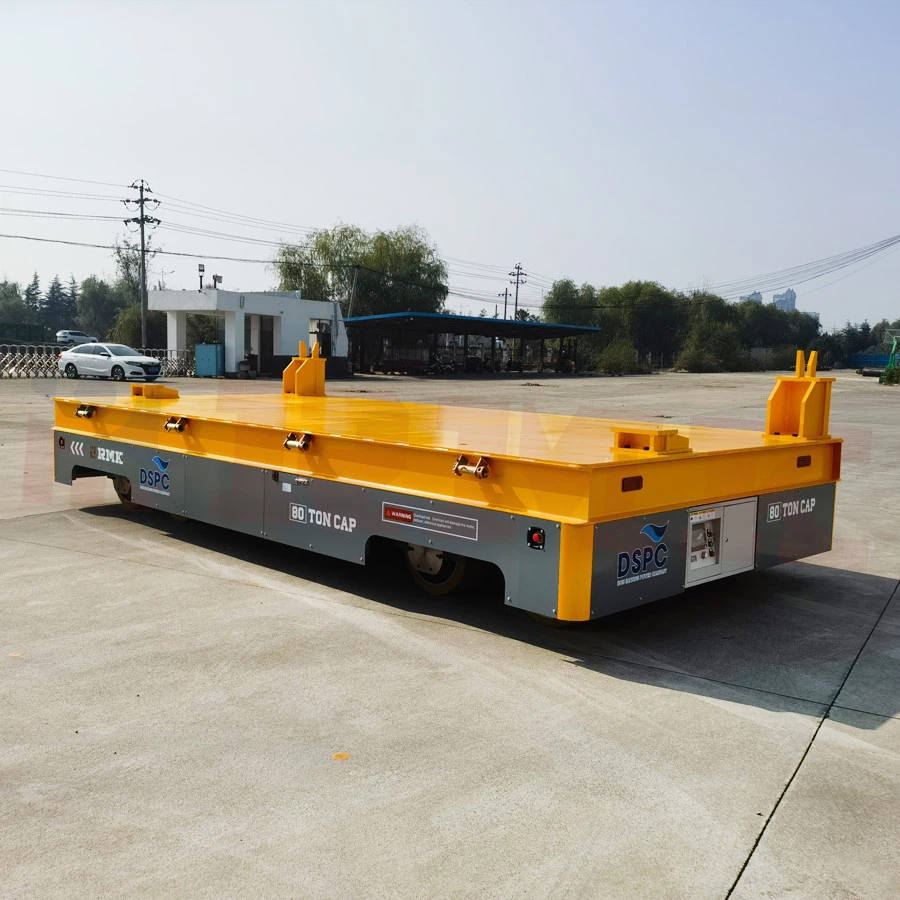
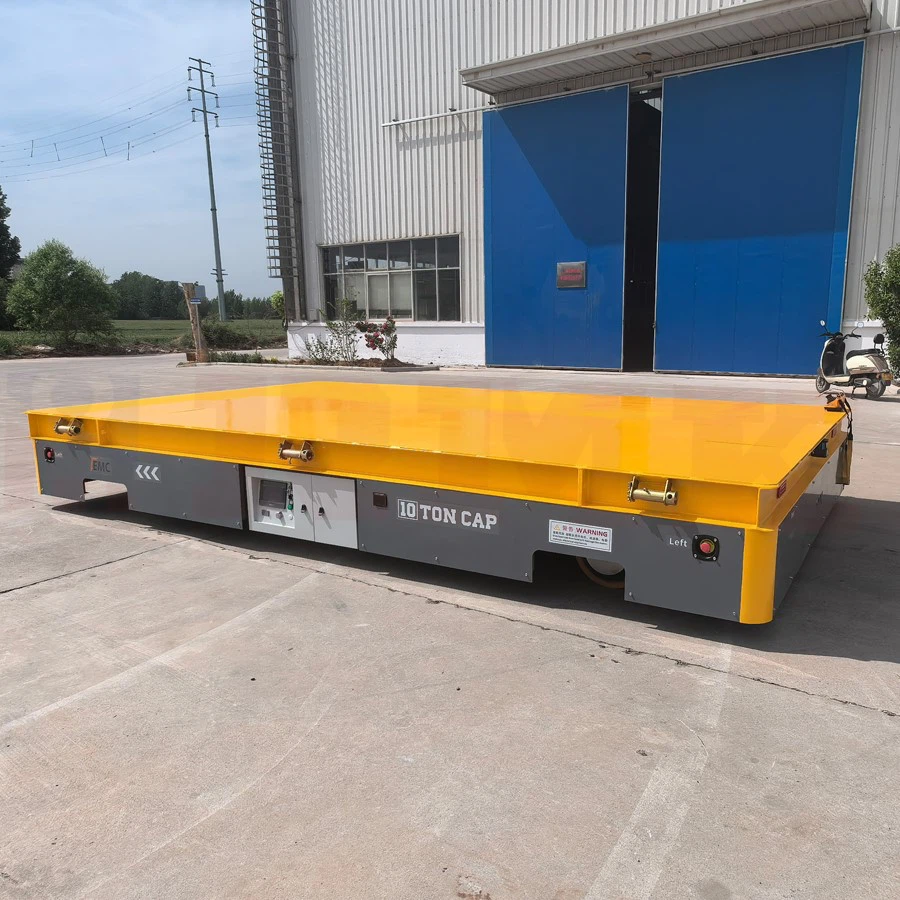
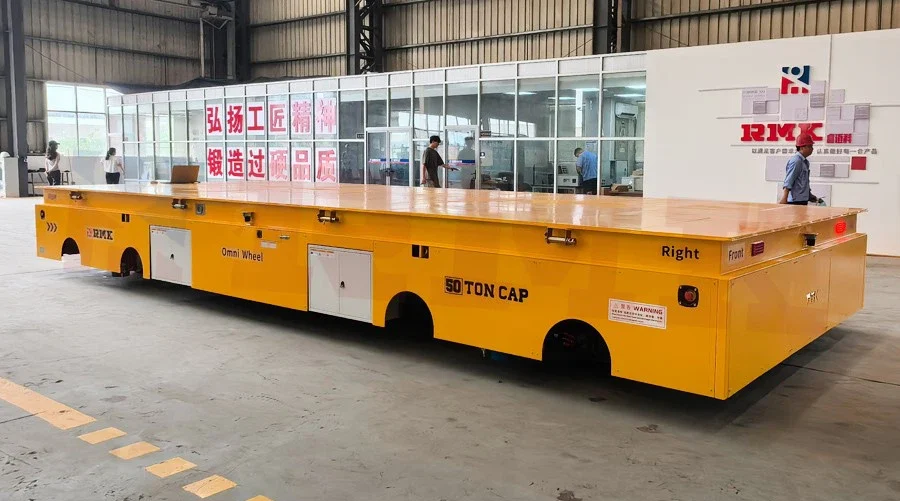
Тяжелая перегрузочная тележка — это электрическое транспортное средство для перемещения материалов, предназначенное для транспортировки крупных и тяжелых грузов в промышленных объектах. Она движется по рельсам или безрельсовым системам и использует аккумулятор, кабельный барабан или низковольтное рельсовое питание. При типичной грузоподъемности 1–300 тонн она широко используется в сталелитейной, машиностроительной, автомобильной, судостроительной и складской отраслях. Тележка может быть оснащена дополнительными функциями, такими как взрывозащищенная конструкция, термостойкость, подъемные платформы и V-образные опоры, для соответствия различным условиям работы.
Приложения
Тяжелая перегрузочная тележка широко используется для транспортировки тяжелых материалов и крупных компонентов на короткие расстояния в промышленных объектах. Различные конфигурации выбираются в зависимости от требований к нагрузке, рабочих условий и условий транспортировки.
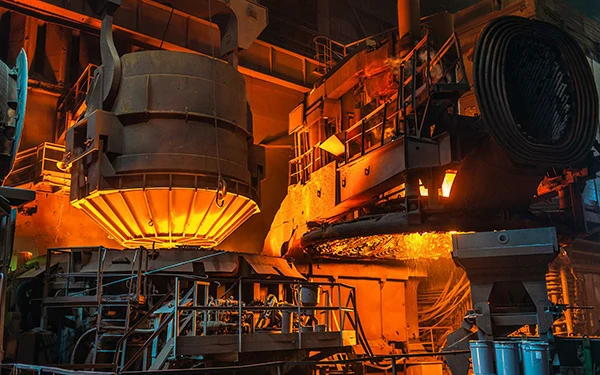
Сталелитейная и металлургическая промышленность
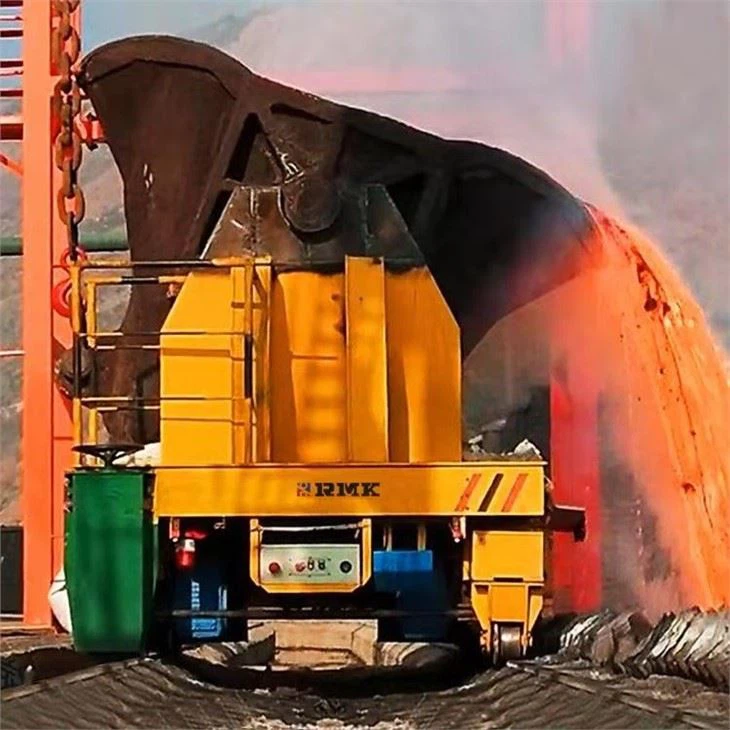
Используется для транспортировки стальных рулонов, плит, ковшей и крупных стальных конструкций между производственными зонами. Высокая грузоподъемность и стабильная работа делают ее подходящей для непрерывного перемещения материалов.
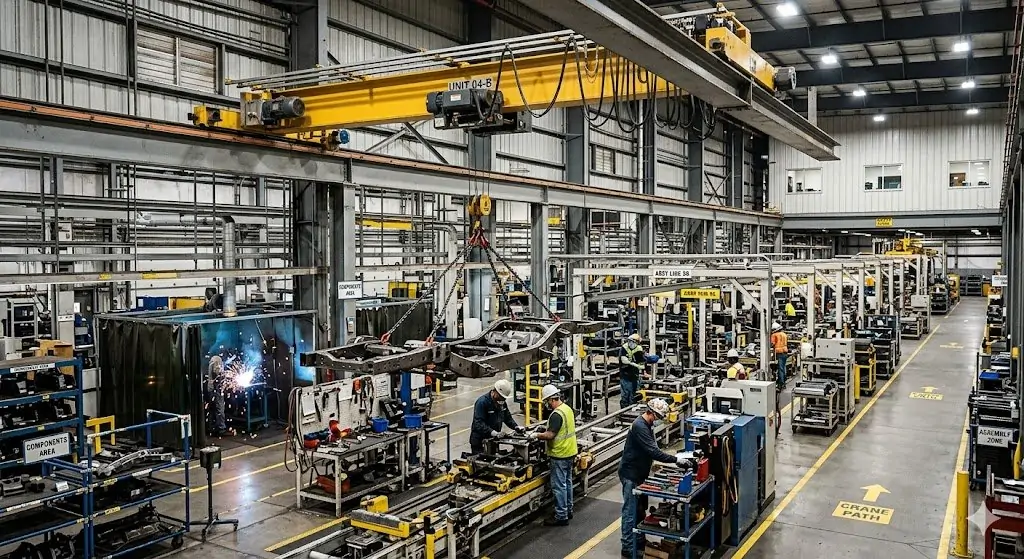
Машиностроение
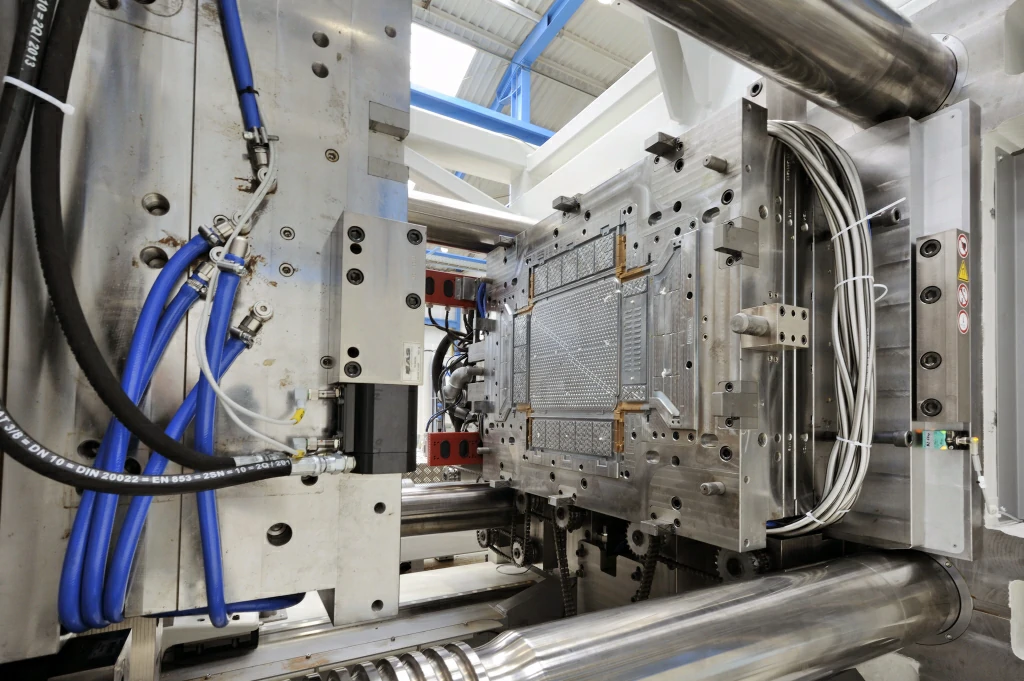
Используется для перемещения пресс-форм, деталей машин и производственного оборудования в процессе производства и сборки.
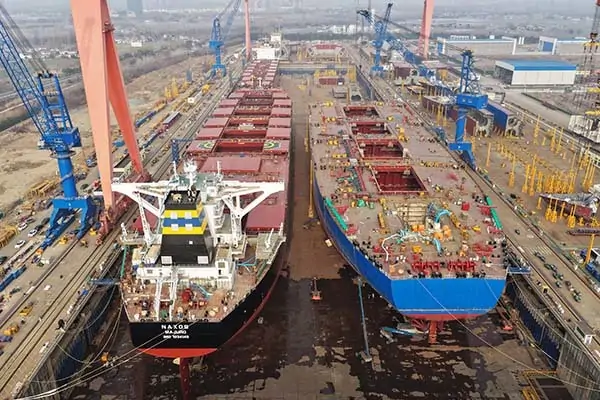
Судостроительная промышленность
Используется для транспортировки судовых секций, стальных конструкций и негабаритных компонентов, требующих решений с высокой грузоподъемностью.
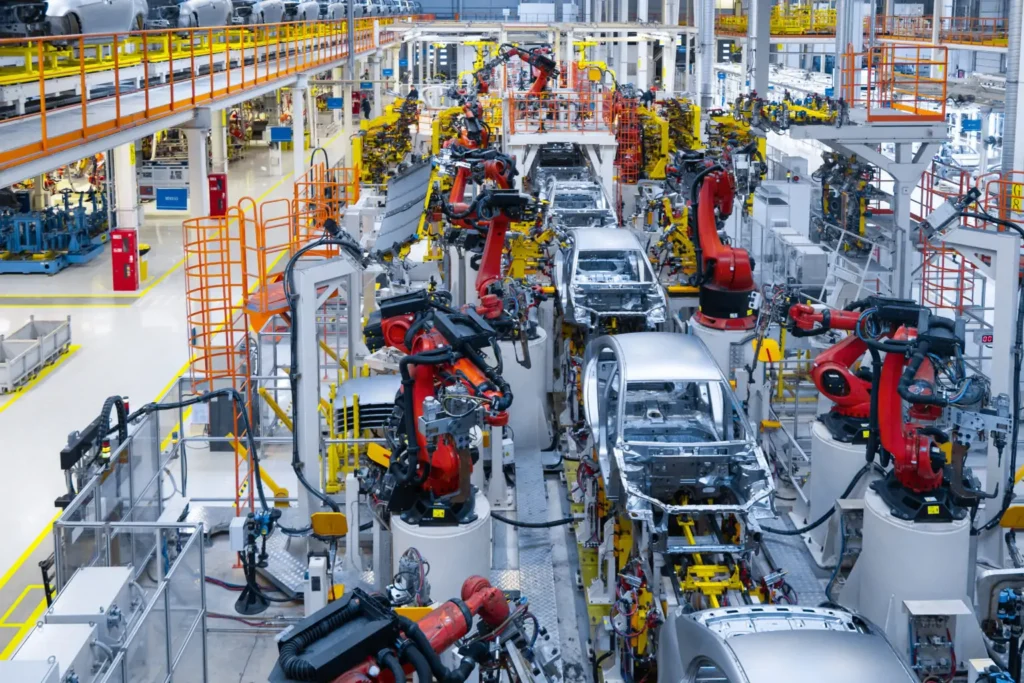
Автомобильное производство
Используется для перемещения кузовов автомобилей, производственных приспособлений и тяжелого инструмента между различными производственными линиями.
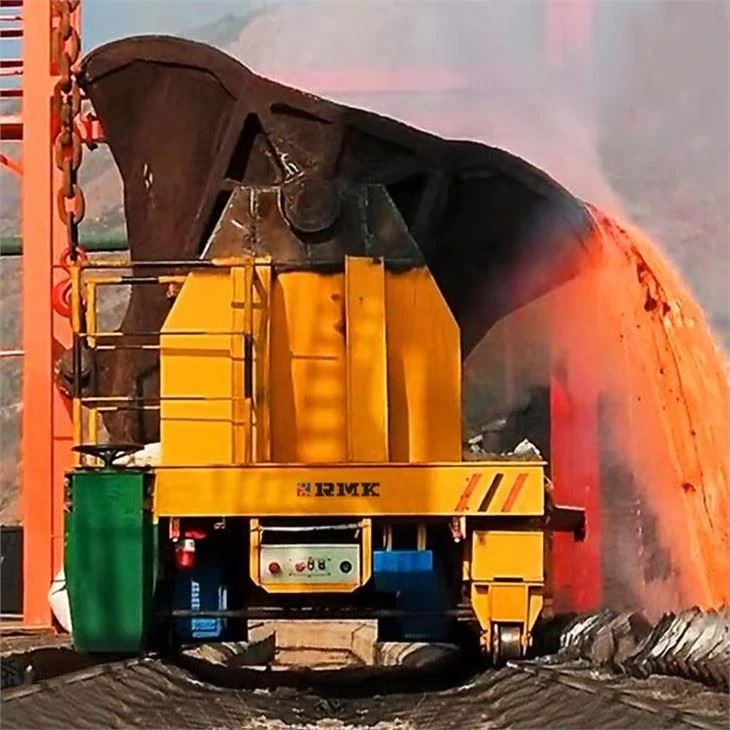
Литейная промышленность
Используется для обработки литейного оборудования, пресс-форм и тяжелых заготовок в условиях высокотемпературной промышленной среды.
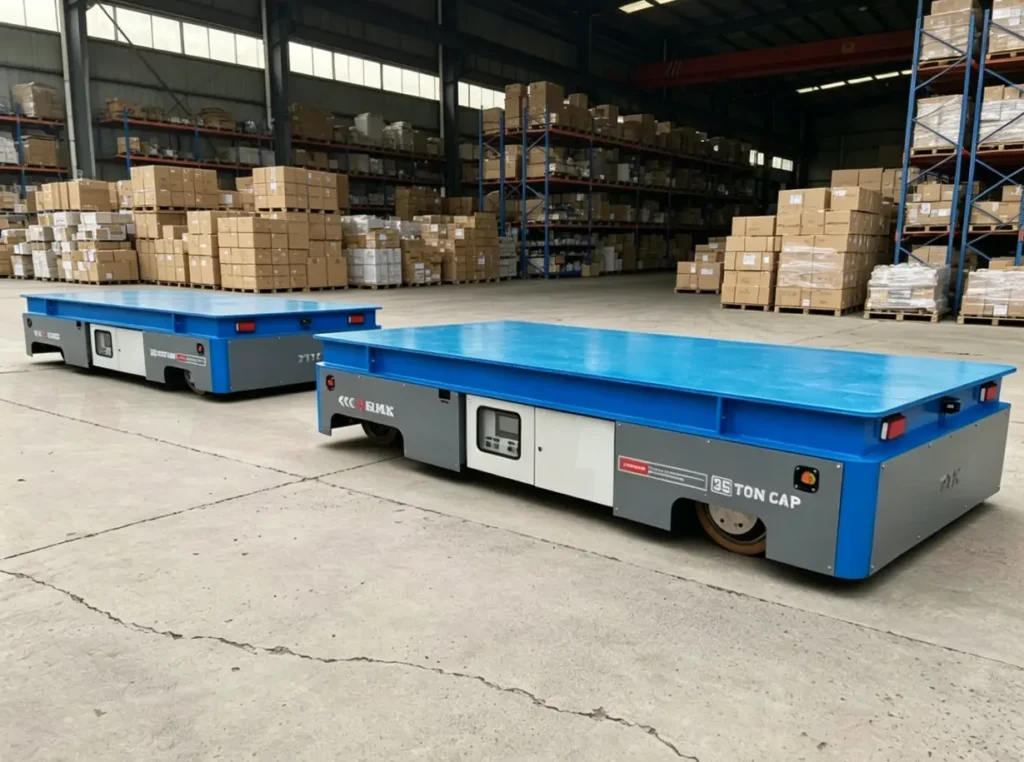
Складская и заводская логистика
Используется для перемещения крупных материалов, готовой продукции и оборудования между цехами, складскими зонами и производственными линиями.
Типы
Тяжелые перегрузочные тележки изготавливаются в различных конструкциях для удовлетворения требований заводской транспортировки. Выбор в основном зависит от веса груза, маршрута транспортировки, планировки цеха и рабочей среды.
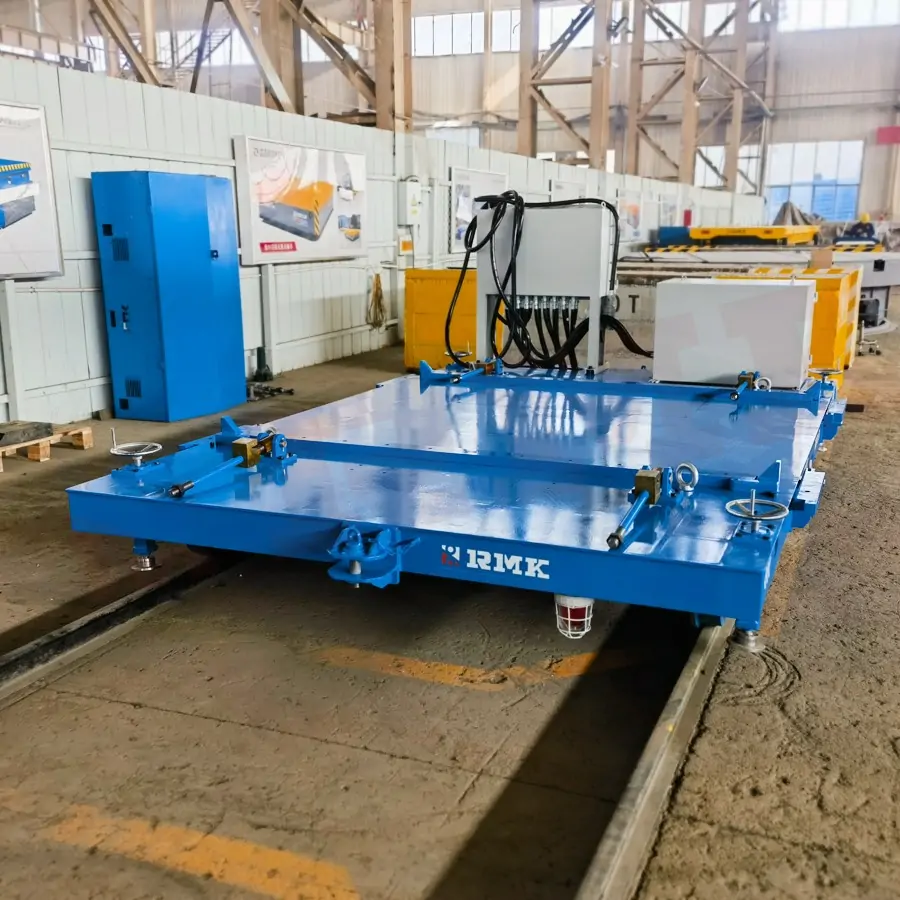
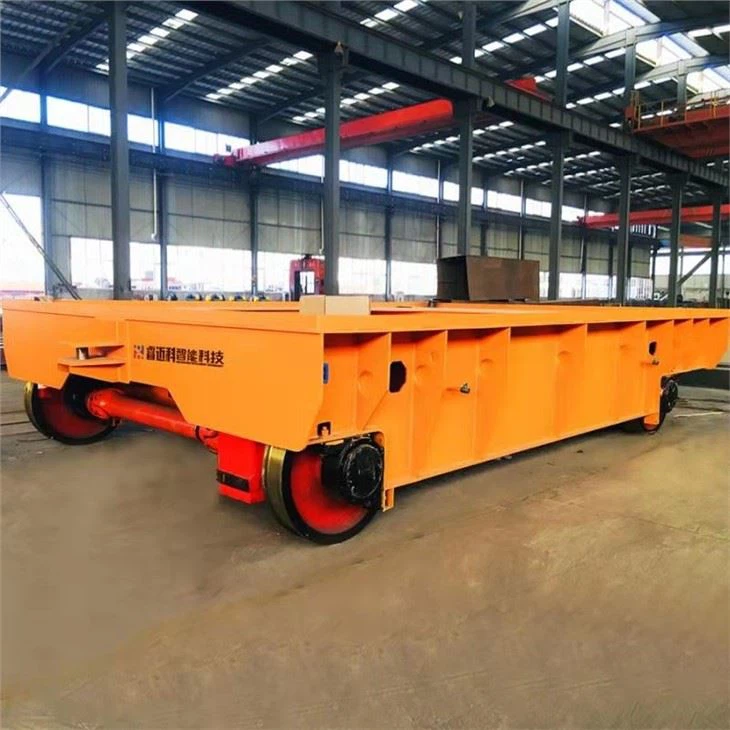
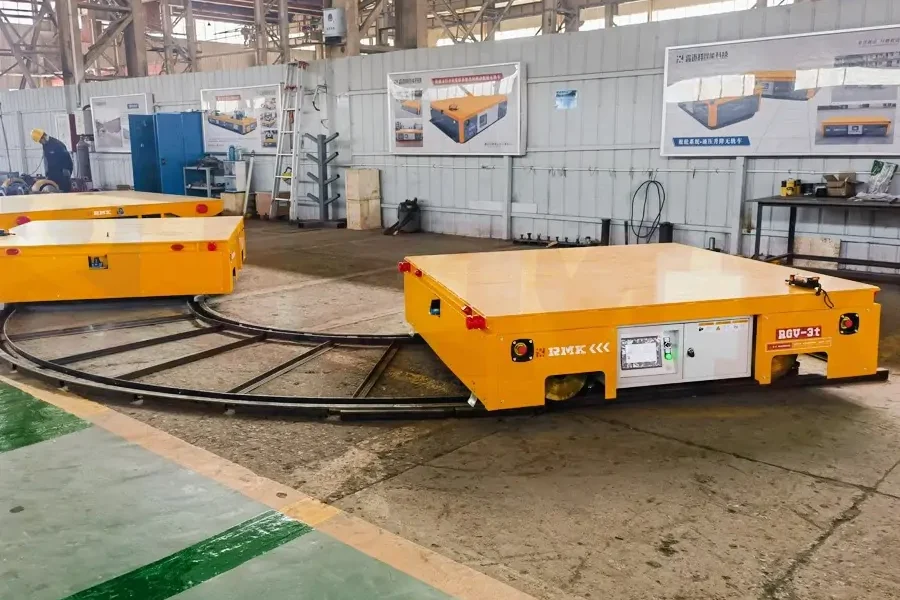
Тележка для перевозки рельсов
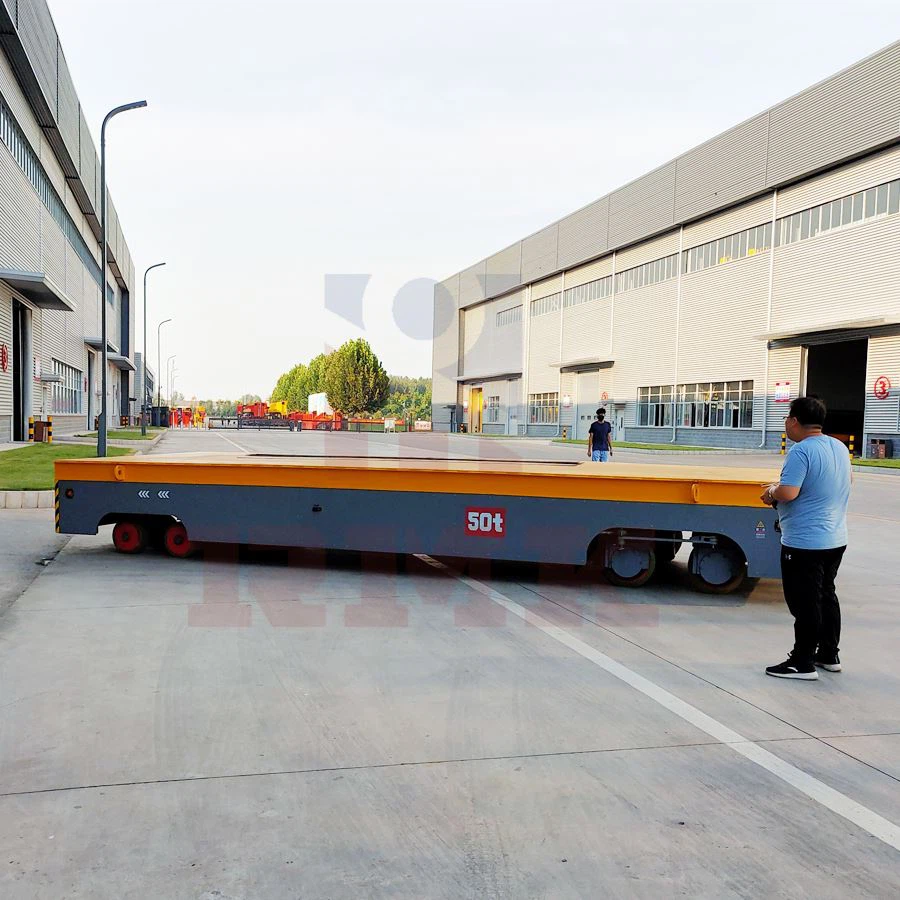
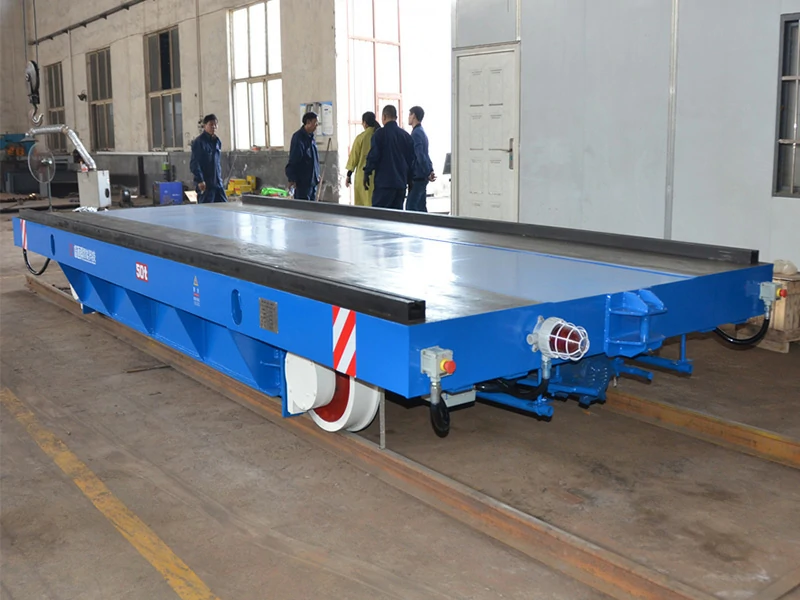
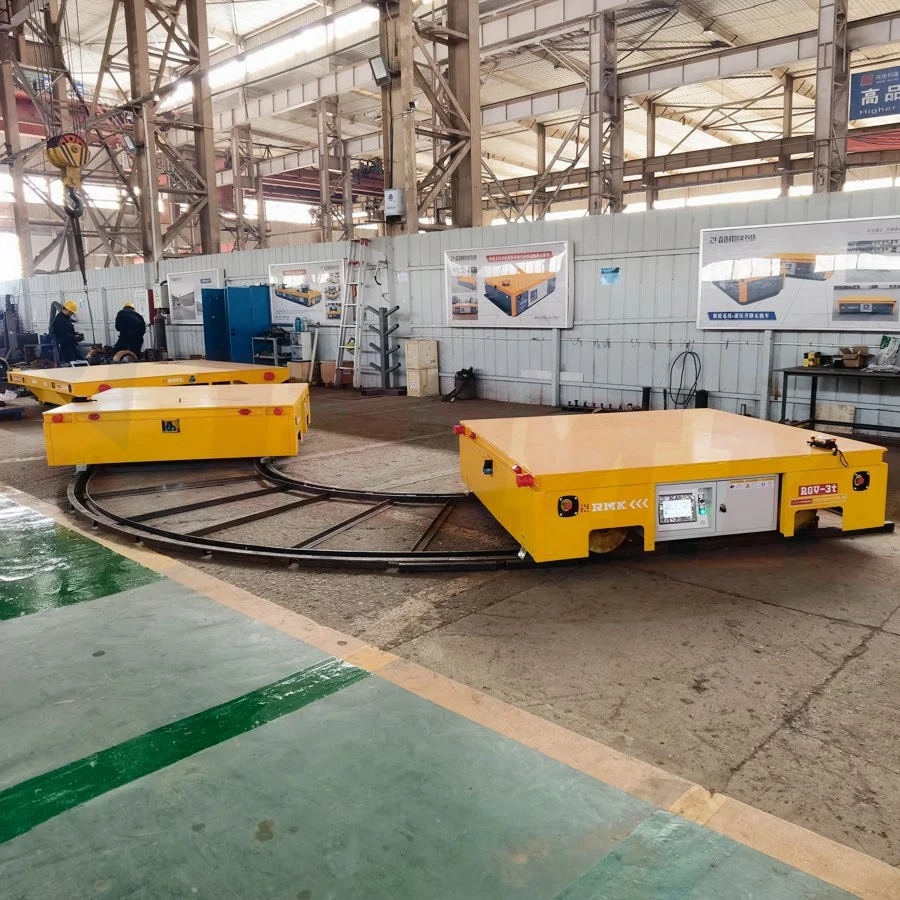
Тележка для перевозки рельсов работает на стационарных стальных рельсах и в основном используется для транспортировки тяжелых материалов по регулярным маршрутам. Она отличается стабильной работой, большой грузоподъемностью и надежным позиционированием, что делает ее подходящей для сталелитейных заводов, судостроительных верфей, литейных цехов и производства тяжелого оборудования.
- Грузоподъемность: 10–500 тонн
- Источник питания: аккумулятор / кабельный барабан / рельсовое питание
- Способ движения: фиксированный рельс
- Метод управления: дистанционное управление / подвесной пульт
Тележка для перевозки грузов с аккумуляторным приводом
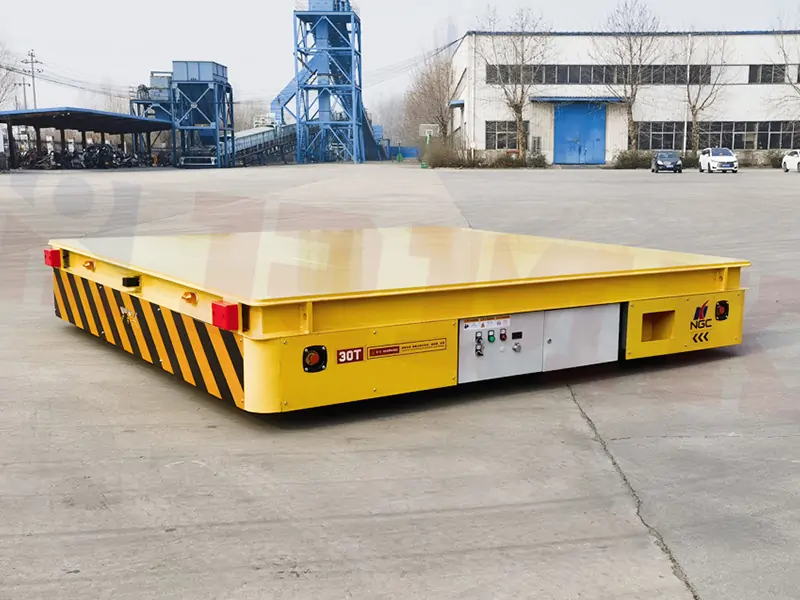
Тележка для перевозки грузов с аккумуляторным приводом использует перезаряжаемые аккумуляторы и не требует внешних кабелей питания во время работы. Она подходит для цехов с несколькими зонами транспортировки и применений, требующих гибкого перемещения.
- Грузоподъемность: 5–200 тонн
- Источник питания: перезаряжаемый аккумулятор
- Расстояние движения: по индивидуальному заказу
- Метод управления: беспроводное дистанционное управление
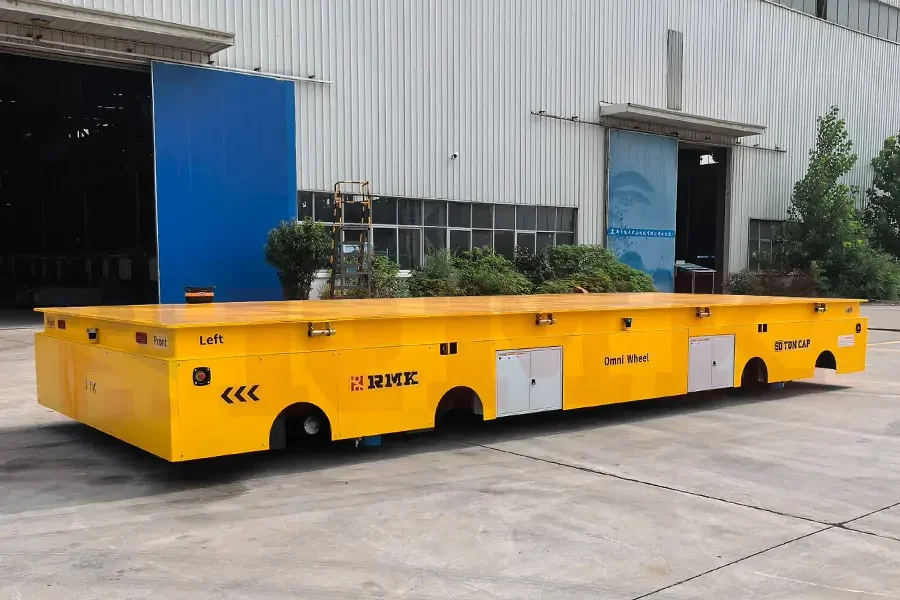
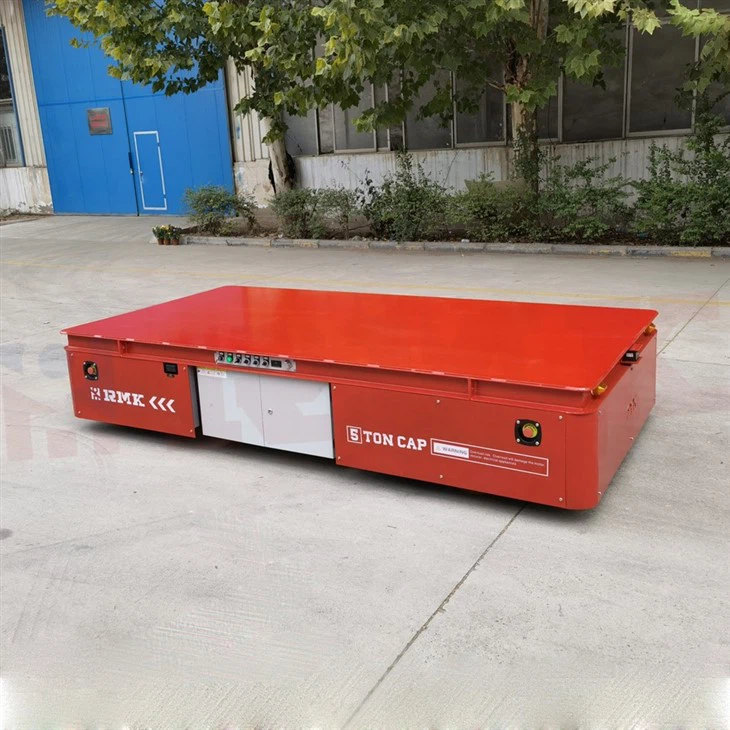
Бесколейная тележка для перевозки грузов
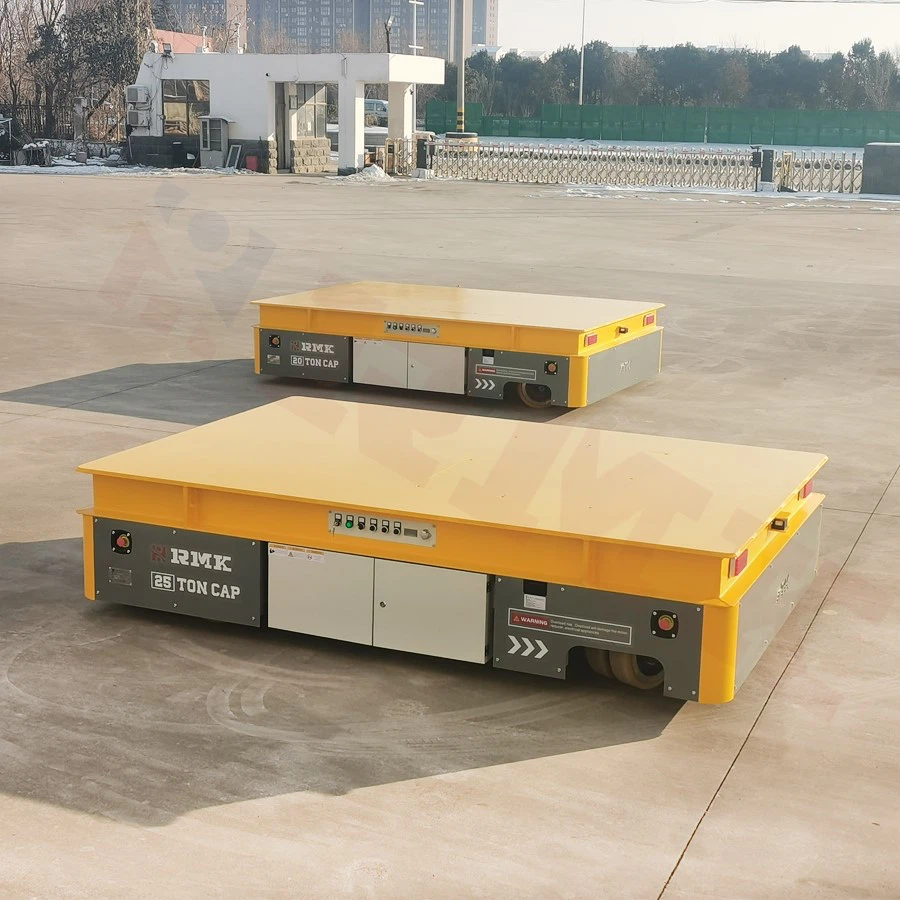
Бесколейная тележка для перевозки грузов работает без рельсов и использует колеса для свободного перемещения внутри цеха. Она подходит для зон с изменяющимися маршрутами транспортировки, ограниченным пространством для установки рельсов или частыми изменениями маршрута.
- Грузоподъемность: 10–500 тонн
- Режим рулевого управления: 360° поворот
- Источник питания: аккумулятор
- Метод управления: дистанционное управление
Индивидуальная транспортная тележка
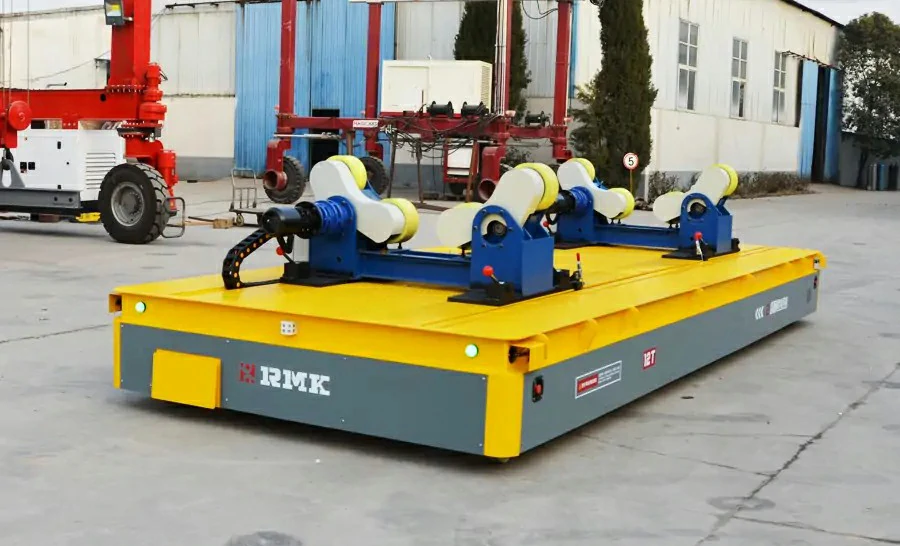
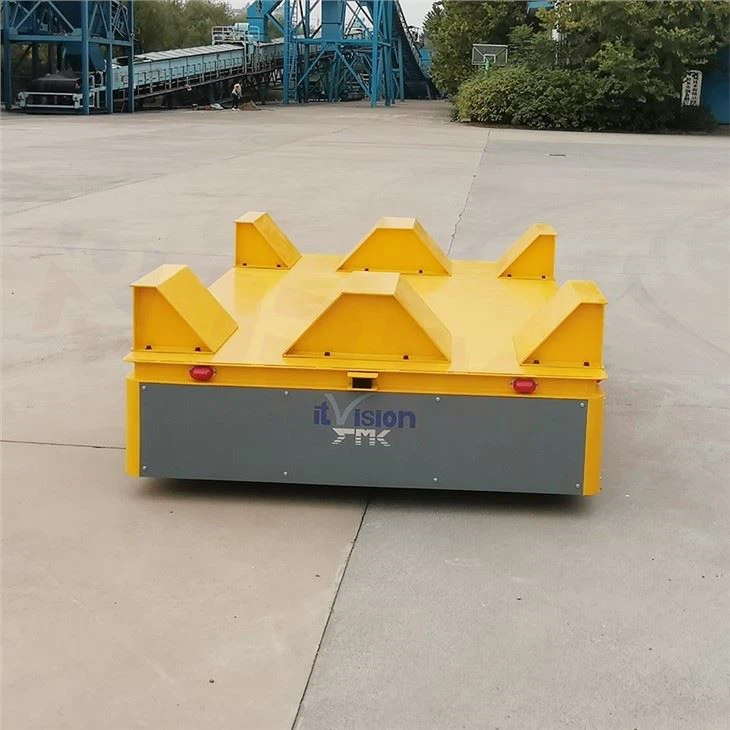
Индивидуальная транспортная тележка изготавливается в соответствии с конкретной нагрузкой, размерами и условиями работы. Она может быть оснащена специальными конструкциями, такими как подъемные платформы, V-образные опоры, взрывозащищенные конструкции и термостойкие компоненты.
- Грузоподъемность: по индивидуальному заказу
- Размер платформы: по индивидуальному заказу
- Источник питания: аккумулятор / рельс / кабельный барабан
- Дополнительные функции: подъем / взрывозащита / термостойкость
Подробную информацию о применении и типах тяжелых транспортных тележек см. в статье: “Тяжелая транспортная тележка: полное руководство по перемещению грузов от 50 до 500 тонн”
Для сравнения промышленных транспортных тележек и вариантов кастомизации см. статью:
Пять распространённых типов промышленных транспортных тележек и их применение
Индивидуальная транспортная тележка: Полное руководство по проектированию и настройке
Видео
Как выбрать тяжелую перегрузочную тележку для вашего применения?
Выбор подходящей тяжелой перегрузочной тележки требует учета грузоподъемности, источника питания, способа движения и условий работы для соответствия фактическим потребностям в перемещении материалов.
Грузоподъемность
Сначала определите максимальный вес груза. Для тяжелых условий эксплуатации может потребоваться грузоподъемность 30 тонн, 50 тонн или выше, в то время как для небольших цехов могут потребоваться только модели ниже 10 тонн.
Источник питания
Выберите источник питания в зависимости от рабочей среды. Аккумуляторное питание подходит для гибкого перемещения, в то время как рельсовое или кабельное питание подходит для фиксированных маршрутов и непрерывной работы.
Способ передвижения
Рельсовые перегрузочные тележки используются для фиксированных маршрутов между рабочими станциями. Безрельсовые перегрузочные тележки поддерживают гибкое перемещение и 360° поворот для сложных планировок цехов.
Размер и высота платформы
Выберите размеры платформы в соответствии с размером груза. Например, безрельсовая перегрузочная тележка грузоподъемностью 30 тонн может использовать платформу размером 4800×2200×580 мм для обеспечения стабильности груза.
Скорость бега
Выберите скорость в зависимости от частоты операций. Обычные рабочие скорости составляют 20–30 м/мин, при этом для частых транспортных задач доступны более высокие скорости.
Метод контроля
Выберите режимы управления в зависимости от требований эксплуатации, включая подвесной пульт, беспроводное дистанционное управление, управление с помощью ПЛК или автоматическую навигацию. Дистанционное управление подходит для тяжелых грузов и опасных зон.
Специальные функции
Выберите дополнительные функции в зависимости от характеристик материала. V-образные опоры используются для круглых материалов, таких как стальные рулоны и трубы, в то время как термостойкие или взрывозащищенные конструкции подходят для специальных сред.
Технические характеристики рельсов
Для рельсовых перегрузочных тележек подтвердите ширину колеи и длину рельсов. Рельсовая система должна соответствовать планировке цеха и требуемому расстоянию транспортировки.
Рабочая среда
Учитывайте температуру, влажность, запыленность и другие условия. Стандартная эксплуатация обычно осуществляется в диапазоне от -25℃ до 40℃ и на высоте не более 1200 м. Для особых условий эксплуатации требуется дополнительная защита.
Особенности безопасности
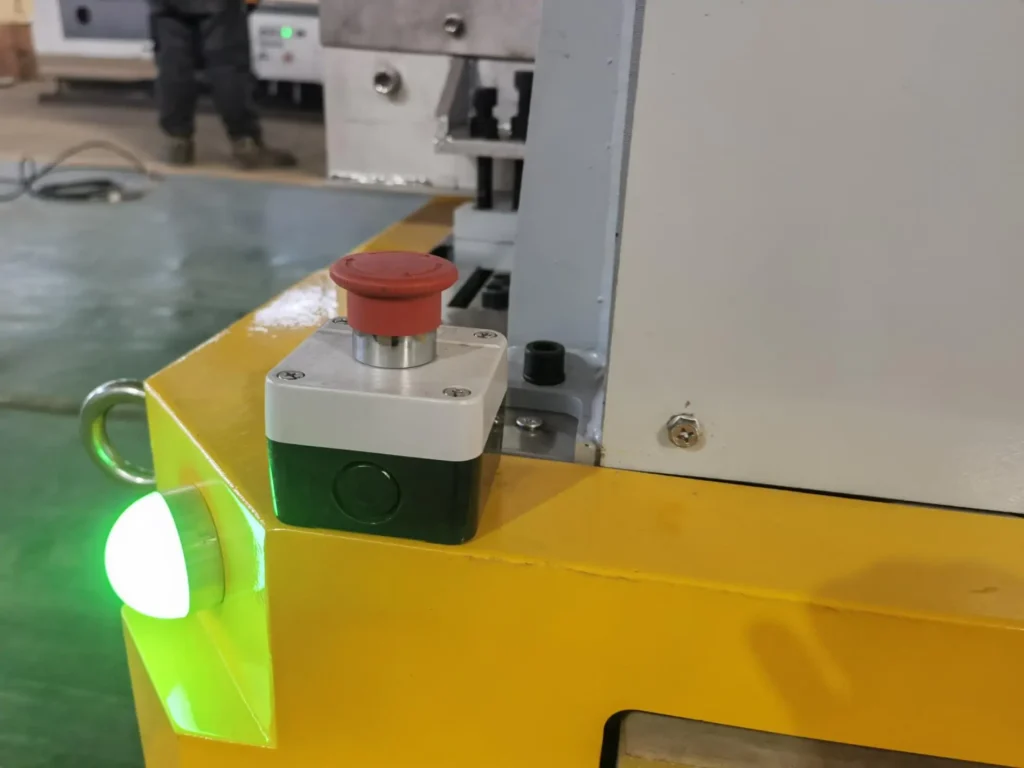
Проверьте устройства безопасности, включая сигнализацию перегрузки, систему предотвращения столкновений, аварийную остановку и защиту от опрокидывания, чтобы обеспечить безопасную эксплуатацию.
Выбор подходящей тяжёлой транспортной тележки на основе нагрузки, планировки, условий эксплуатации и требований безопасности помогает повысить эффективность перемещения и надёжность оборудования.
Технические характеристики
| Параметр | Технические характеристики |
|---|---|
| Номинальная грузоподъемность | 1–1500 тонн (обычно 5–280 тонн) |
| Ударная нагрузка | В 1,5 раза превышает номинальную грузоподъёмность |
| Размер платформы | Длина 2000–10000 мм, ширина 1500–3000 мм, высота около 500 мм |
| Скорость бега | Примерно 20 м/мин |
| Конструкция рамы | Сварная стальная балка, толщина листа 8–16 мм |
| Источник питания | Аккумулятор, низковольтный рельс, кабельный барабан, шинопровод |
| Тип батареи | Необслуживаемая свинцово-кислотная батарея, время работы около 5 часов |
| Метод контроля | Пульт управления, беспроводной пульт, автоматическое управление на базе ПЛК |
| Индивидуальные функции | Взрывозащита, термостойкость, подъём, наклон, V-образная опора |
| Устройства безопасности | Сигнальная лампа, кнопка аварийной остановки, конечный выключатель, система предотвращения столкновений |
| Специальные возможности | Поворот двигателя на 360°, гибкое управление без кабеля |
| Отрасли применения | Металлургия, машиностроение, автомобилестроение, судостроение, складские и портовые операции |
| Operating Environment | Высота ≤1200 м, температура от -25°C до 40°C |
Преимущества
- Перемещение тяжёлых грузов: обрабатывает крупные и тяжёлые материалы с грузоподъёмностью от нескольких до сотен тонн, подходит для промышленного перемещения материалов.
- Стабильная работа: стальная конструкция, надёжная система привода и плавный ход обеспечивают непрерывные транспортные операции.
- Гибкая конфигурация: доступны различные источники питания, способы управления, размеры платформы и специальные исполнения для различных условий работы.
- Снижение ручного труда: заменяет ручную транспортировку и снижает использование вилочных погрузчиков или кранов при перемещении тяжёлых материалов.
- Повышение безопасности на рабочем месте: оснащена устройствами безопасности, такими как аварийная остановка, сигнализация, конечные выключатели и системы предотвращения столкновений.
- Широкое промышленное применение: используется на сталелитейных заводах, верфях, машиностроительных заводах, автомобильных производственных линиях и складских операциях.
- Низкие требования к обслуживанию: простая конструкция и износостойкие компоненты помогают снизить частоту обслуживания и эксплуатационные расходы.
Случаи
Заключение
Тяжёлая транспортная тележка обеспечивает надёжное решение для перемещения крупных и тяжёлых материалов на сталелитейных заводах, машиностроительных заводах, верфях и в других промышленных применениях. В этой статье рассматриваются принцип работы, области применения, типы, методы выбора, технические характеристики и ключевые преимущества, чтобы помочь пользователям выбрать подходящую транспортную тележку в соответствии с их требованиями к перемещению.
REMARKABLE проектирует и производит тяжёлые транспортные тележки с индивидуальной грузоподъёмностью, источником питания, размером платформы и вариантами управления для различных условий работы. Благодаря профессиональным производственным мощностям, технической поддержке и послепродажному обслуживанию REMARKABLE предоставляет комплексные решения для перемещения материалов. Свяжитесь с нами для подходящей тяжёлой транспортной тележки для вашего проекта.
Электронная почта: transfercart@rmkzn.com
Телефон: +86-18637369355
ЧАСТО ЗАДАВАЕМЫЕ ВОПРОСЫ
Что такое тяжелый транспортный тележка?
Тяжелая транспортная тележка — это электрическое транспортное средство для перемещения материалов, используемое для перевозки крупногабаритных и тяжелых грузов на промышленных объектах.
Сколько веса может выдержать тяжелая транспортная тележка?
Тяжелые транспортные тележки могут перевозить от 1 тонны до более 500 тонн, в зависимости от конструкции и применения.
Где используются тяжелые транспортные тележки?
Они используются на заводах, сталелитейных предприятиях, судостроительных верфях, литейных цехах, складах и в машиностроительных производствах.
В каких отраслях используются транспортные тележки?
К распространённым отраслям относятся металлургия, автомобилестроение, судостроение, машиностроение и производство тяжёлого оборудования.
Какая разница между рельсовыми и безрельсовыми транспортными тележками?
Рельсовые транспортные тележки перемещаются по фиксированным рельсам, тогда как безрельсовые транспортные тележки движутся свободно без рельсов и подходят для гибких маршрутов транспортировки.
Можно ли изготовить тяжёлые транспортные тележки по индивидуальному заказу?
Да. Грузоподъёмность, размер платформы, источник питания, система управления и специальные функции могут быть настроены.
Какие варианты электропитания доступны?
Распространенные варианты электропитания включают аккумулятор, низковольтную шину, кабельный барабан и шинопровод.
Каков срок службы транспортной тележки?
При правильной эксплуатации и обслуживании транспортная тележка может надёжно служить в течение многих лет.